Neolitik Ev Yapısı

Yeşilova Höyük 3B İnteraktif Modeller

Neolithic House Structure

Yeşilova Höyük 3D Interactive Models

Sanal Gezi

Virtual Tour

DİKKAT!

Işığa duyarlı epilepsi:
Geçmişte epilepsi ya da nöbet geçirdiyseniz kullanmadan önce doktora danışın. Belirli şekiller ya da titreşimler daha önce nöbet geçirmemiş kişilerin nöbet geçirmesine neden olabilir.

WARNING!

Photosensitive epilepsy:
If you have had or are prone to epileptic episodes or seizures, please consult your physician before use. Certain shapes and/or vibrations may cause manifestation of epileptic symptoms in individuals who have no history of seizures or epilepsy.

  • Tam Ekran

    Full Screen

  • Önbelleği Temizle

    Clear Cache

Sanal Gezi

Virtual Tour

ÜZGÜNÜZ

Mobil cihazlar için Sanal Gezi özelliği çalışmaları devam etmektedir.
Lütfen masaüstü sürümünü kullanınız.

SORRY

Virtual tour feature work for mobile devices continues.
Please use the desktop version.

Neolitik Konut Mimarisi


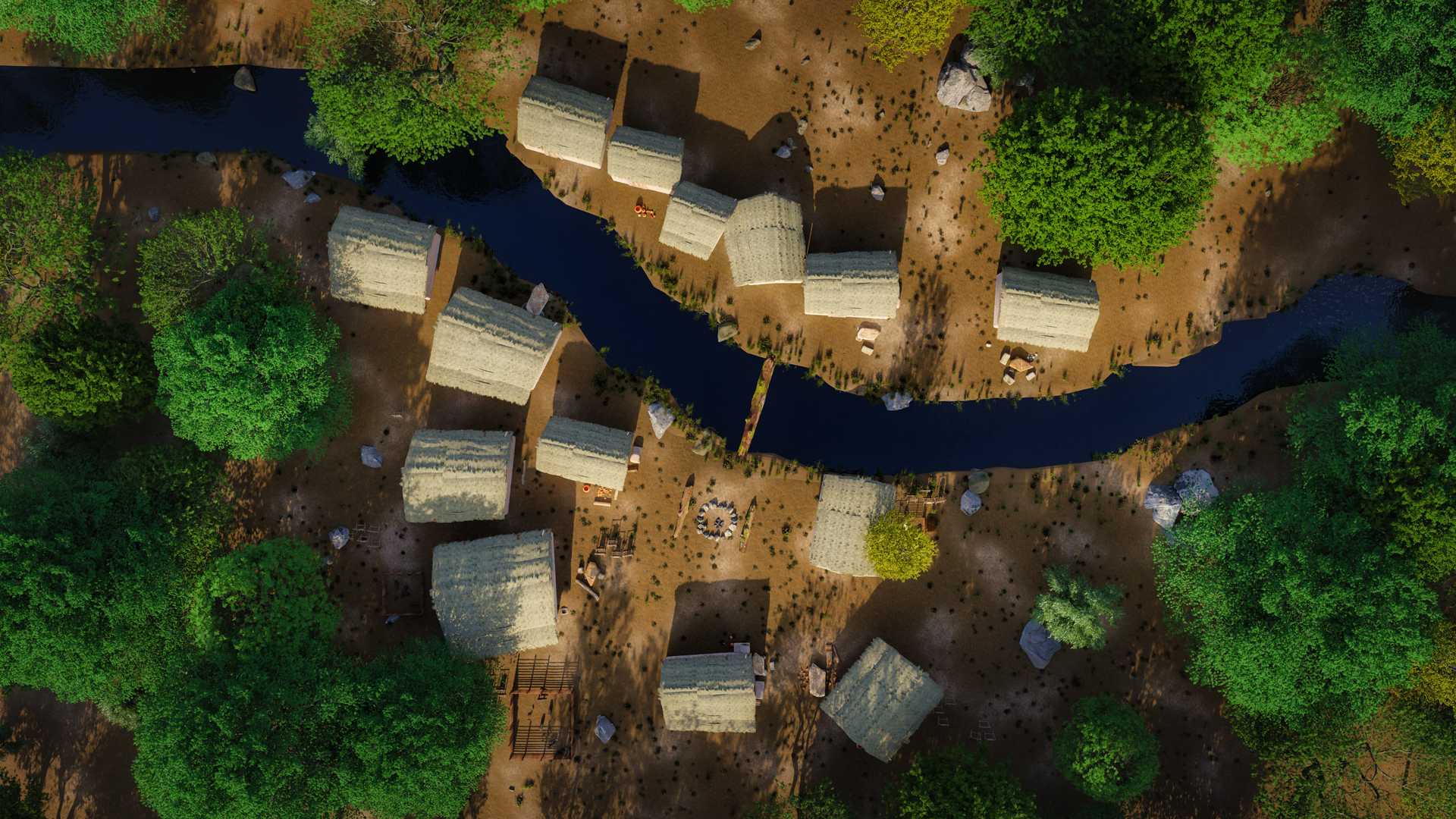
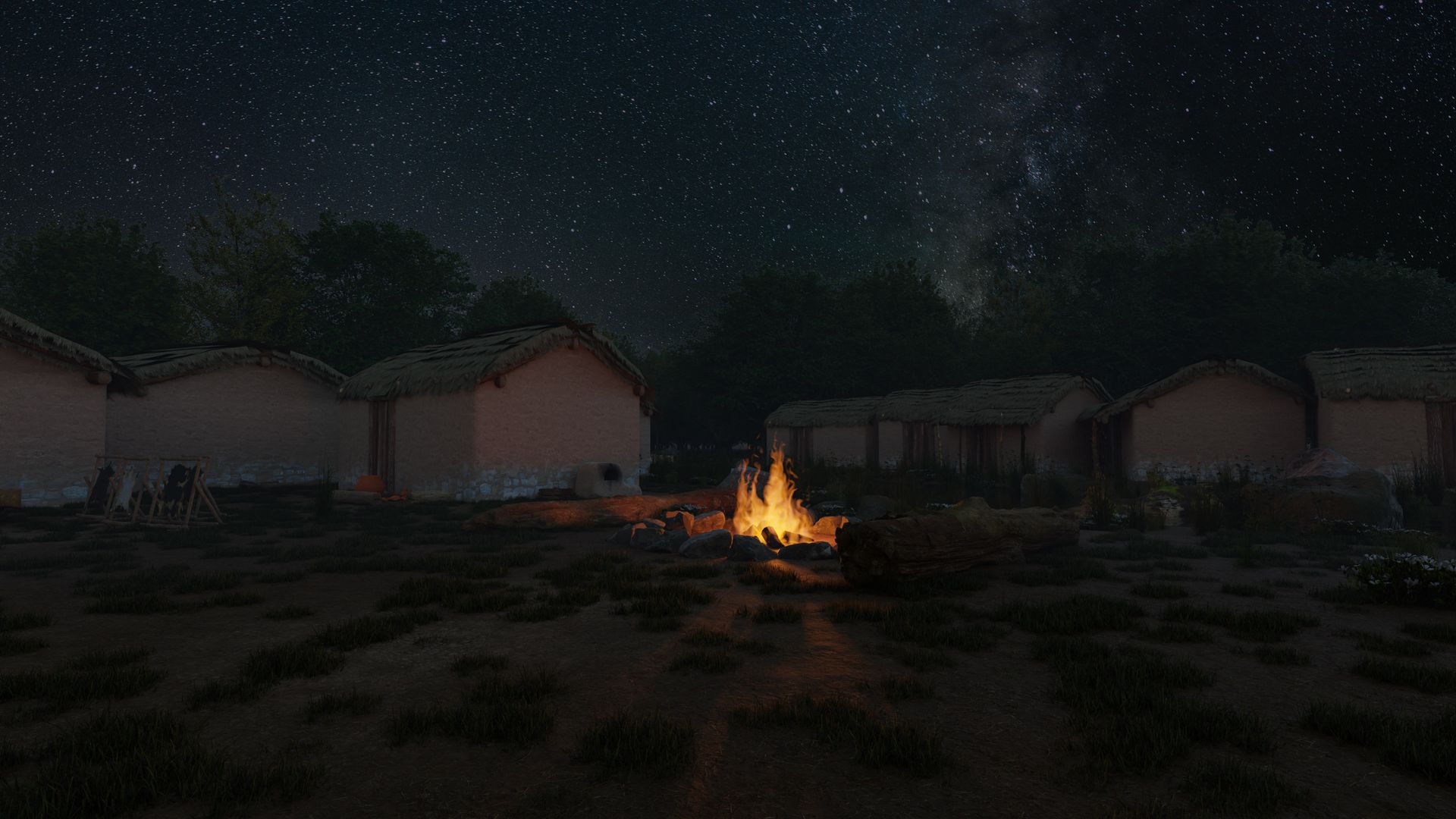
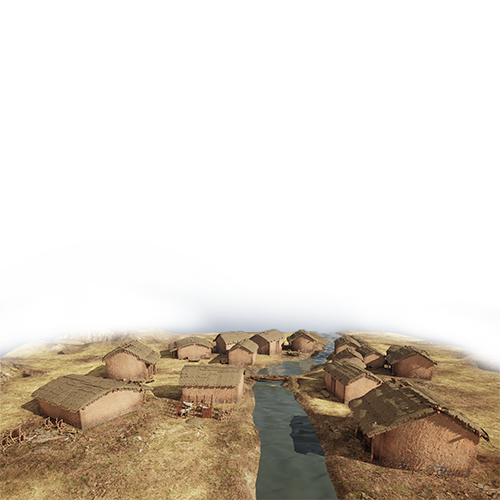
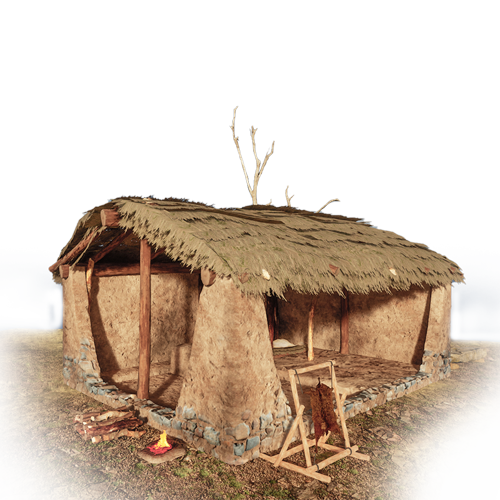
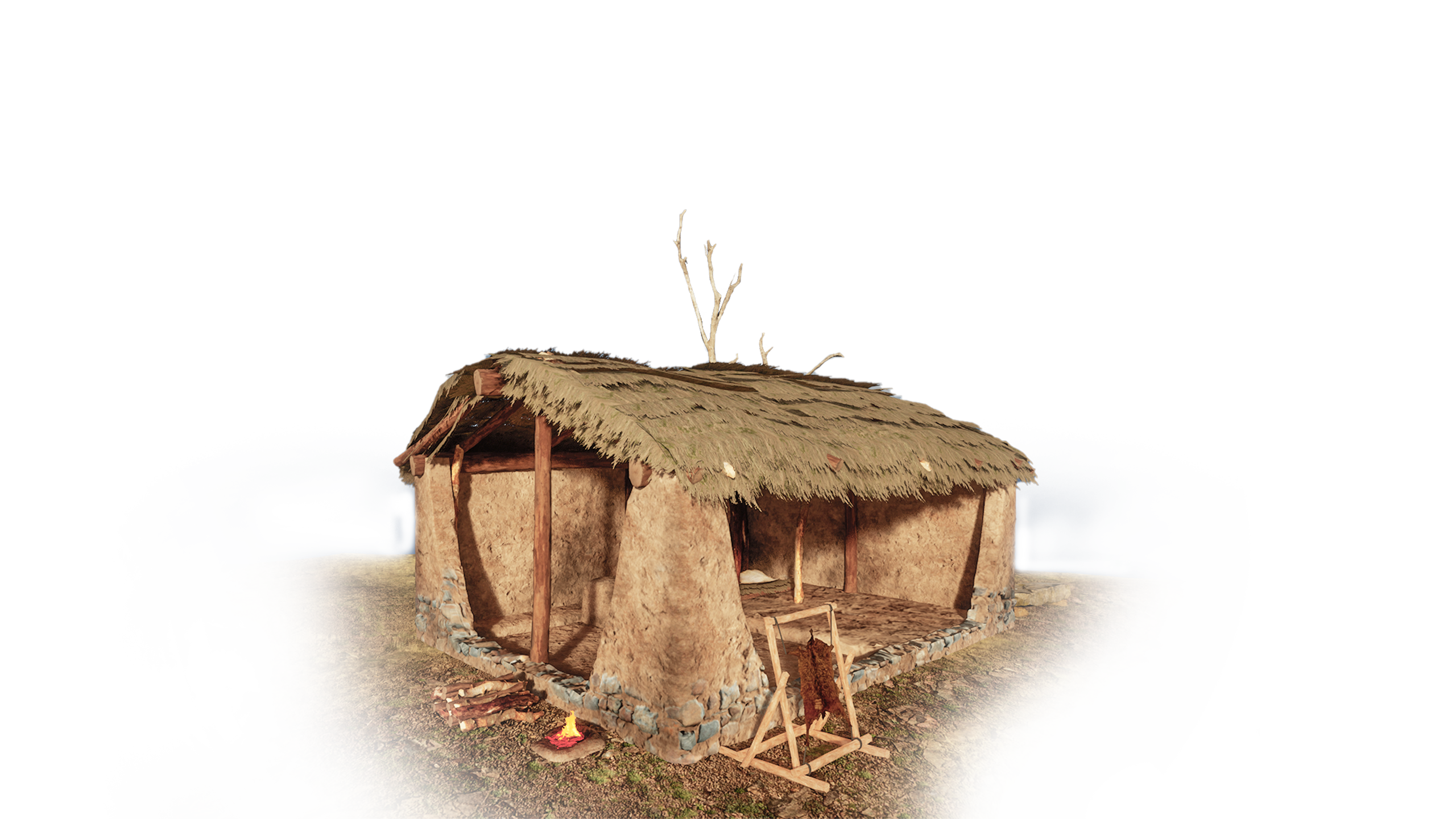
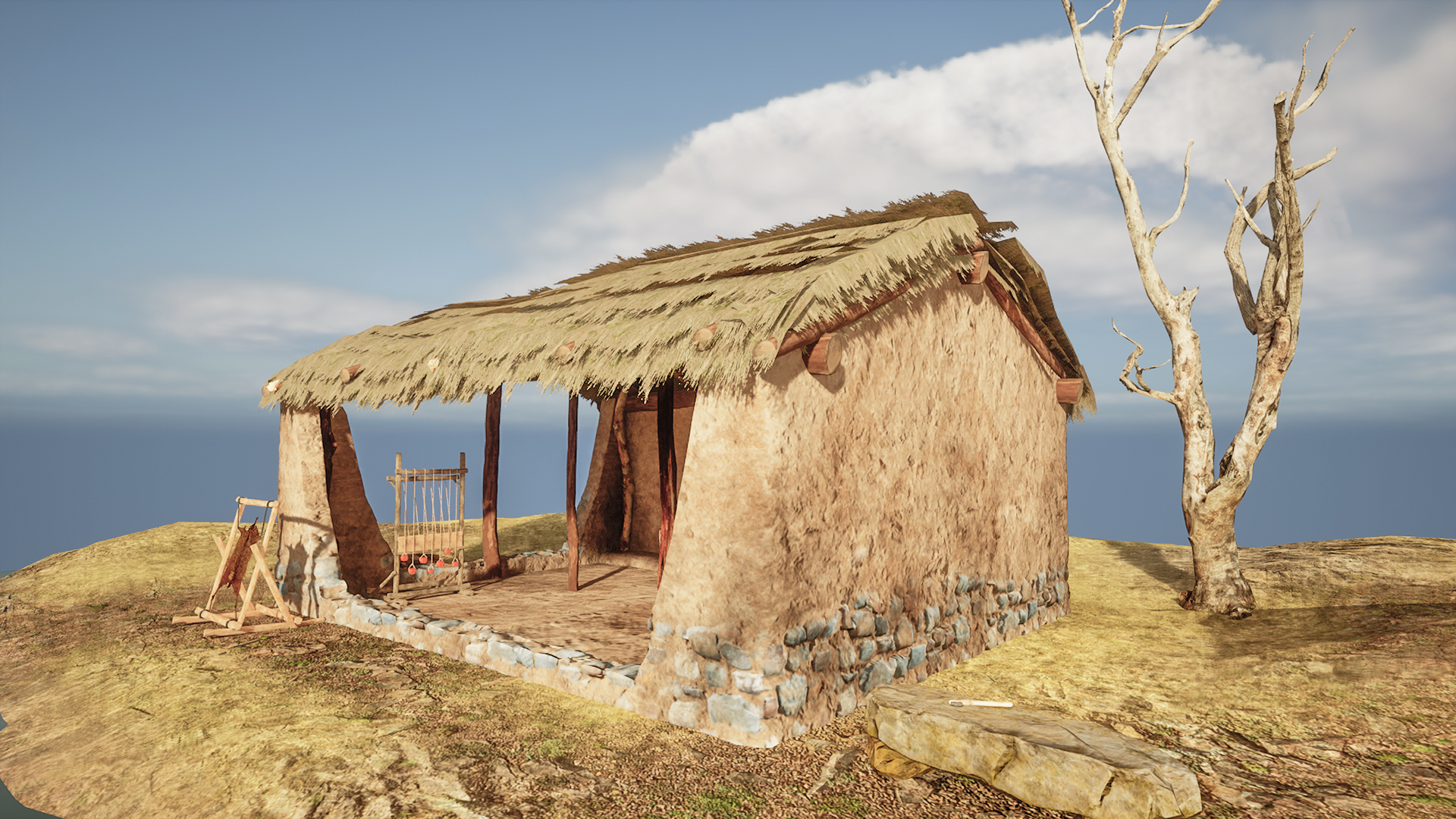
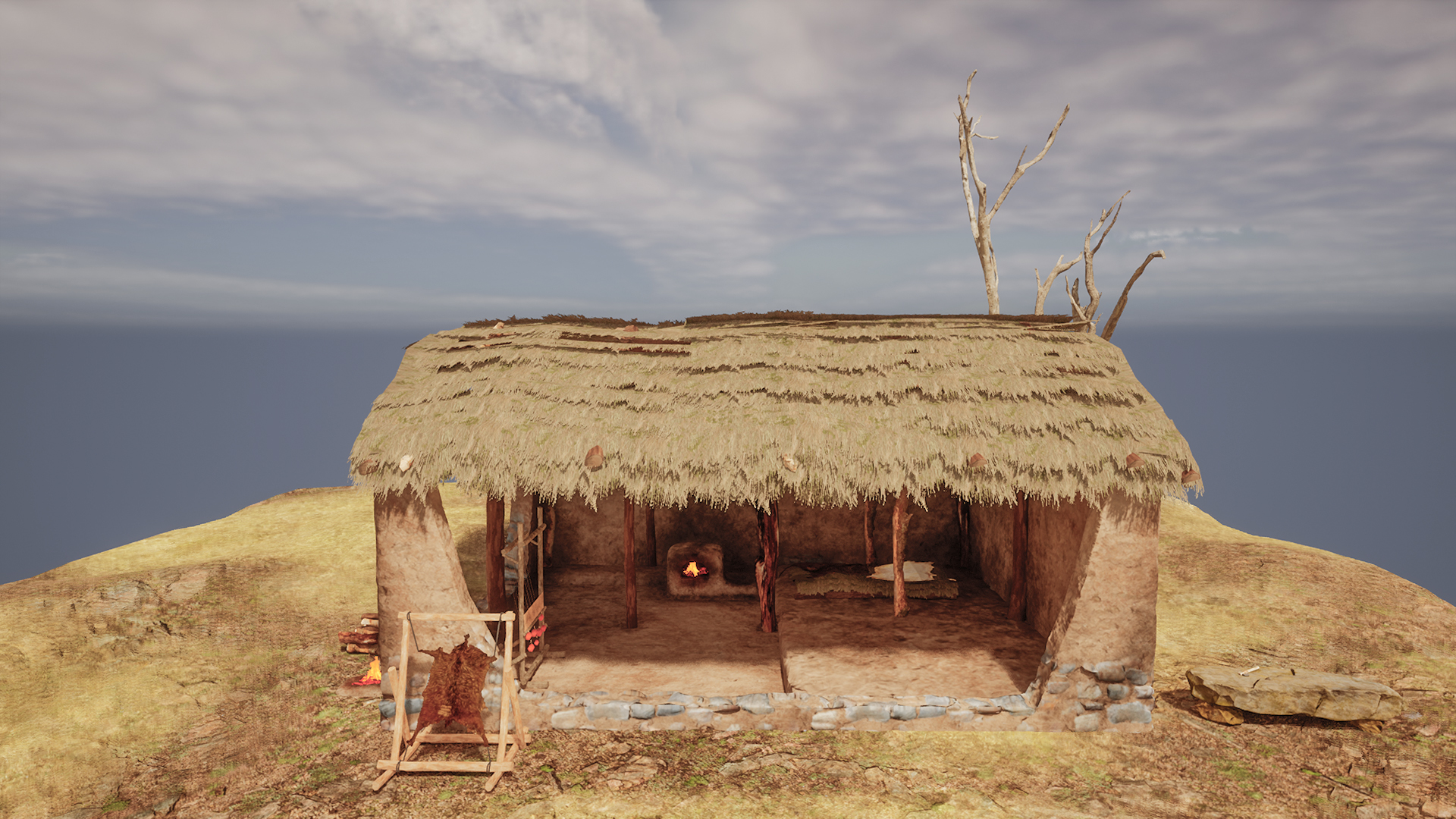
İlk yerleşim evresinde, oval ya da dörtgen planlı, kerpiç duvarlı, çamur sıvalı dal örgülü, saz örtülü kulübeler görülmektedir. Günlük işleri görmek için ocakların olduğu bilinmektedir. MÖ 6000-5700 yıllarına gelindiğinde Neolitik Dönem’in Rönesansı olarak kabul edilen evrede, Neolitik Dönem’in en kalabalık süreci yaşanır. Yüzey toprağından 1 ile 2 metre aşağıda kalan tabakada, taş temelli ve çukur tabanlı inşa edilmiş evlerin varlığı bilinmektedir. Ayrık planda inşa edilmiş evlerin genellikle batısında taş platformlar vardır. Tahıl ve toprak öğütmek için bölümlere de sahip konutlar tek odalı olarak inşa edilmiştir. Evlerin girişleri güneye bakan uzun duvarların ortasında yer alır. Fırınlar mekân içlerinde ya da ortak avlularda bulunmaktadır. Mekânların çatısının ağaç direklerle taşınan ince kerpiç duvarlar olduğu öngörülmektedir. Kalkolitik Dönem evleri, Neolitik tabakaların içine 6-8 m çapında ve 1 m derinlikte açılan, yuvarlak ya da oval planlı ve basit dal örgülü kulübeler şeklindedir.

Neolithic Residential Architecture


The huts in the first settlement phase are oval or rectangular in plan, mud-brick walls, mud plastered, branch braided or covered with reeds. It is known that there are hearths to see the daily chores. When it comes to 6000-5700 BC, the most crowded period of the Neolithic Period is experienced in the phase that is accepted as the Renaissance of the Neolithic Period. In the layer 1 to 2 meters below the surface soil, the existence of houses built with stone foundations and hollow base is known. There are stone platforms to the west of the houses built in a split plan. The houses, which also have sections for grinding grain and soil, were built as one room. The entrances of the houses are located in the middle of the long walls in the south. Ovens are located inside the premises or in common courtyards. It is predicted that the roofs of the houses are thin mud brick walls supported by wooden poles. Chalcolithic Period houses are in the form of huts with a circular or oval plan and simple branch braids, which were dug into the Neolithic layers at a diameter of 6-8 m and a depth of 1 m.

Yeşilova Höyük Hakkında

Yeşilova Höyük Tarihçesi

About Yeşilova Höyük

Yeşilova Höyük History

X

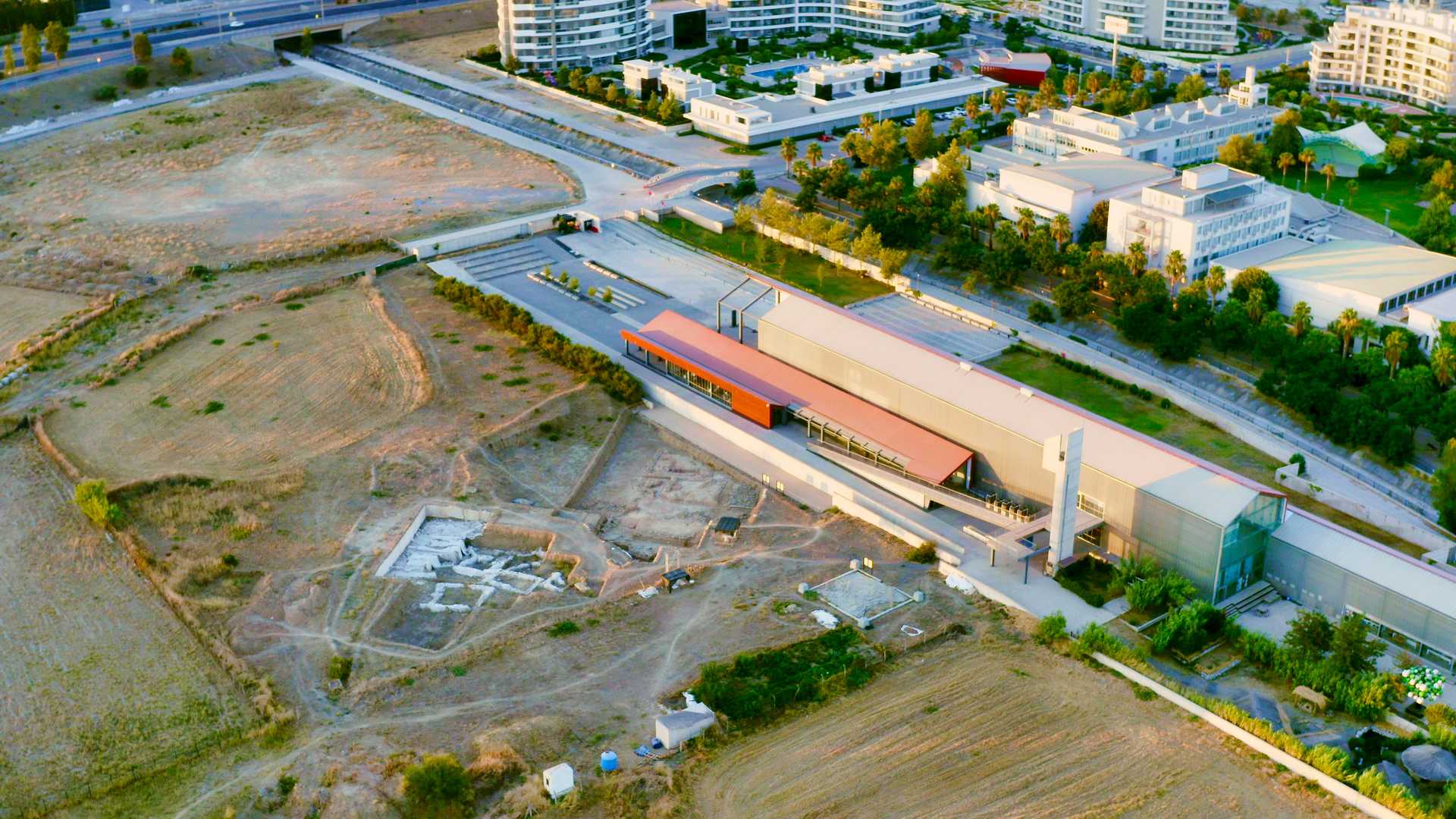
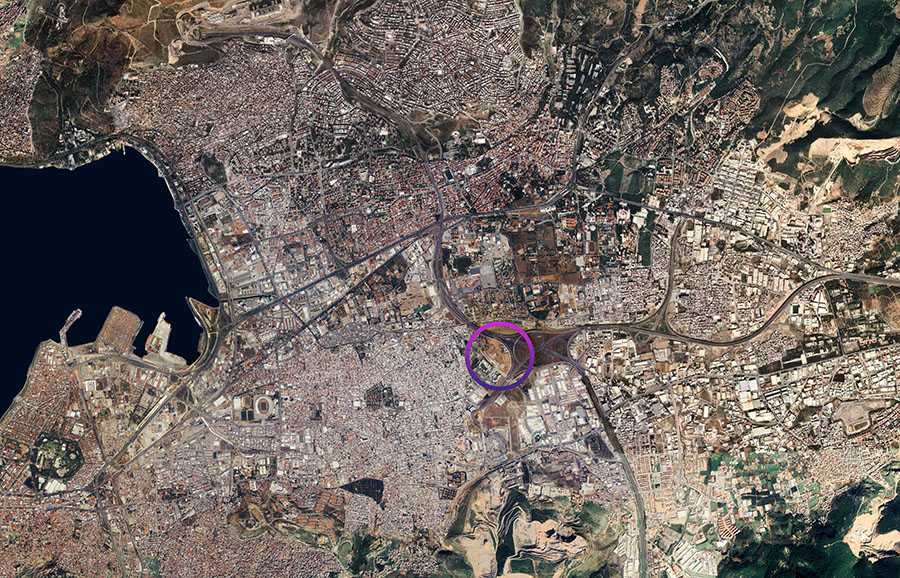
Yeşilova Höyüğü İzmir'in Bornova ilçesinde, Karacaoğlan Mahallesi sınırları içerisinde kalmaktadır. İzmir kent merkezine 10 km, Bornova ilçe merkezine ise 4 km uzaklıktadır. 8500 yıllık bir tarihe sahip olan höyük, şehrin tarihini Neolitik Çağ’a kadar götürmektedir. Daha sonra Güneydoğu Avrupa kökenli olduğu tahmin edilen bir topluluk, Yeşilova ve 800 metre ilerisindeki Yassıtepe’ye yerleşmiştir. Kalkolitik Çağ olarak adlandırılan, Neolitik Çağ ile Tunç Çağı arasındaki bu 3000 yıllık dönem, Yassıtepe Höyüğü’nde ve Yeşilova Höyüğü’nün üst katmanlarında tespit edilmiştir.

Yeşilova Höyük is located in the Bornova district of İzmir, within the borders of Karacaoğlan District. It is 10 km from Izmir city center and 4 km from Bornova district center. The mound, which has a history of 8500 years, takes the history of the city back to the Neolithic Age. A community of presumably Southeast European origin settled in Yeşilova and Yassıtepe where is 800 meters away. This 3000-year period between the Neolithic Age and the Bronze Age, called the Chalcolithic Age, was identified in the Yassıtepe Mound and the upper layers of the Yeşilova Höyük.

Yeşilova Höyüğü Nasıl Keşfedildi?

How was Yeşilova Mound Discovered?

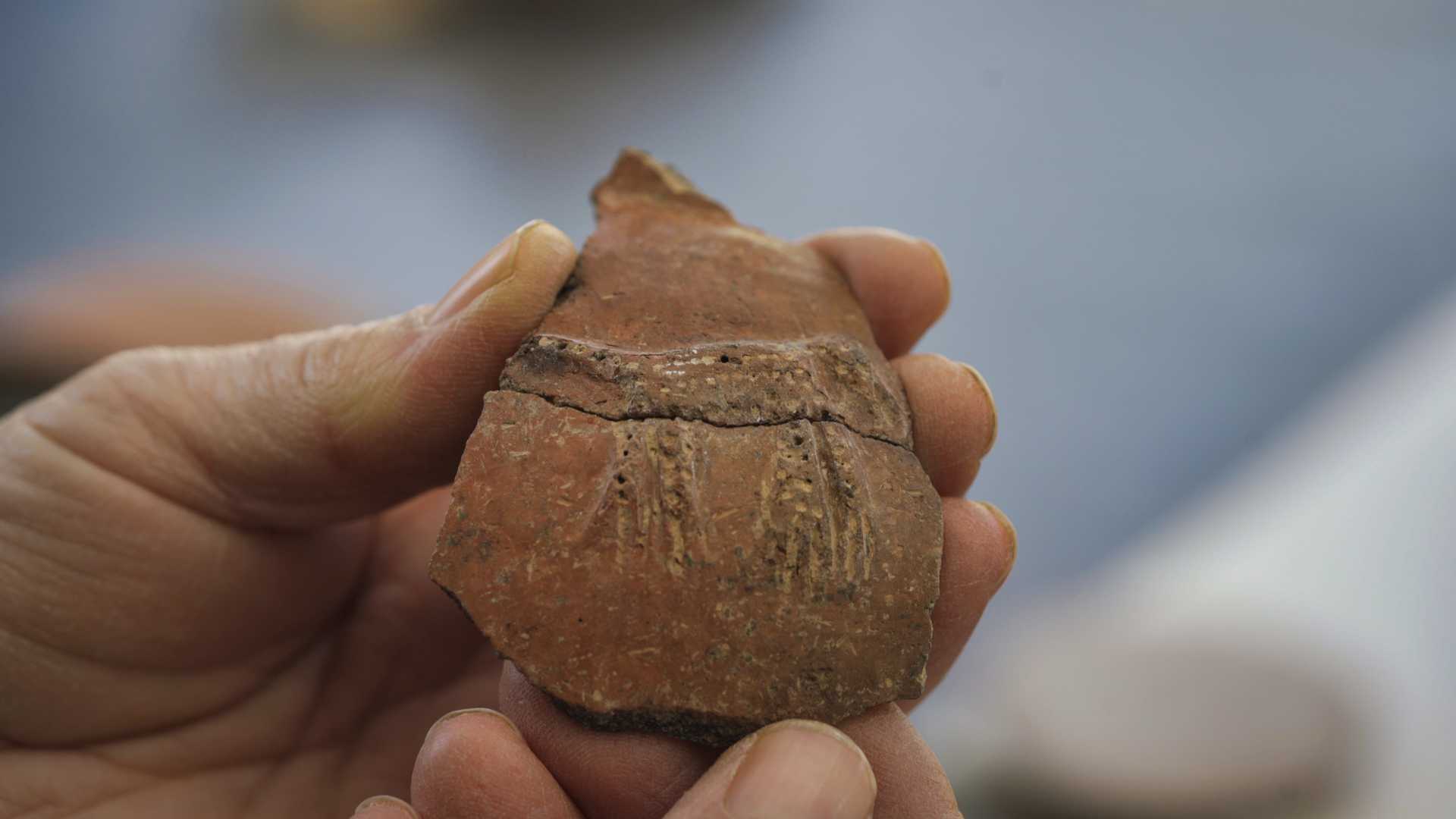
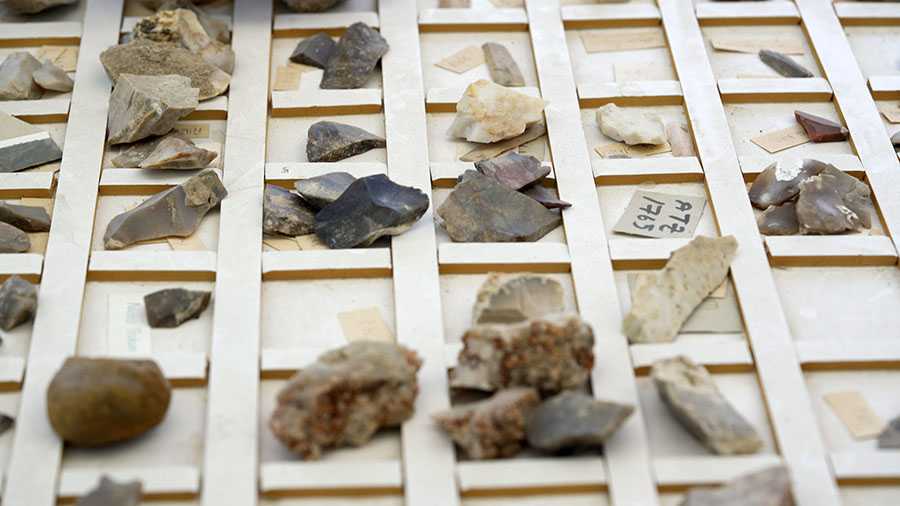
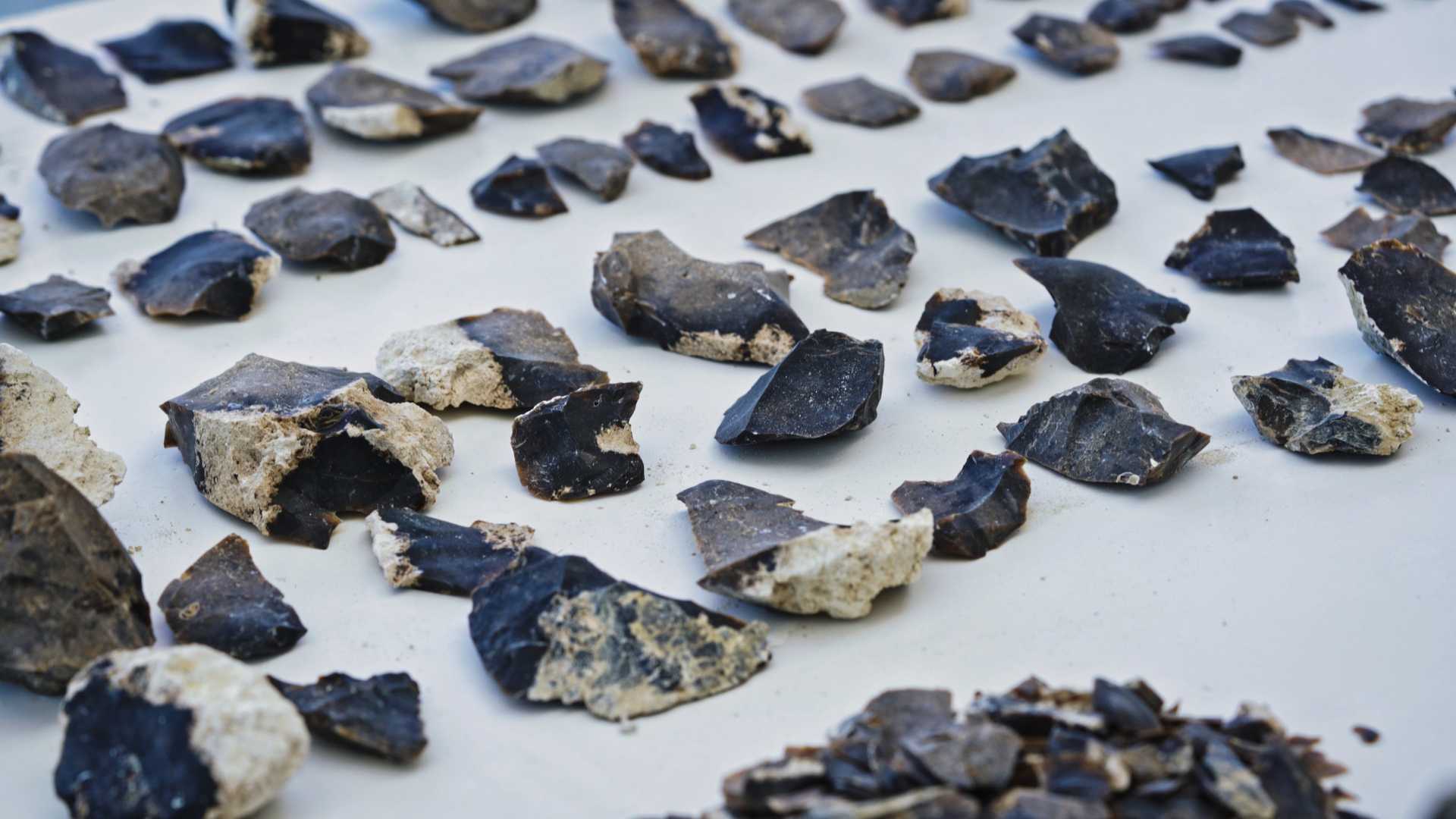
2003 yılında, Bornova Ovası’nın ortasında, sonradan otoyol kavşağının yapılacağı arazide, İzmir tarihini değiştirecek bir keşfe imza atılmıştır. Arazide yapılan hafriyat çalışmaları sırasında buradan alınan toprak Buca’da bir parka dökülür. Parka dökülen toprakta taş alet ve çanak çömlek parçalarının olduğunu gören duyarlı bir İzmirli (emekli resim öğretmeni Ali Beke Özkan) yetkililere haber verir. Müzenin topladığı çanak çömlek parçalarında yapılan ilk inceleme, şaşırtıcı bir sonuç bir ortaya koyar. Parçalar Neolitik Çağ’ı işaret etmektedir. Toprağın alındığı alanda yapılan yüzey araştırması da bu bulguları destekleyince İzmir tarihinin giriş sayfaları yeniden yazılmaya başlanır.

In 2003, in the middle of the Bornova Plain, on the land where a highway will be built later, a discovery was made that would change the history of İzmir. The soil taken from here during the excavation works in the field is poured into a park in Buca. A sensitive Izmirian (retired art teacher Ali Beke Özkan), who saw that there were stone tools and pottery pieces in the soil spilled into the park, informed the authorities. The first examination of the pottery collected by the museum reveals a surprising result. The pieces are dated to the Neolithic Age. When the survey conducted in the area where the soil was taken supports these findings, the entrance pages of İzmir history are started to be rewritten.

Yeşilova Höyüğü’nün keşfinden önce İzmir’in kuruluş tarihinin günümüzden 5000 yıl önceye kadar geri gittiği düşünülüyordu. Neolitik Çağ'a tarihlenen bu höyüğün keşfiyle birlikte kentin kuruluş tarihi 3500 yıl daha geriye gitmiş, İzmir’i kesintisiz olarak yaşanan dünyanın en eski şehirlerinden biri yapmıştır.

Before the discovery of Yeşilova Höyük, it was thought that the foundation date of İzmir goes back to 5000 years ago. With the discovery of this mound, which dates back to the Neolithic Age, the city's foundation date went back 3500 years, making İzmir one of the oldest cities in the world that was inhabited without interruption.

Bugün kalın bir alüvyon tabakası altında kalmış olan yerleşim, 70,000 m2'den fazla bir alanı kaplamaktadır. Kendi içerisinde 3 alt evreye bölünmüş olan Neolitik Çağ tabakası içerisinde üst üste 10 mimari katman tespit edilmiştir. Bu katmanlar arasında bulunan çamur-kil tabakaları yerleşimin sık sık sel ve taşkınlarla mücadele ettiğini, tahribat yaşayan yerleşimlerini tekrar kurduklarını göstermektedir. Neolitik Çağ’ın sonlarına doğru gelişen yerleşim Yassıtepe Höyüğü’ne doğru genişlemiştir. MÖ 5800-5700 yılları arasında yaşanan büyük bir sel Neolitik yerleşimin sonunu getirmiştir.

The settlement, which is now under a thick layer of alluvium, covers an area of more than 70,000 m2 from the excavations so far. Within the Neolithic Age layer, which was divided into 3 sub-phases, 10 architectural layers were identified on top of each other. The mud-clay layers between these layers show that the settlement frequently struggled with floods and overflows and re-established settlements that suffered destruction. The settlement, which developed towards the end of the Neolithic Age, expanded towards Yassıtepe Höyük. A great flood between 5800-5700 BC brought the end of the Neolithic settlement.

Sayfa:  

Page:  

/

Yeşilova Höyük Hakkında

Yeşilova Höyük Tarihi

About Yeşilova Höyük

Yeşilova Höyük History

X

Yeşilova Höyüğü İzmir'in Bornova ilçesinde, Karacaoğlan Mahallesi sınırları içerisinde kalmaktadır. İzmir kent merkezine 10 km, Bornova ilçe merkezine ise 4 km uzaklıktadır. 8500 yıllık bir tarihe sahip olan höyük, şehrin tarihini Neolitik Çağ’a kadar götürmektedir. Daha sonra Güneydoğu Avrupa kökenli olduğu tahmin edilen bir topluluk, Yeşilova ve 800 metre ilerisindeki Yassıtepe’ye yerleşmiştir. Kalkolitik Çağ olarak adlandırılan, Neolitik Çağ ile Tunç Çağı arasındaki bu 3000 yıllık dönem, Yassıtepe Höyüğü’nde ve Yeşilova Höyüğü’nün üst katmanlarında tespit edilmiştir.


2003 yılında, Bornova Ovası’nın ortasında, sonradan otoyol kavşağının yapılacağı arazide, İzmir tarihini değiştirecek bir keşfe imza atılmıştır. Arazide yapılan hafriyat çalışmaları sırasında buradan alınan toprak Buca’da bir parka dökülür. Parka dökülen toprakta taş alet ve çanak çömlek parçalarının olduğunu gören duyarlı bir İzmirli (emekli resim öğretmeni Ali Beke Özkan) yetkililere haber verir. Müzenin topladığı çanak çömlek parçalarında yapılan ilk inceleme, şaşırtıcı bir sonuç bir ortaya koyar. Parçalar Neolitik Çağ’ı işaret etmektedir. Toprağın alındığı alanda yapılan yüzey araştırması da bu bulguları destekleyince İzmir tarihinin giriş sayfaları yeniden yazılmaya başlanır.

Yeşilova Höyüğü’nün keşfinden önce İzmir’in kuruluş tarihinin günümüzden 5000 yıl önceye kadar geri gittiği düşünülüyordu. Neolitik Çağ'a tarihlenen bu höyüğün keşfiyle birlikte kentin kuruluş tarihi 3500 yıl daha geriye gitmiş, İzmir’i kesintisiz olarak yaşanan dünyanın en eski şehirlerinden biri yapmıştır. Bugün kalın bir alüvyon tabakası altında kalmış olan yerleşim, 70,000 m2'den fazla bir alanı kaplamaktadır. Kendi içerisinde 3 alt evreye bölünmüş olan Neolitik Çağ tabakası içerisinde üst üste 10 mimari katman tespit edilmiştir. Bu katmanlar arasında bulunan çamur-kil tabakaları yerleşimin sık sık sel ve taşkınlarla mücadele ettiğini, tahribat yaşayan yerleşimlerini tekrar kurduklarını göstermektedir. Neolitik Çağ’ın sonlarına doğru gelişen yerleşim Yassıtepe Höyüğü’ne doğru genişlemiştir. MÖ 5800-5700 yılları arasında yaşanan büyük bir sel Neolitik yerleşimin sonunu getirmiştir.

Yeşilova Höyük is located in the Bornova district of İzmir, within the borders of Karacaoğlan District. It is 10 km from Izmir city center and 4 km from Bornova district center. The mound, which has a history of 8500 years, takes the history of the city back to the Neolithic Age. A community of presumably Southeast European origin settled in Yeşilova and Yassıtepe where is 800 meters away. This 3000-year period between the Neolithic Age and the Bronze Age, called the Chalcolithic Age, was identified in the Yassıtepe Mound and the upper layers of the Yeşilova Höyük.


In 2003, in the middle of the Bornova Plain, on the land where a highway will be built later, a discovery was made that would change the history of İzmir. The soil taken from here during the excavation works in the field is poured into a park in Buca. A sensitive Izmirian (retired art teacher Ali Beke Özkan), who saw that there were stone tools and pottery pieces in the soil spilled into the park, informed the authorities. The first examination of the pottery collected by the museum reveals a surprising result. The pieces are dated to the Neolithic Age. When the survey conducted in the area where the soil was taken supports these findings, the entrance pages of İzmir history are started to be rewritten.

Before the discovery of Yeşilova Höyük, it was thought that the foundation date of İzmir goes back to 5000 years ago. With the discovery of this mound, which dates back to the Neolithic Age, the city's foundation date went back 3500 years, making İzmir one of the oldest cities in the world that was inhabited without interruption. The settlement, which is now under a thick layer of alluvium, covers an area of more than 70,000 m2 from the excavations so far. Within the Neolithic Age layer, which was divided into 3 sub-phases, 10 architectural layers were identified on top of each other. The mud-clay layers between these layers show that the settlement frequently struggled with floods and overflows and re-established settlements that suffered destruction. The settlement, which developed towards the end of the Neolithic Age, expanded towards Yassıtepe Höyük. A great flood between 5800-5700 BC brought the end of the Neolithic settlement.

Yeşilova Höyük Hakkında

3B Modeller

About Yeşilova Höyük

3D Models

X