Liman ve Liman Caddesi
Port and Port Street
Liman
Port
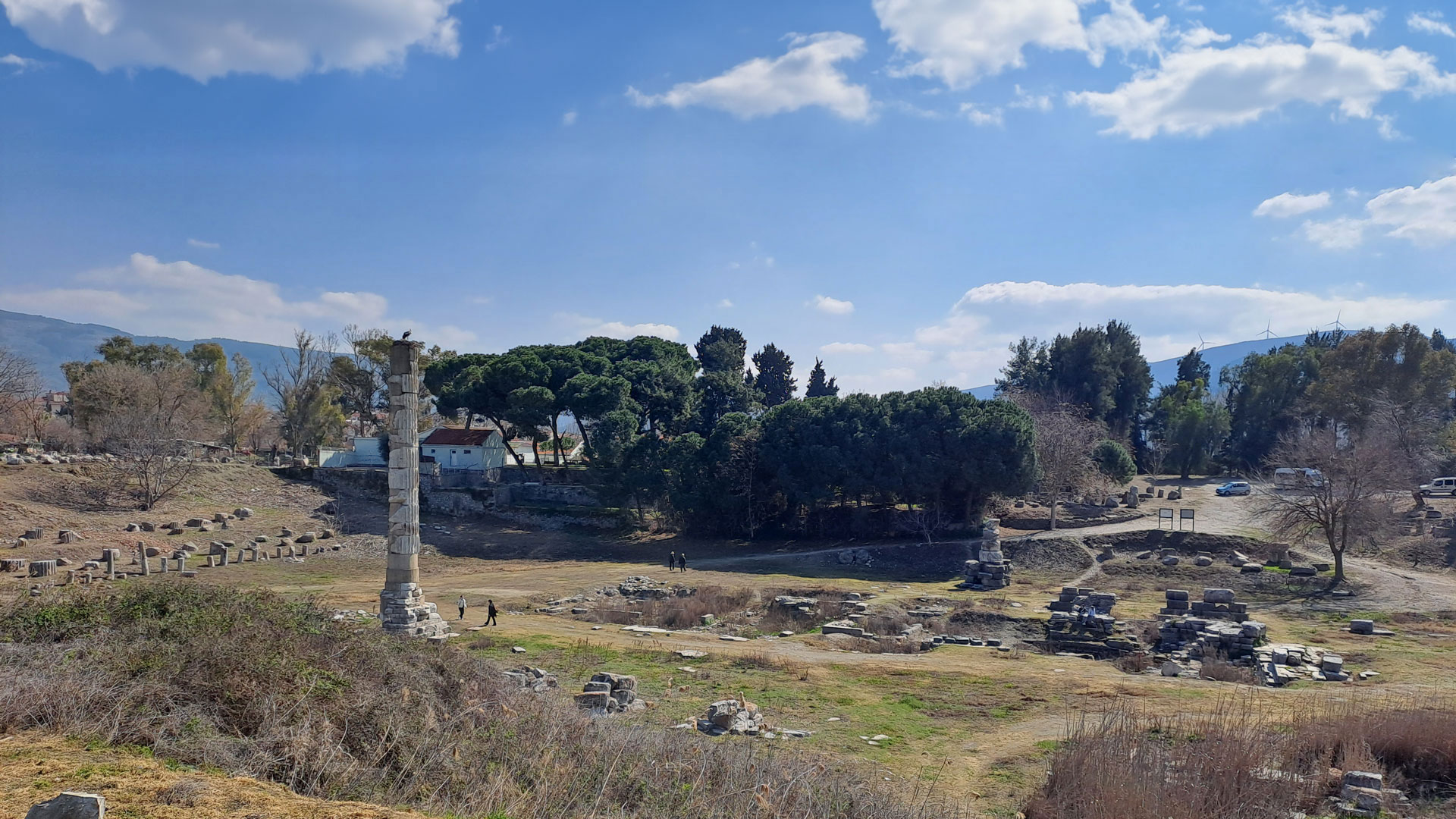
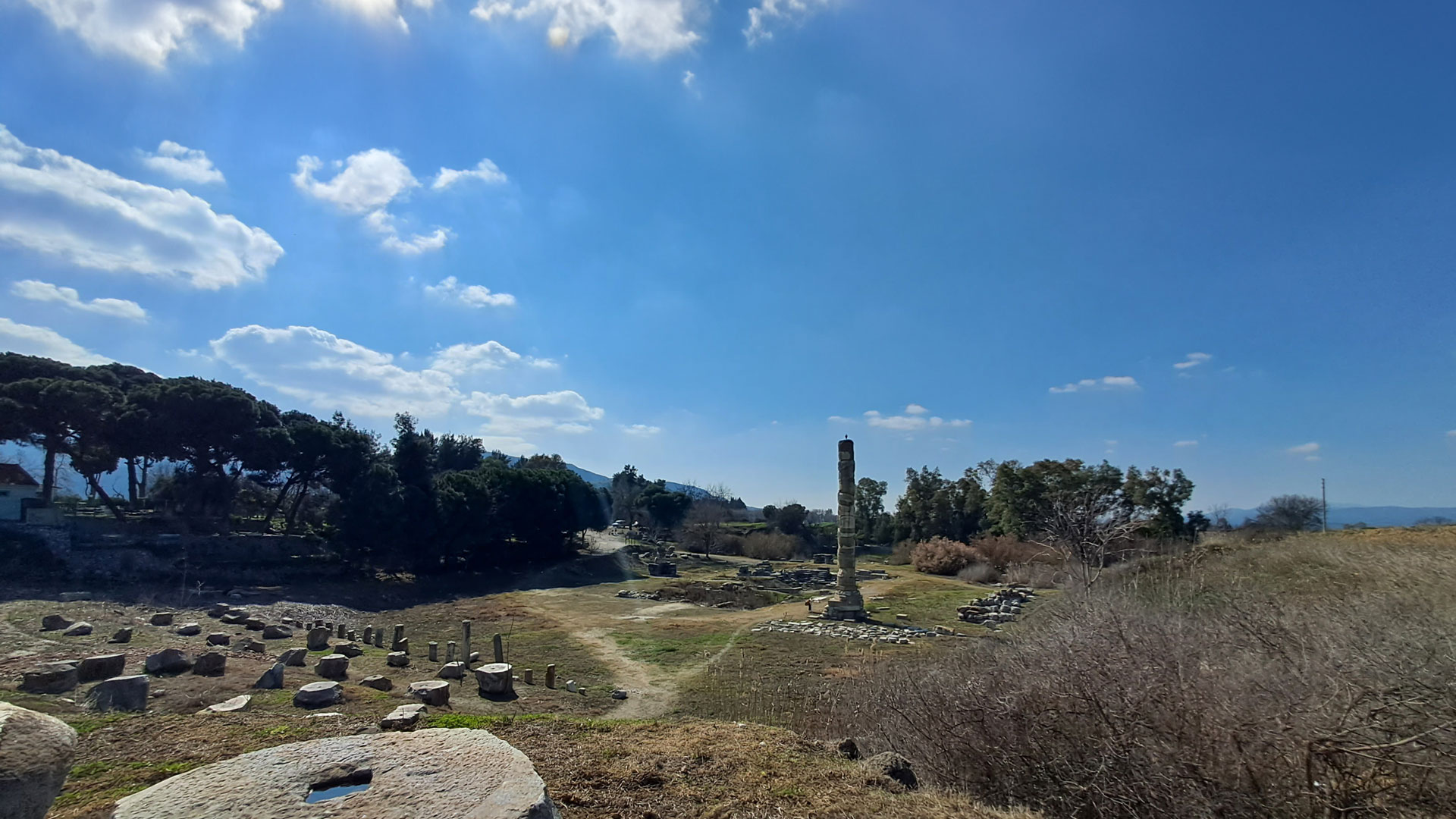
Efes tam anlamıyla görev yapan bir limanın kontrolüne sahipti. Tüm tarihsel dönemlerde Ege Denizi ile Orta Anadolu arasındaki ulaştırmada ve ticarette her zaman önemli bir rol oynamıştır. En büyük limanlardan birine sahip olarak, en başından itibaren Anadolu ile Akdeniz dünyası arasında ekonomik bir platform ve kültürel bir kesişim noktasıydı.
Ephesus had control over a fully functional port. Throughout history, it played an important role in transportation and trade between the Aegean Sea and Central Anatolia. With one of the largest ports, it served as an economic platform and a cultural crossroads between Anatolia and the Mediterranean world from the very beginning.
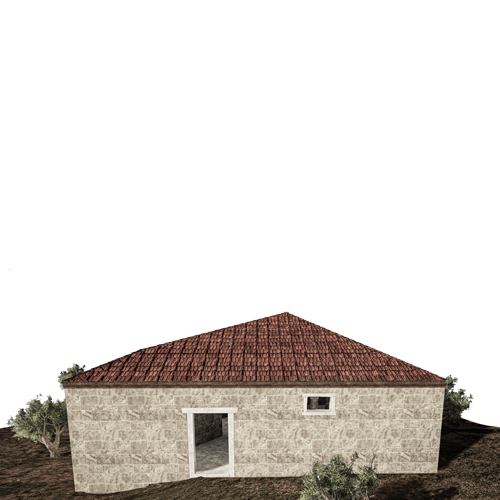
MS 2. yüzyılda havza, 3. yüzyıldan daha erken olmayan bir tarihte daraltılan geniş bir kanal yoluyla denize bağlıydı. Kanalın her iki yanında MS 3. ila 5. yüzyıl tarih aralığına sahip mezar evleri bulunuyordu. Kanal ve Efes’in yakın çevresindeki Kaystros (Küçük Menderes) nehri boyunca ilâve liman havzaları için birkaç lokasyon mevcuttur. Bu yapılar; dış limanlar, rıhtım duvarları ve diğer tesisler olarak hizmet etmiştir.
In the 2nd century AD, the basin was connected to the sea through a narrow canal that dates back to no earlier than the 3rd century. On both sides of the canal, there were burial houses dating from the 3rd to the 5th century AD. There are several locations along the canal and the Kaystros (Küçük Menderes) River, which runs through the vicinity of Ephesus, for additional port basins. These structures served as outer harbors, quay walls, and other facilities.
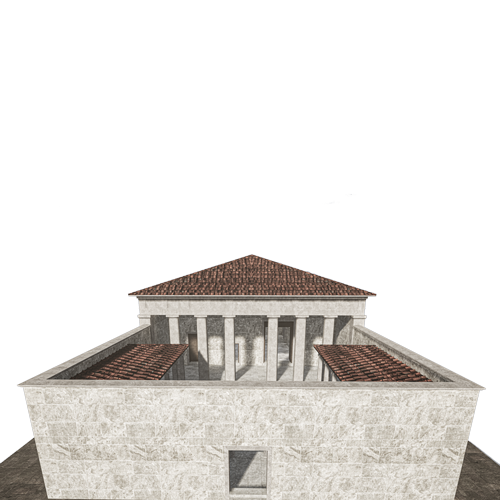
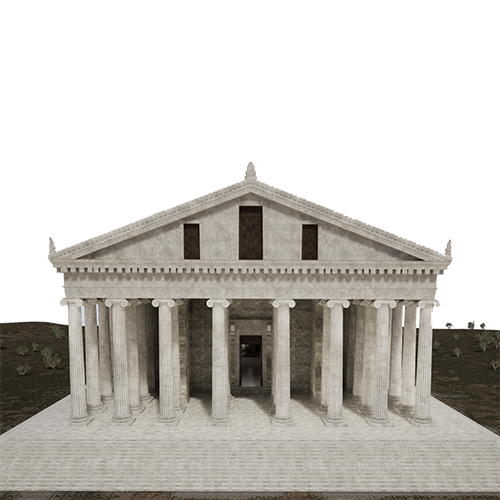
Yapay bir liman havzası, her iki yanında mezarlardan oluşan bir caddenin yer aldığı bir giriş kanalı, bir deniz feneri ve birkaç başka dış liman ve bitişik nekropolden oluşmasıyla liman peyzajı, dünyada eşsiz olup Antik dünyada öne çıkar.
The port landscape is unique in the world and stands out in the ancient world, consisting of an artificial port basin, an entrance canal with a street lined with tombs on both sides, a lighthouse, and several other outer ports and adjacent necropolises.
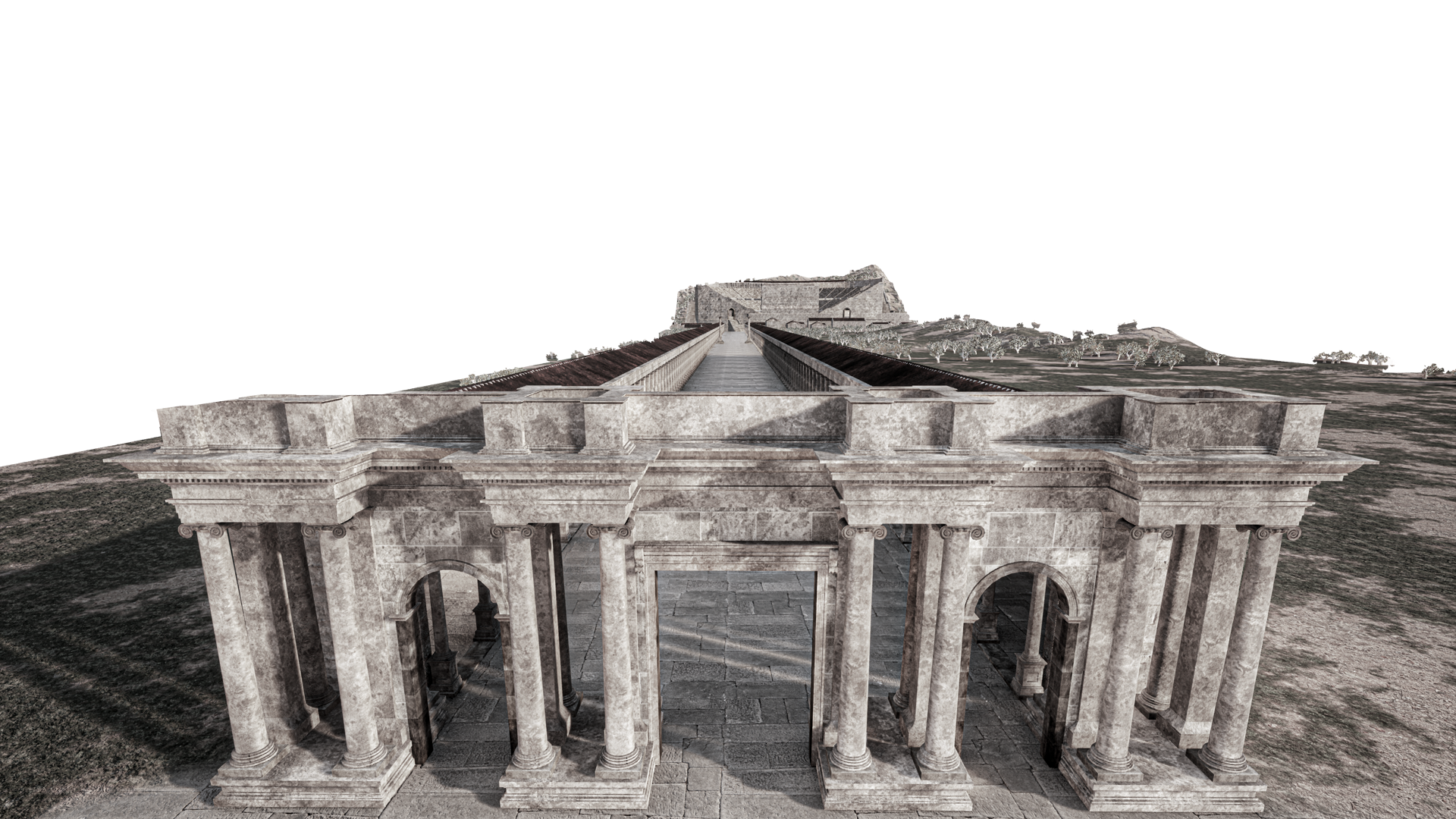
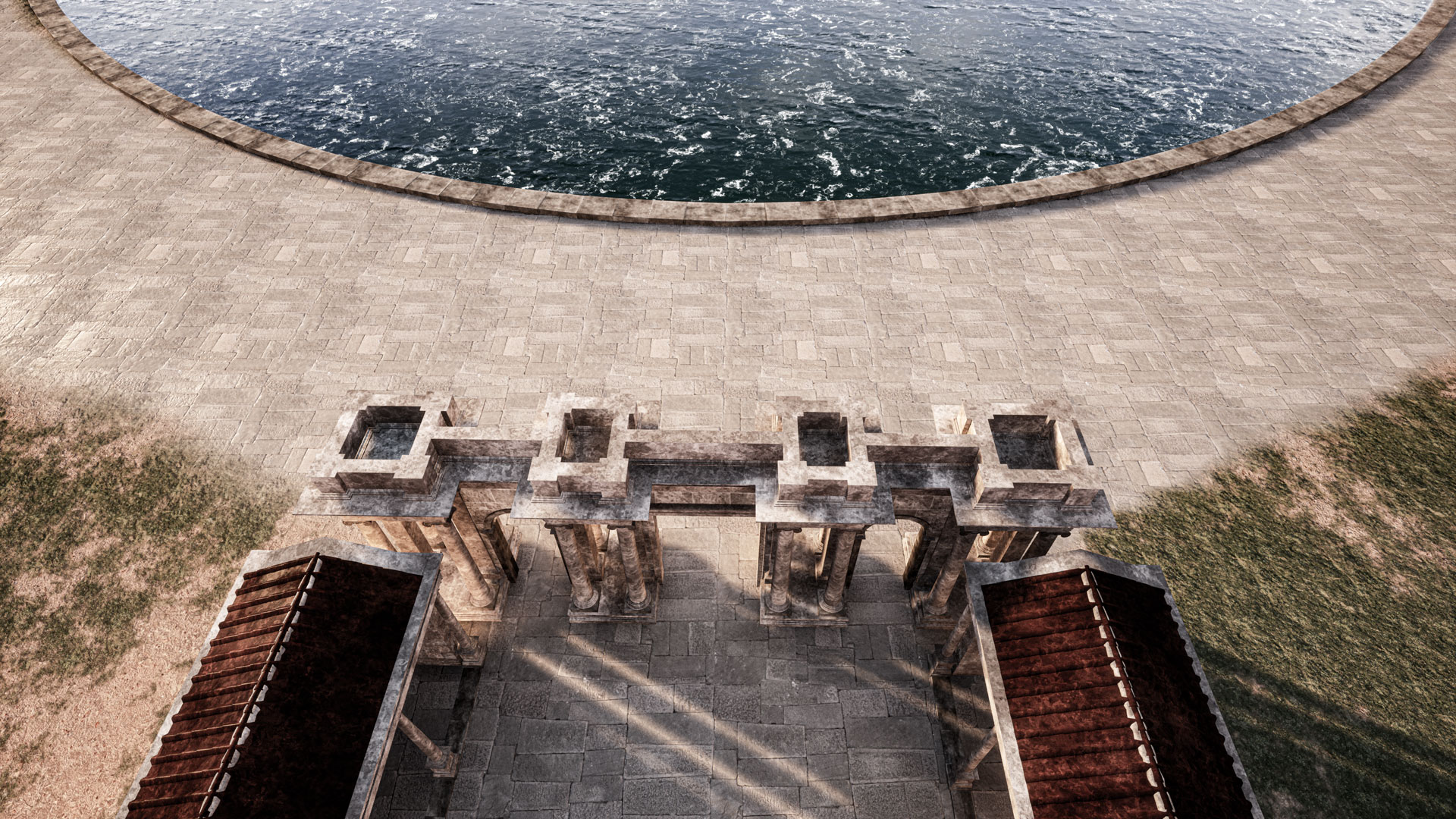
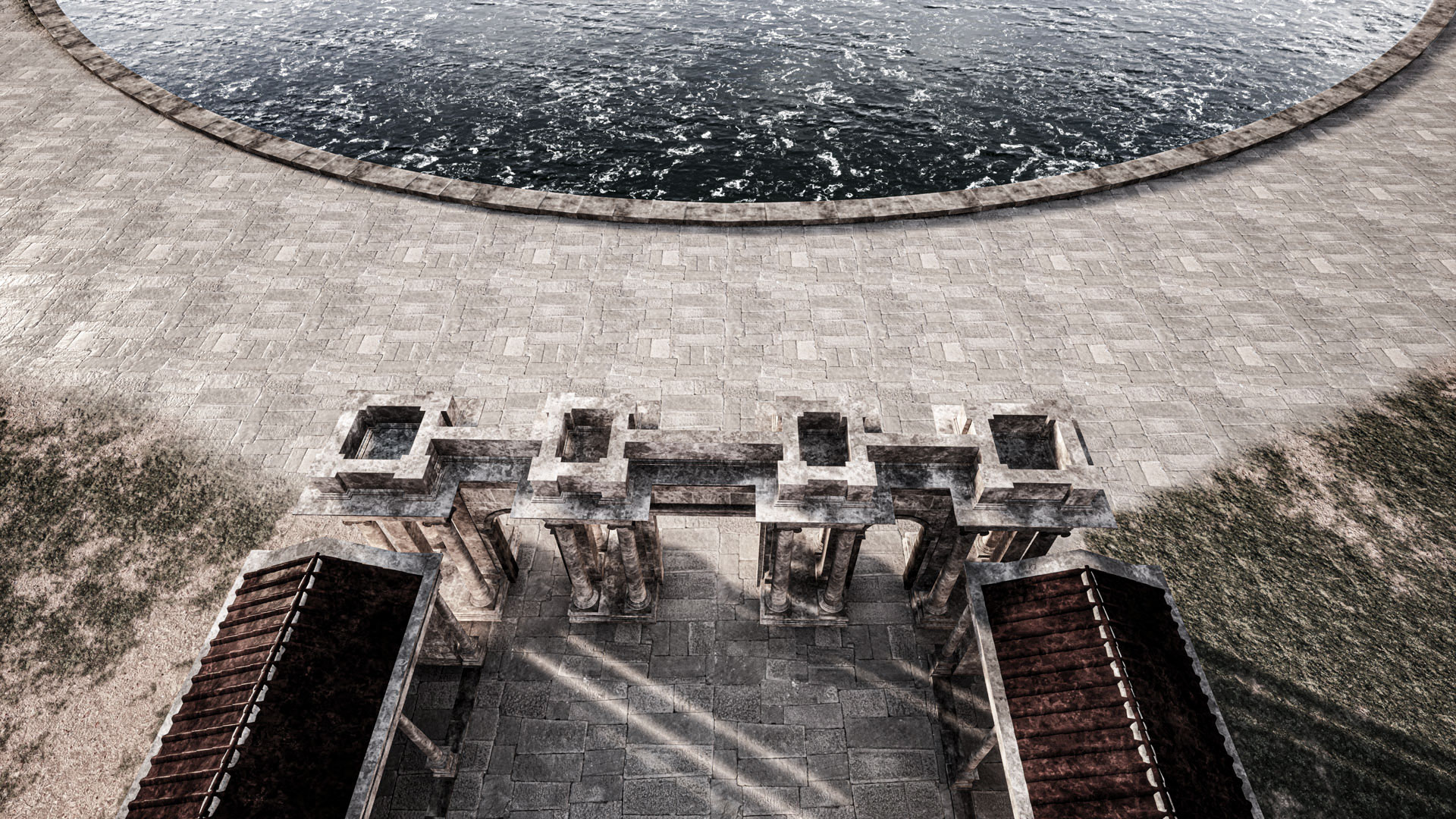
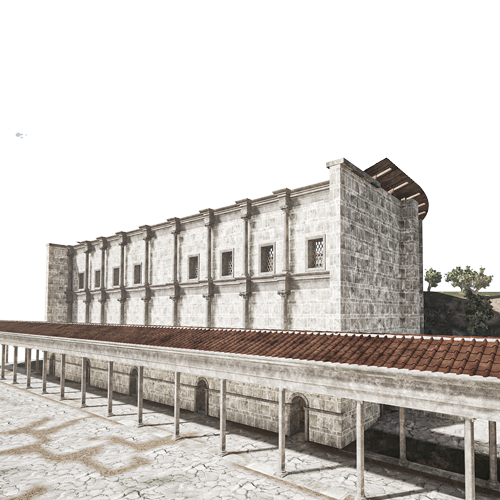
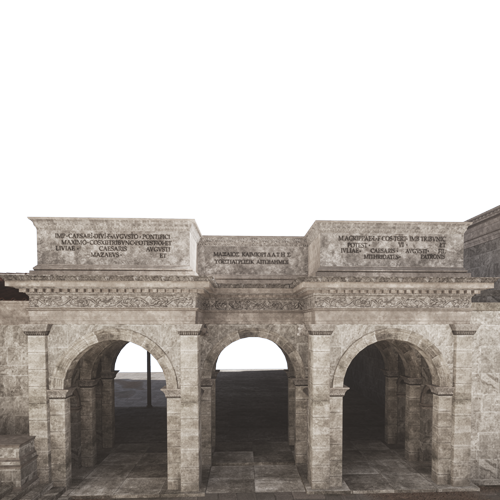
Kentten altıgen liman havzasına açılan üç kapı, bir mendirek duvarı ve bitişik gemi havuzlarına, gemi hangarlarına ve antrepolara sahip temsilî bir sütunlu cadde ile çevrilidir.
Three gates open from the city to the hexagonal port basin, surrounded by a representative colonnaded street with a quay wall and adjacent ship pools, ship hangars, and warehouses.
Pergamum kralı Attalos II MÖ 2. yüzyılda yapay bir liman havzası yaptırttı. Roma İmparatorluğu döneminde burası genişletildi, güçlendirildi ve bir kanal yoluyla açık denize bağlandı. İlerleyen sedimantasyon, Efeslileri kanalı sürekli olarak genişletmeye, dış limanlar yaratmaya ve rıhtımlar ile mendirekler inşa etmeye zorladı. Antrepolar, kiliseler, gömüt anıtları ve deniz fenerleri karşılaştırmaları olmayan ve böylece gerçekten eşsiz olarak betimlenebilecek eşsiz bir liman peyzajı tablosunu tamamlar.
King Attalus II of Pergamon commissioned an artificial port basin in the 2nd century BC. During the Roman Empire period, it was expanded, strengthened, and connected to the open sea through a canal. Ongoing sedimentation forced the Ephesians to constantly widen the canal, create outer harbors, and construct quays and breakwaters. Warehouses, churches, funerary monuments, and lighthouses complete an unparalleled port landscape that can truly be described as unique.
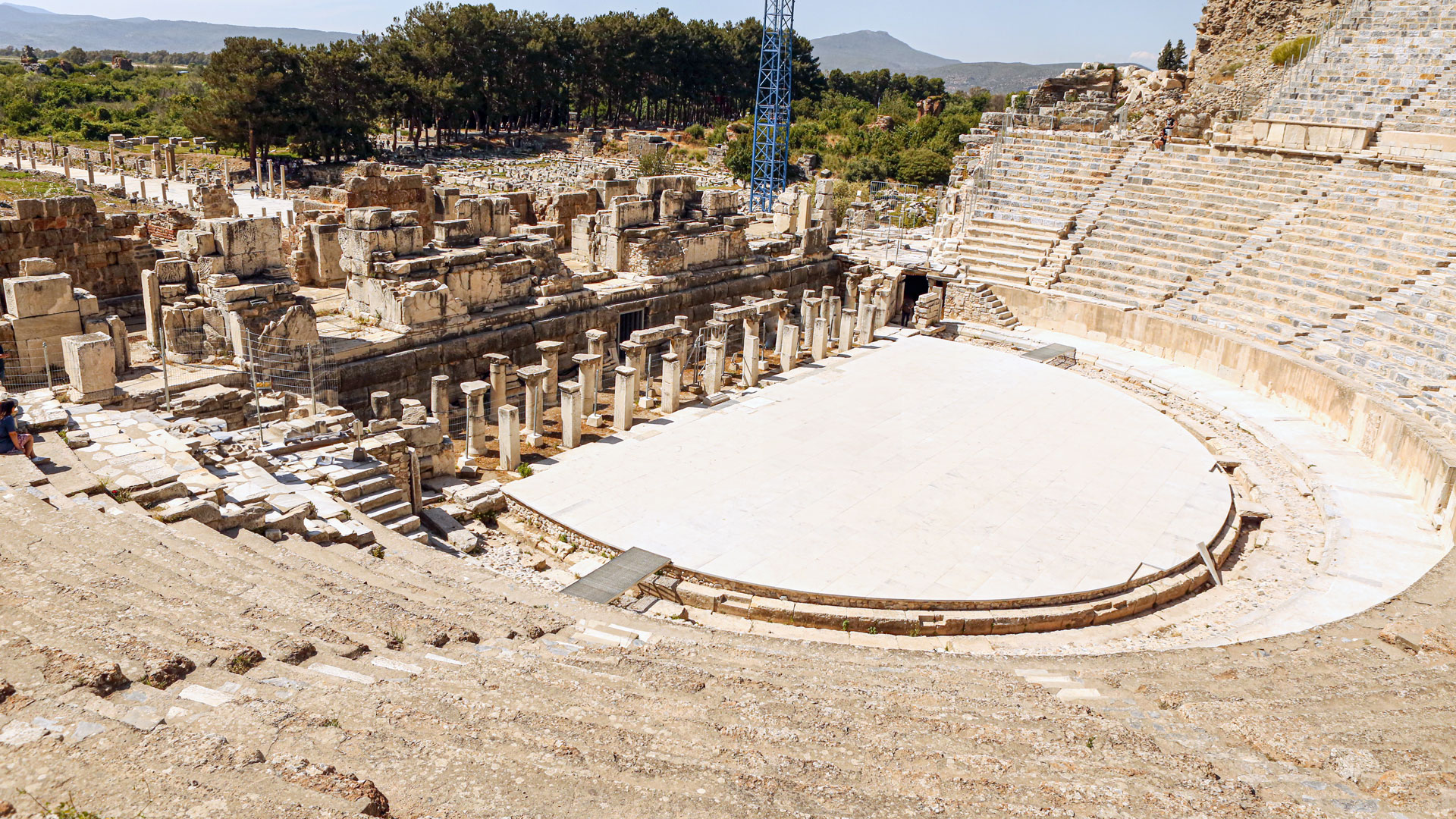
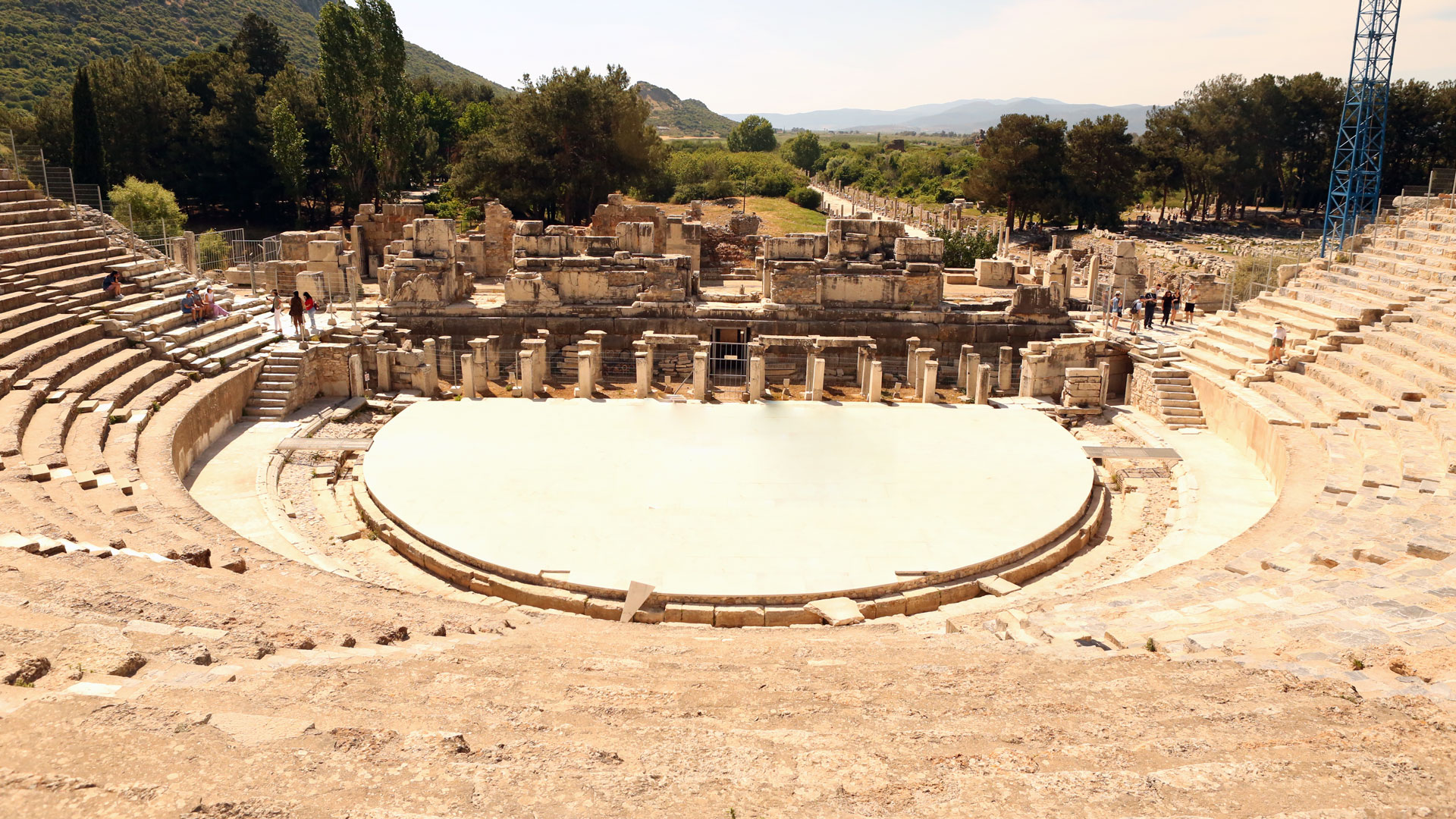
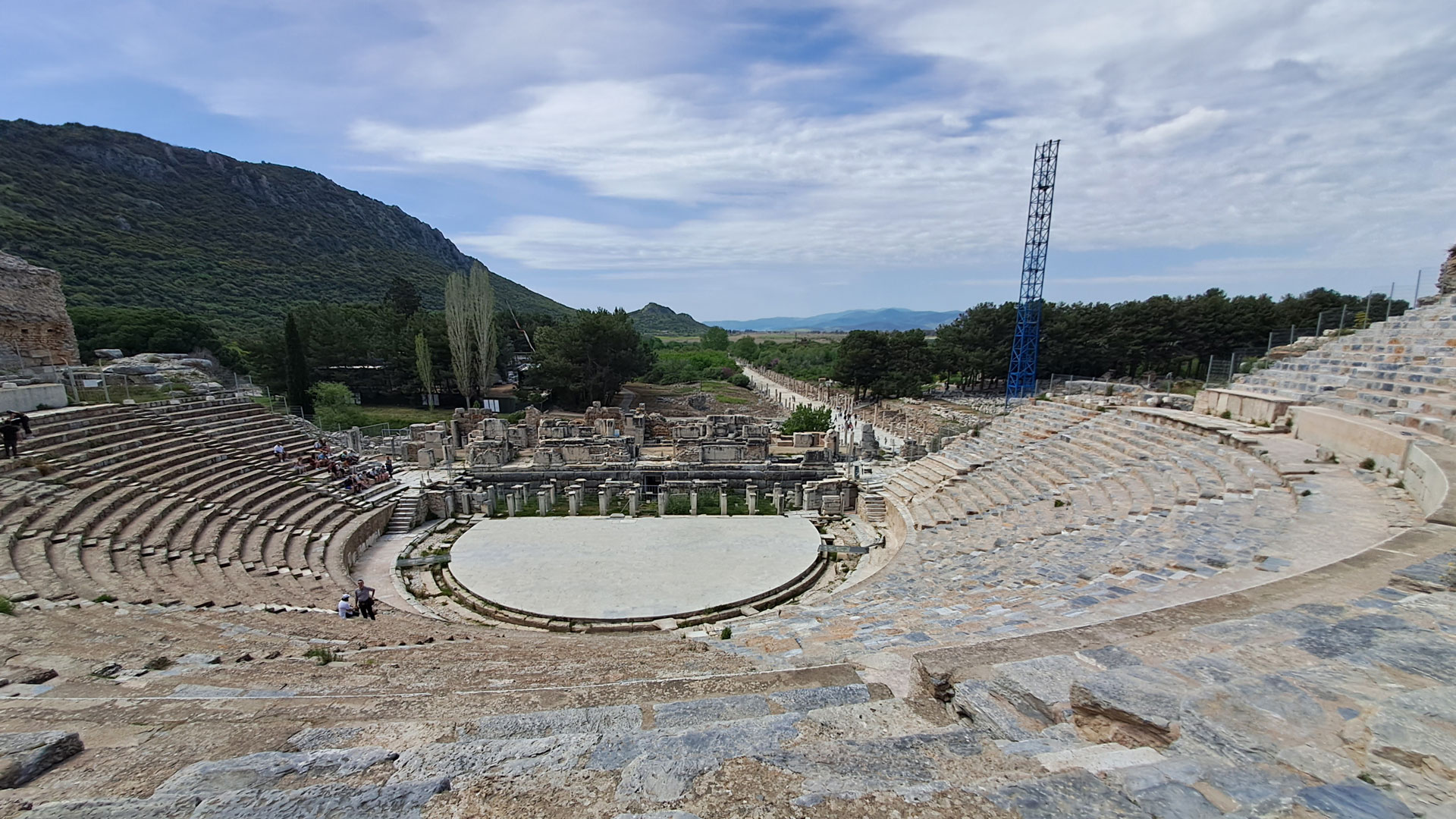
Liman Caddesi
Port Street
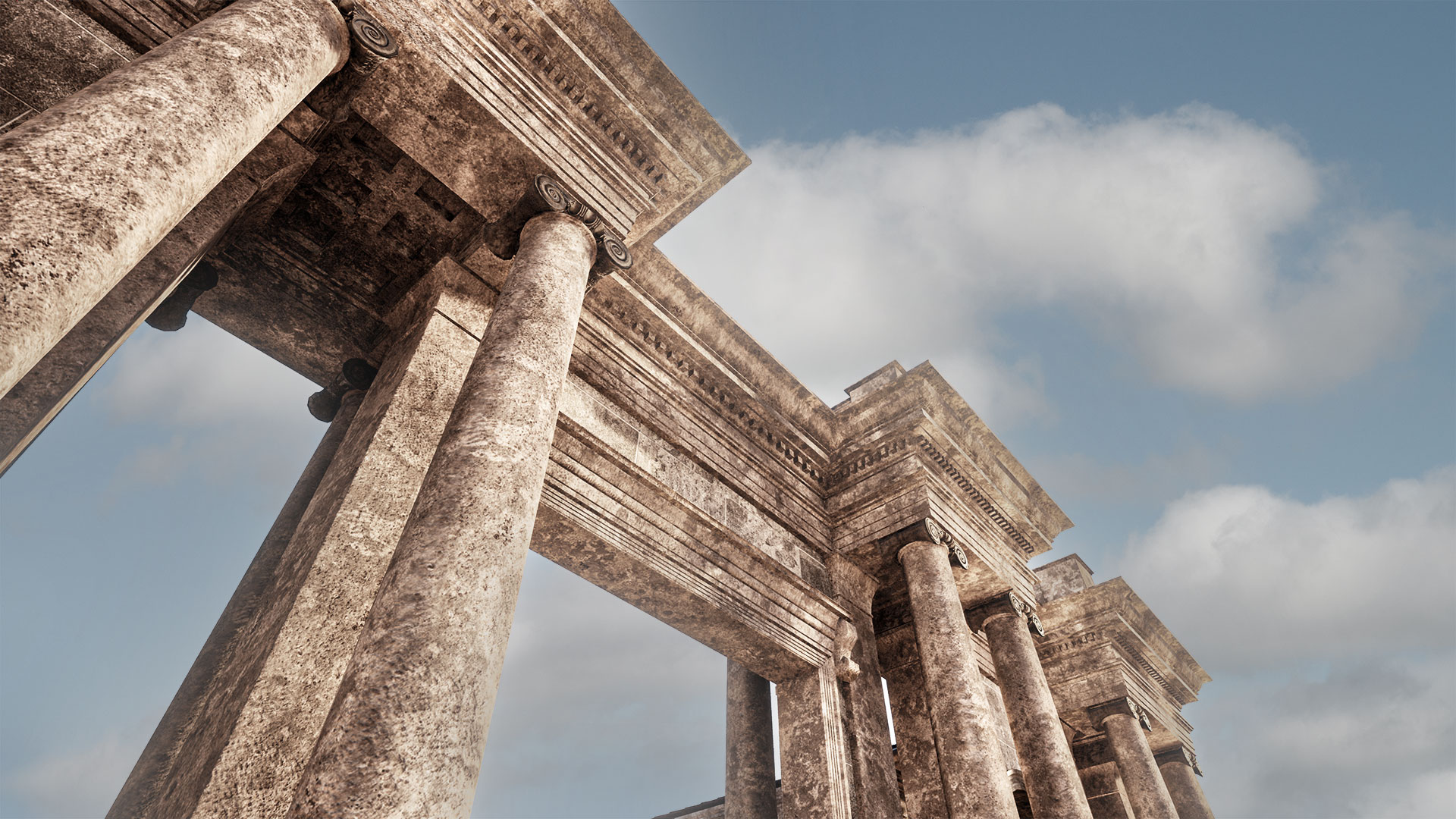
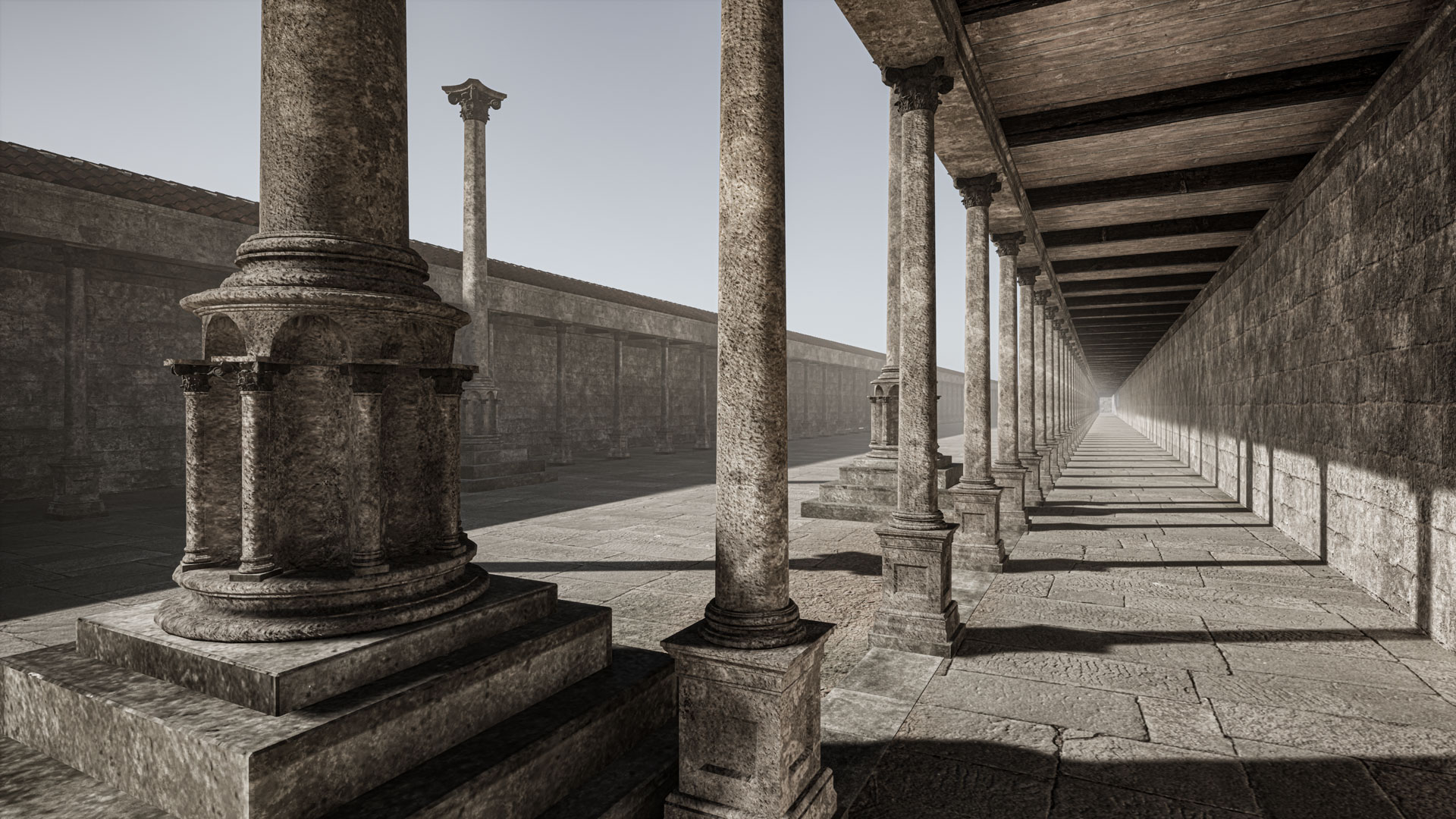
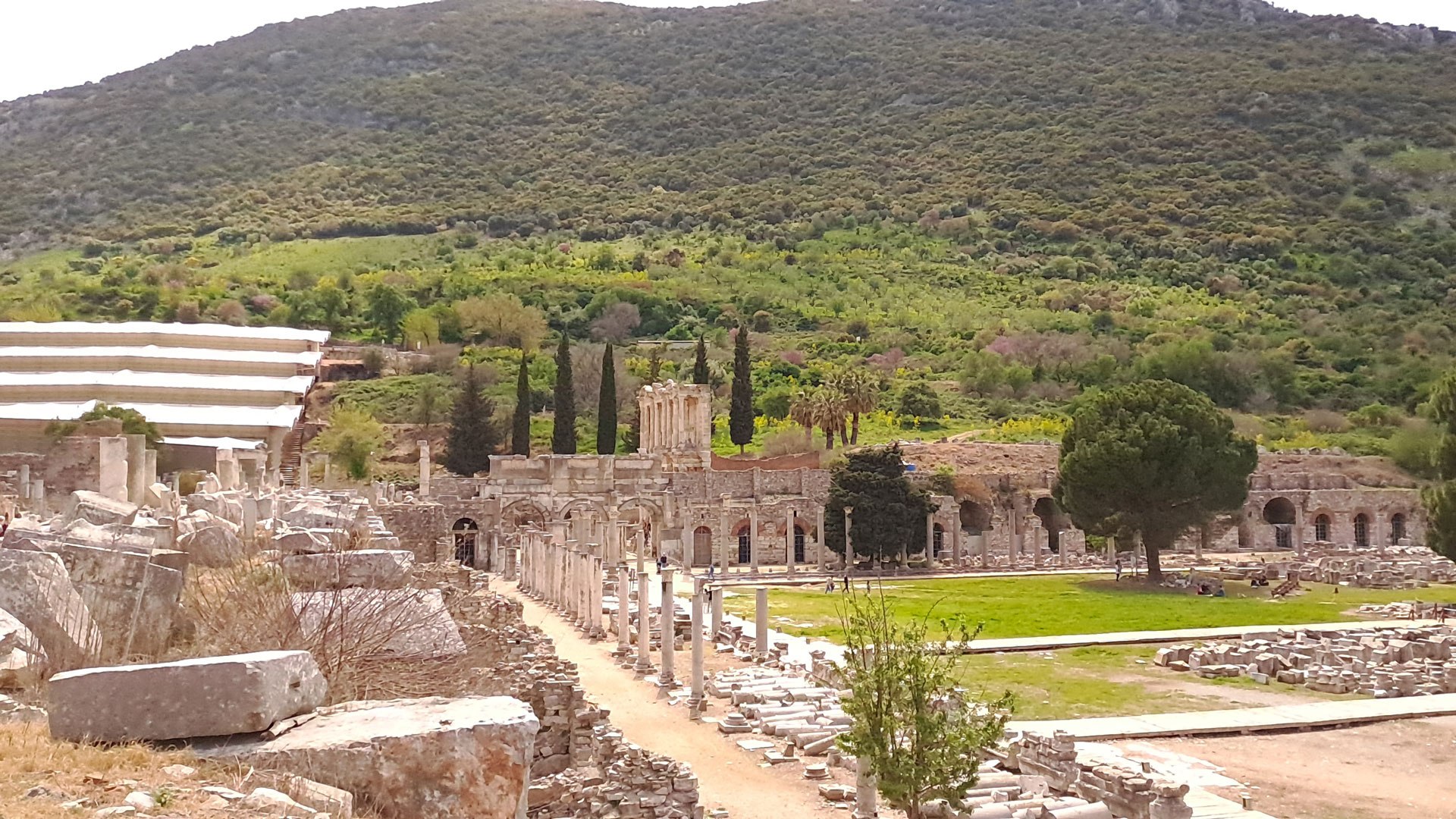
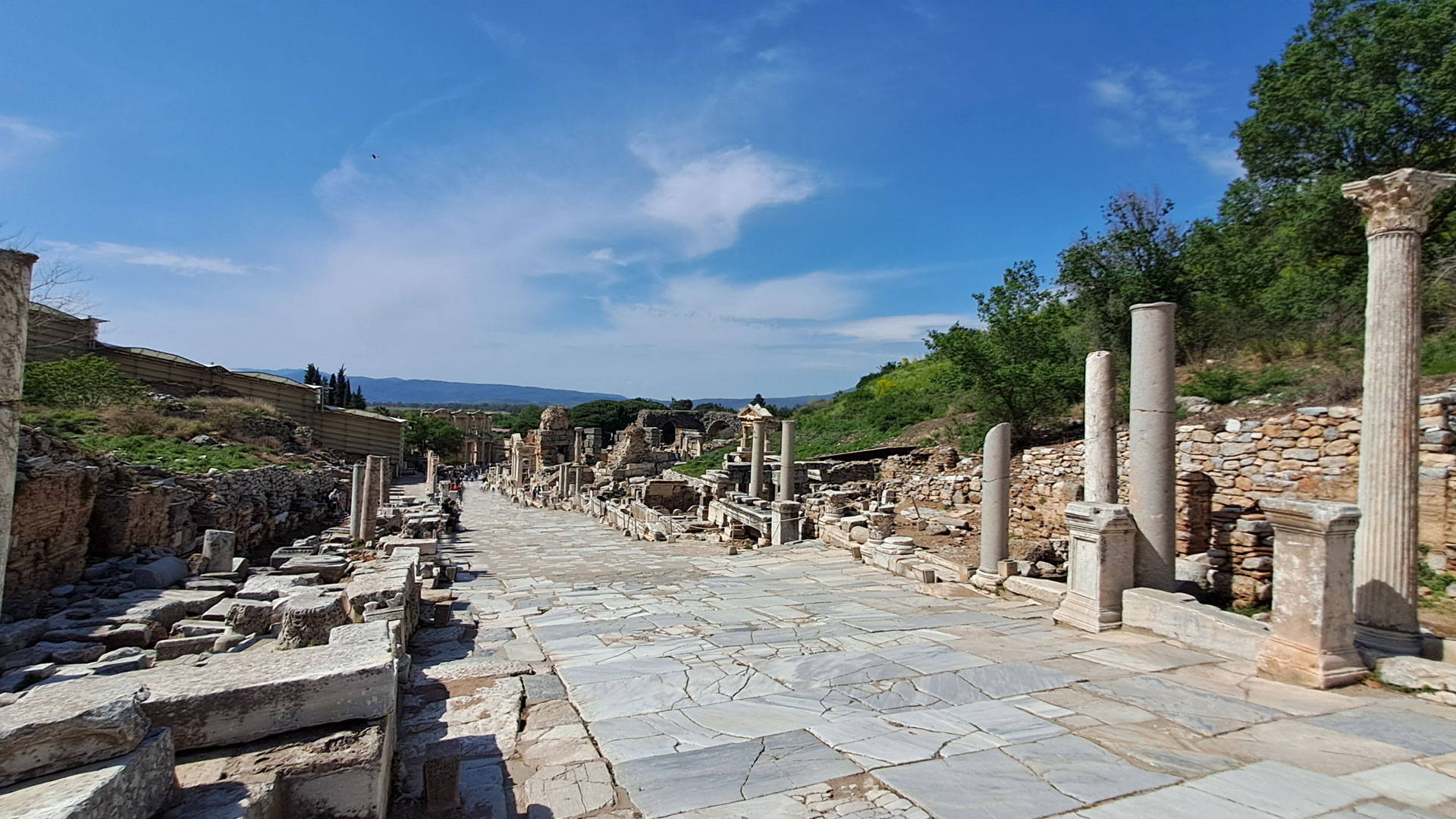
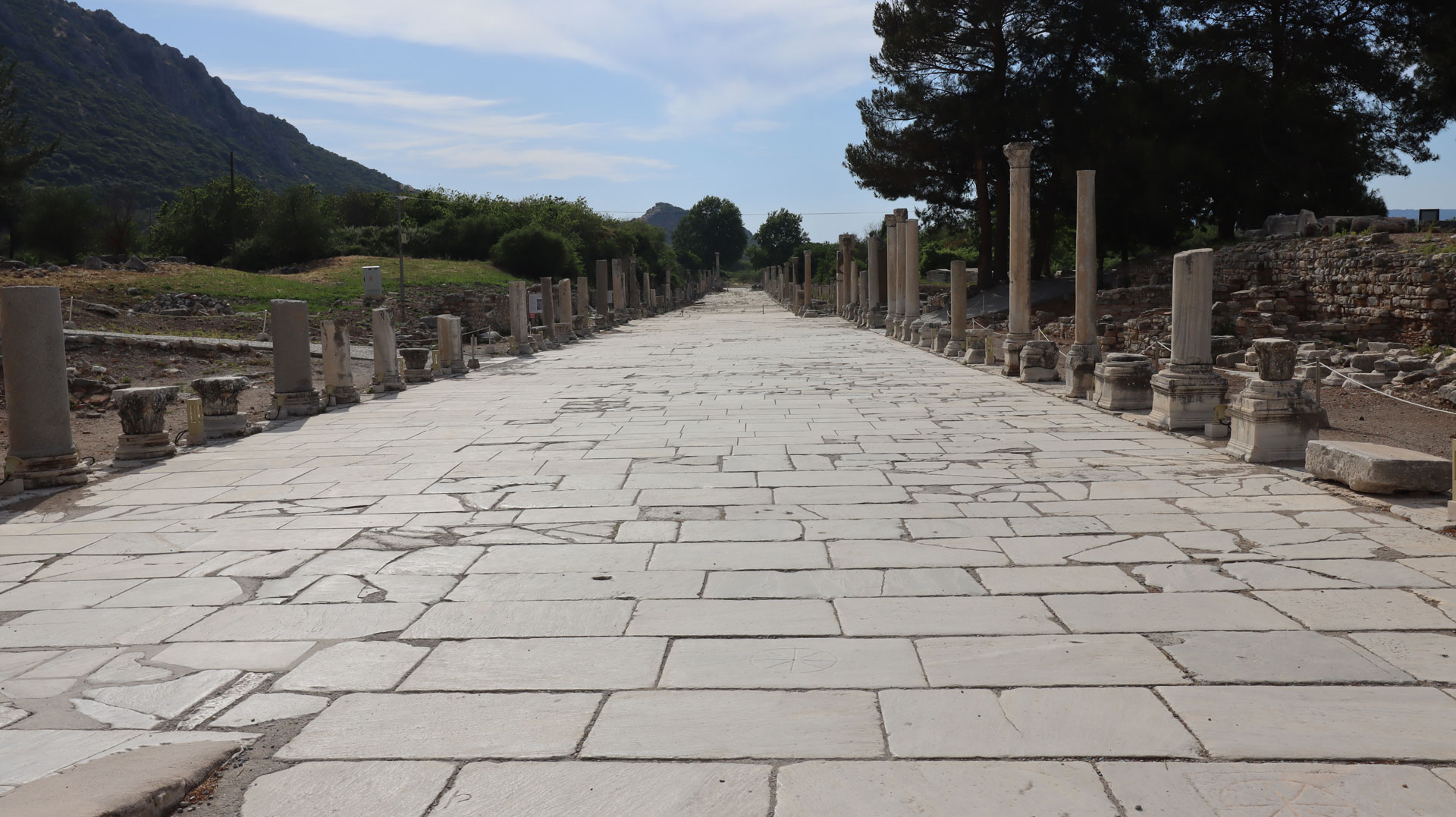
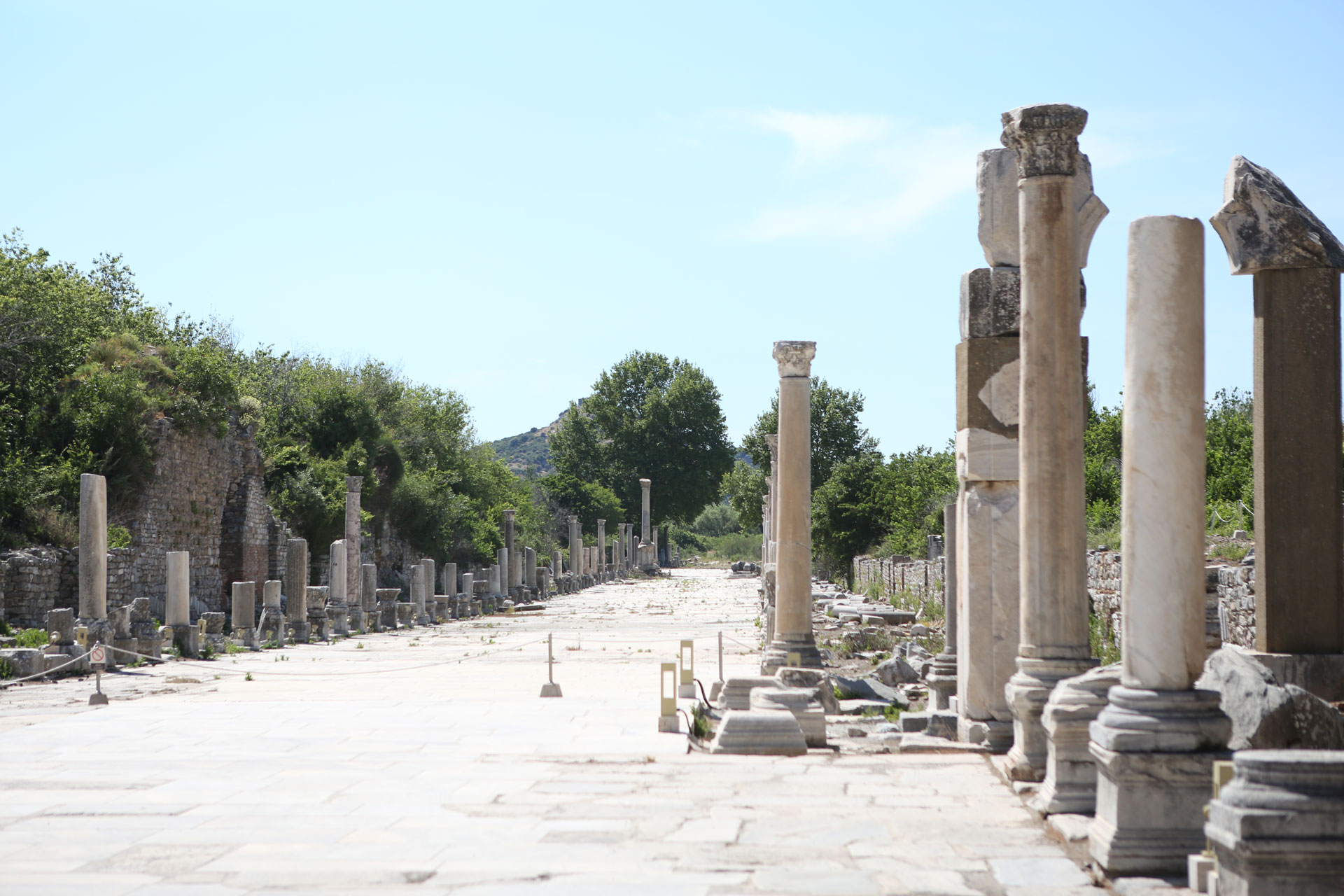
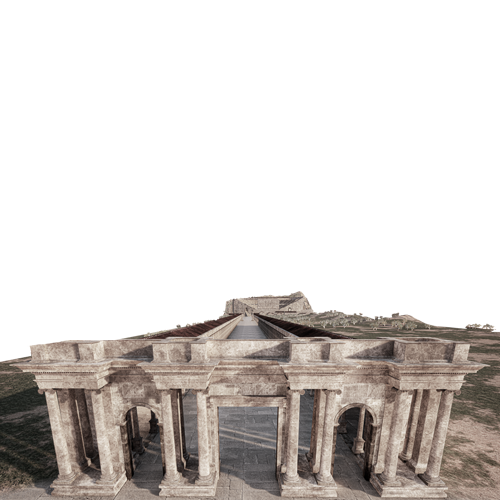
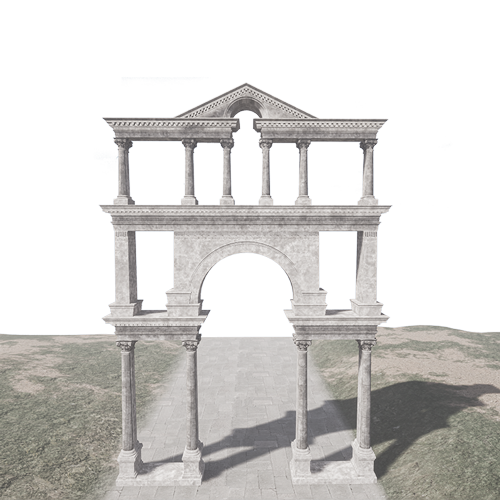
Lysimakhos zamanında, Efes Limanı'nı kente bağlayan yolun yapıldığı bilinmektedir. IV. yüzyılda depremde zarar gören cadde imparator Arkadius (MS 395-408) zamanında onarılmış ve bu nedenle Arkadius Caddesi (Arkadiane) olarak anılmıştır. 500 metre uzunluğunda, 1 1 metre genişliğinde olan liman yolunun her iki yanı sundurmalarla (stoalarla) çevriliydi. Stoaların halkı sıcaktan ve yağmurdan koruması için yapıldığı bilinmektedir. MS 5. yüzyılda caddeye dört sütunlu bir anıt dikilmiştir. Korint düzeninde olan bu sütunlar üzerinde incil yazarlarının bronz heykellerinin bulunduğu bilinmektedir. MS 6. yüzyılda caddeye, sütunlarla birlikte devam eden meşaleler konduğu, böylece aydınlatıldığı düşünülmektedir.
It is known that during the time of Lysimachus, the road connecting the Ephesus Port to the city was constructed. The street, which was damaged in an earthquake in the 4th century, was repaired during the reign of Emperor Arcadius (395-408 AD) and therefore became known as Arcadius Street (Arkadiane). The port road was 500 meters long and 11 meters wide, with porticoes (stoas) on both sides. It is known that the porticoes were built to protect people from heat and rain. In the 5th century AD, a four-columned monument was erected on the street. It is known that these columns were in the Corinthian order and featured bronze statues of the evangelists. In the 6th century AD, it is believed that torches were placed along the street, continuing with the columns, to provide illumination.