Sayfa:  
Page:  
/
1
/
1
Selçuk - Efes 3B İnteraktif Modeller
Selçuk - Efes 3D Interactive Models
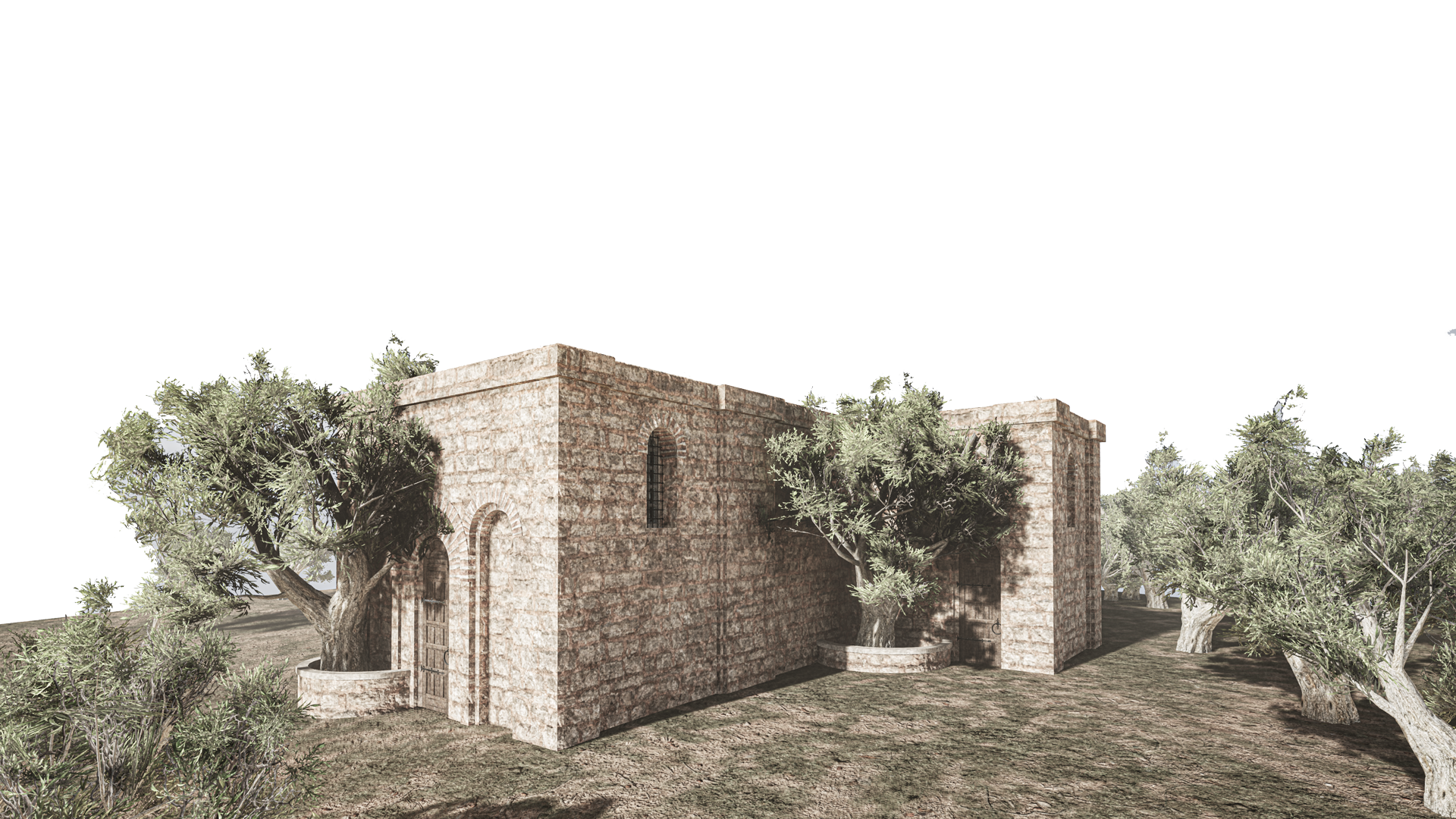
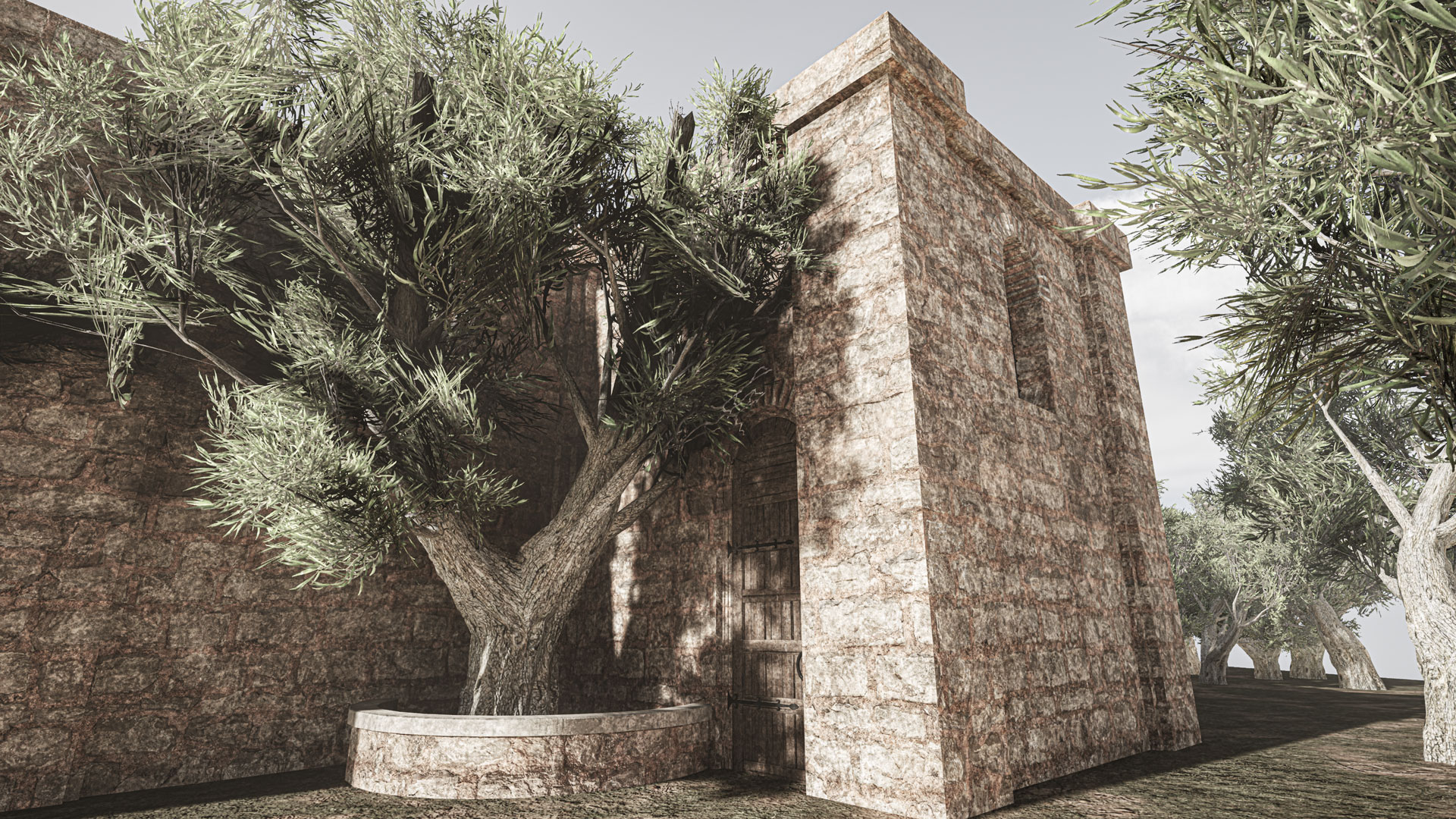
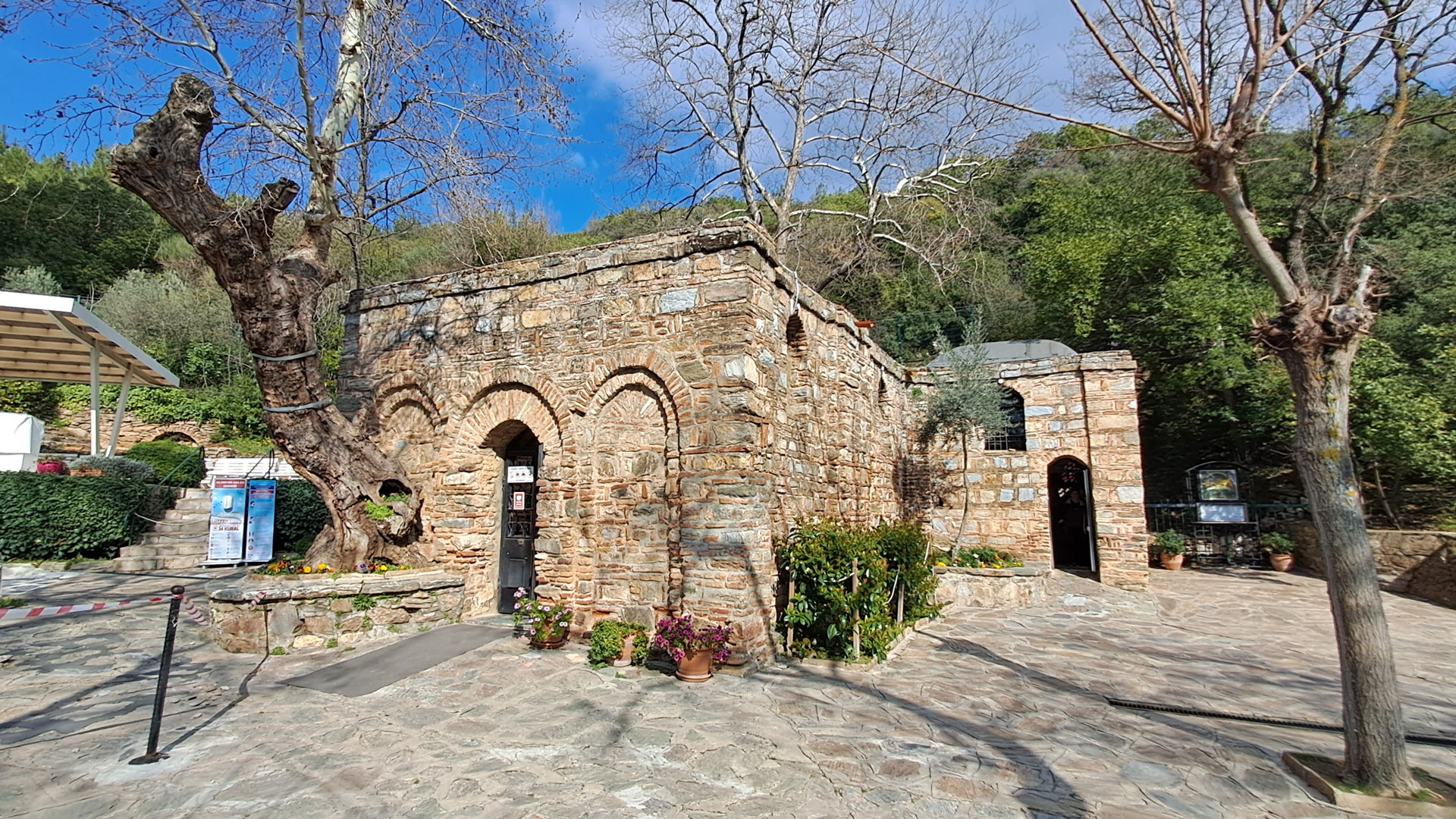
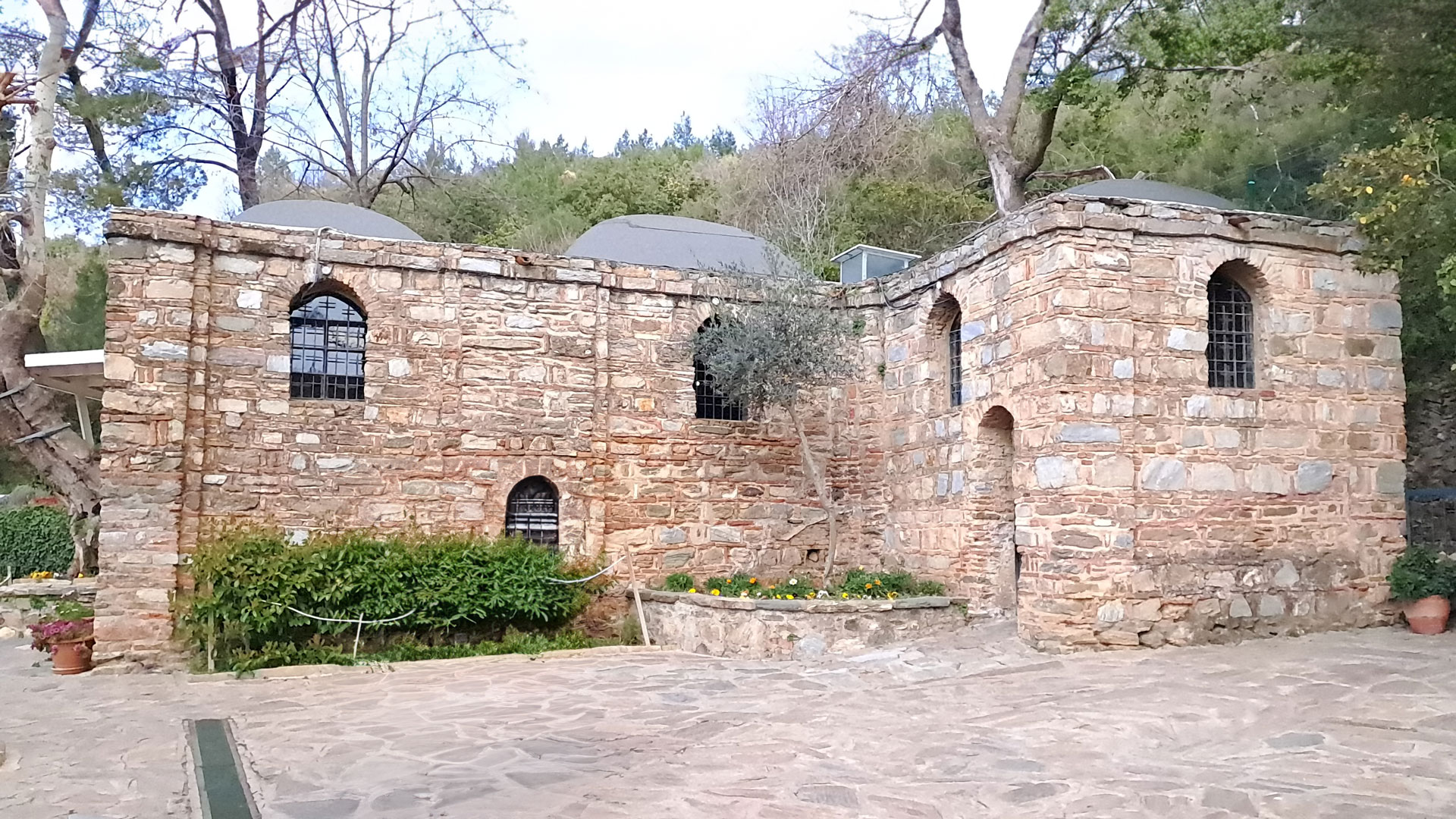
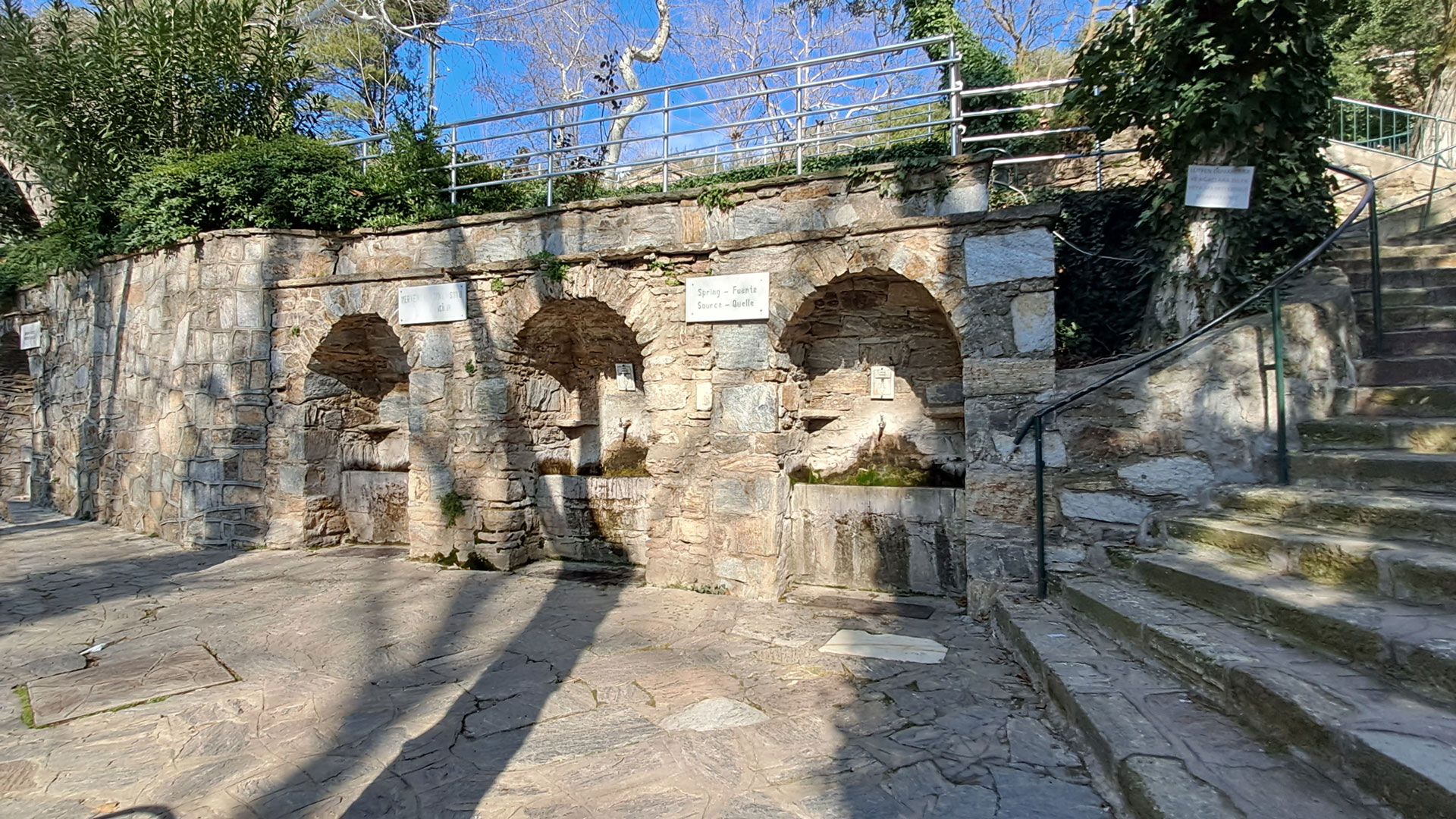
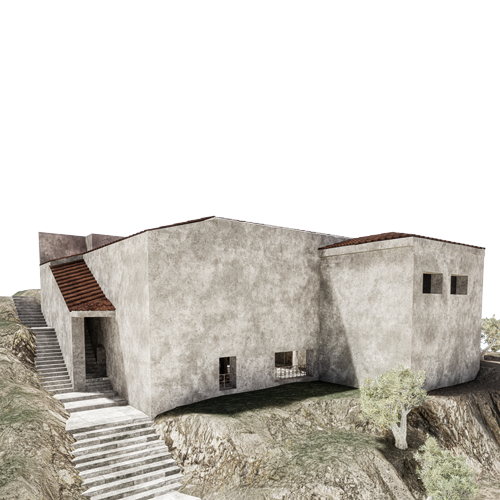
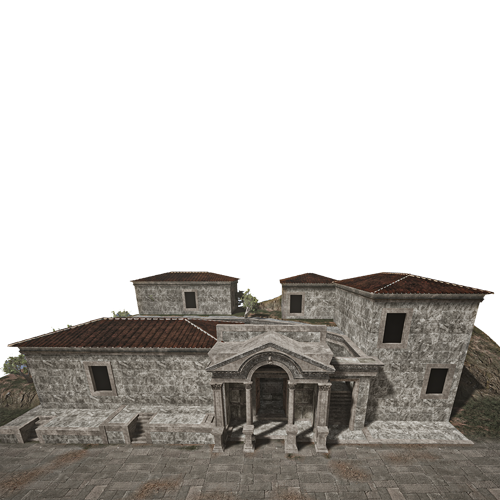
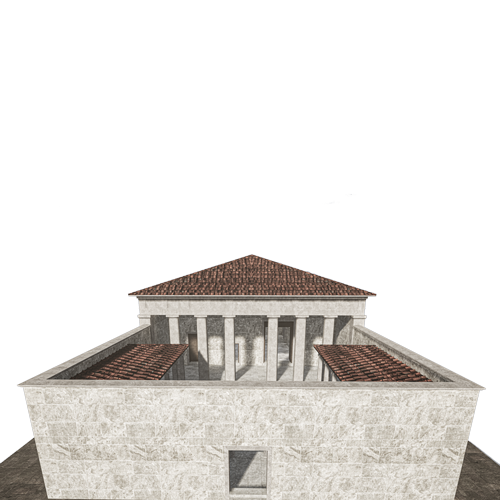
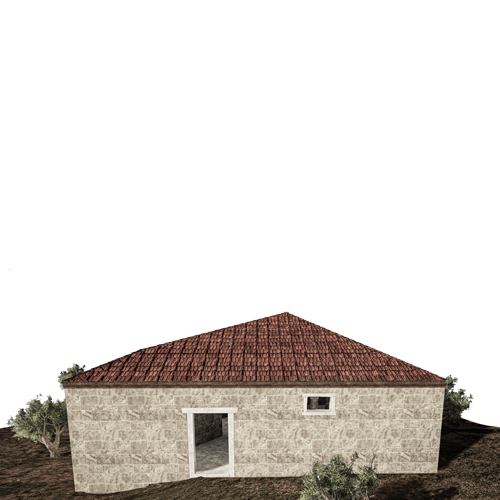
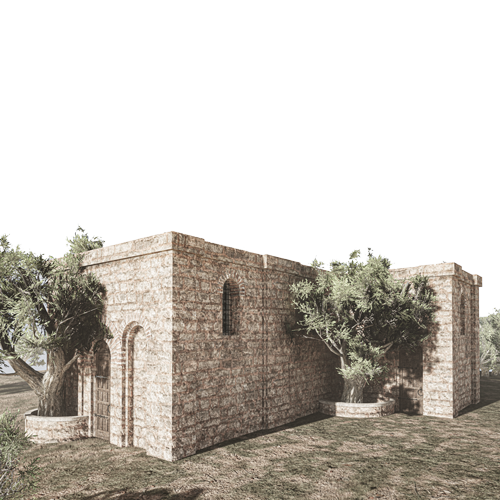
Meryem Ana Evi, binlerce hacı adayı ve farklı dinlerden ve uluslardan gelen insanlar tarafından ziyaret edilen mütevazi bir yapıdır. Meryem Ana'nın bronz heykeli, şapelin girişinde sergilenmektedir. Yapı, restorasyonlar geçirmiş olsa da hala büyük bir dini ve tarihi öneme sahiptir.
Five buildingThe House of the Virgin Mary is a humble structure visited by thousands of pilgrims and people from different religions and nations. A bronze statue of the Virgin Mary is displayed at the entrance of the chapel. Although the building has undergone restorations, it still holds great religious and historical significance.
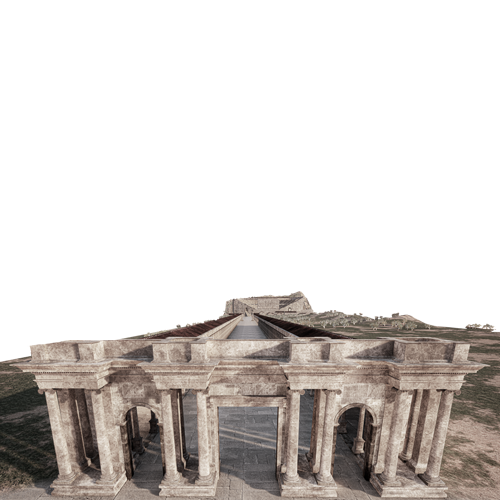
Efes ören yerindeki Magnesia Kapısı'ndan başlayan yol, güneye ilerledikten sonra Meryem Ana Evi'ne ulaşılır. Meryem Ana Evi, deniz seviyesinden 358 metre yükseklikte, Bülbül Dağı'nda, ormanlık bir alanda bulunur. Hristiyan tarihçilere göre, İsa'nın ölmeden önce Azize Meryem'i havarisi St. Jean'a emanet ettiği söylenir. St. Jean, İsa'nın çarmıha gerilmesinin ardından Meryem'i güvenli olmayan Kudüs'ten Efes'e getirir ve Bülbül Dağı eteklerindeki bir kulübeye yerleştirerek bakımını üstlenir. Azize Meryem, burada 101 yaşına kadar yaşadığına inanılır ve ölümünden sonra St. Jean tarafından kimseye bilinmeyen bir yere gömülür. Hristiyanlığın yayılmasından sonra bu yere bir kilise inşa edilir ve günümüzde ziyaret edilen Meryem Ana Evi olarak bilinir.
The road to the House of the Virgin Mary starts from the Magnesia Gate in the Ephesus archaeological site and leads south. Located at an elevation of 358 meters on Bülbül Mountain, in a wooded area, the House of the Virgin Mary is said to be the place where Mary, the mother of Jesus, was entrusted to the care of St. John, one of the apostles, before her death. After the crucifixion of Jesus, St. John is believed to have brought Mary from the unsafe city of Jerusalem to Ephesus and placed her in a hut on the slopes of Bülbül Mountain, taking care of her. It is believed that Mary lived there until the age of 101 and was then buried in an unknown location by St. John. After the spread of Christianity, a church was built on this site, which is now known as the House of the Virgin Mary and is visited by pilgrims today.

Sayfa:  
Page:  
/
1
/
1
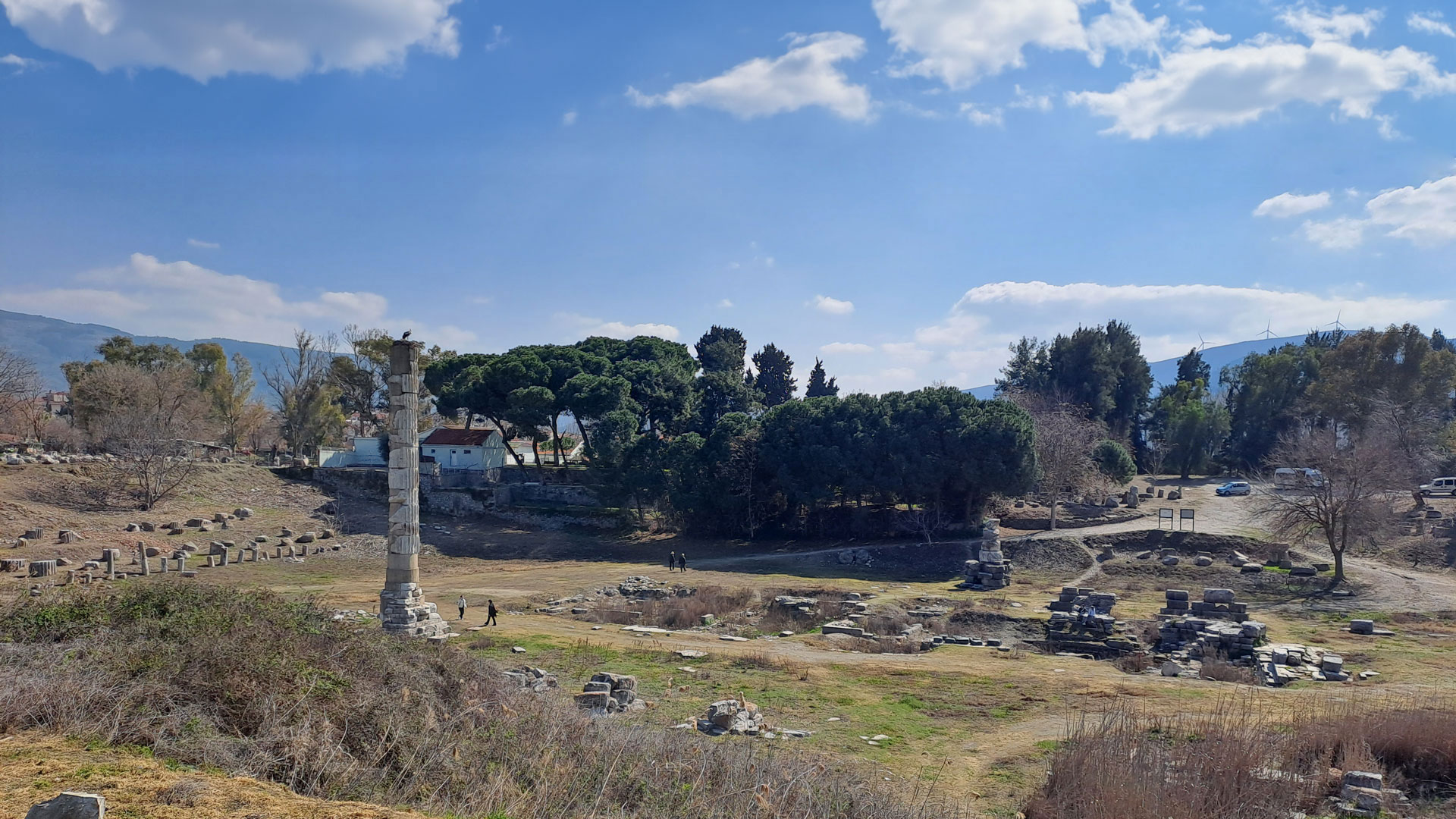
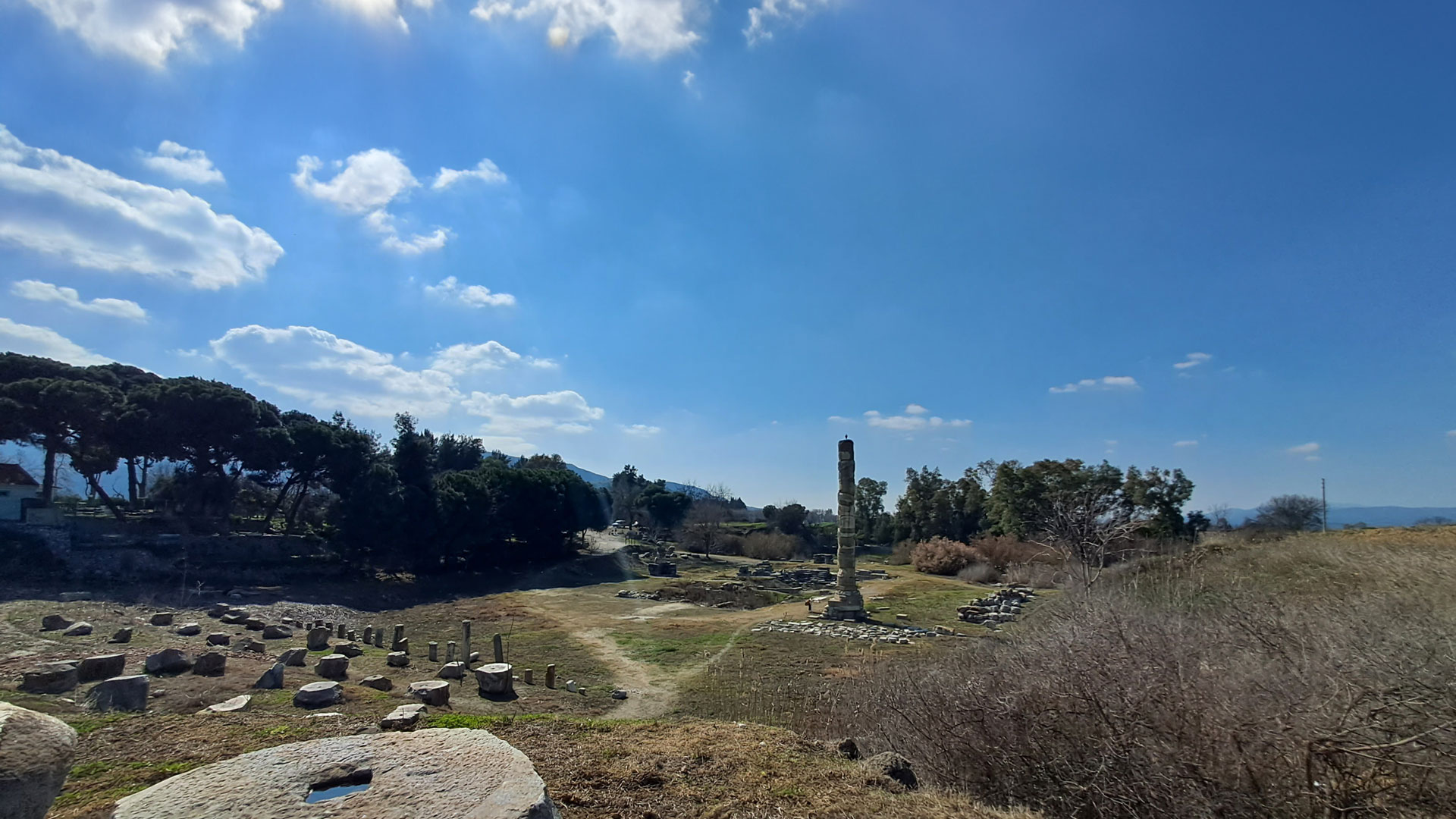
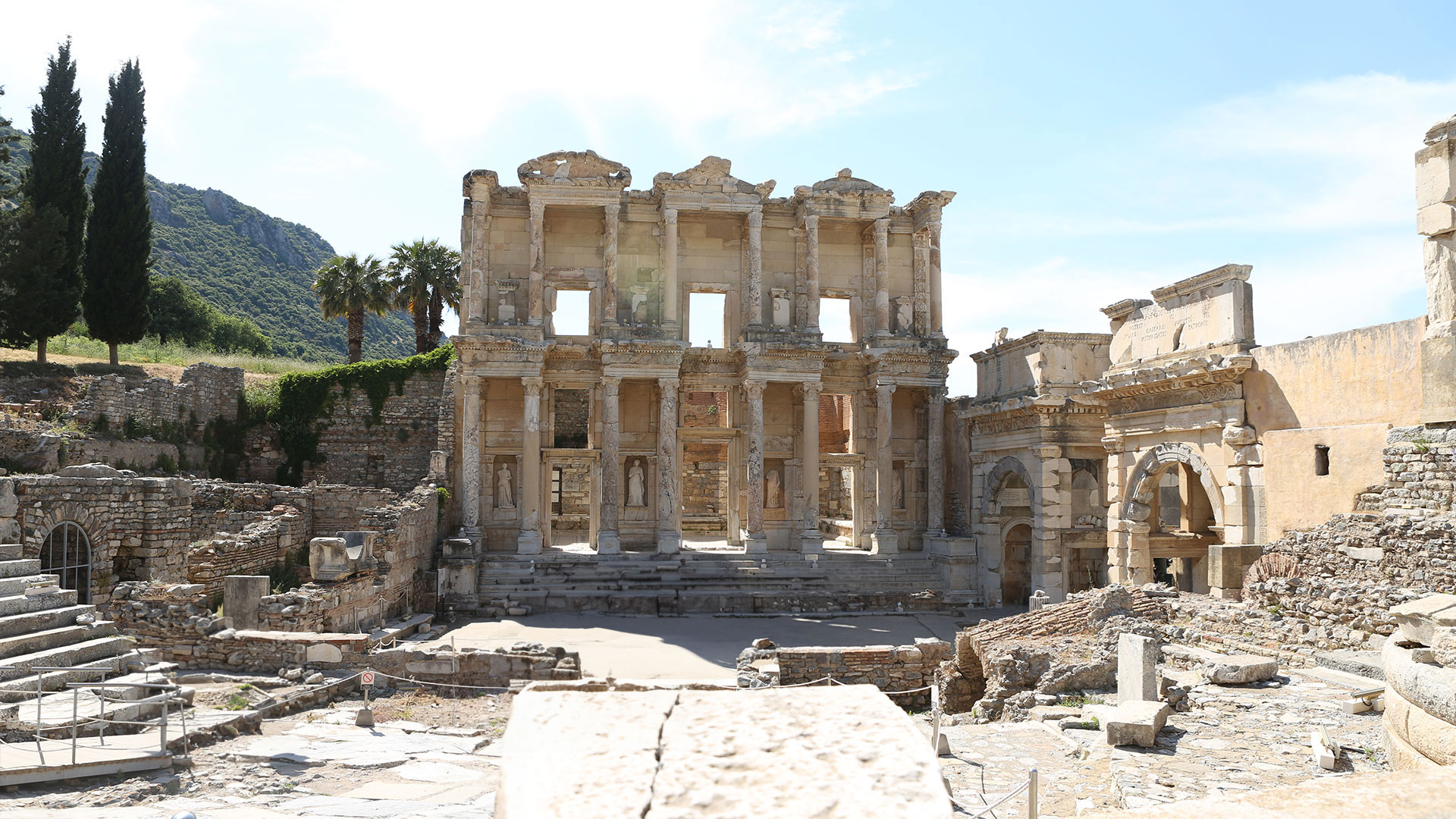
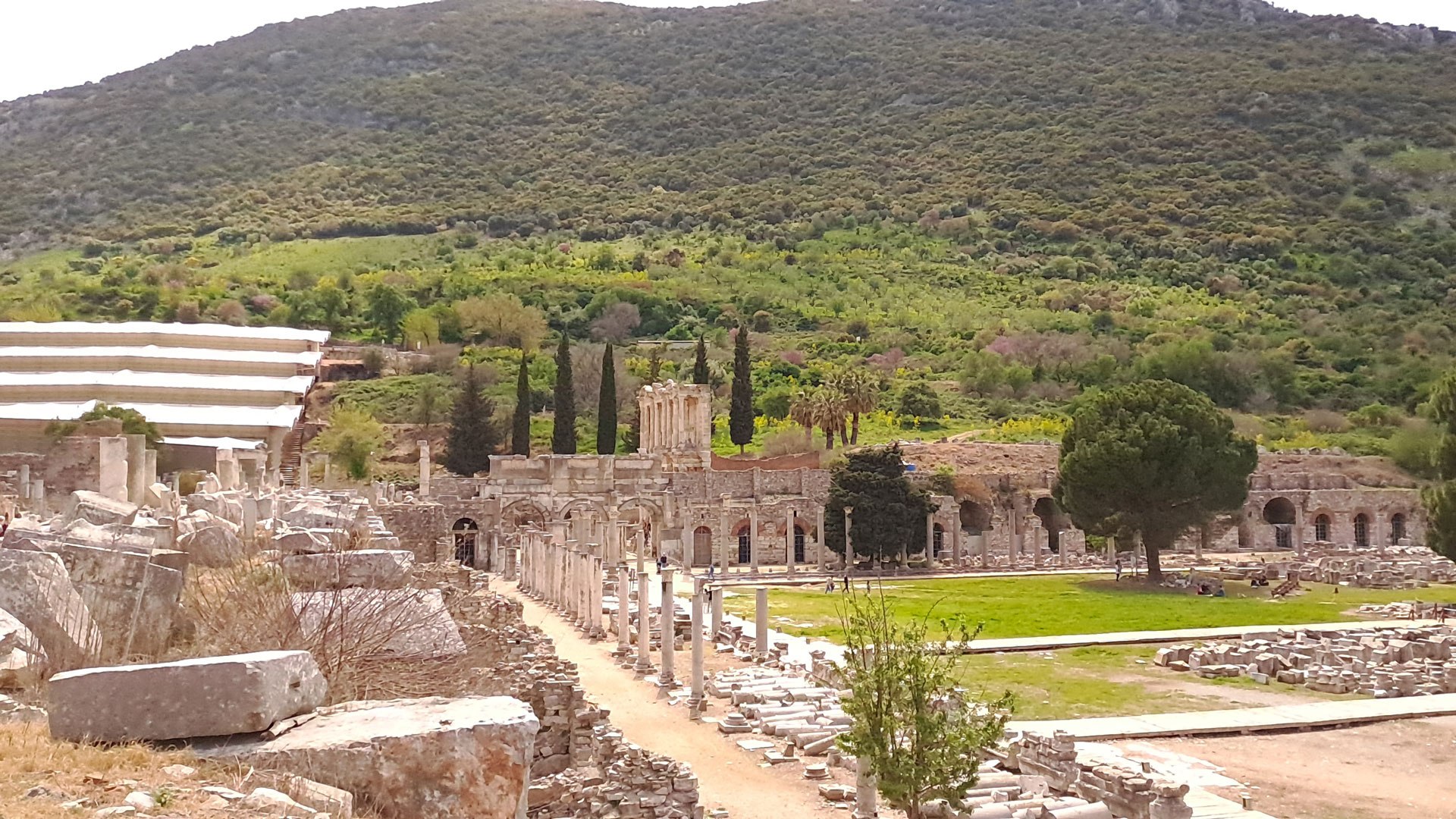
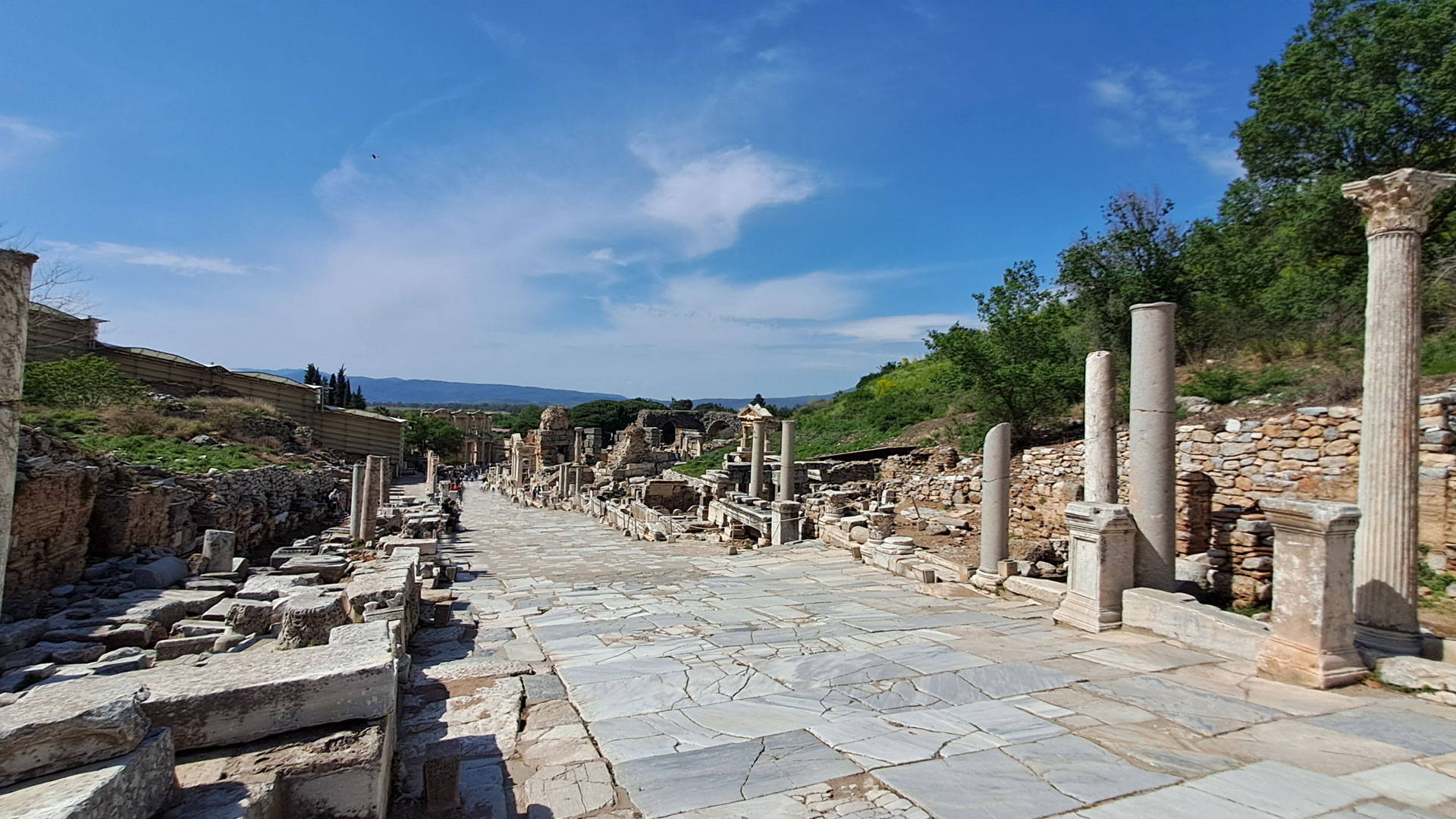
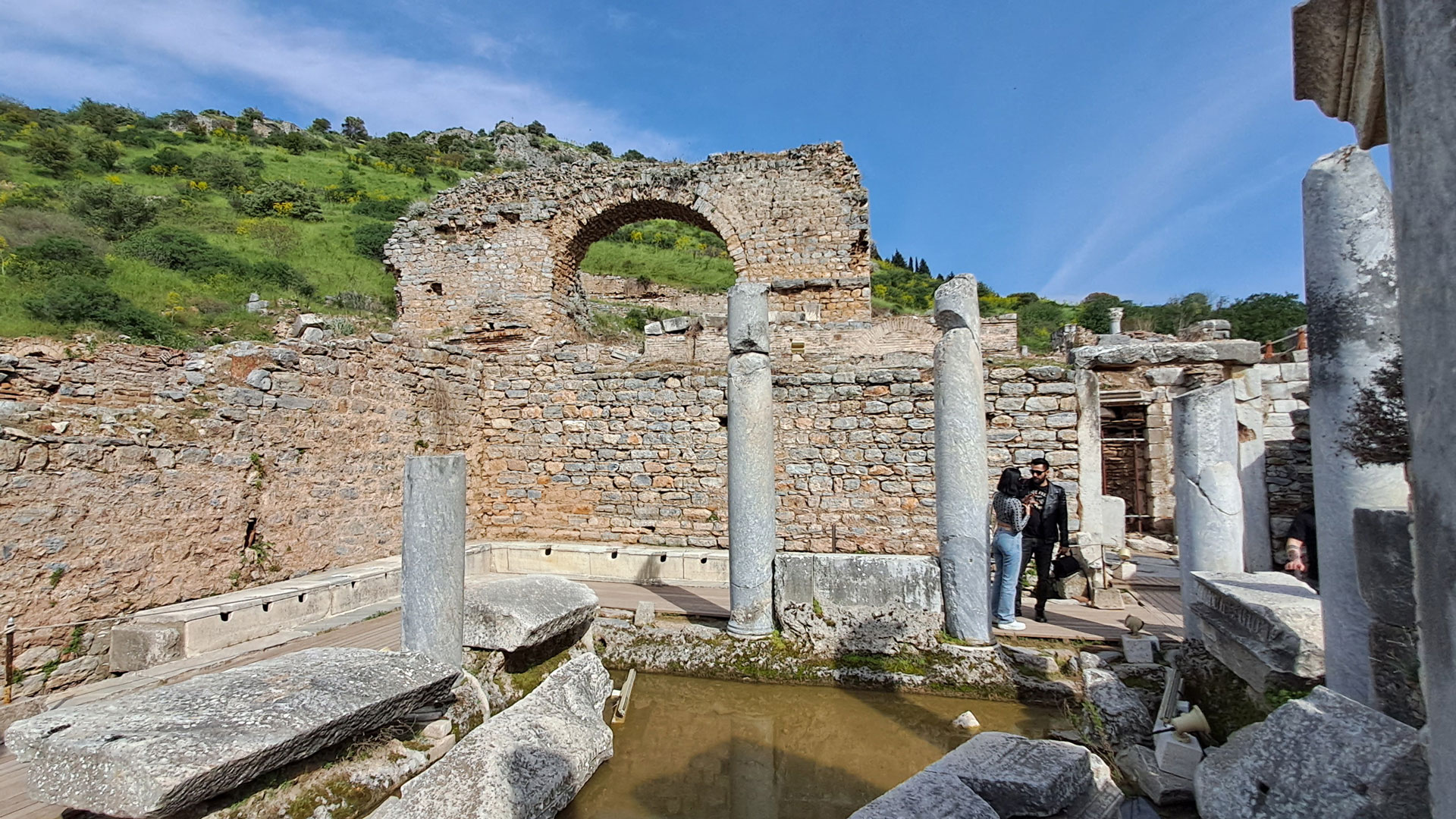
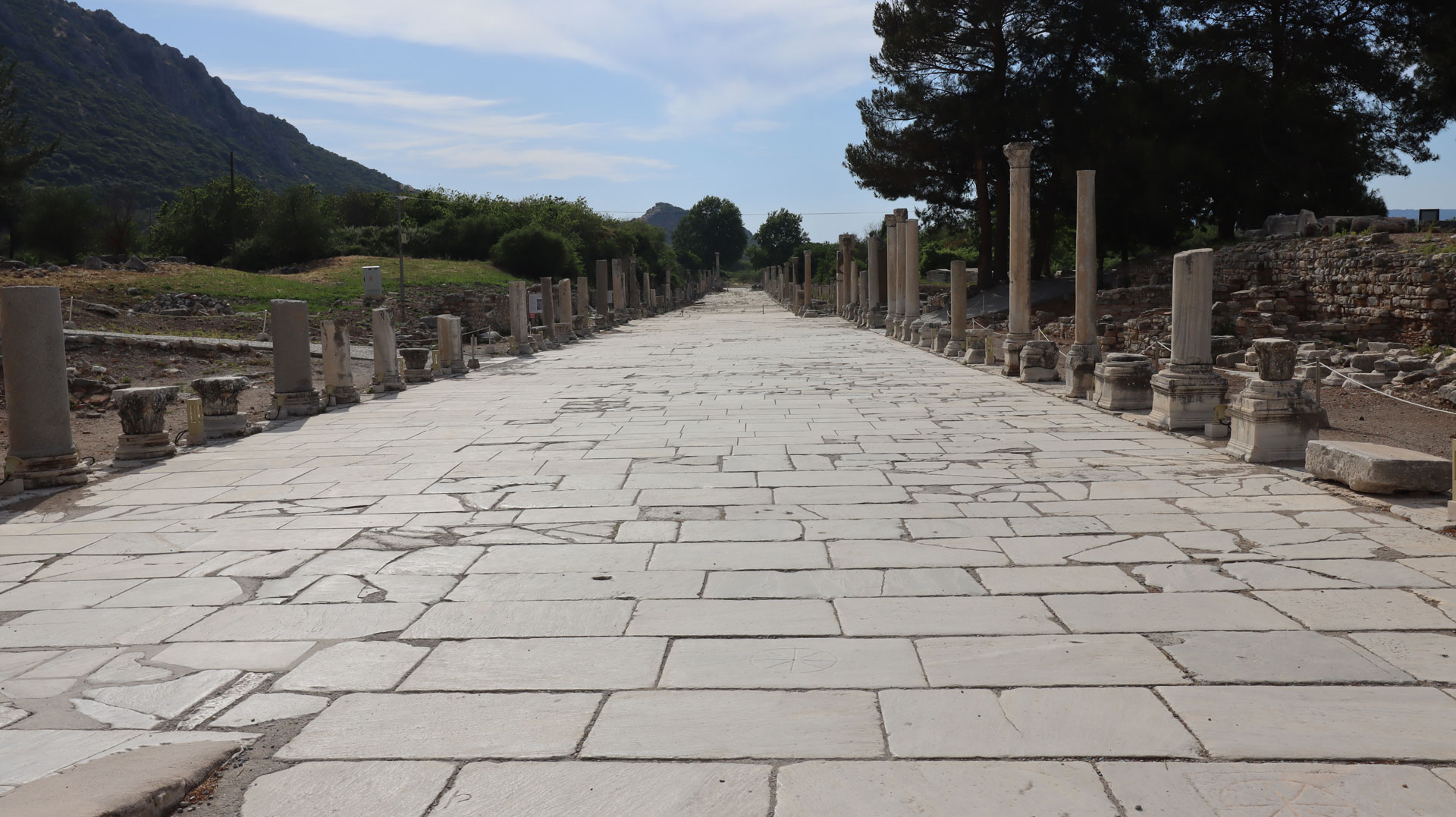
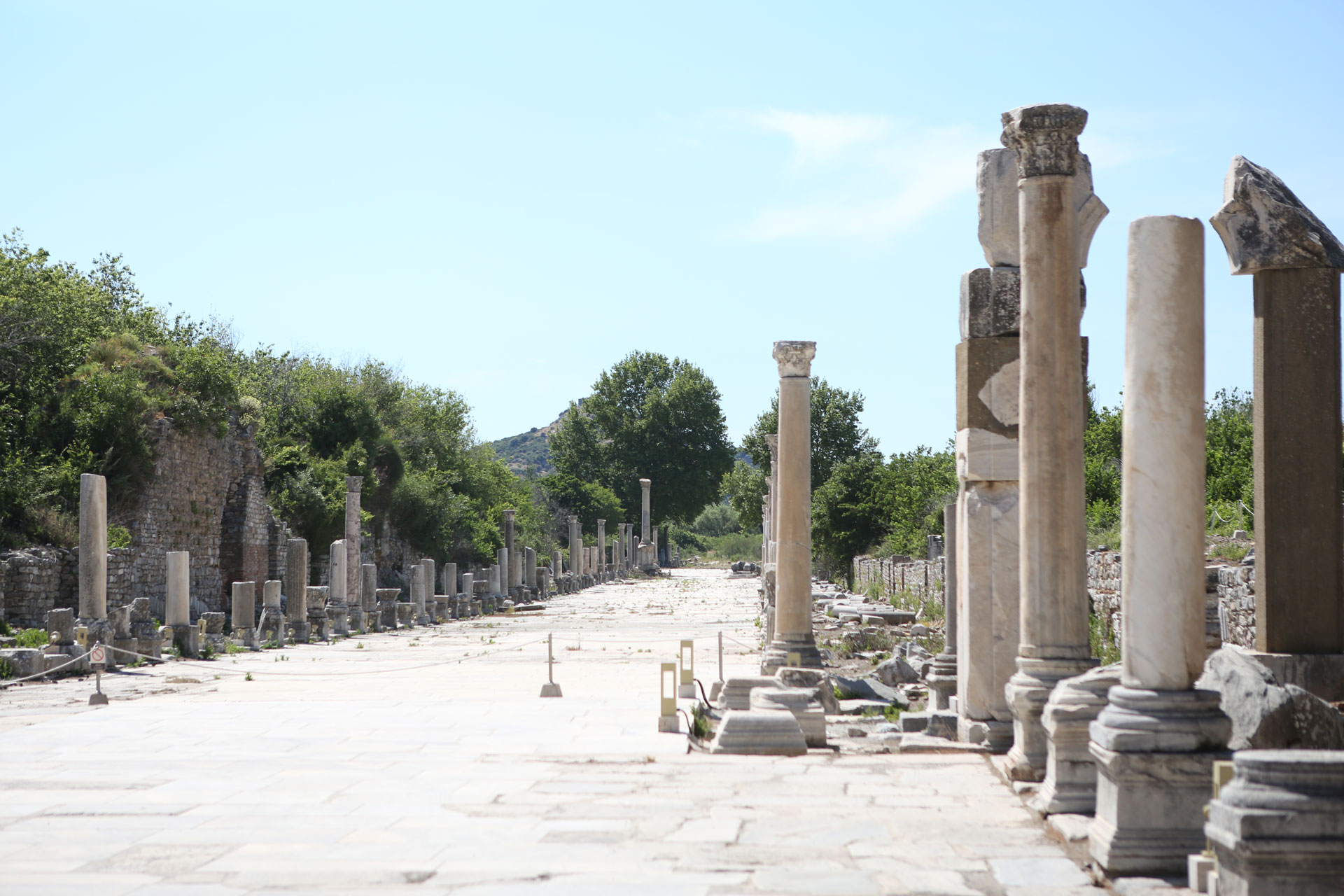
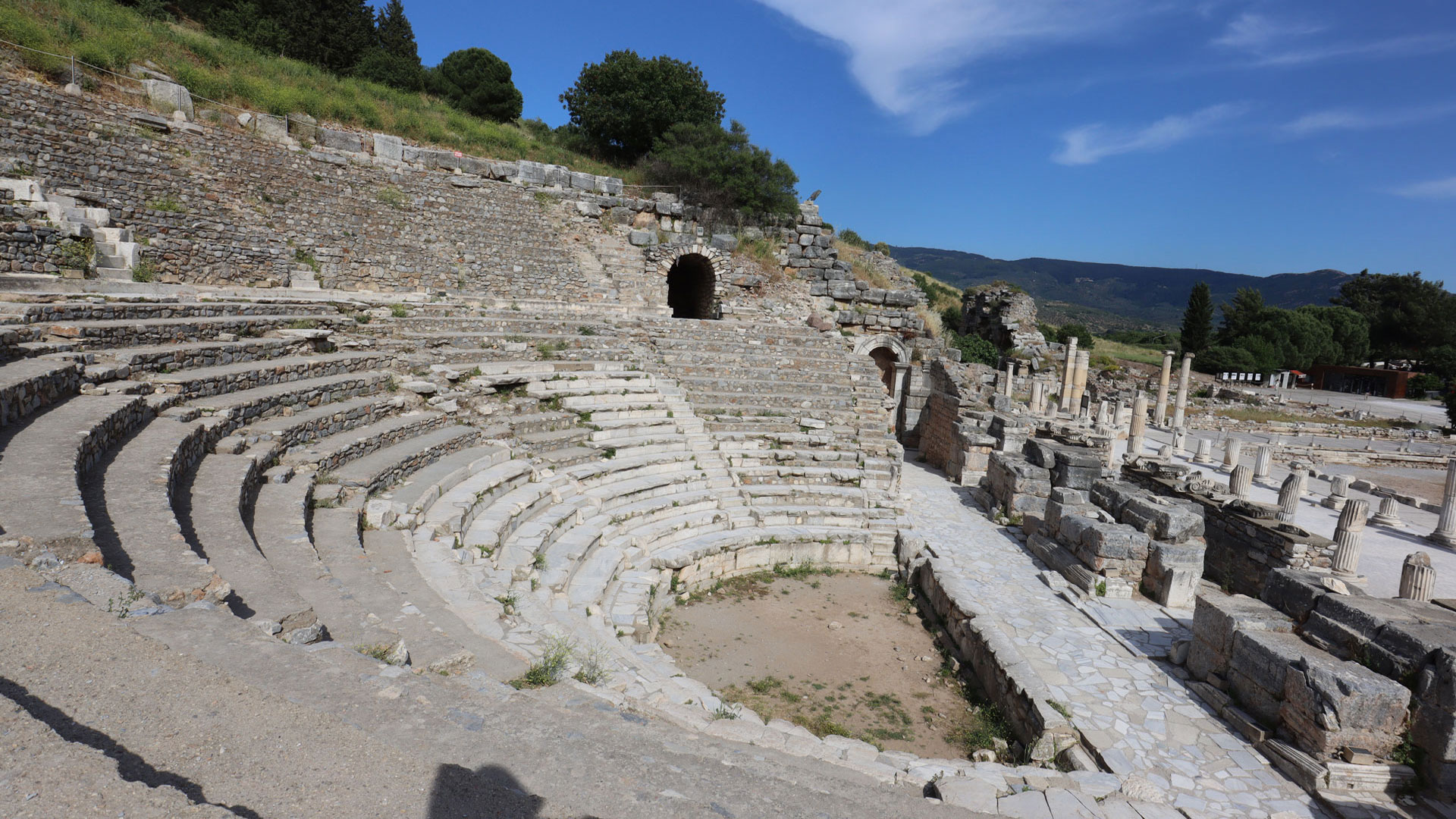
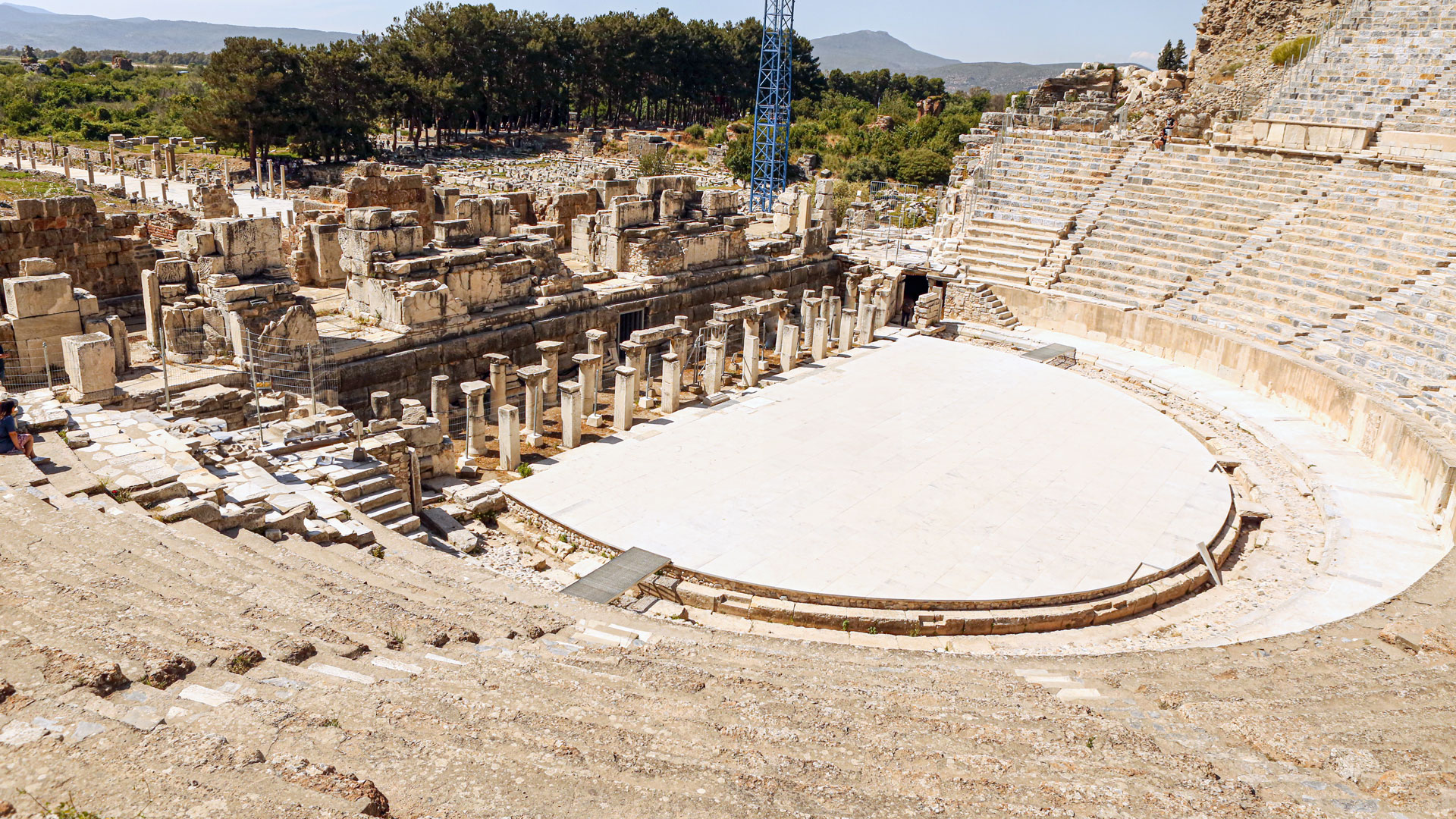
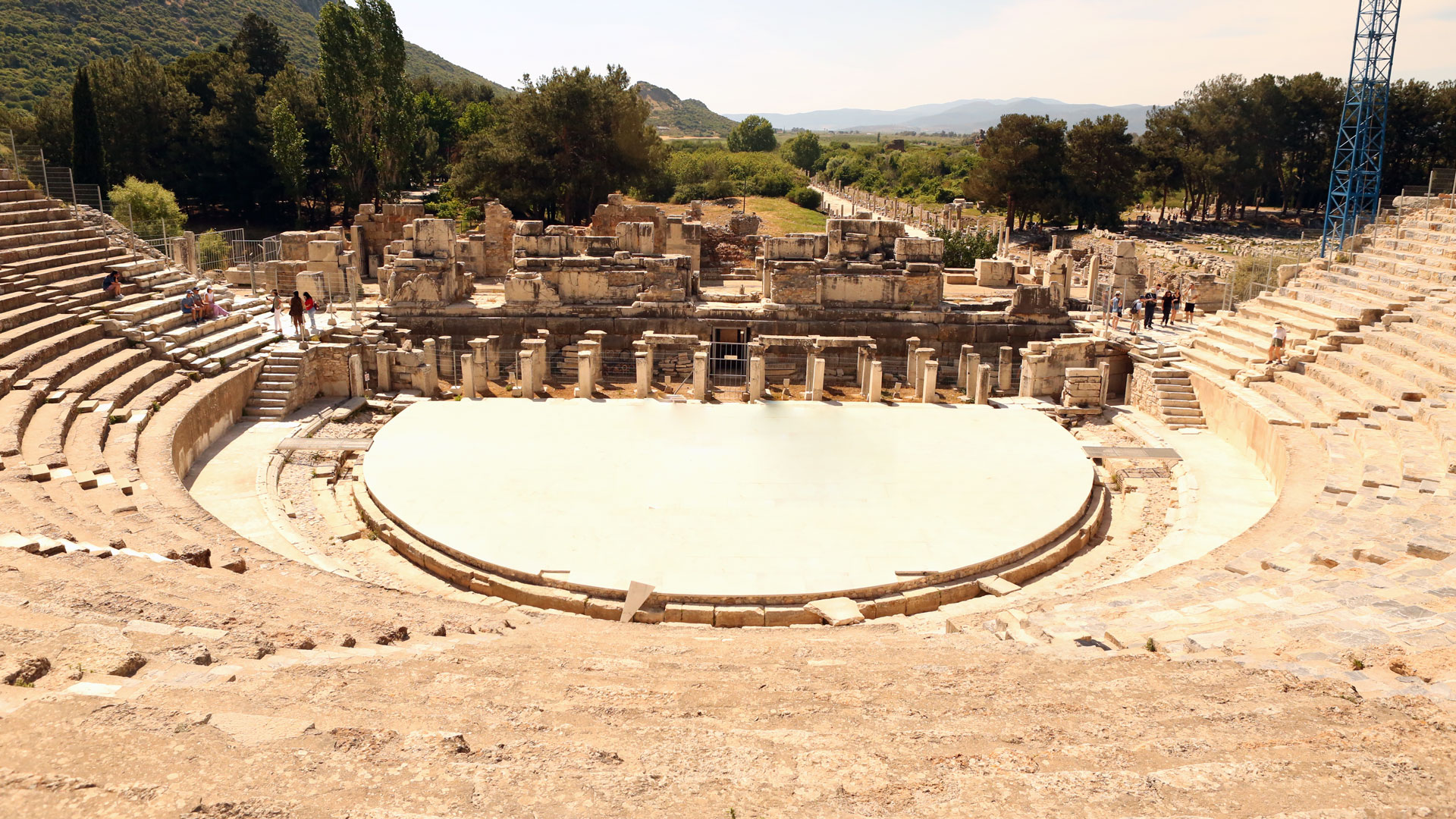
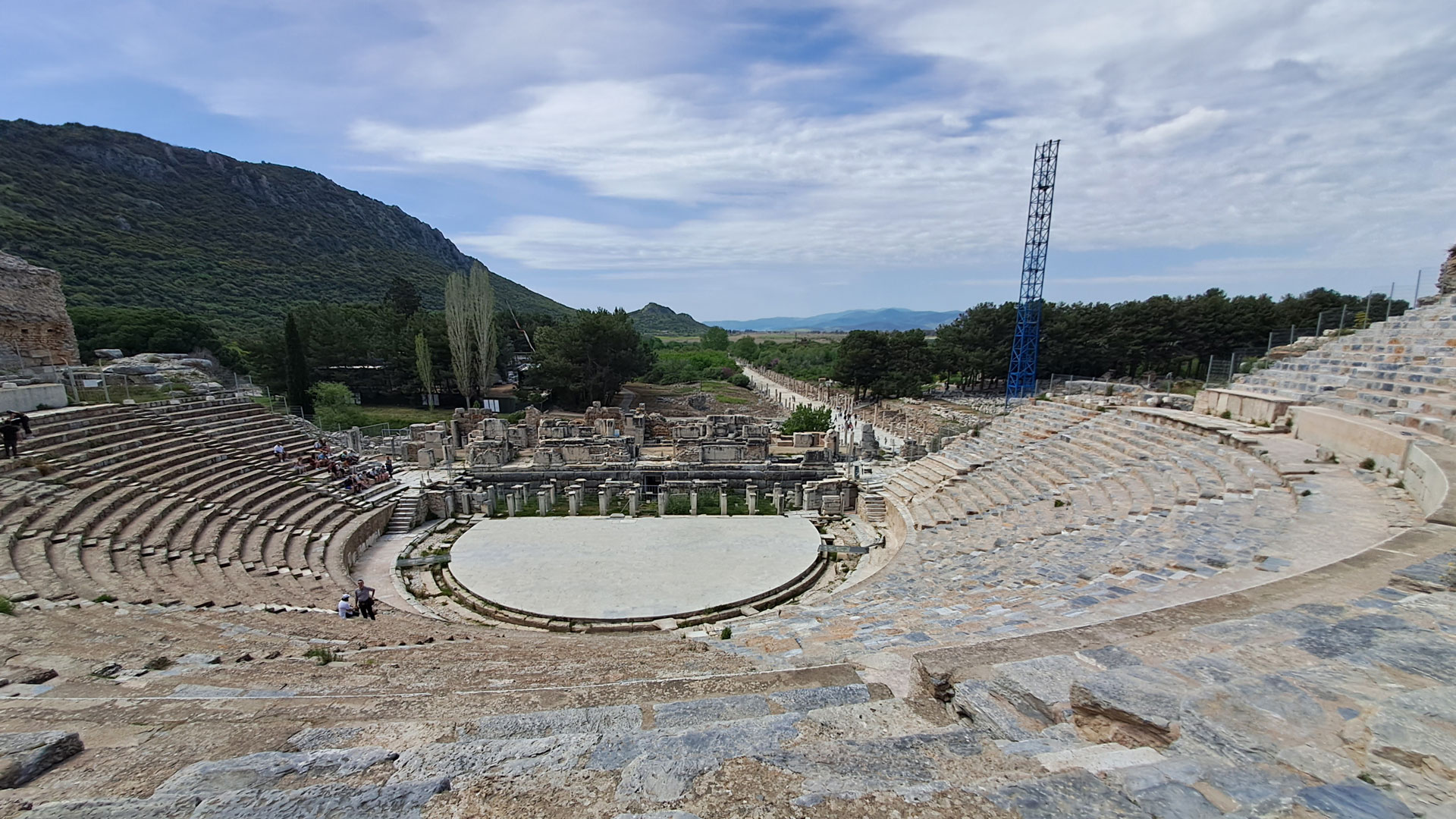
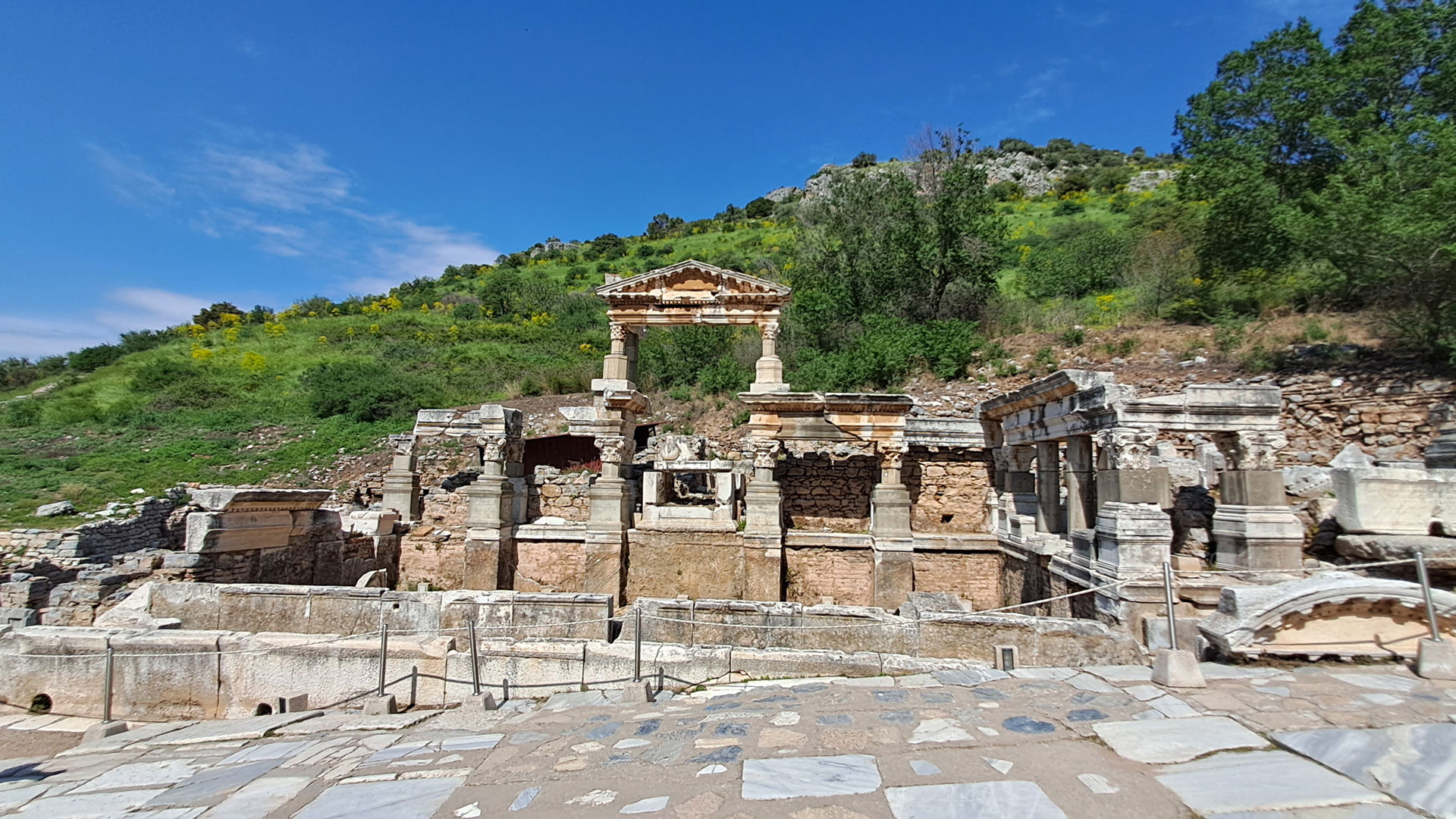
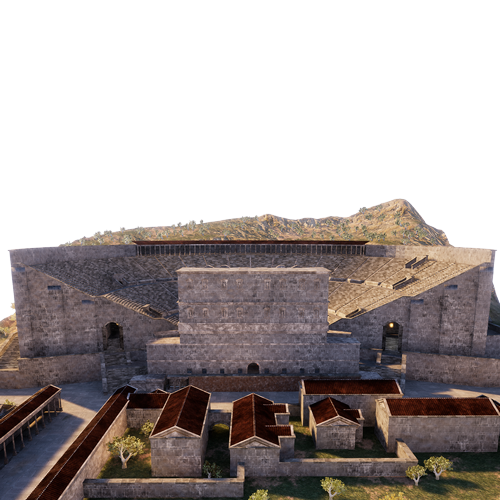
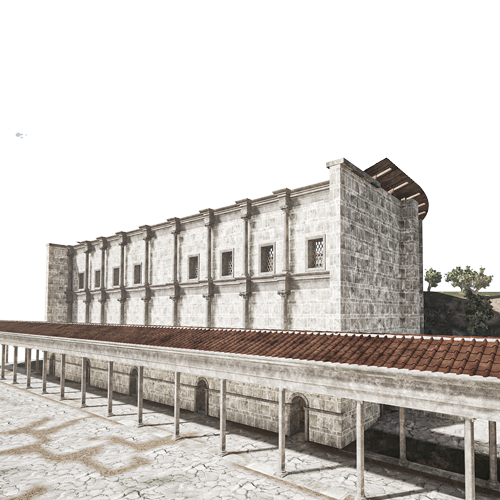
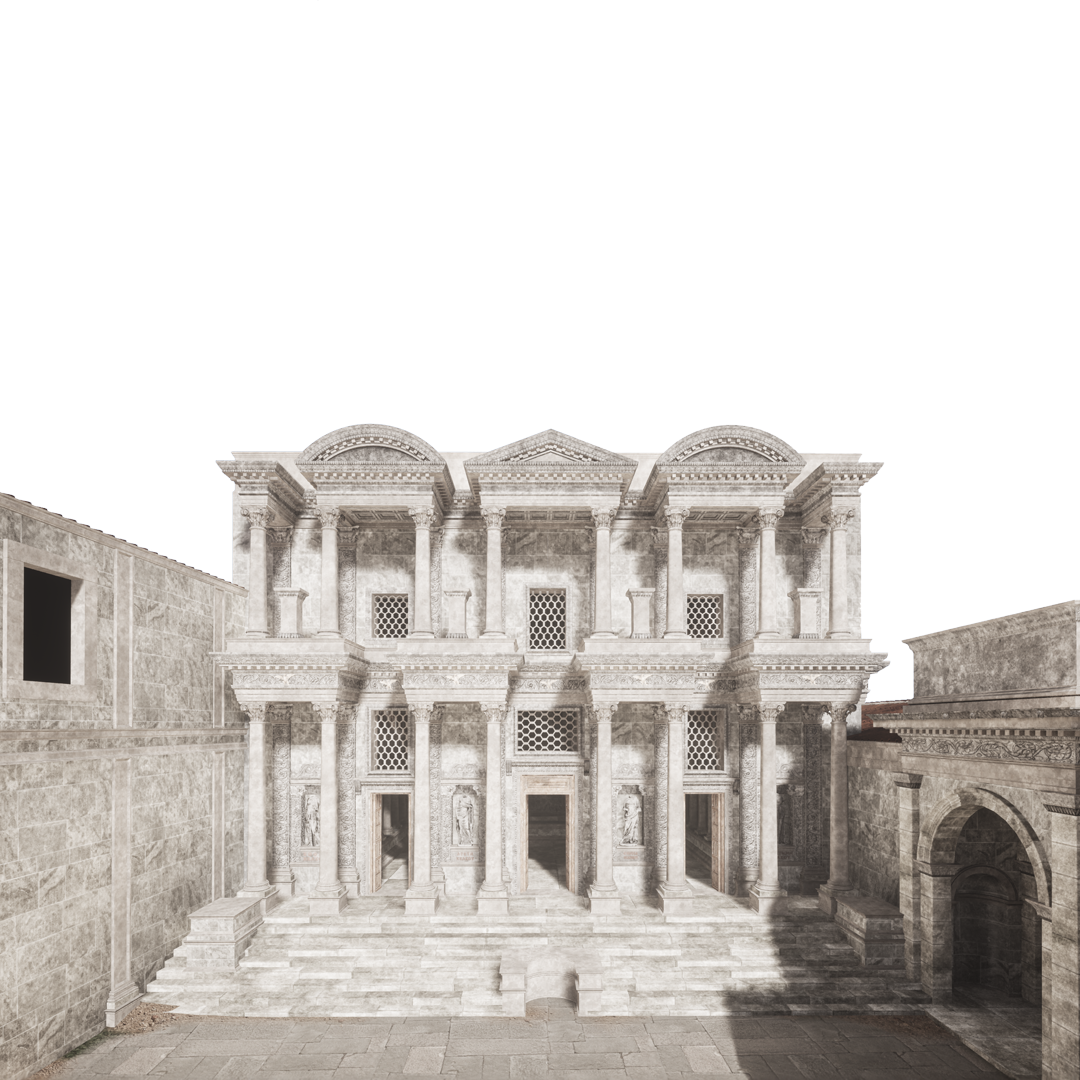
Efes, Batı Anadolu'nun Ege sahilinde bulunan bir yarımada üzerine kurulmuş bir liman kentidir. Günümüzde milyonlarca dünya gezgini Efes'i ziyaret ederek binlerce yıl öncesinin yaşam izlerini görmektedir. Efes'in büyük bir kısmı hala toprak altında bulunmaktadır, ancak arkeolojik kazılarla ortaya çıkarılan kent etkileyici bir şekilde restore edilmiştir. Efes araştırmaları ve kazıları, Türkiye'deki müzelerde ve dünyanın diğer önemli müzelerinde sergilenen eserlerle devam etmektedir.
Efes'in çevresindeki kazı alanlarında yapılan çalışmalar, geçmişi M.Ö. 8200'lere kadar götüren yeni bulgular ortaya çıkarmıştır. Hititler Dönemi'nde Arzawa Ülkesi içindeki Apasas'ın Ayasuluk Tepesi'nde yerleşim olduğu düşünülmektedir. Efes'i tam olarak keşfedebilmek için meraklı gezginlerin daha fazla zaman ayırması gerekmektedir, çünkü on bin yıllık bir geçmişe sahip olan Efes'in izlerini takip etmek birkaç günü aşabilir.
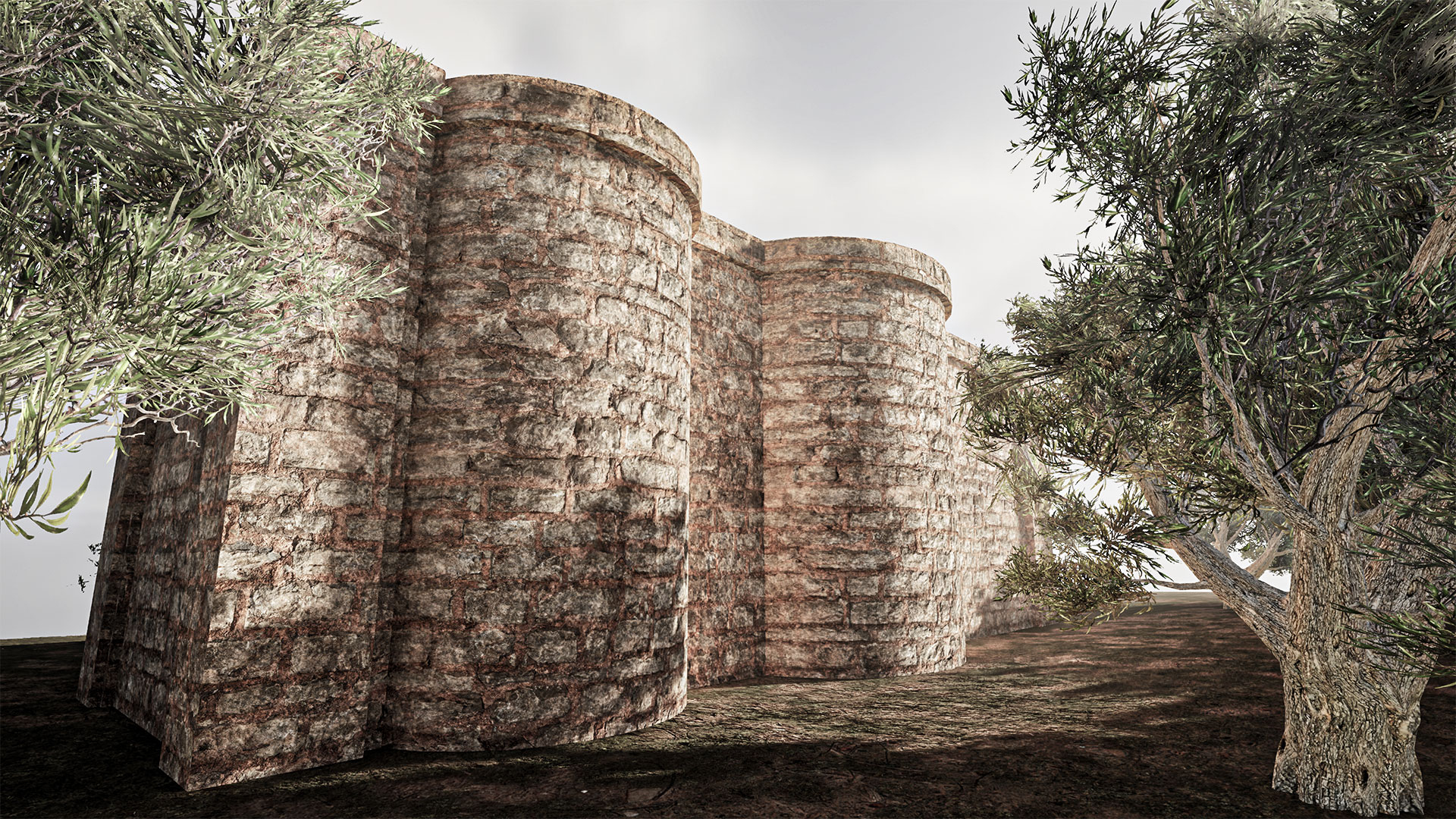
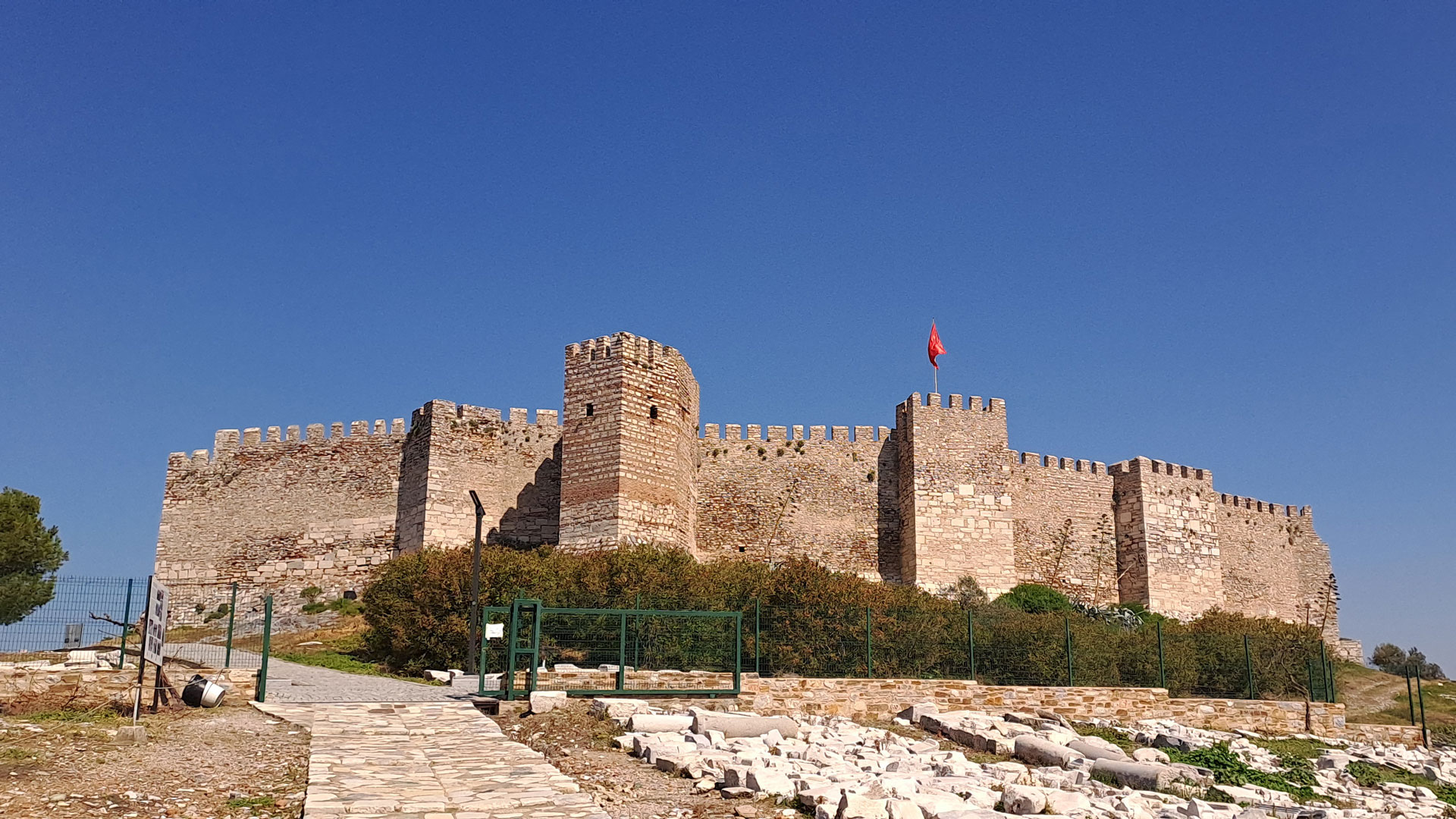
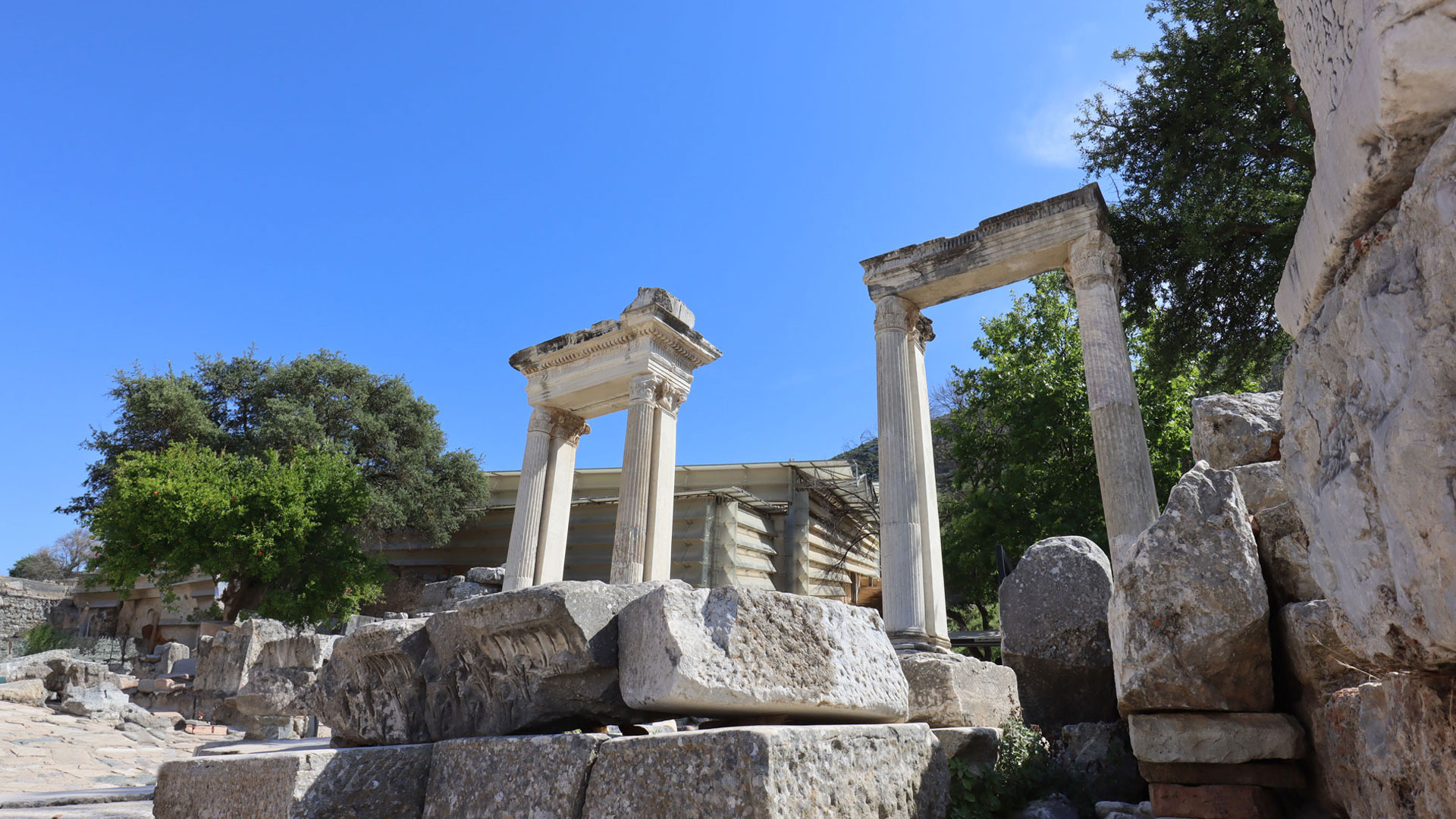
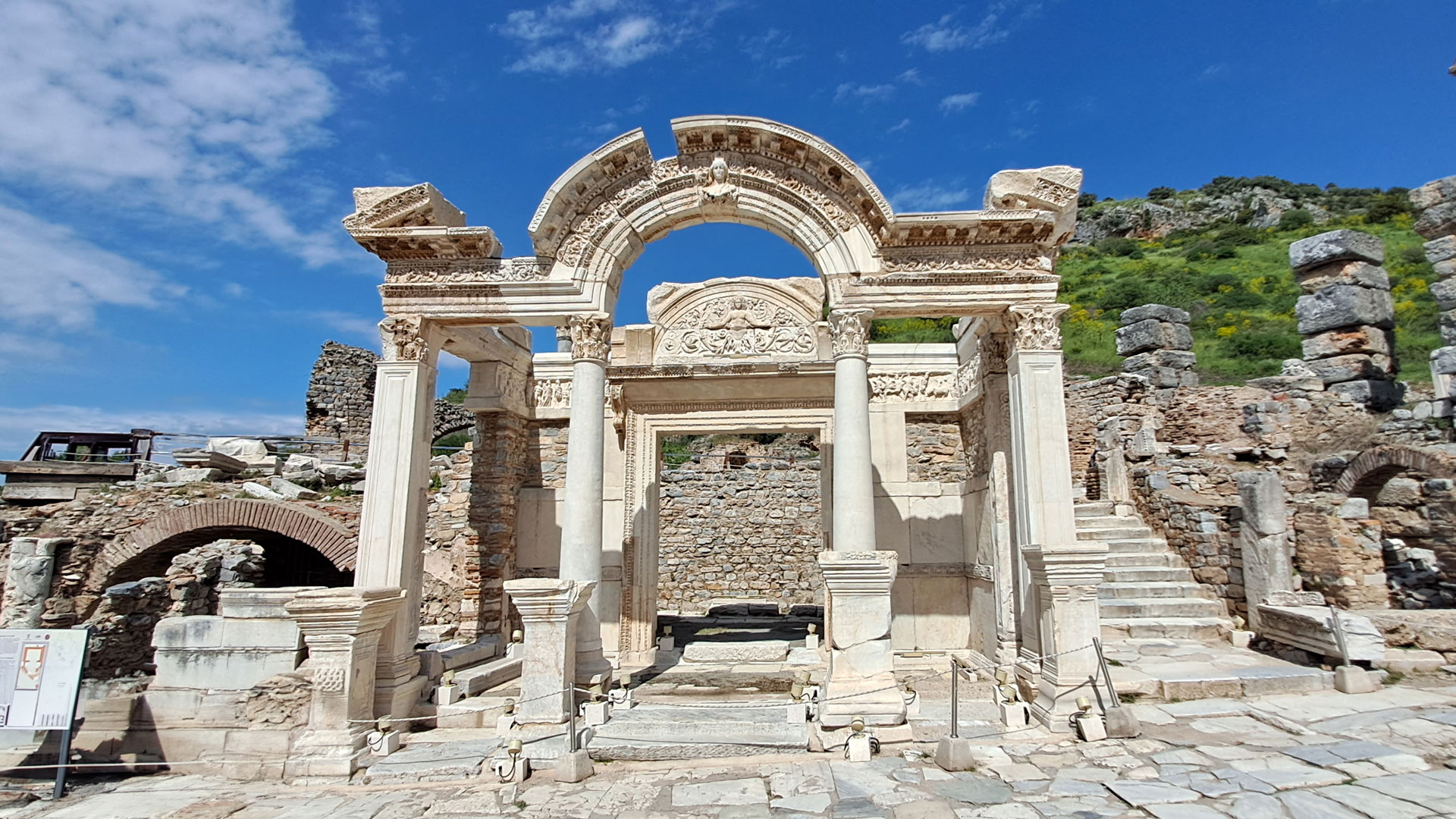
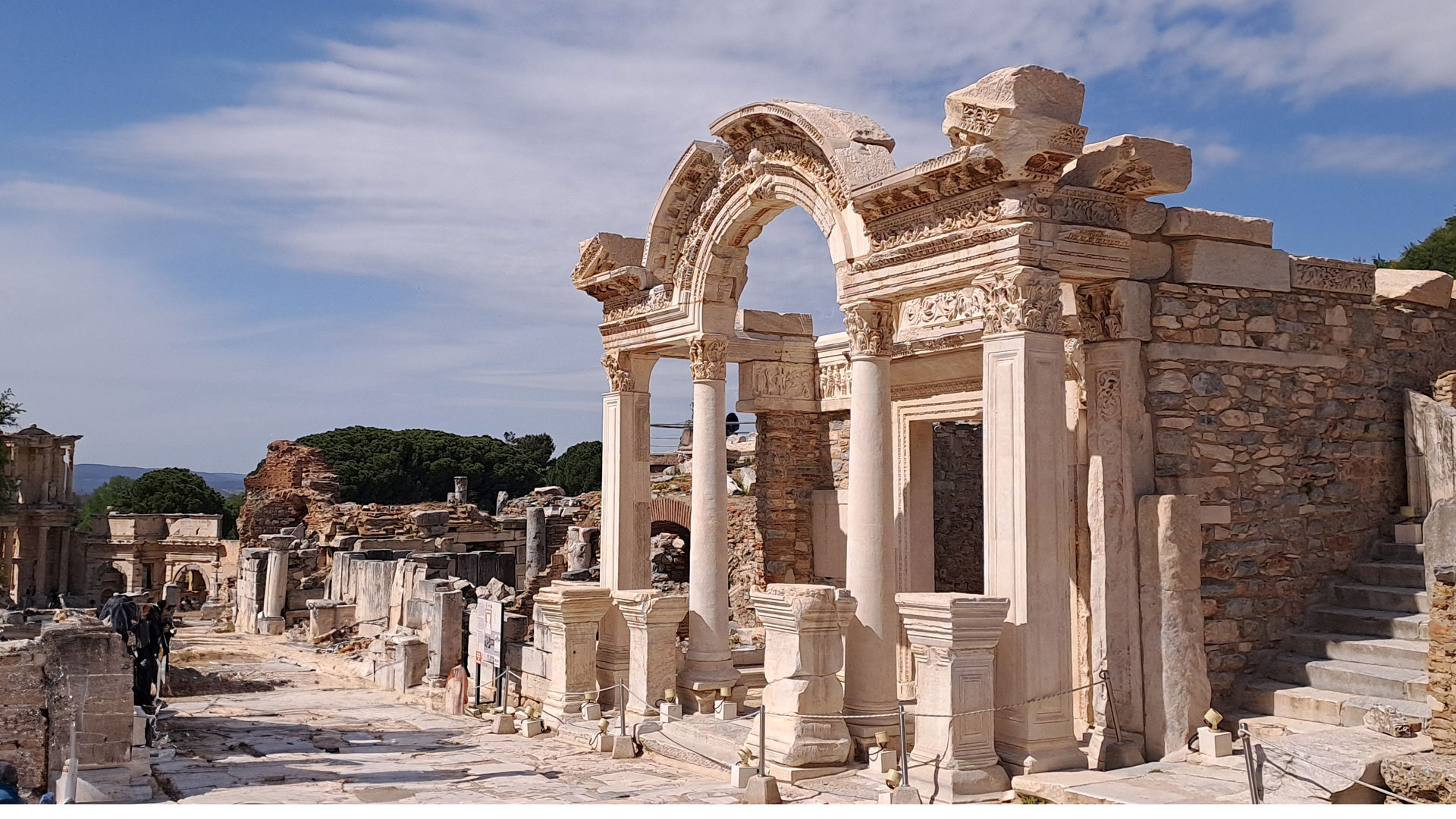
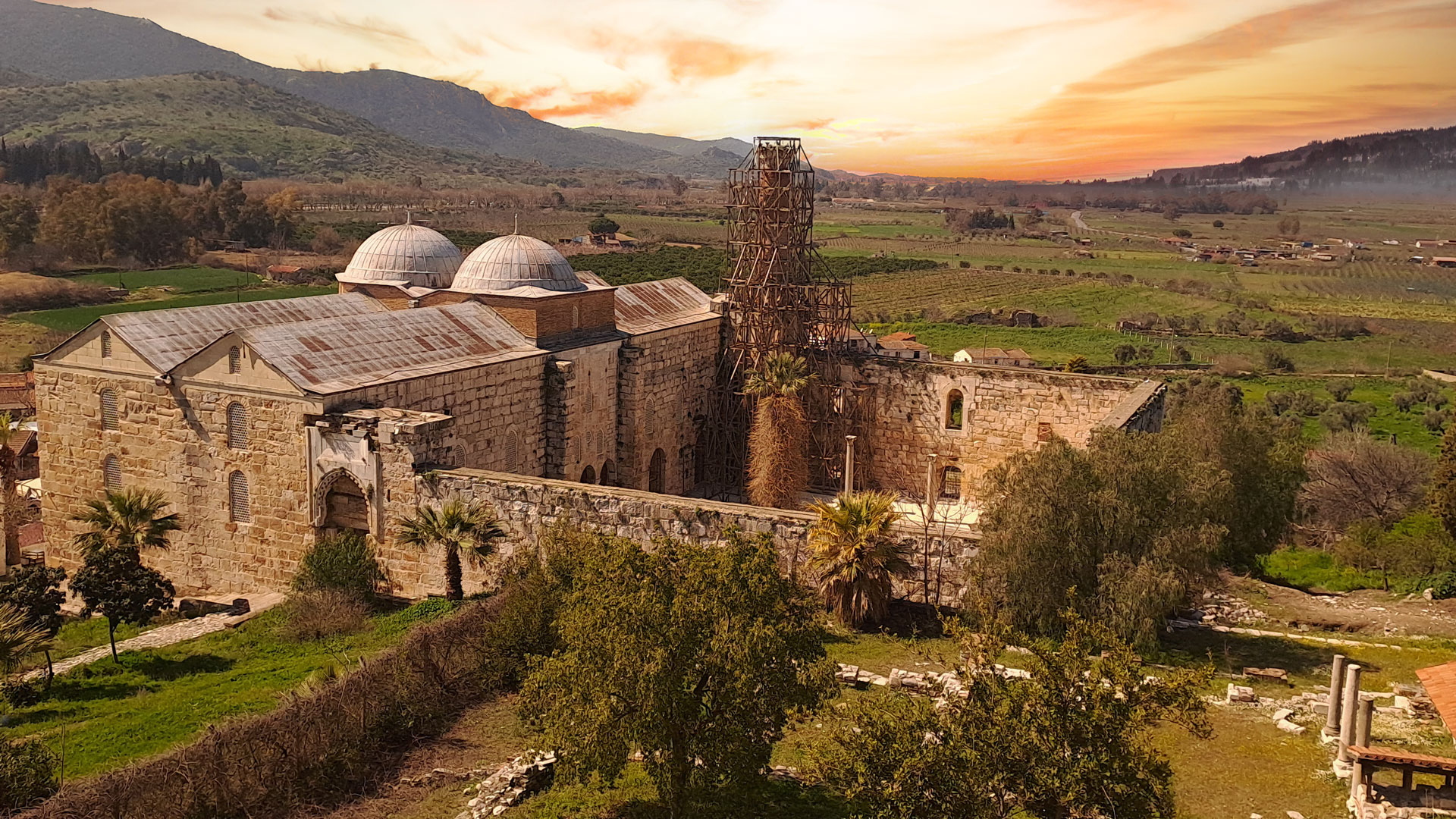
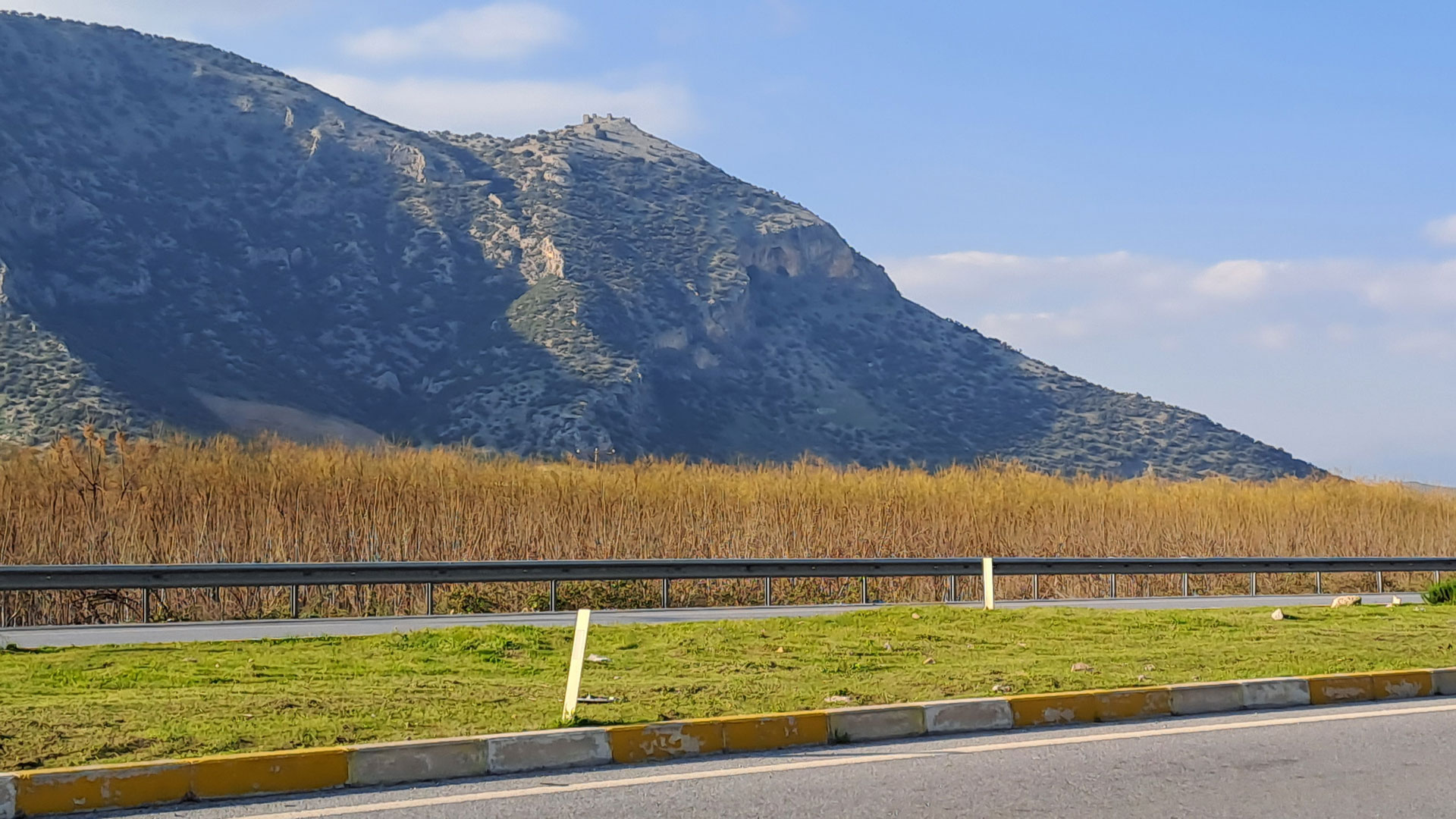
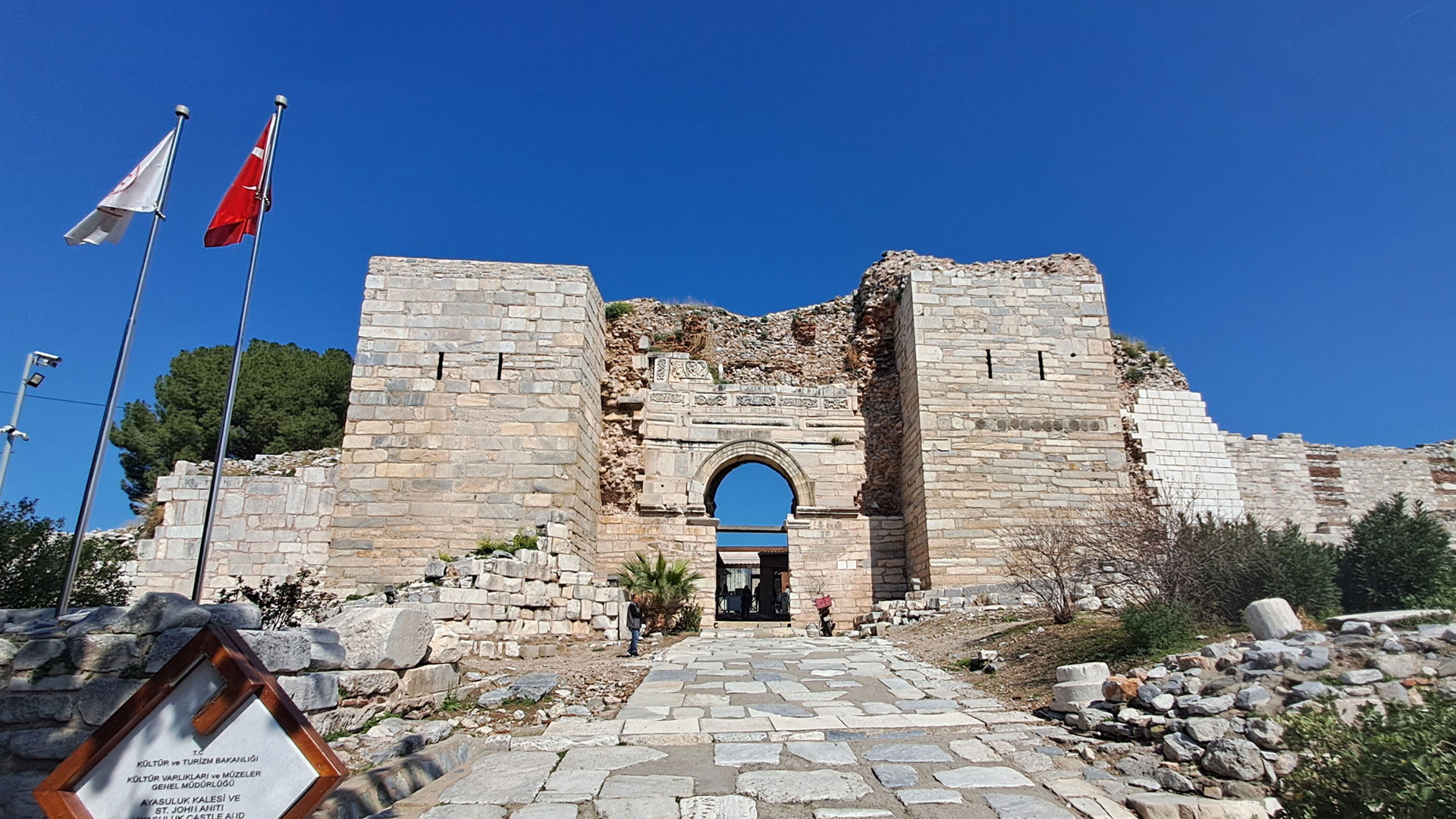
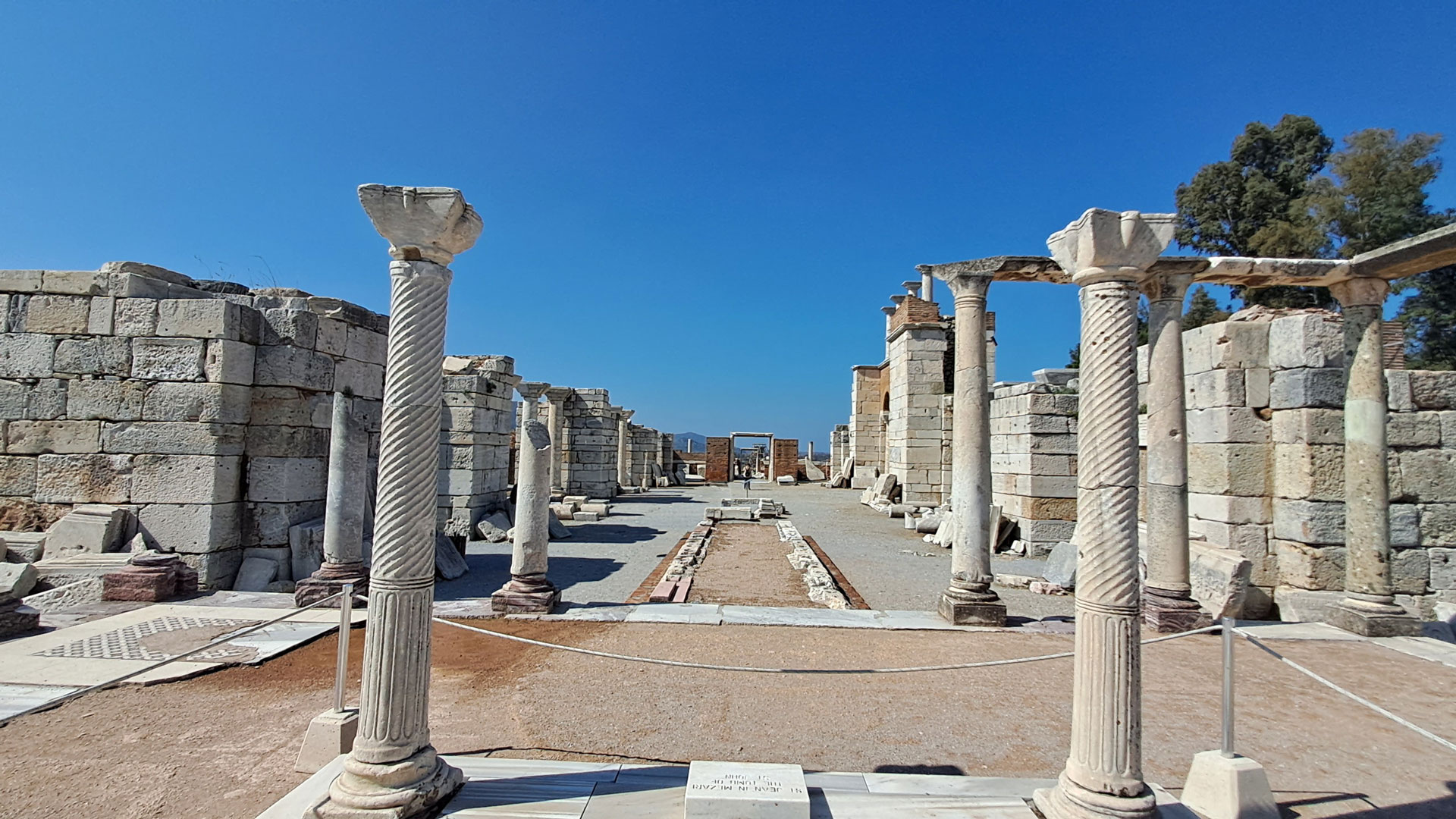
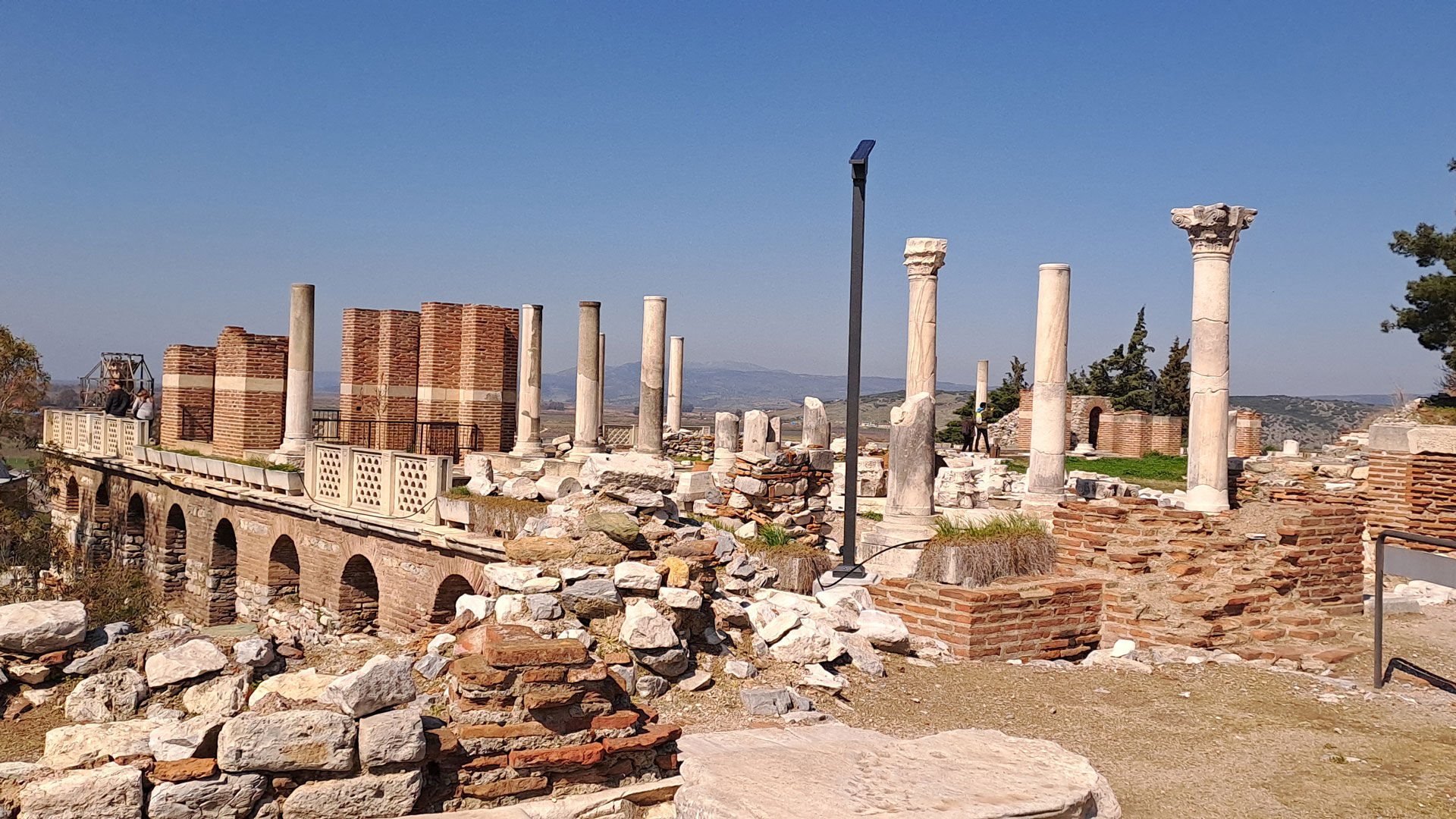
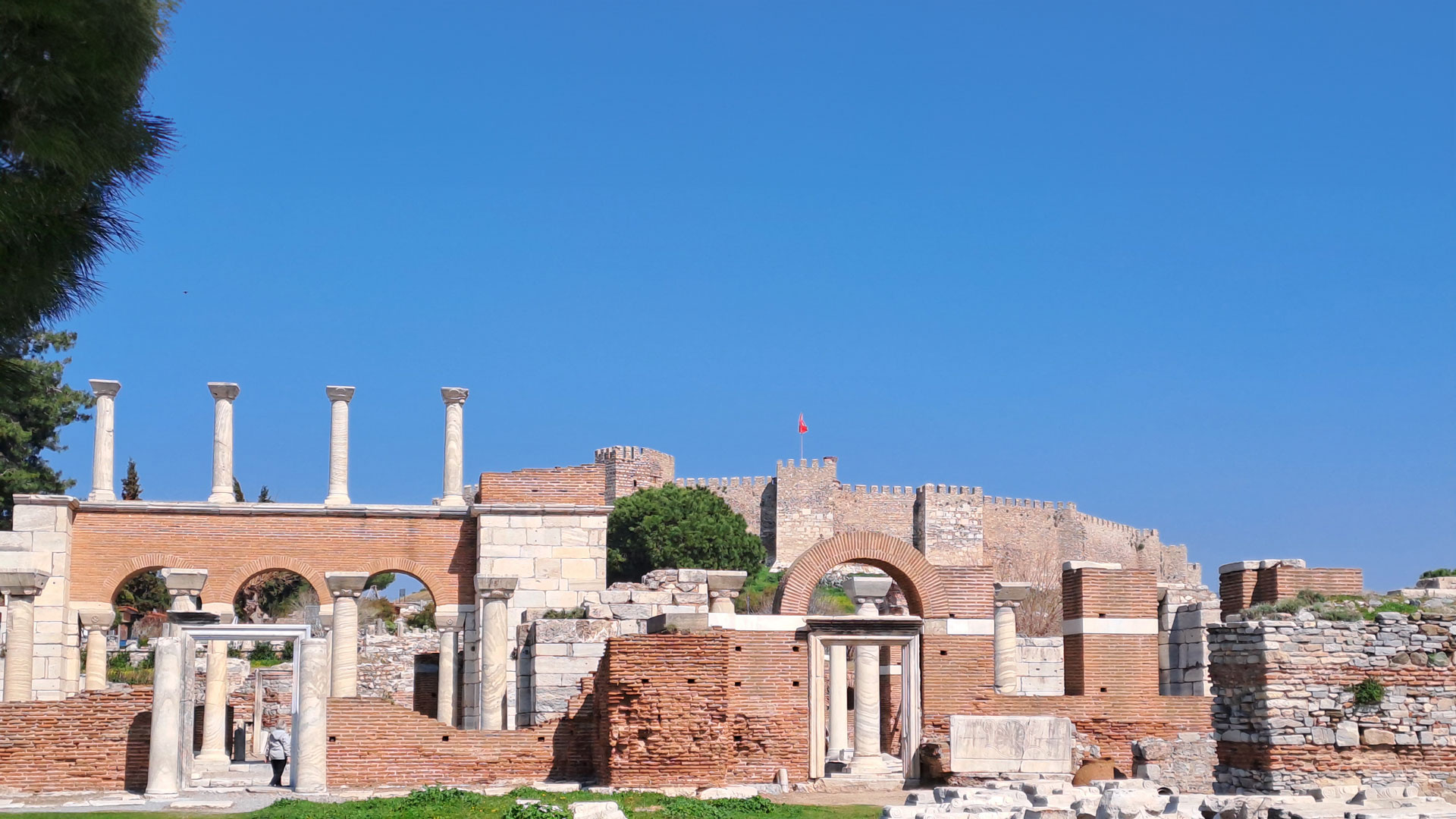
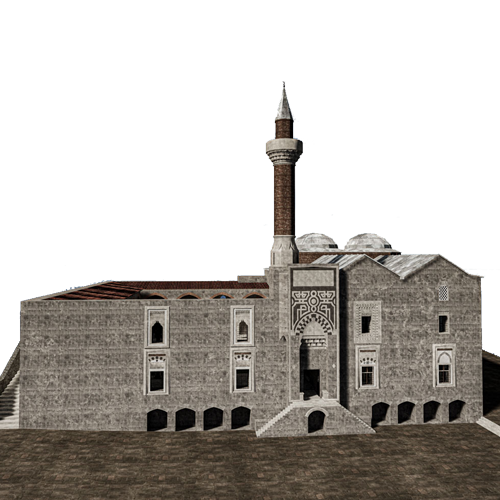
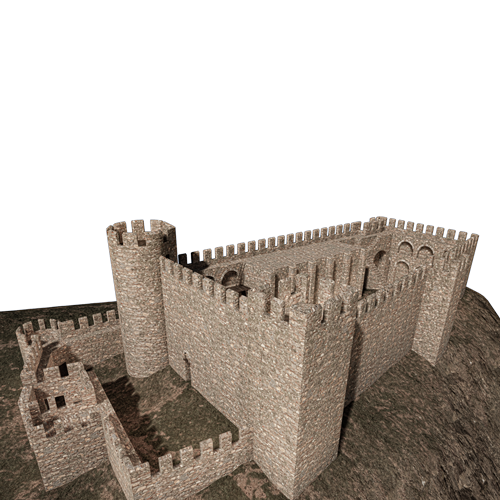
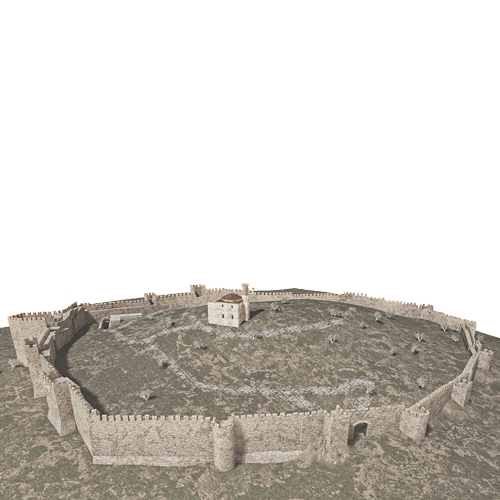
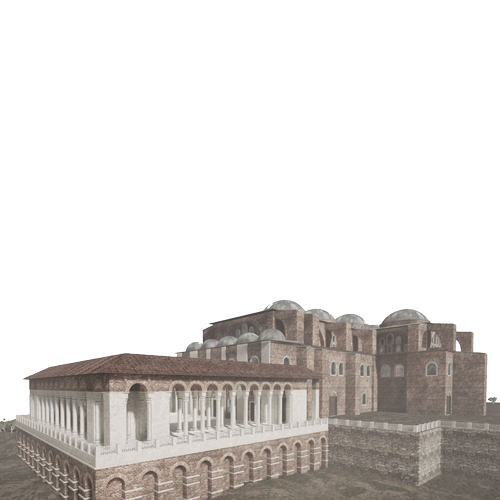
Efes'teki arkeolojik alanlarda, Selçuk ilçesindeki Ayasuluk Tepesi'nde bulunan Kale, St. Jean Kilisesi ve Selçuklu Beyliği dönemine ait İsa Bey Camisi gibi yapılar, Neolitik dönemden Roma'ya, Doğu Roma (Bizans) ve Osmanlı İmparatorluğu'na kadar uzanan dönemlerden kalmış yapılar ya da buluntularla birlikte Efes'in geçmişine dair izler sunmaktadır.
Günümüzde Efes Limanı artık kullanılmamaktadır ve kent limanı bataklık halindedir. Ege Denizi de kenti terk etmiş ve 9 kilometre açığa çekilmiştir. Ancak bu duruma rağmen milyonlarca gezgin, yeniden restore edilen Efes'i görmek için yollara düşmektedir.
Özet olarak, Efes Antik Kenti Batı Anadolu'nun önemli bir turistik destinasyonudur. Binlerce yıl öncesinin yaşam izlerini görmek ve arkeolojik eserleri keşfetmek için milyonlarca ziyaretçi Efes'i ziyaret etmektedir.
Ephesus is a port city located on a peninsula along the Aegean coast of Western Anatolia. Today, millions of global travelers visit Ephesus to witness the traces of life from thousands of years ago. While a significant portion of Ephesus still lies underground, the city has been impressively restored through archaeological excavations. Research and excavations in Ephesus continue, with the artifacts being exhibited in museums in Turkey and other important museums around the world.
Studies conducted in the surrounding excavation sites of Ephesus have revealed new findings that date back to around 8200 BC. It is believed that there was a settlement in Ephesus, known as Apasas, within the Arzawa Kingdom during the Hittite period. To fully explore Ephesus, curious travelers need to allocate more time as tracing the footsteps of Ephesus, which has a history of ten thousand years, can exceed a few days.
Archaeological sites in Ephesus, such as the Castle located on Ayasuluk Hill in the Selçuk district, structures like St. John's Church, and the İsa Bey Mosque from the Seljuq period, offer glimpses into the history of Ephesus spanning from the Neolithic period to the Roman, Eastern Roman (Byzantine), and Ottoman Empires.
The Ephesus Port is no longer in use today, and the city's harbor is in a marshy state. The Aegean Sea has also retreated from the city and is now 9 kilometers away. Nevertheless, despite these circumstances, millions of travelers embark on journeys to see the restored Ephesus.

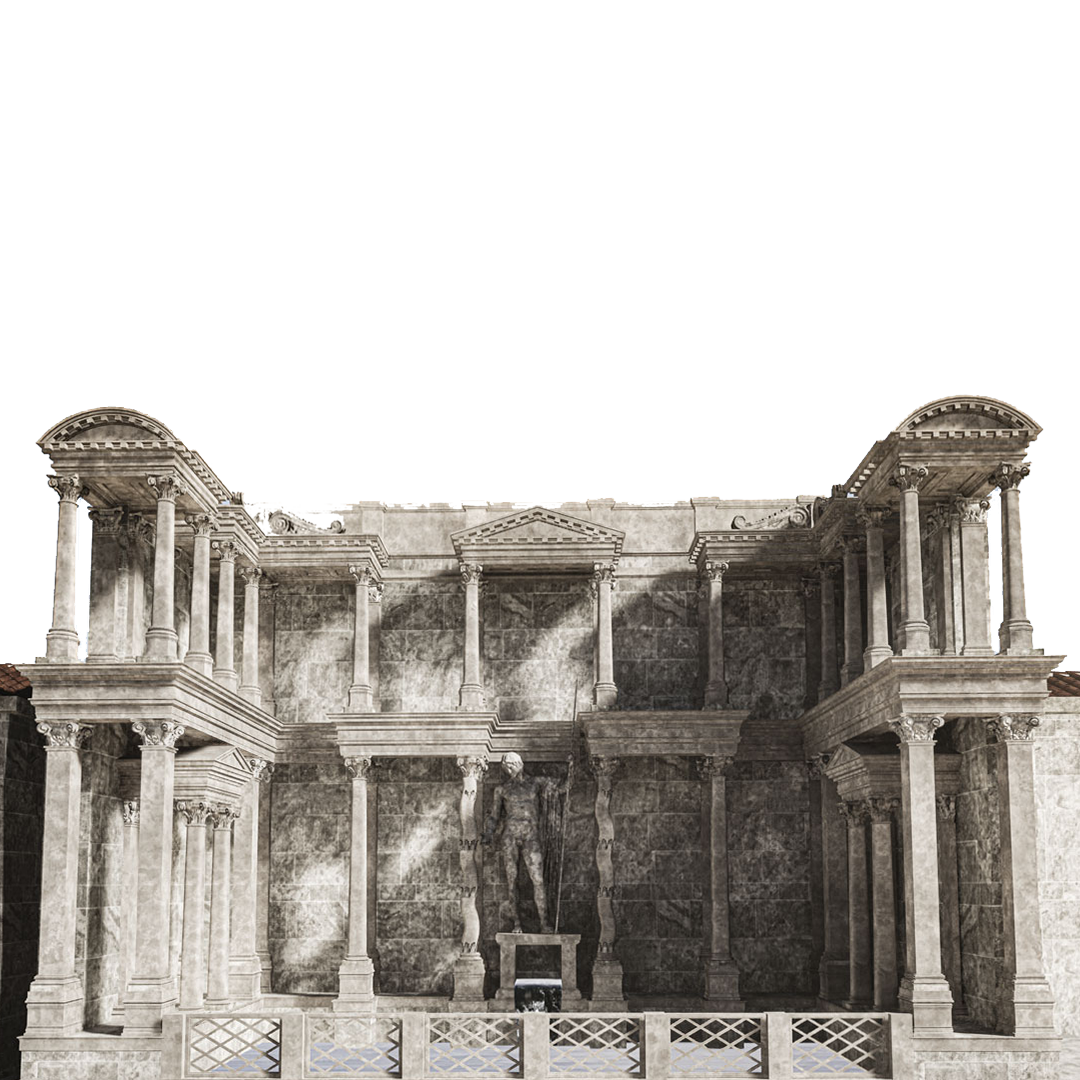
In summary, Ephesus Ancient City is an important tourist destination in Western Anatolia. Millions of visitors come to Ephesus to witness the traces of life from thousands of years ago and explore archaeological artifacts.
Antik Kantler Serisi 2, “Efes ve Diğer İon Kentleri”,(2017), Uranüs yayınları, 2. Baskı, Sayfa 8.