Sayfa:  
Page:  
/
1
/
1
Selçuk - Efes 3B İnteraktif Modeller
Selçuk - Efes 3D Interactive Models
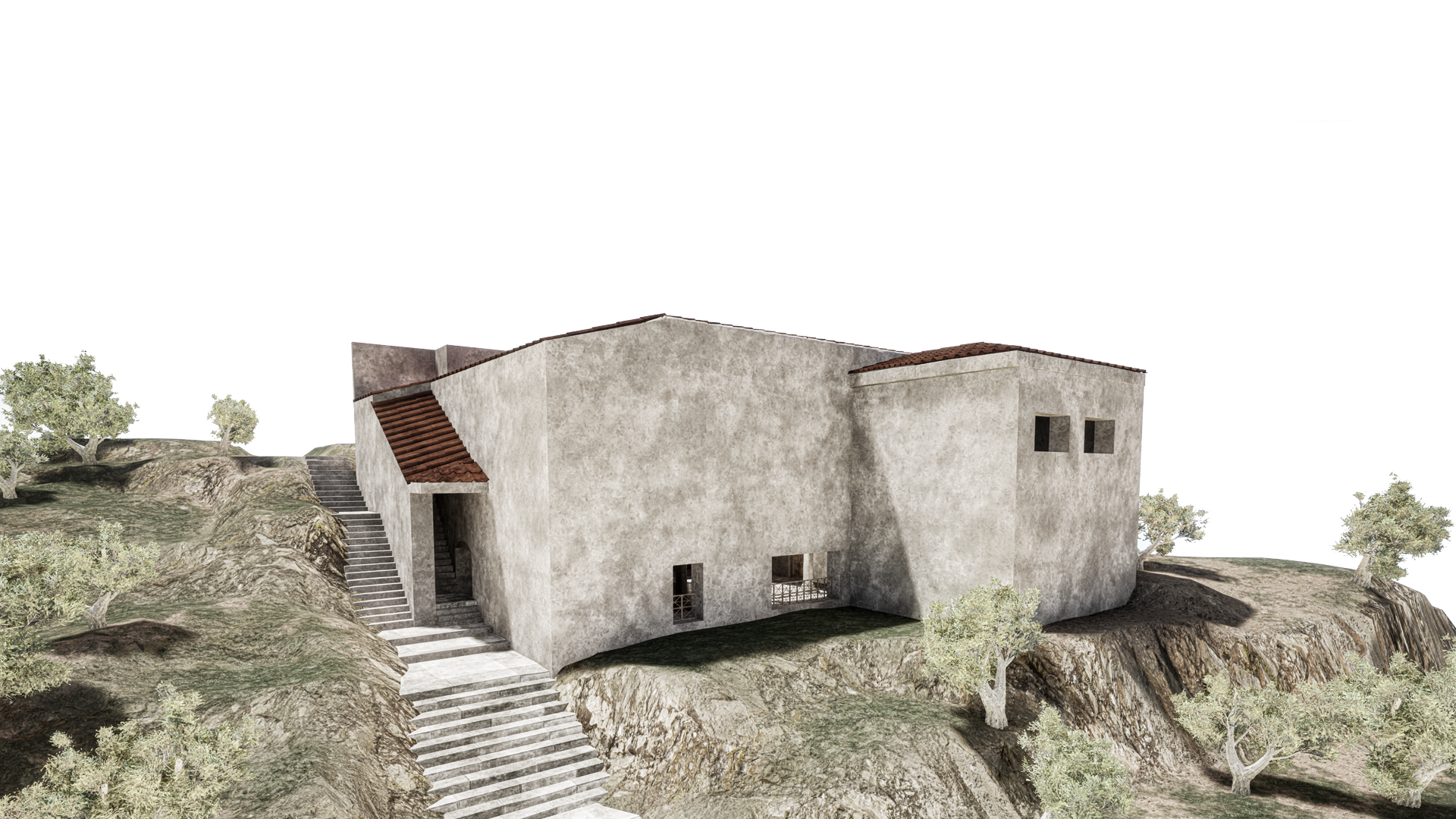
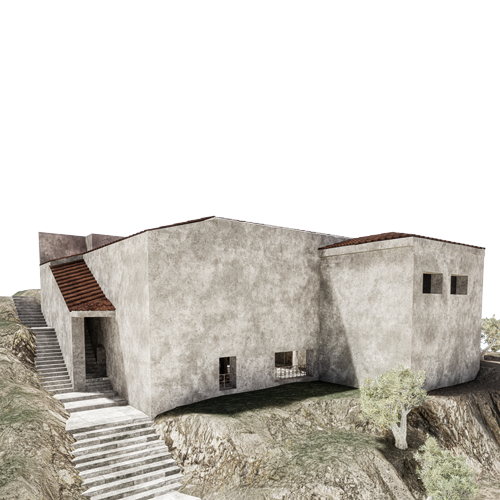
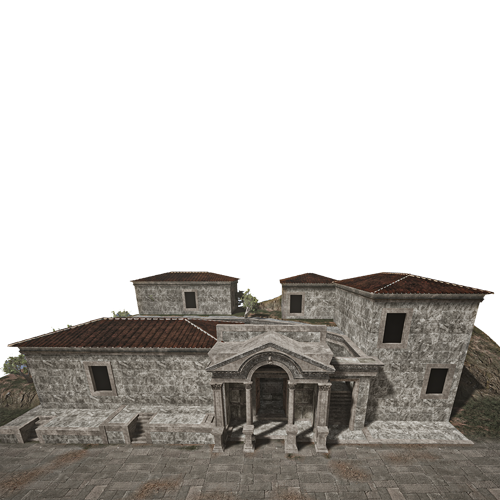
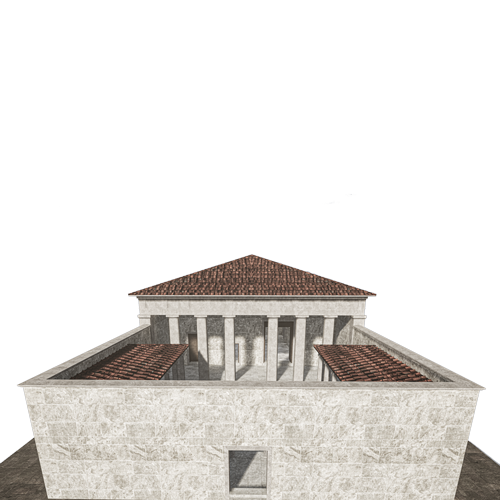
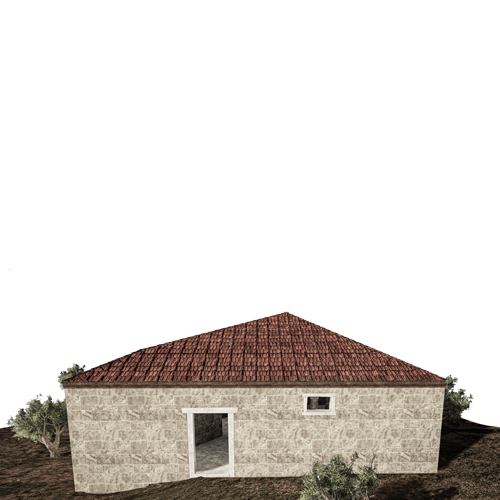
Efes Antik Kenti'nde bulunan yamaç evler, Roma dönemine ait önemli ve göz alıcı yapılar arasında yer almaktadır. Bu evler, zenginlikleri ve görkemli mimarileriyle dikkat çeken konutlardır. Duvarları fresklerle süslenmiş, iç mekanları ise mermer döşemeler ve süslü mozaiklerle zenginleştirilmiştir. Bazı evlerde özel banyo ve su sistemleri de bulunmaktadır, ki bu da o dönemdeki ileri düzeydeki yaşam konforunu göstermektedir.
The terrace houses located in the ancient city of Ephesus are among the significant and striking structures from the Roman period. These houses are notable for their wealth and grand architecture. Their walls are adorned with frescoes, and their interiors feature marble floors and elaborate mosaics, creating a rich ambiance. Some houses even have special bathrooms and water systems, showcasing the advanced level of comfort in that era.
Bu evler, teras şeklindeki yamaçlara inşa edilmiş ve kentin sarp arazisini değerlendirmek amacıyla kullanılmıştır. İçerdikleri yapılar arasında zengin konutlar, dükkânlar ve atölyeler bulunmaktadır, bu da Efes'in o dönemdeki ticaret ve zanaat faaliyetlerinin canlılığını yansıtmaktadır.
These houses were constructed on terraced slopes, utilizing the city's steep terrain. They encompass a variety of structures, including affluent residences, shops, and workshops, reflecting the vibrant commercial and artisanal activities of Ephesus at that time.
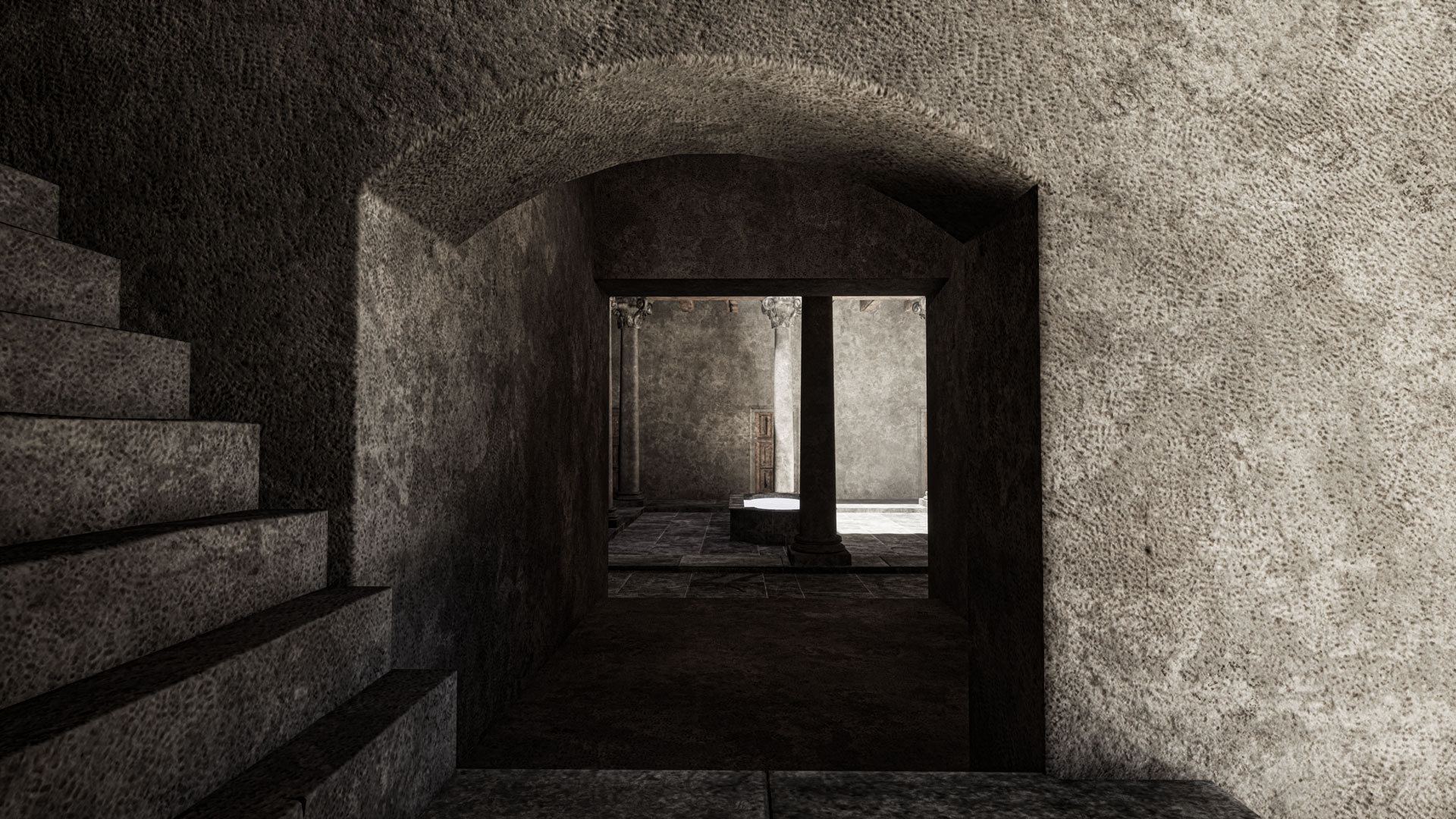
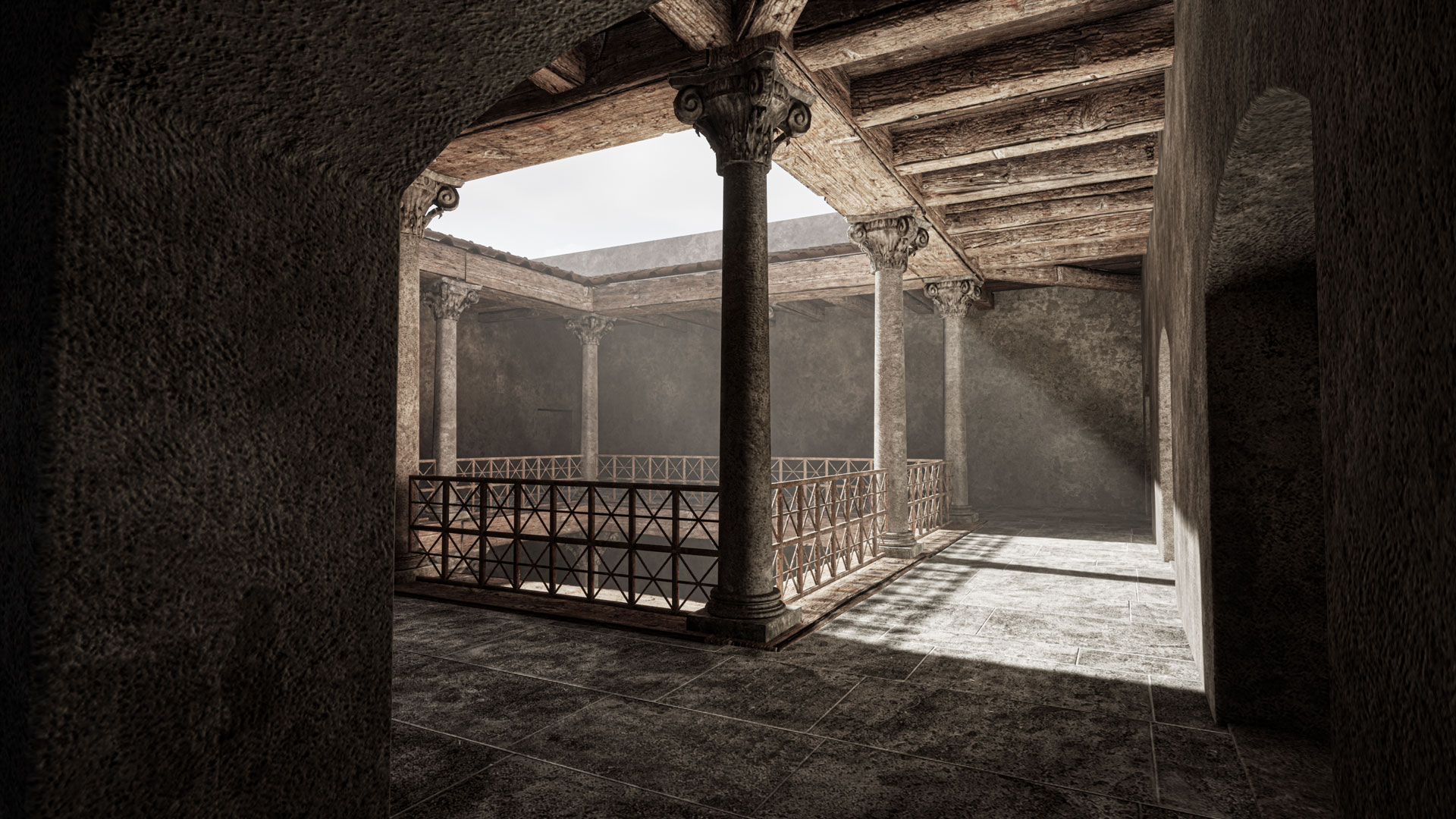
Yamaç evler genellikle iki veya üç katlıdır ve dar sokaklar arasında konumlanmıştır. Yüksek duvarlarla çevrili olan bu evler, genellikle bir avlu veya iç bahçe ile çevrilidir ve odaların düzenlemesi merkezi bir avlu etrafında yapılmıştır. Bu avlu, aile hayatının merkezi olarak işlev görmekteydi.
The terrace houses are typically two or three stories high and are situated amidst narrow streets. Enclosed by high walls, these houses are often surrounded by courtyards or inner gardens, with the arrangement of rooms typically centered around a central courtyard.
Bu evlerde yaşayan kişiler genellikle üst katta yaşamaktaydı, çünkü üst katlar daha özel ve rahat yaşam alanları olarak tasarlanmıştı. Alt katlar ise genellikle işyerleri olarak kullanılırdı, zemin katlarda dükkânlar veya atölyeler bulunmaktaydı. Bu düzenleme, hem ev sahiplerinin konforlu bir yaşam sürmelerini sağlarken, hem de ticari faaliyetlerini kolaylıkla gerçekleştirebilmelerini sağlamaktaydı.
The residents of these houses would typically live on the upper floors, while the lower floors were commonly used as places of business. Ground floors usually housed shops or workshops, while the upper floors served as more private living spaces. This arrangement allowed for comfortable living for the homeowners while facilitating their commercial activities.
Efes Antik Kenti'ndeki yamaç evler, Roma dönemine ait mimari ve sosyal yaşamın önemli birer örneğidir. Görkemli yapısı, zengin iç mekanları ve işlevsel düzenlemesiyle bu evler, tarihi ve kültürel açıdan büyük bir değere sahiptir.
The terrace houses in the ancient city of Ephesus represent important examples of Roman-era architecture and social life. With their grand structures, rich interiors, and functional layout, these houses hold great historical and cultural value.

Sayfa:  
Page:  
/
1
/
1
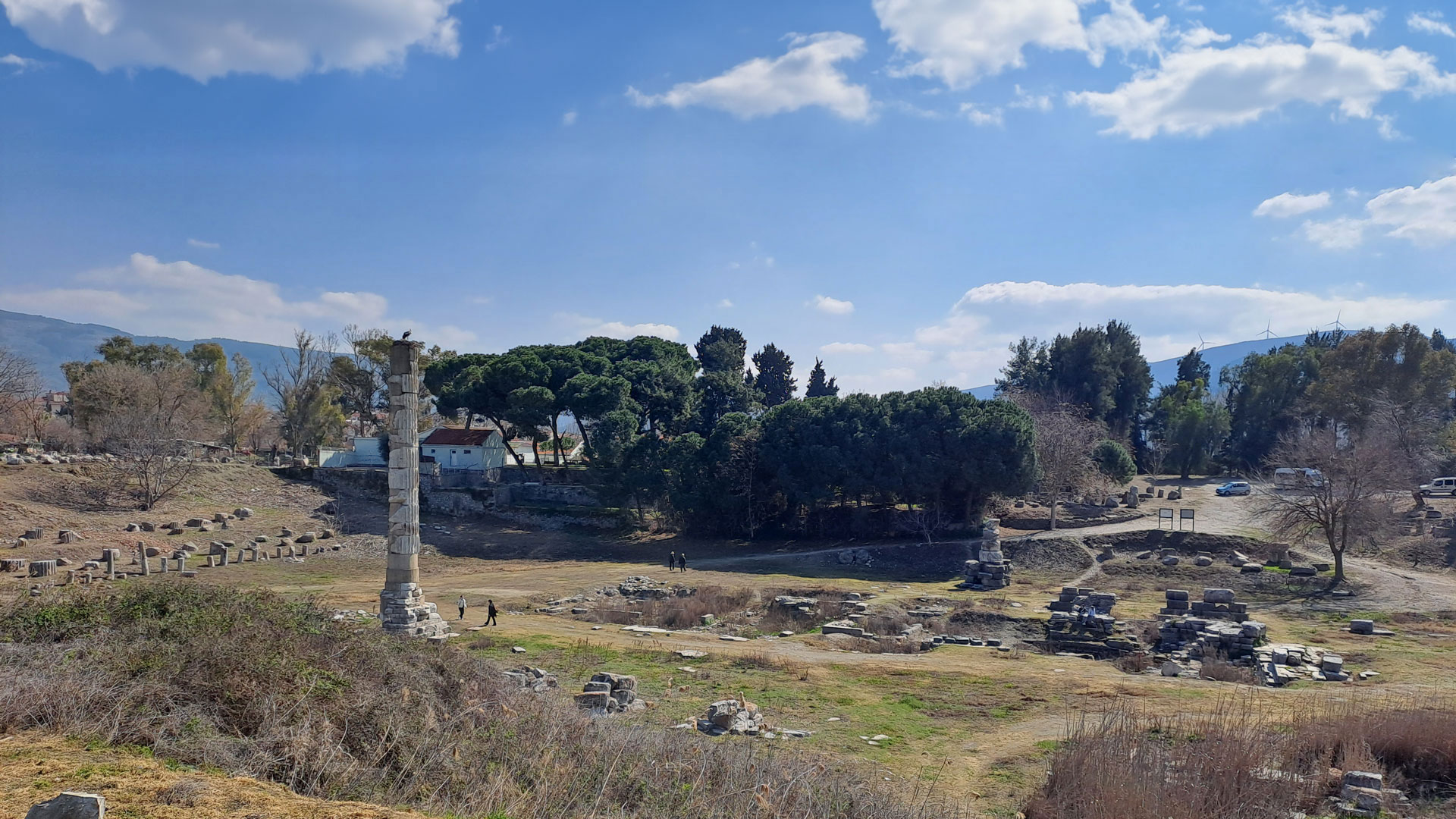
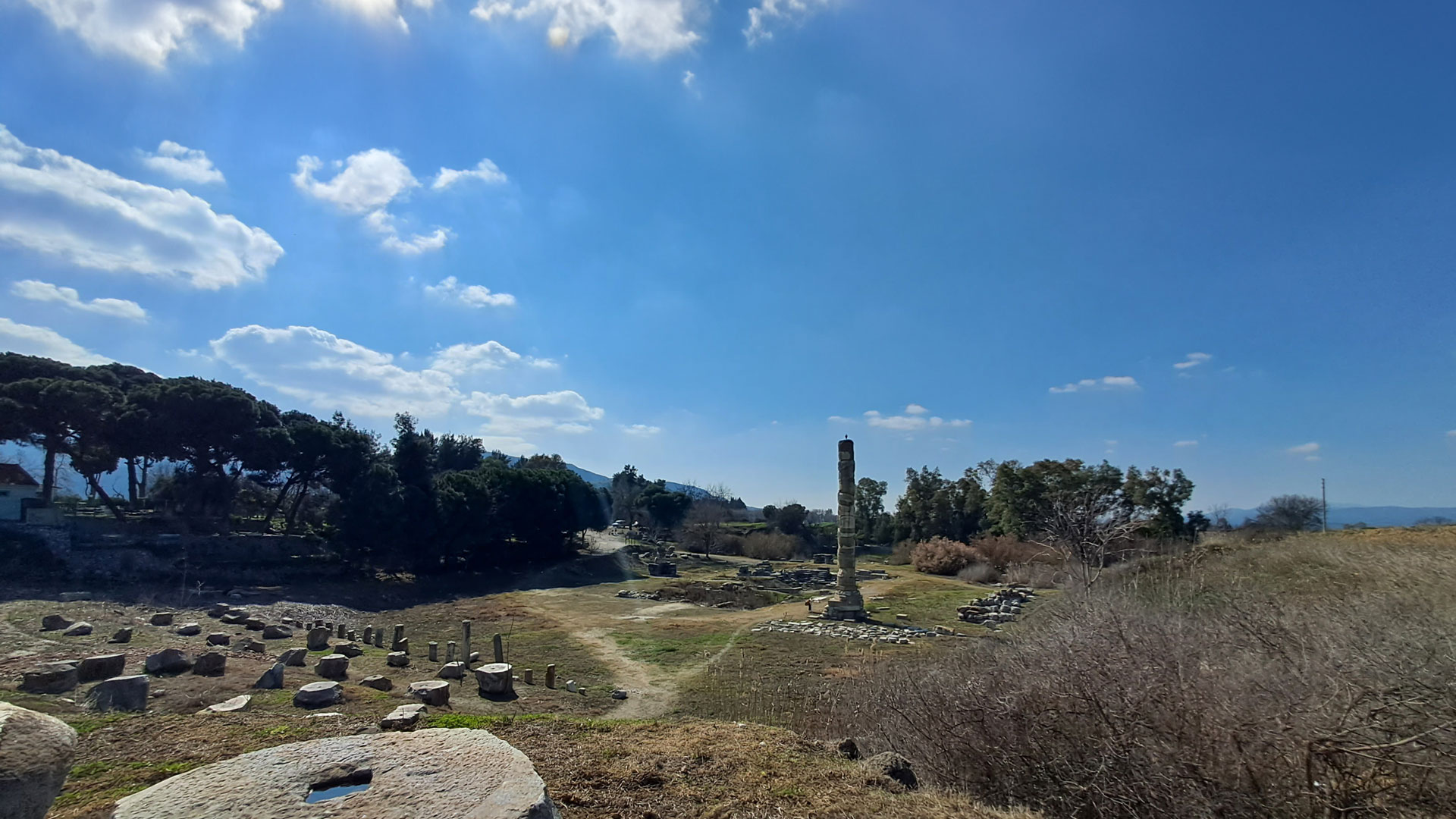
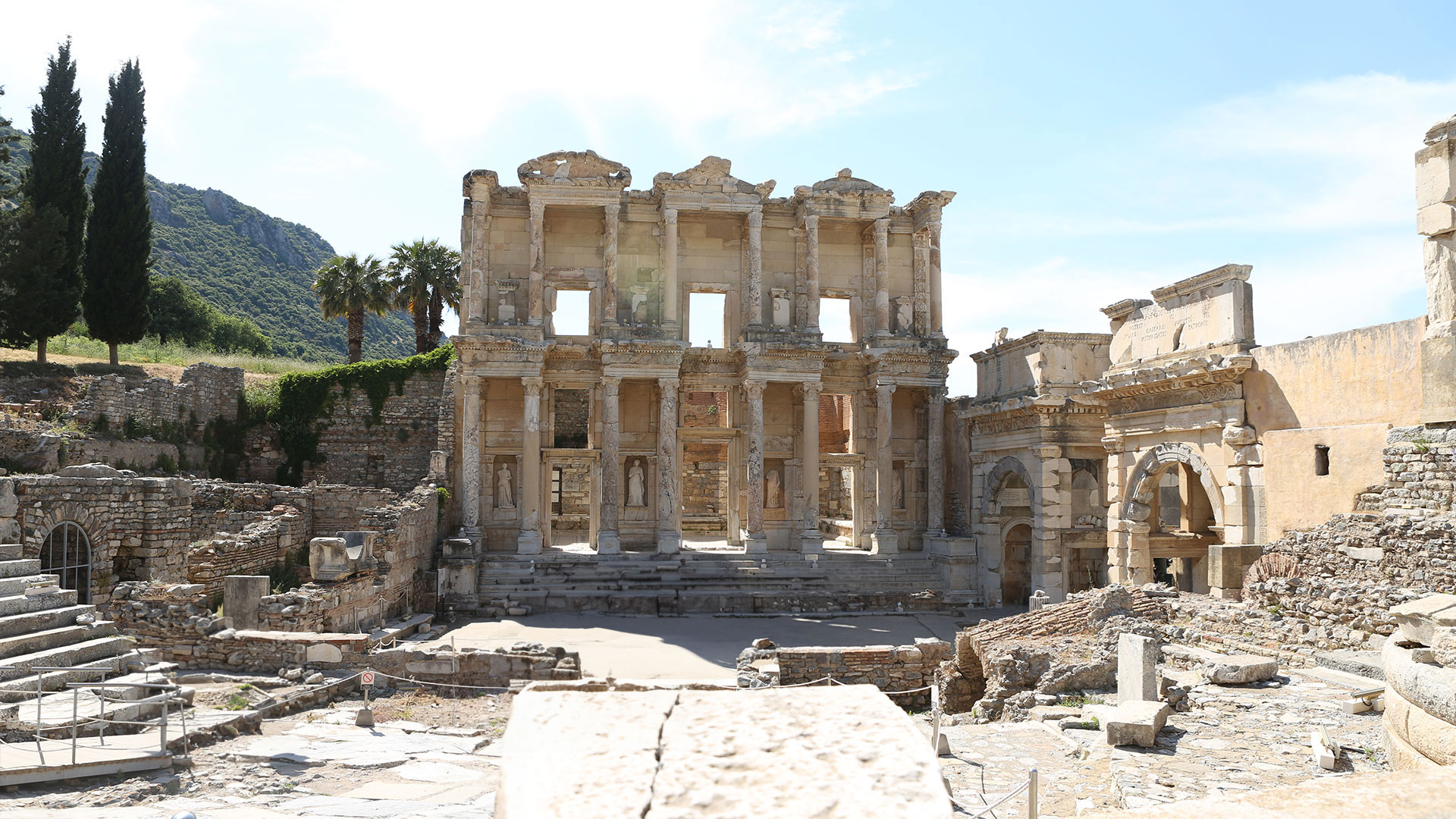
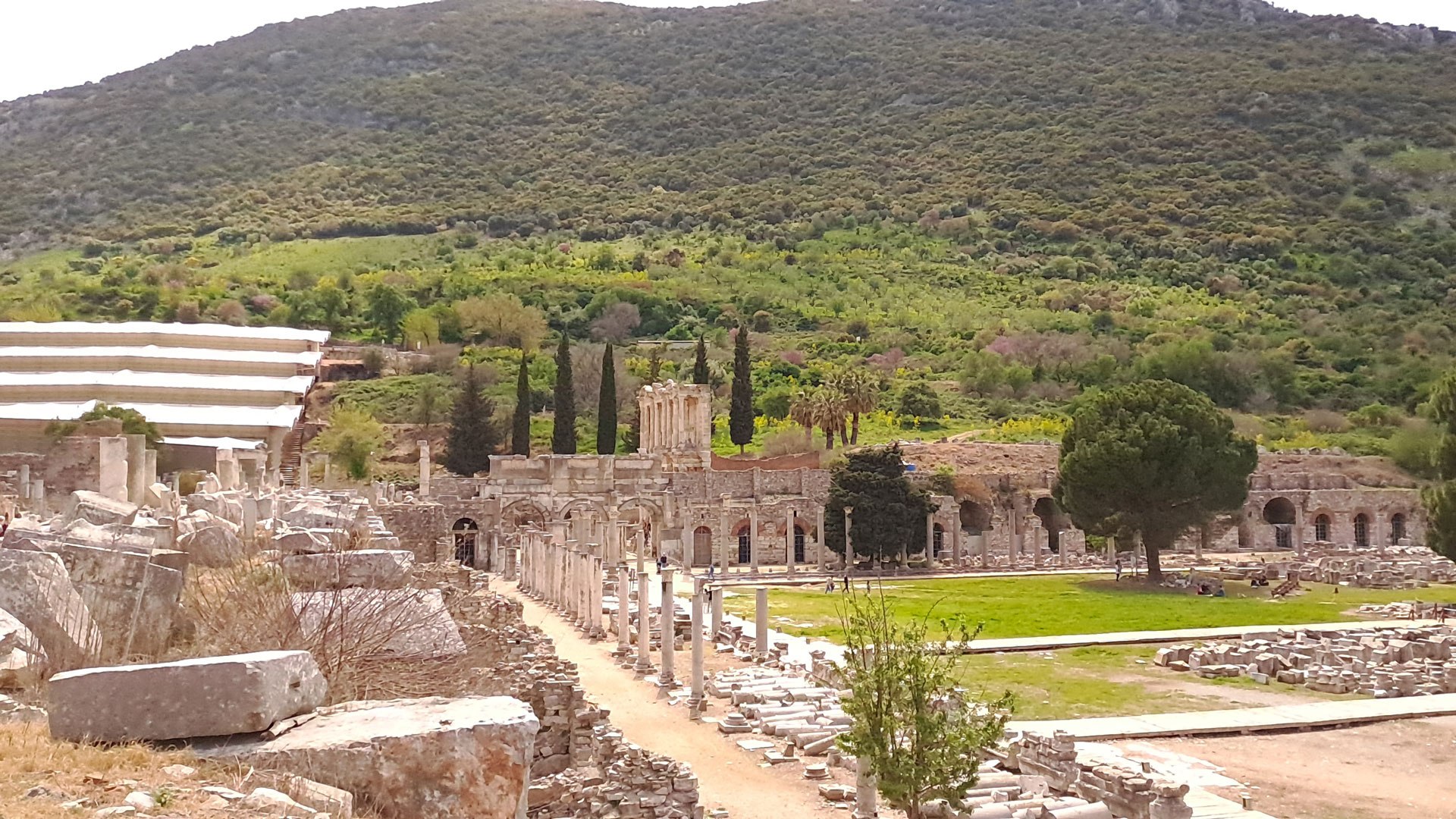
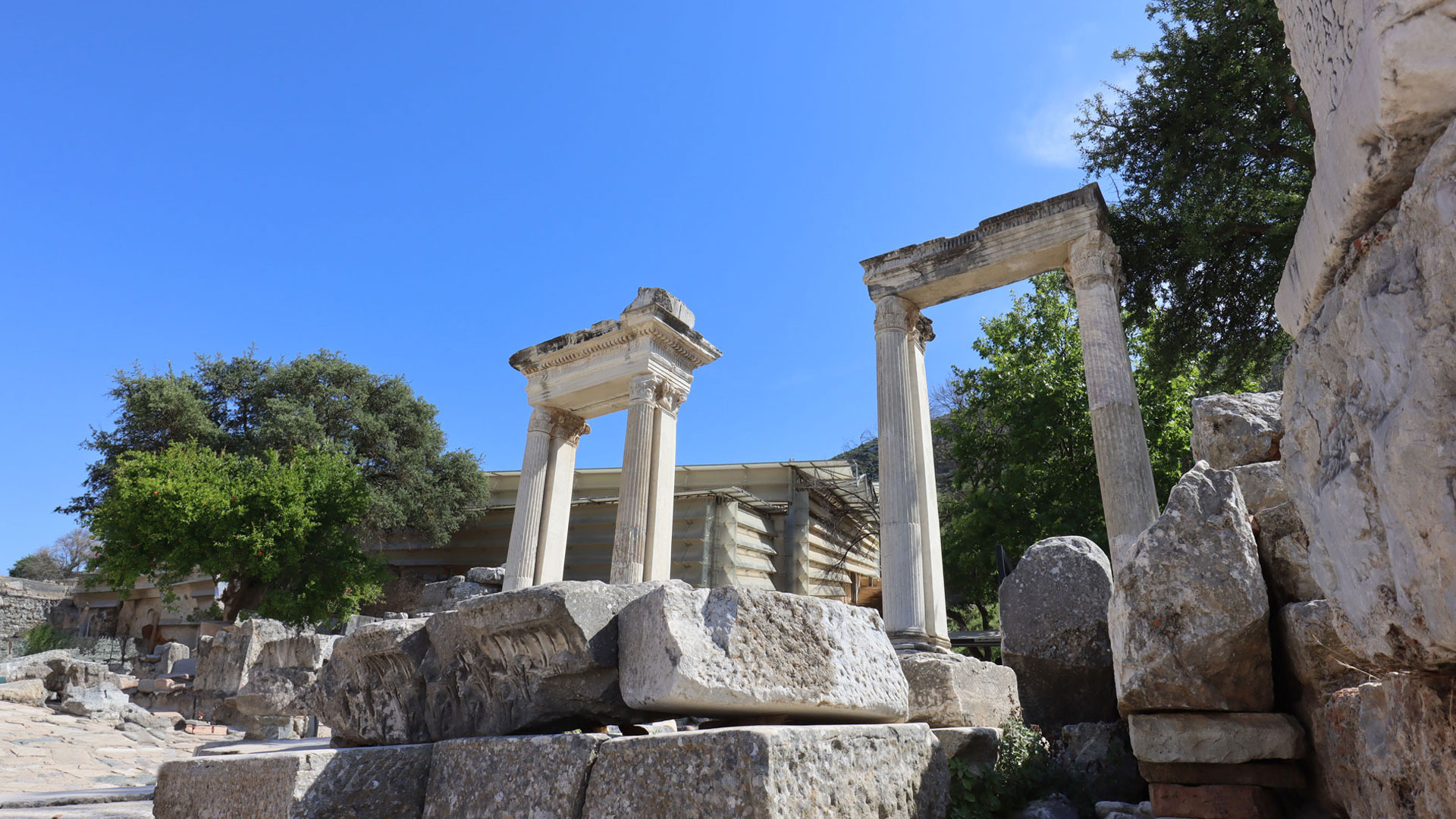
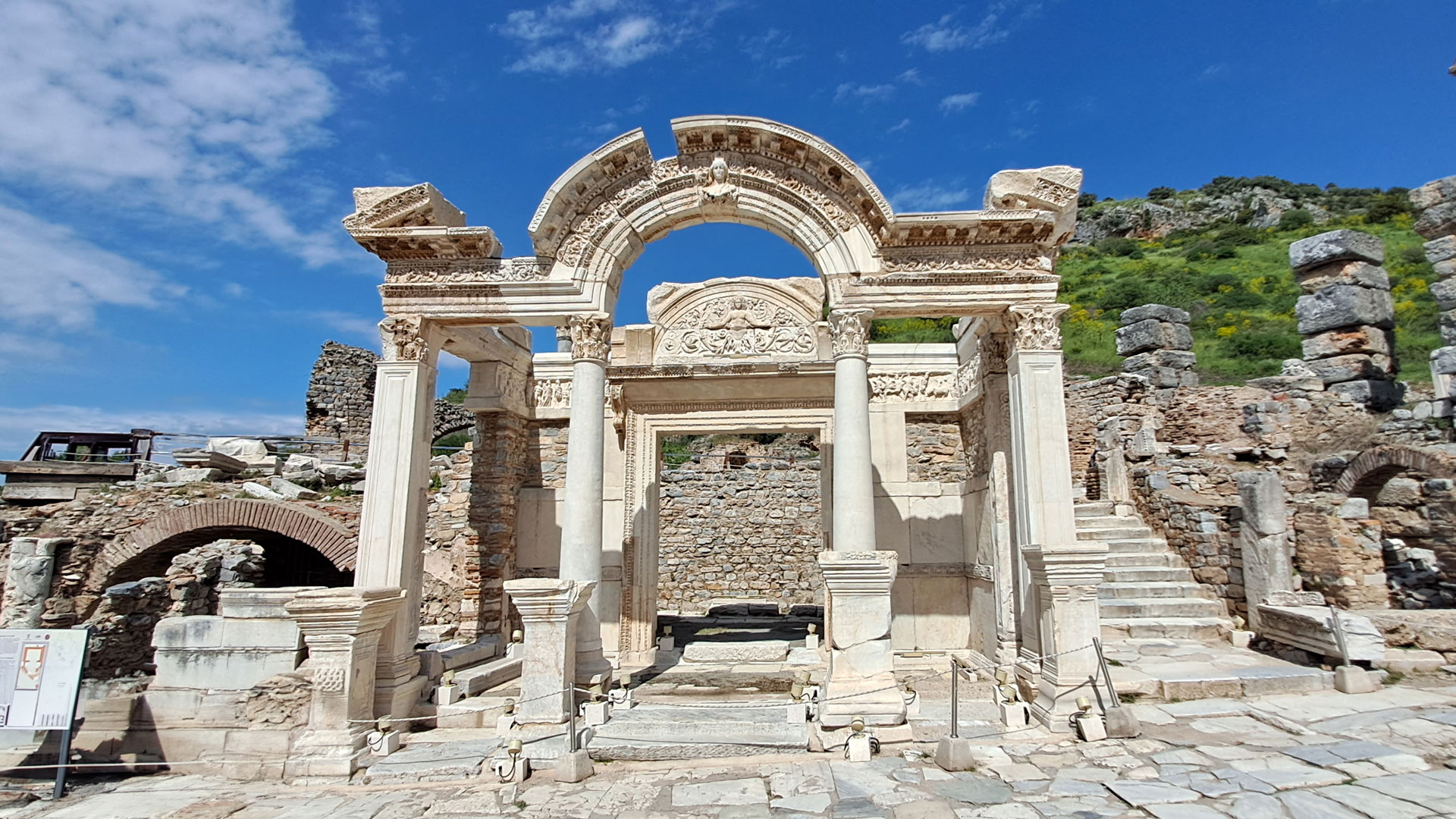
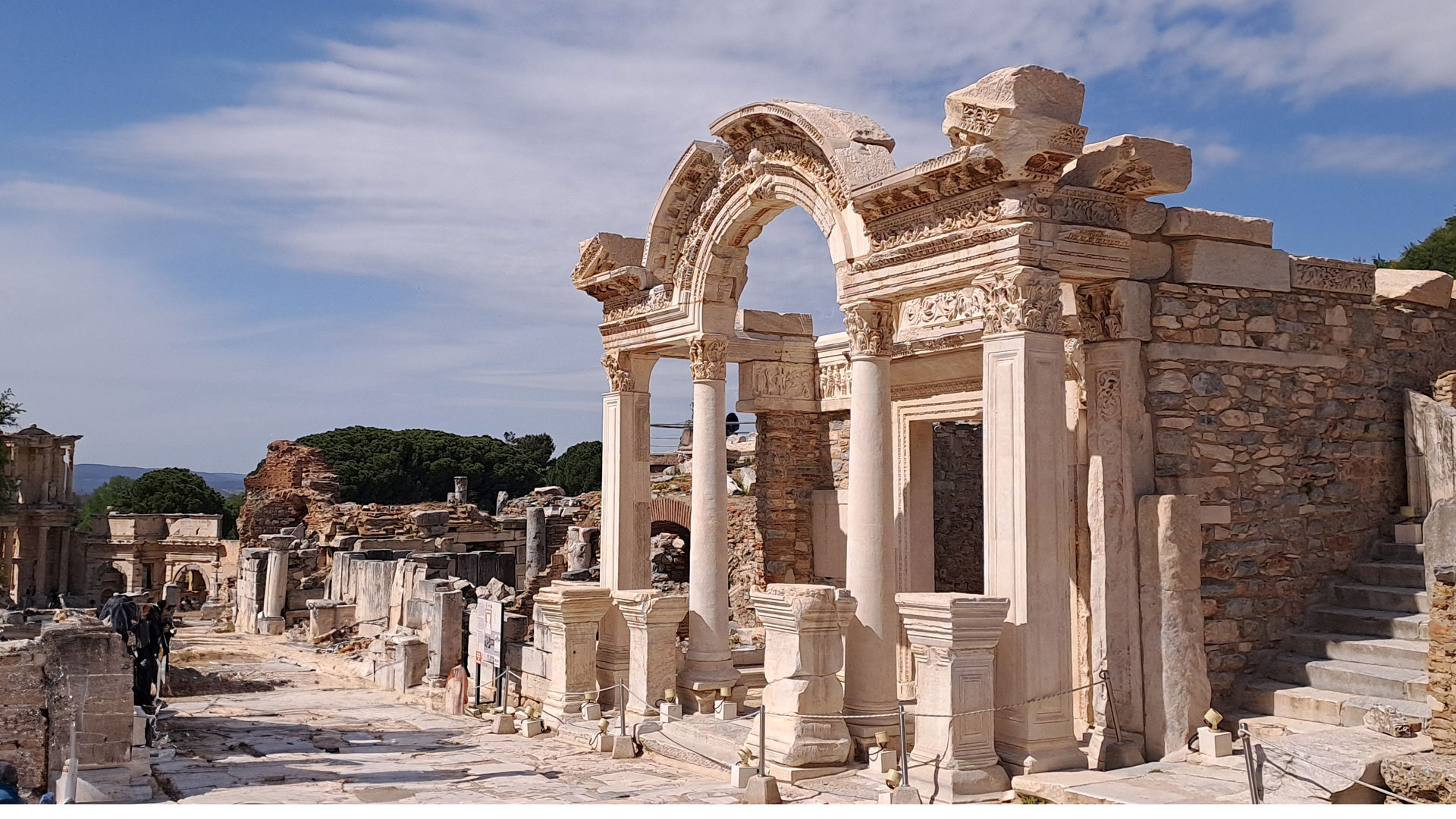
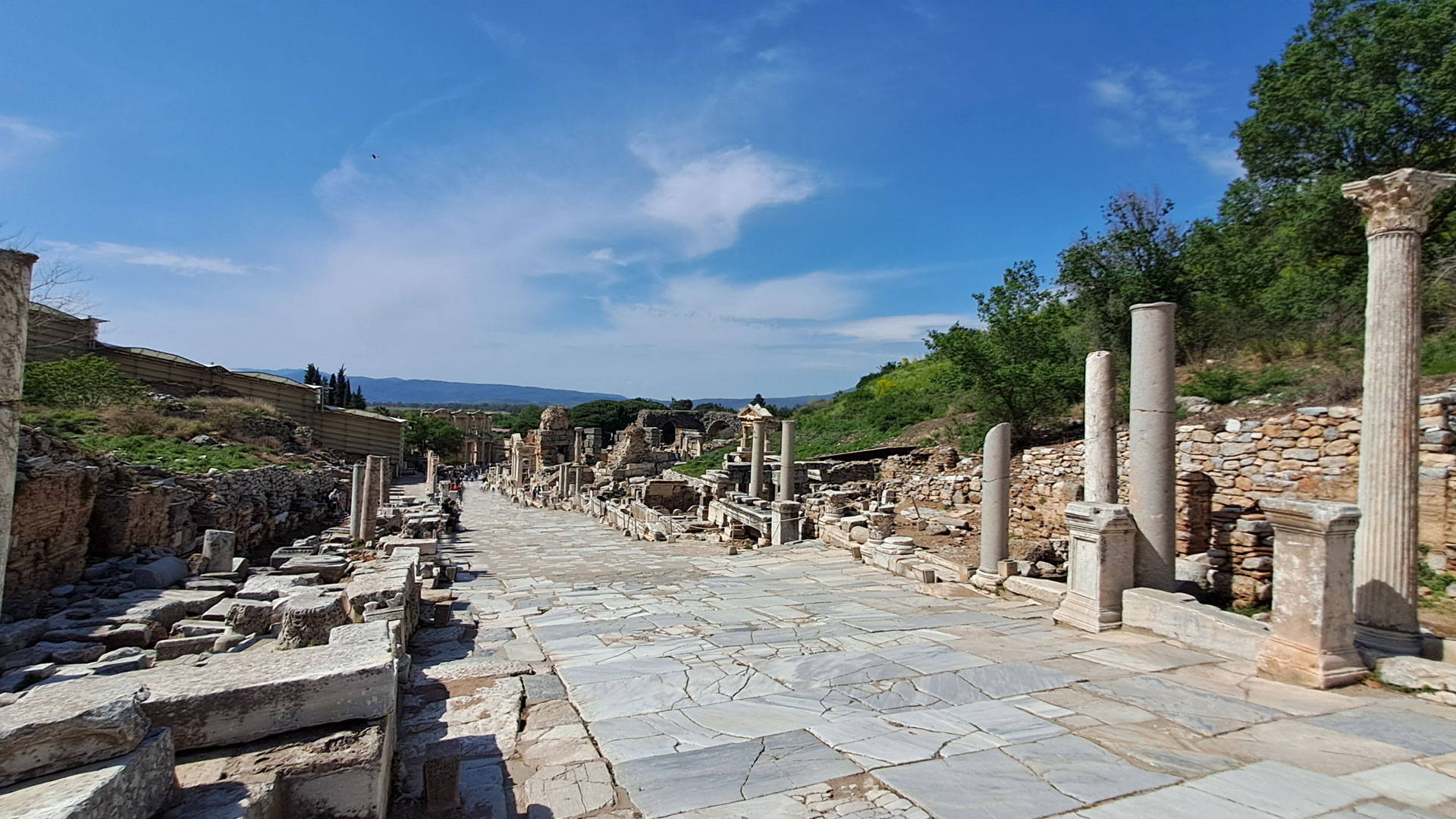
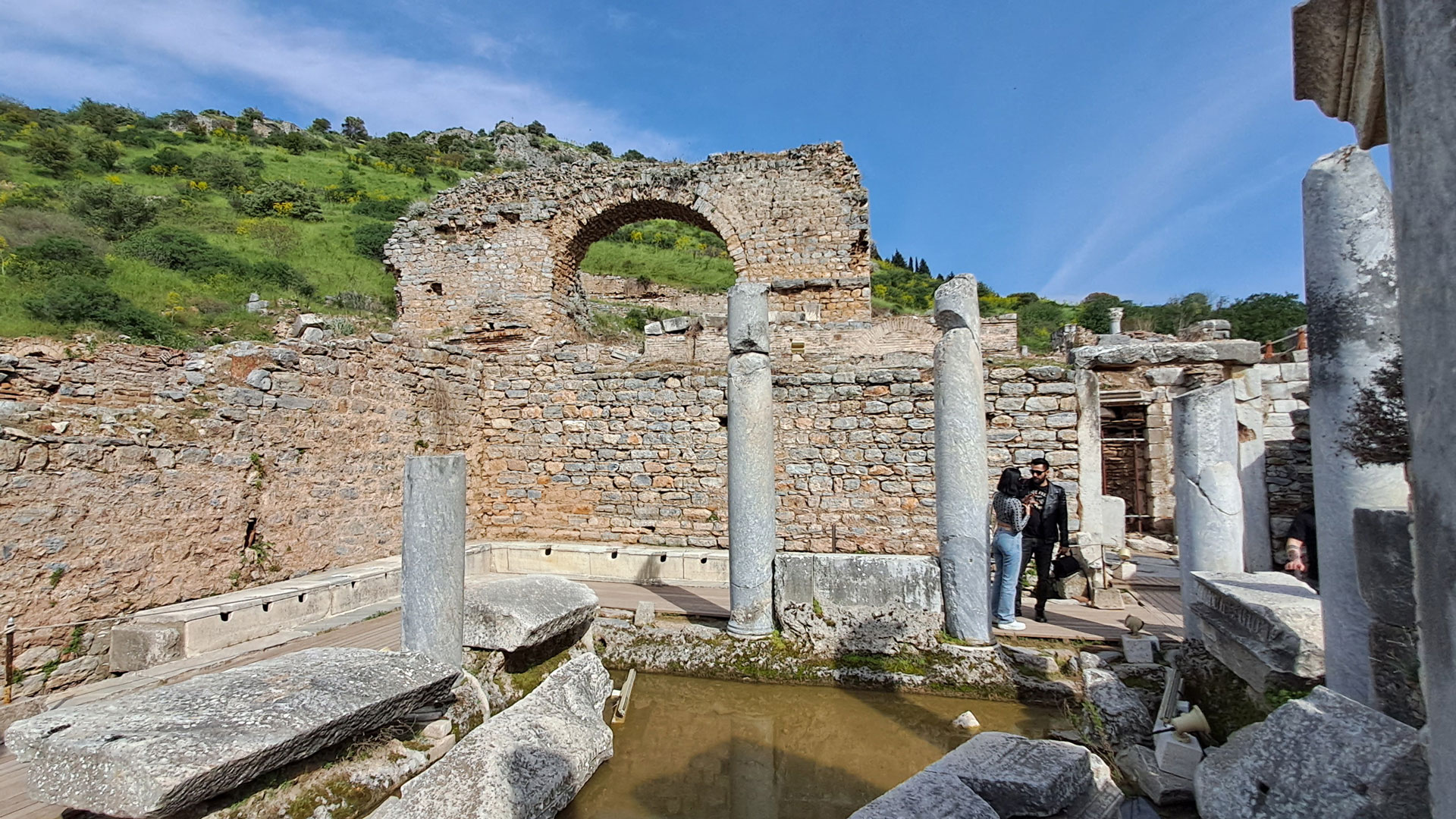
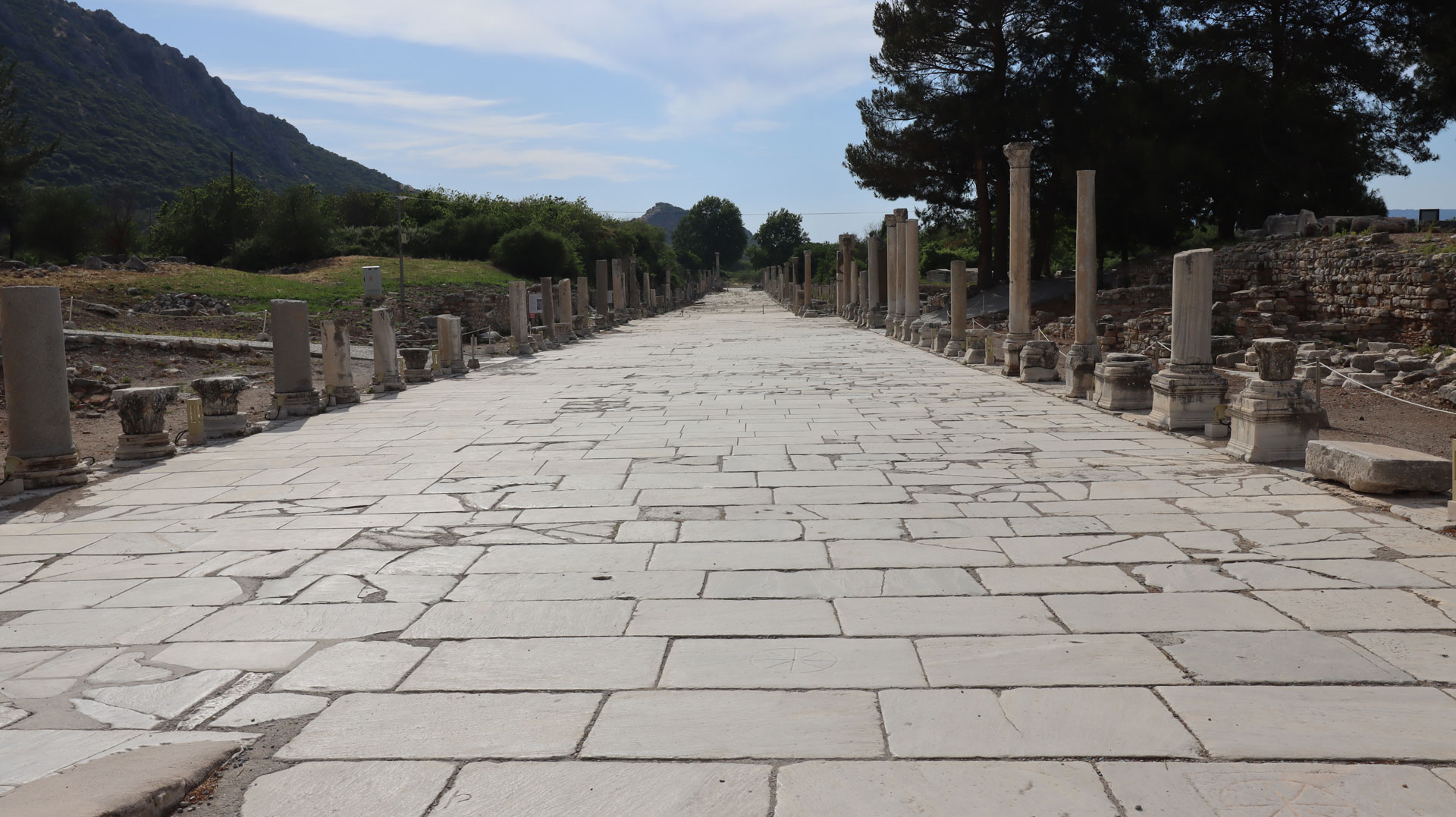
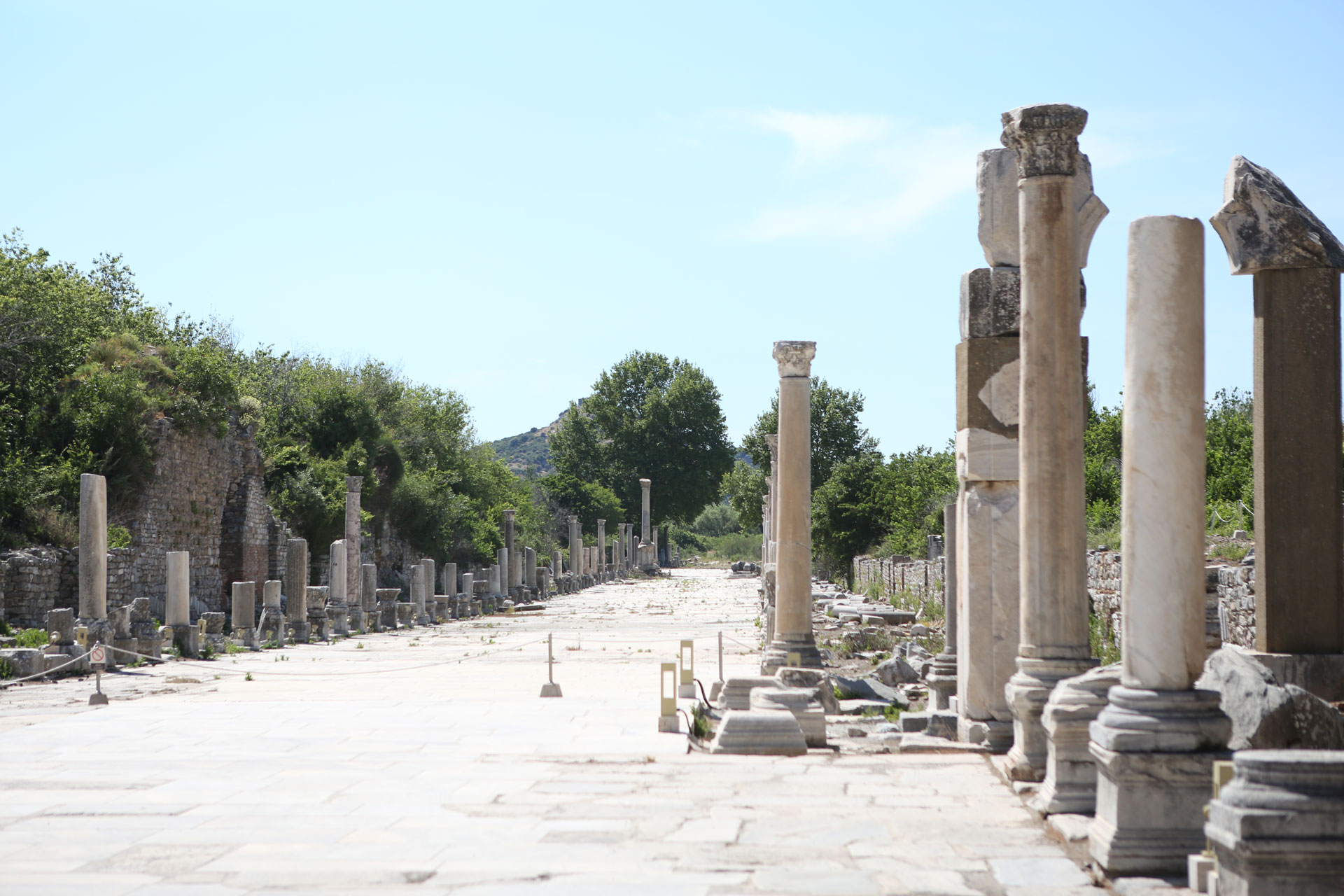
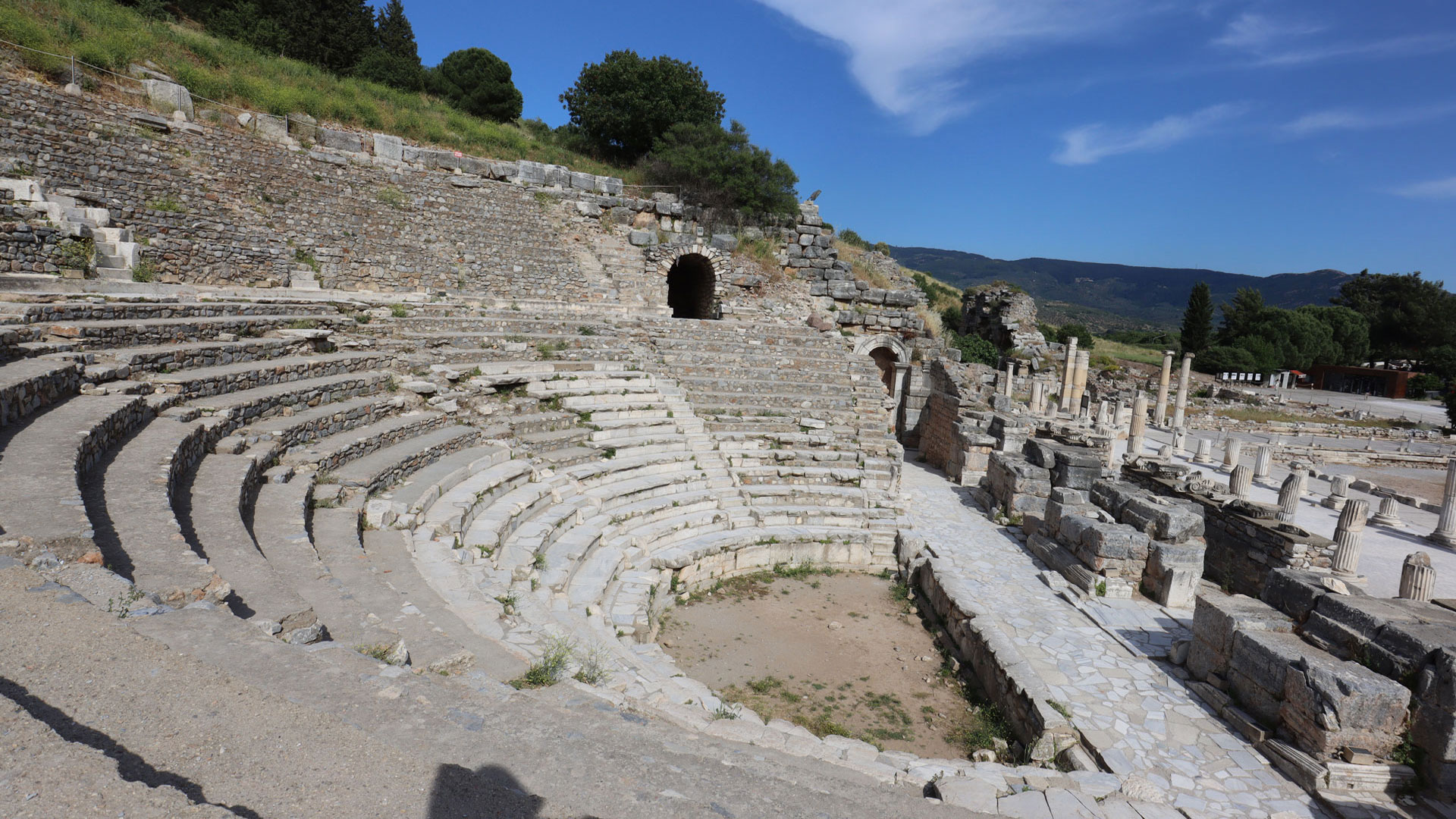
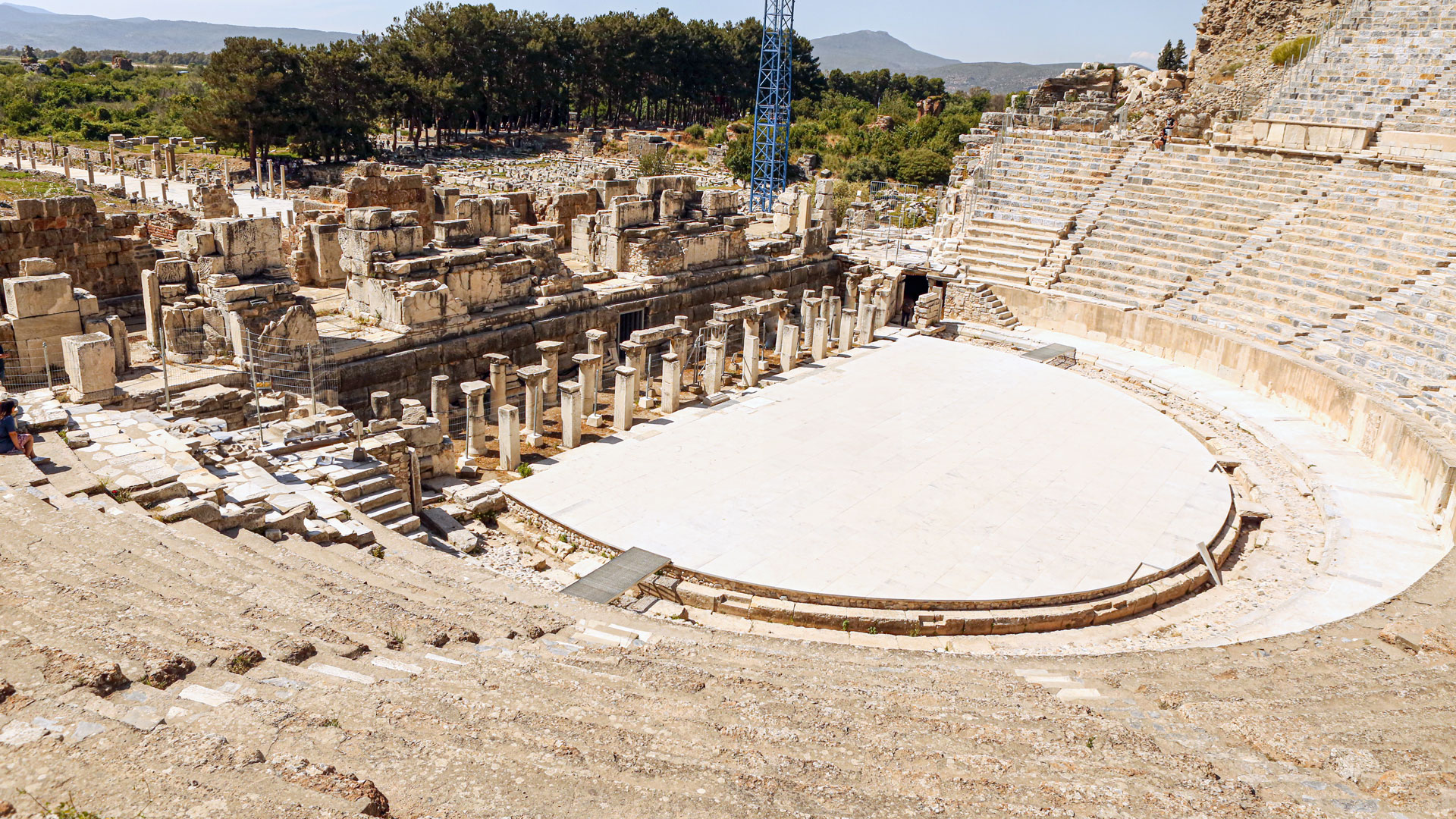
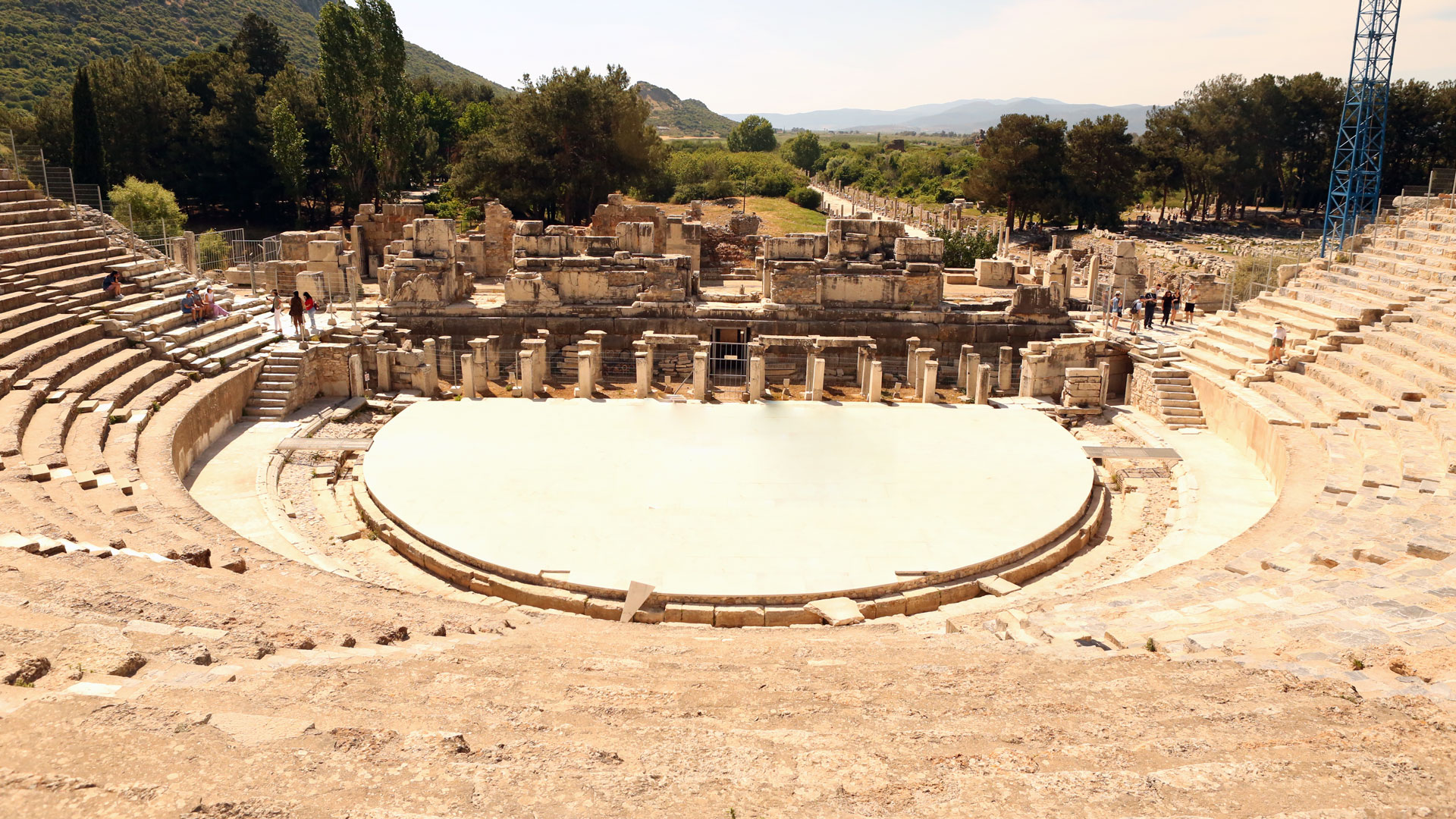
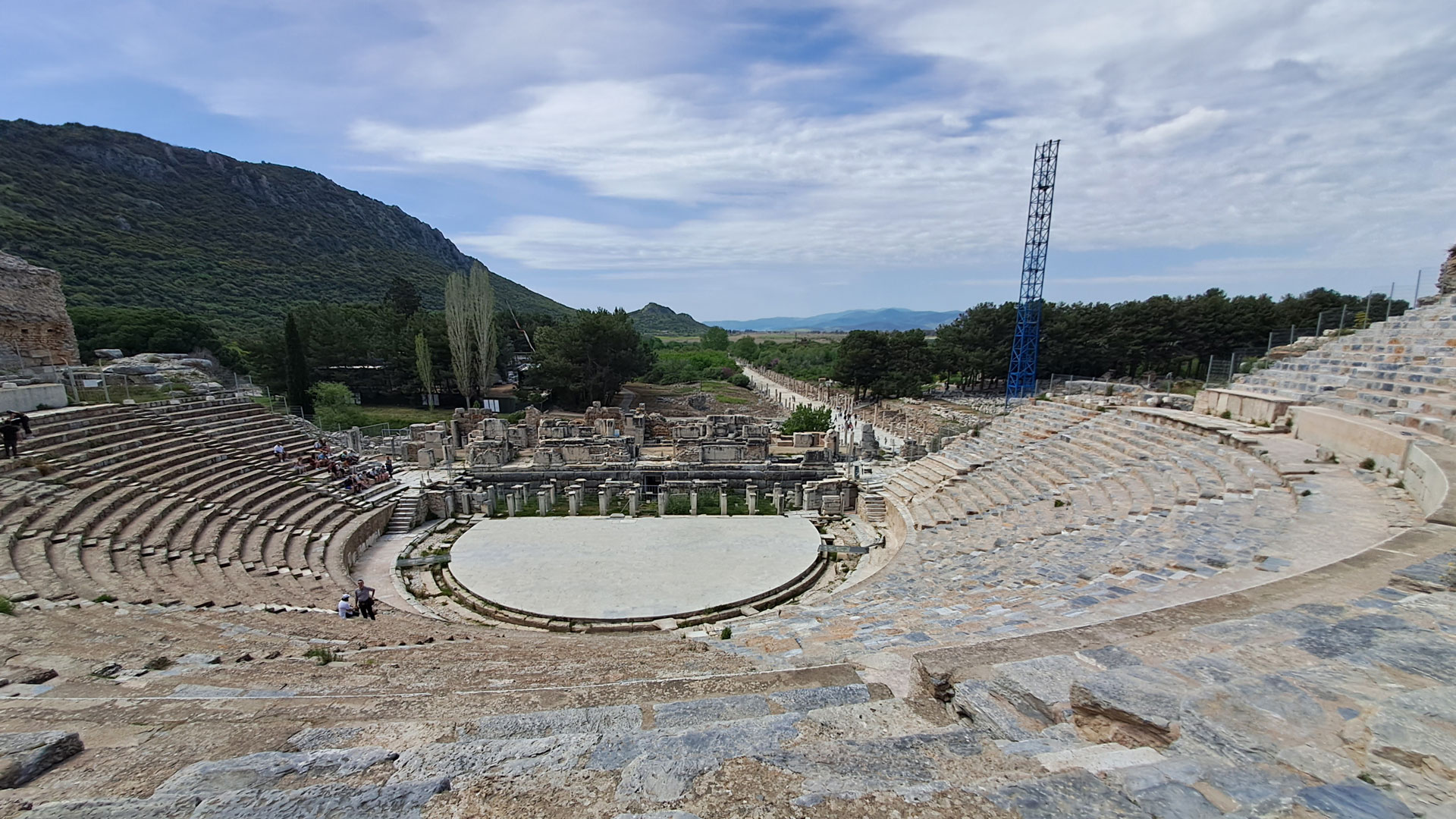
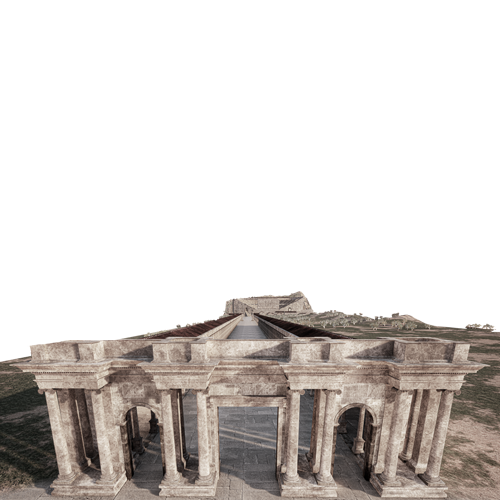
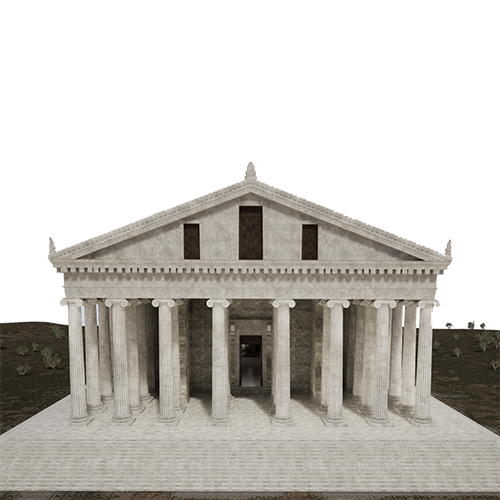
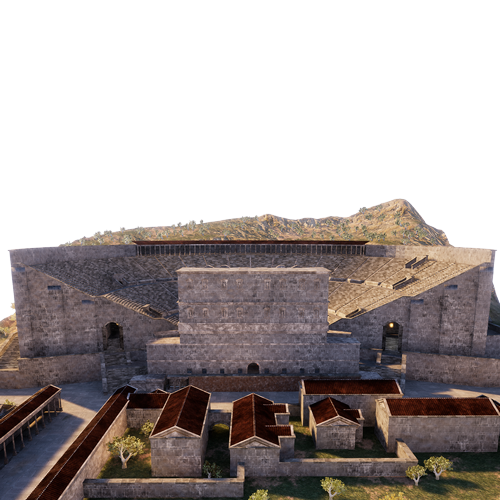
Efes, Batı Anadolu'nun Ege sahilinde bulunan bir yarımada üzerine kurulmuş bir liman kentidir. Günümüzde milyonlarca dünya gezgini Efes'i ziyaret ederek binlerce yıl öncesinin yaşam izlerini görmektedir. Efes'in büyük bir kısmı hala toprak altında bulunmaktadır, ancak arkeolojik kazılarla ortaya çıkarılan kent etkileyici bir şekilde restore edilmiştir. Efes araştırmaları ve kazıları, Türkiye'deki müzelerde ve dünyanın diğer önemli müzelerinde sergilenen eserlerle devam etmektedir.
Efes'in çevresindeki kazı alanlarında yapılan çalışmalar, geçmişi M.Ö. 8200'lere kadar götüren yeni bulgular ortaya çıkarmıştır. Hititler Dönemi'nde Arzawa Ülkesi içindeki Apasas'ın Ayasuluk Tepesi'nde yerleşim olduğu düşünülmektedir. Efes'i tam olarak keşfedebilmek için meraklı gezginlerin daha fazla zaman ayırması gerekmektedir, çünkü on bin yıllık bir geçmişe sahip olan Efes'in izlerini takip etmek birkaç günü aşabilir.
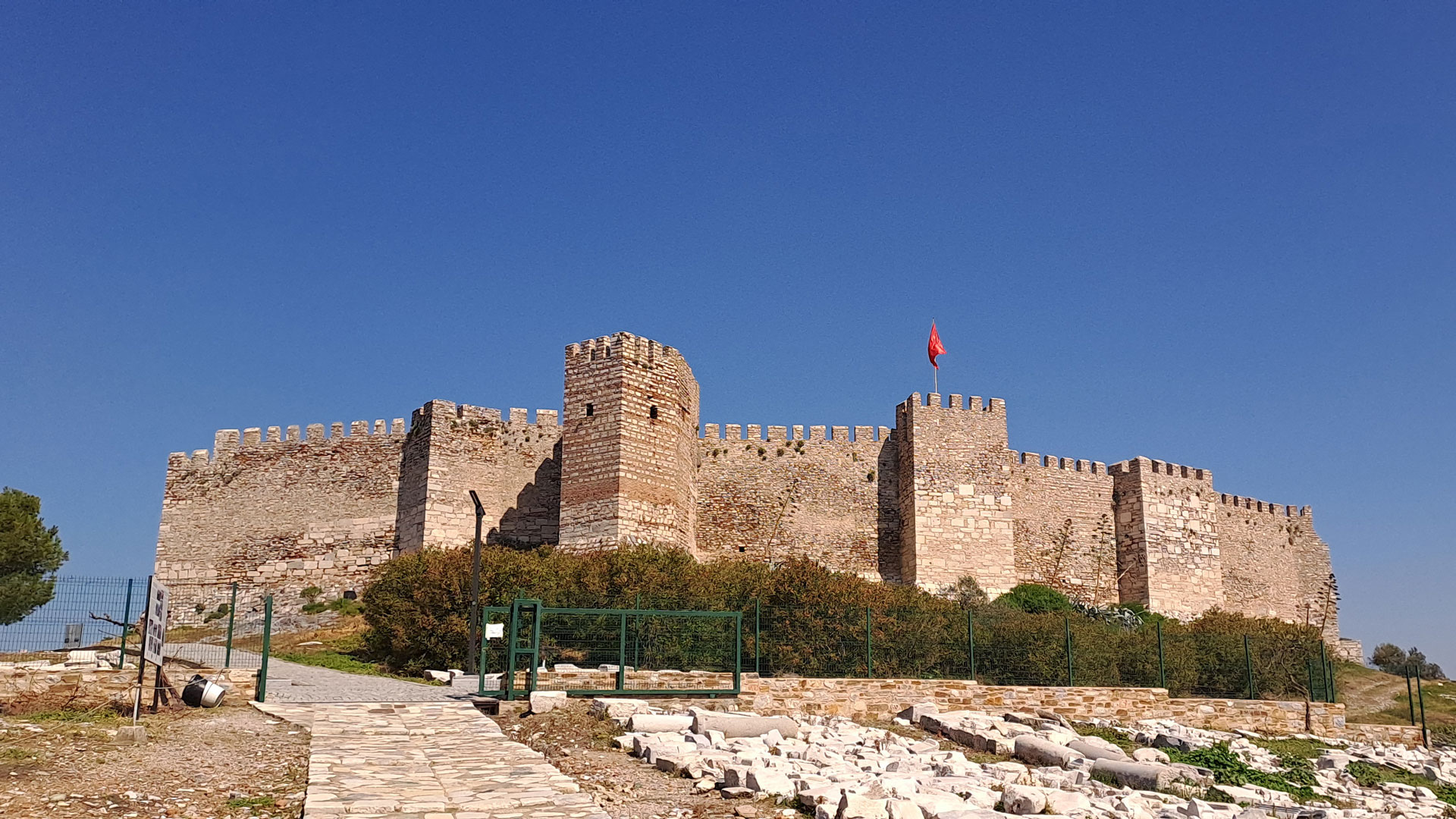
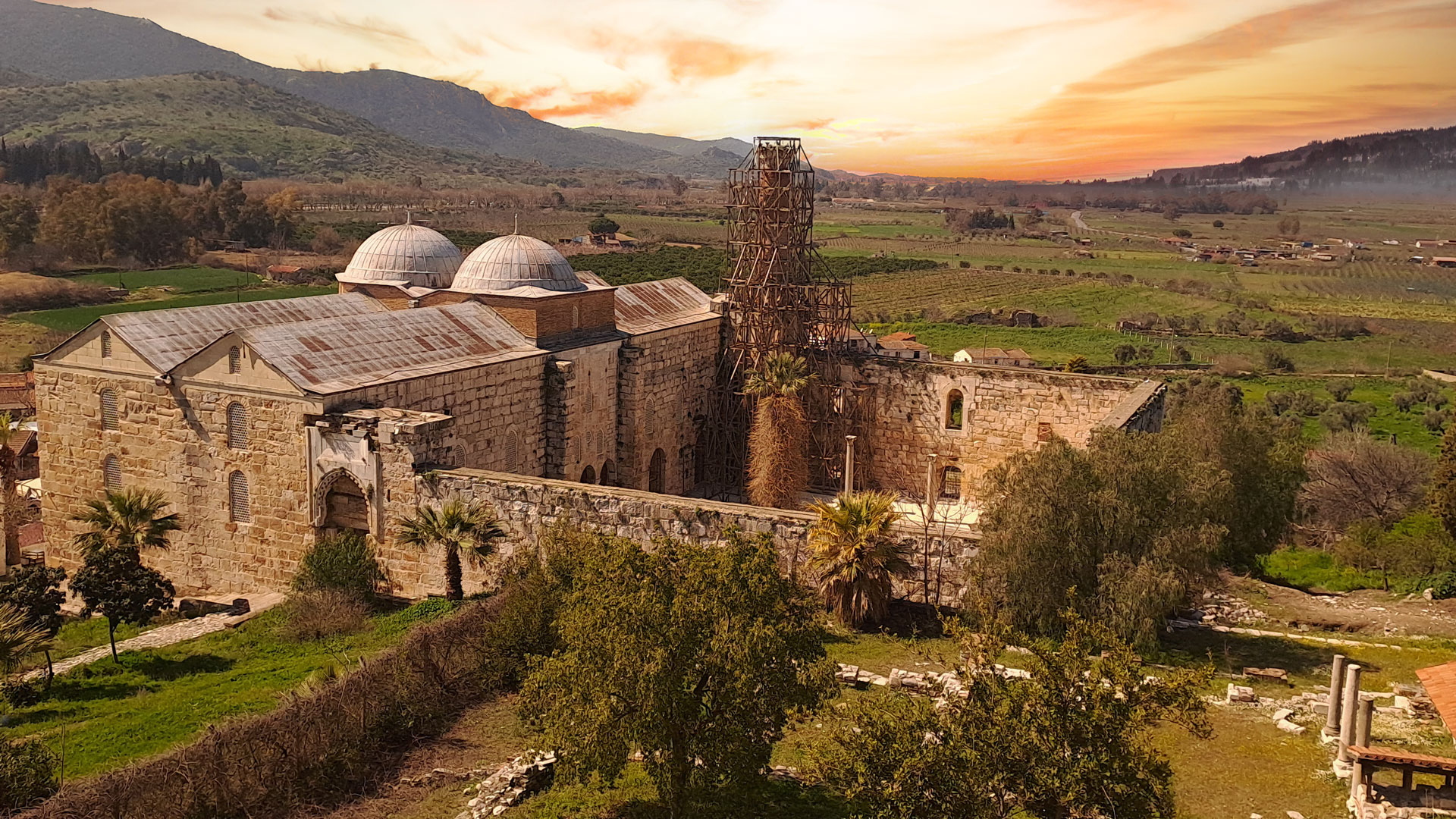
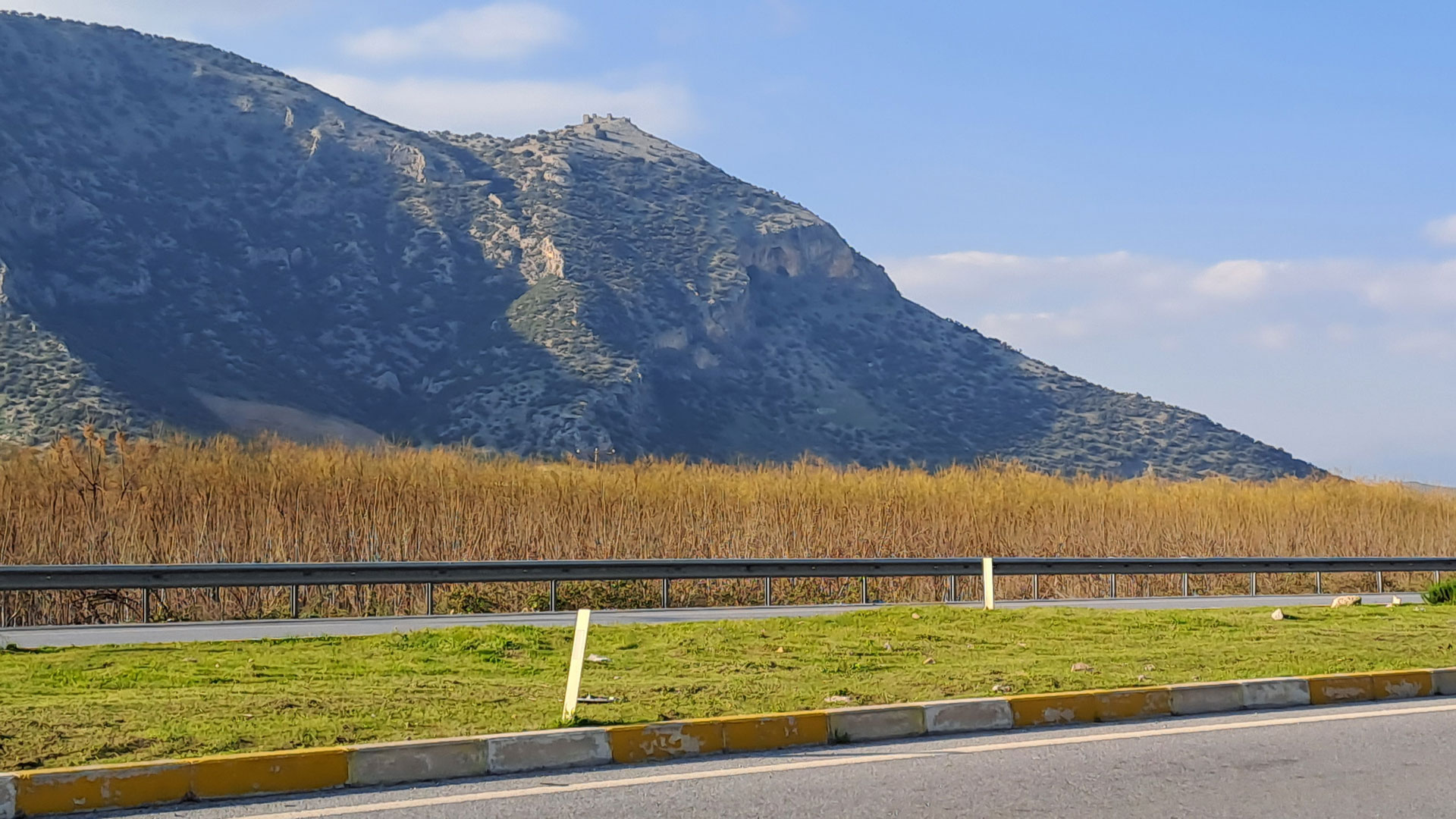
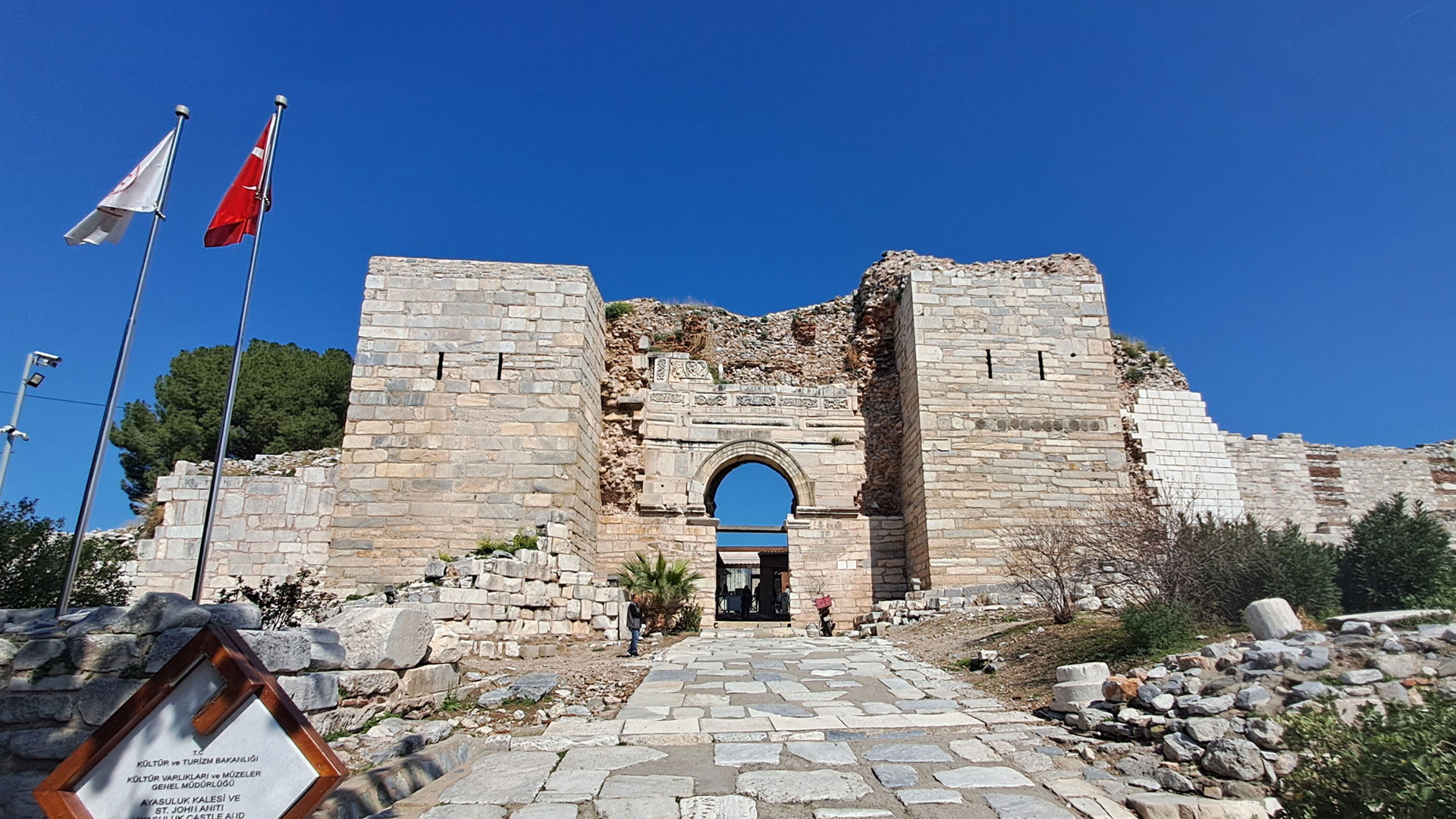
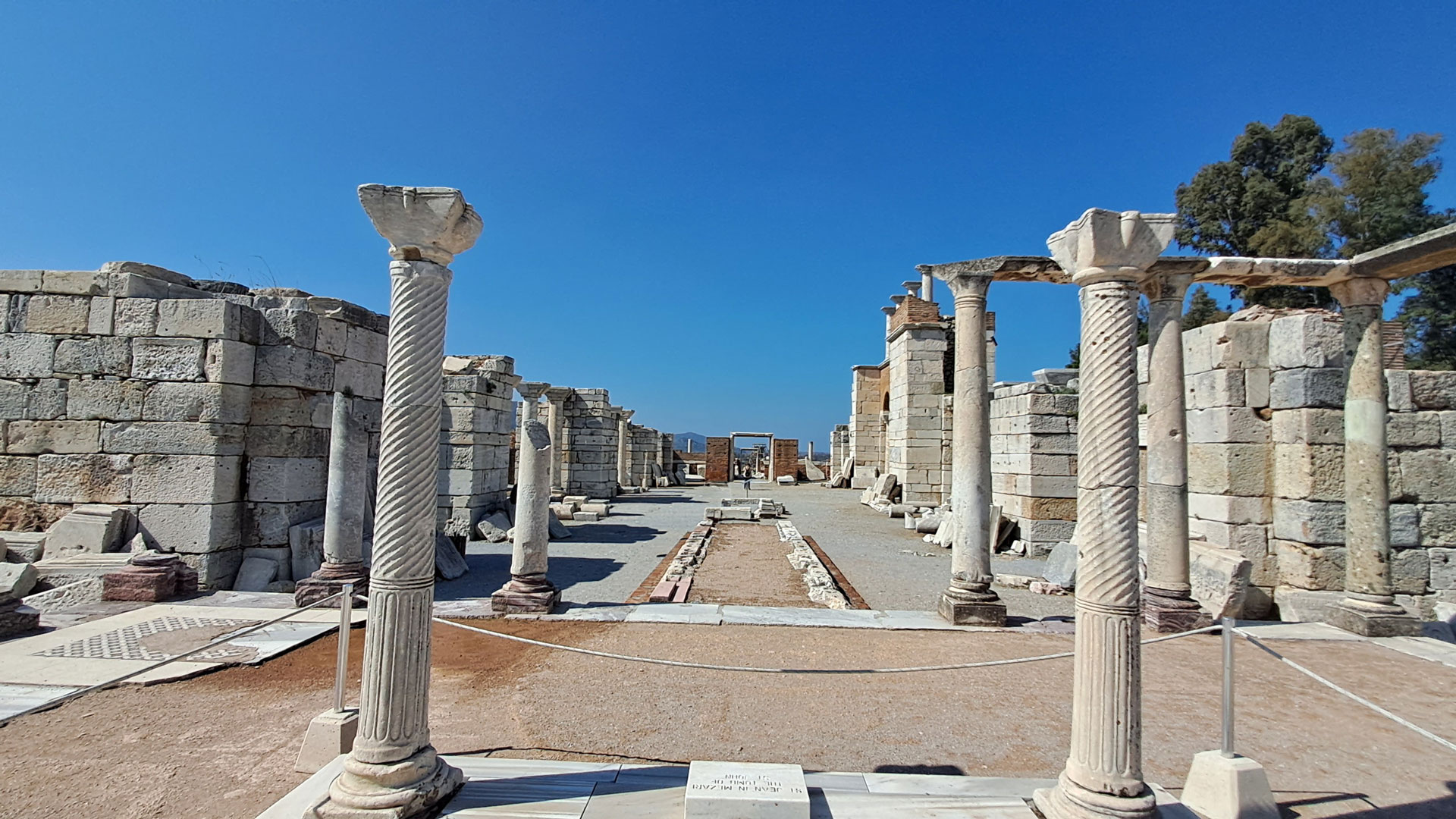
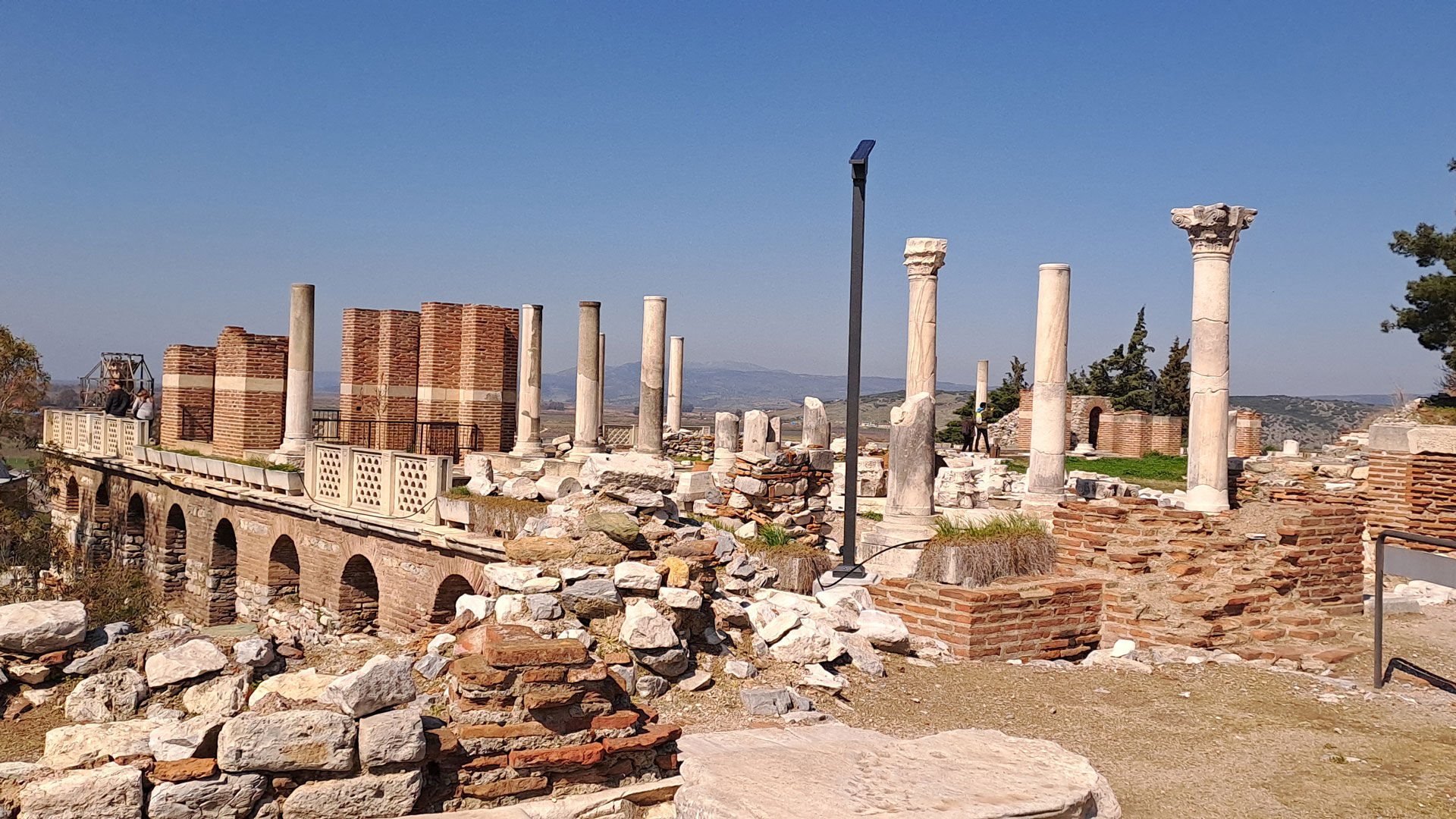
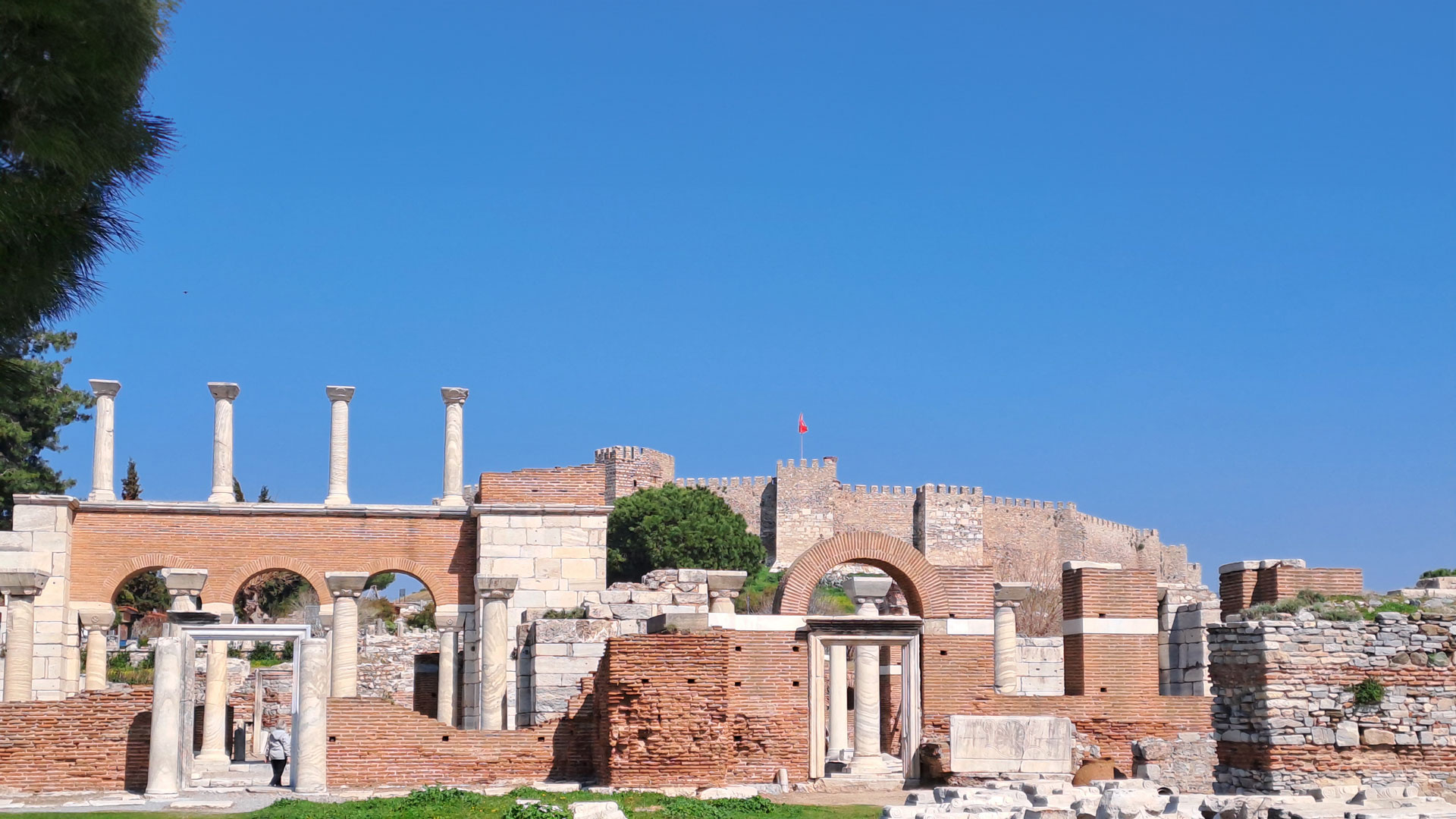
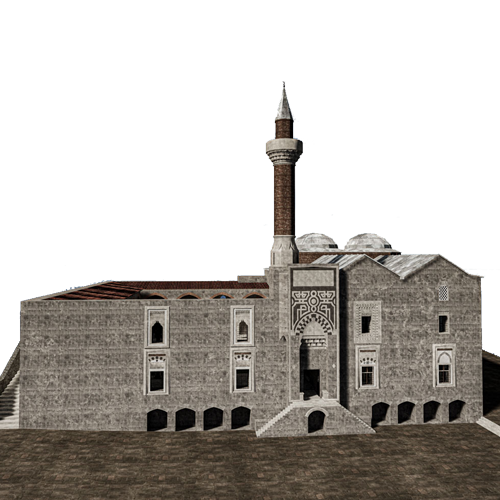
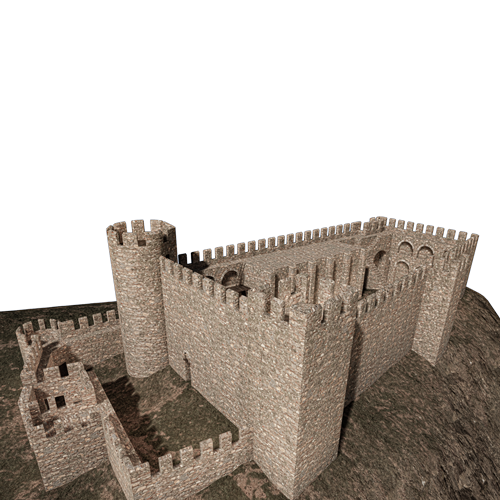
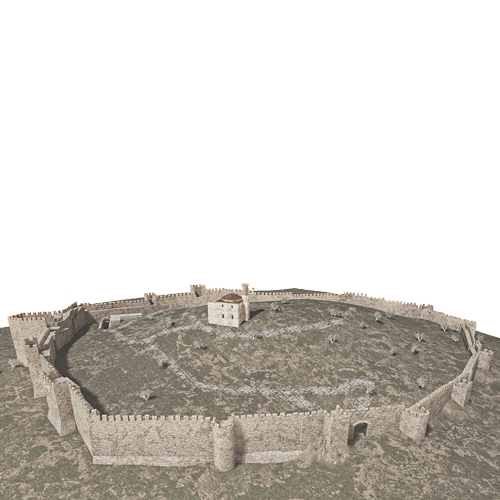
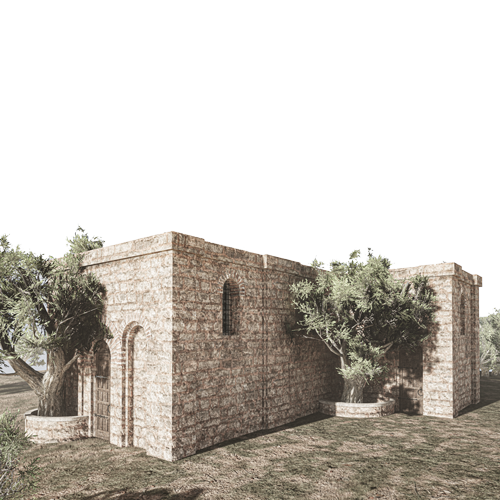
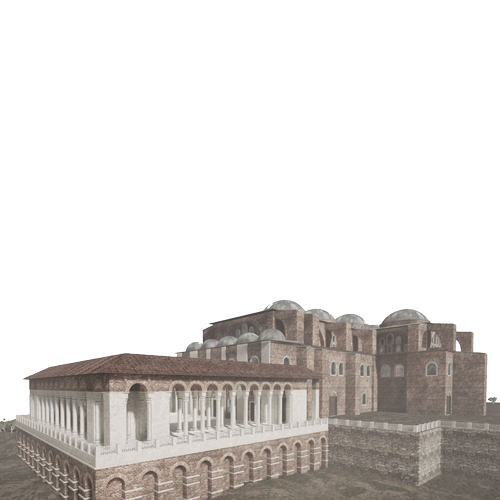
Efes'teki arkeolojik alanlarda, Selçuk ilçesindeki Ayasuluk Tepesi'nde bulunan Kale, St. Jean Kilisesi ve Selçuklu Beyliği dönemine ait İsa Bey Camisi gibi yapılar, Neolitik dönemden Roma'ya, Doğu Roma (Bizans) ve Osmanlı İmparatorluğu'na kadar uzanan dönemlerden kalmış yapılar ya da buluntularla birlikte Efes'in geçmişine dair izler sunmaktadır.
Günümüzde Efes Limanı artık kullanılmamaktadır ve kent limanı bataklık halindedir. Ege Denizi de kenti terk etmiş ve 9 kilometre açığa çekilmiştir. Ancak bu duruma rağmen milyonlarca gezgin, yeniden restore edilen Efes'i görmek için yollara düşmektedir.
Özet olarak, Efes Antik Kenti Batı Anadolu'nun önemli bir turistik destinasyonudur. Binlerce yıl öncesinin yaşam izlerini görmek ve arkeolojik eserleri keşfetmek için milyonlarca ziyaretçi Efes'i ziyaret etmektedir.
Ephesus is a port city located on a peninsula along the Aegean coast of Western Anatolia. Today, millions of global travelers visit Ephesus to witness the traces of life from thousands of years ago. While a significant portion of Ephesus still lies underground, the city has been impressively restored through archaeological excavations. Research and excavations in Ephesus continue, with the artifacts being exhibited in museums in Turkey and other important museums around the world.
Studies conducted in the surrounding excavation sites of Ephesus have revealed new findings that date back to around 8200 BC. It is believed that there was a settlement in Ephesus, known as Apasas, within the Arzawa Kingdom during the Hittite period. To fully explore Ephesus, curious travelers need to allocate more time as tracing the footsteps of Ephesus, which has a history of ten thousand years, can exceed a few days.
Archaeological sites in Ephesus, such as the Castle located on Ayasuluk Hill in the Selçuk district, structures like St. John's Church, and the İsa Bey Mosque from the Seljuq period, offer glimpses into the history of Ephesus spanning from the Neolithic period to the Roman, Eastern Roman (Byzantine), and Ottoman Empires.
The Ephesus Port is no longer in use today, and the city's harbor is in a marshy state. The Aegean Sea has also retreated from the city and is now 9 kilometers away. Nevertheless, despite these circumstances, millions of travelers embark on journeys to see the restored Ephesus.
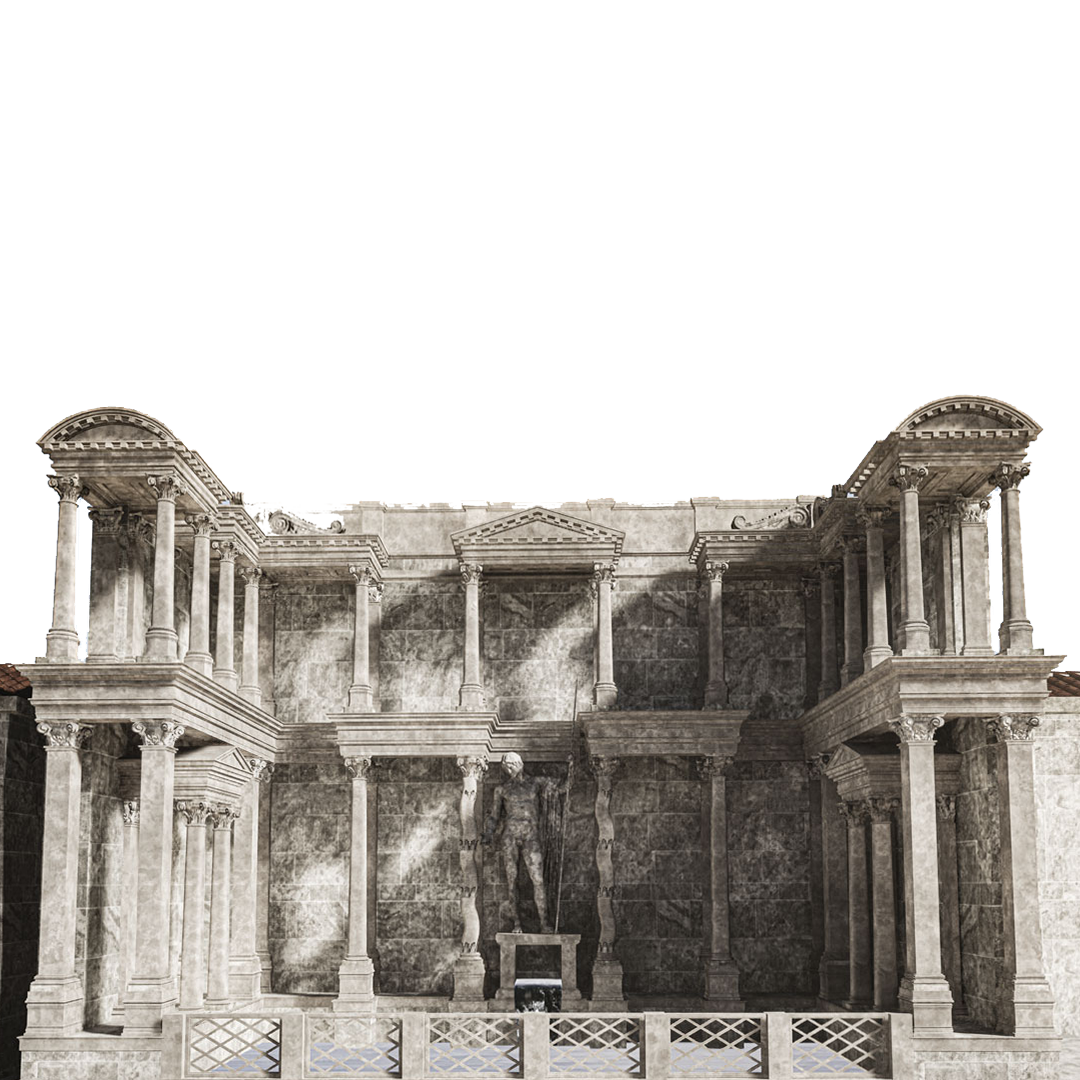
In summary, Ephesus Ancient City is an important tourist destination in Western Anatolia. Millions of visitors come to Ephesus to witness the traces of life from thousands of years ago and explore archaeological artifacts.
Antik Kantler Serisi 2, “Efes ve Diğer İon Kentleri”,(2017), Uranüs yayınları, 2. Baskı, Sayfa 8.