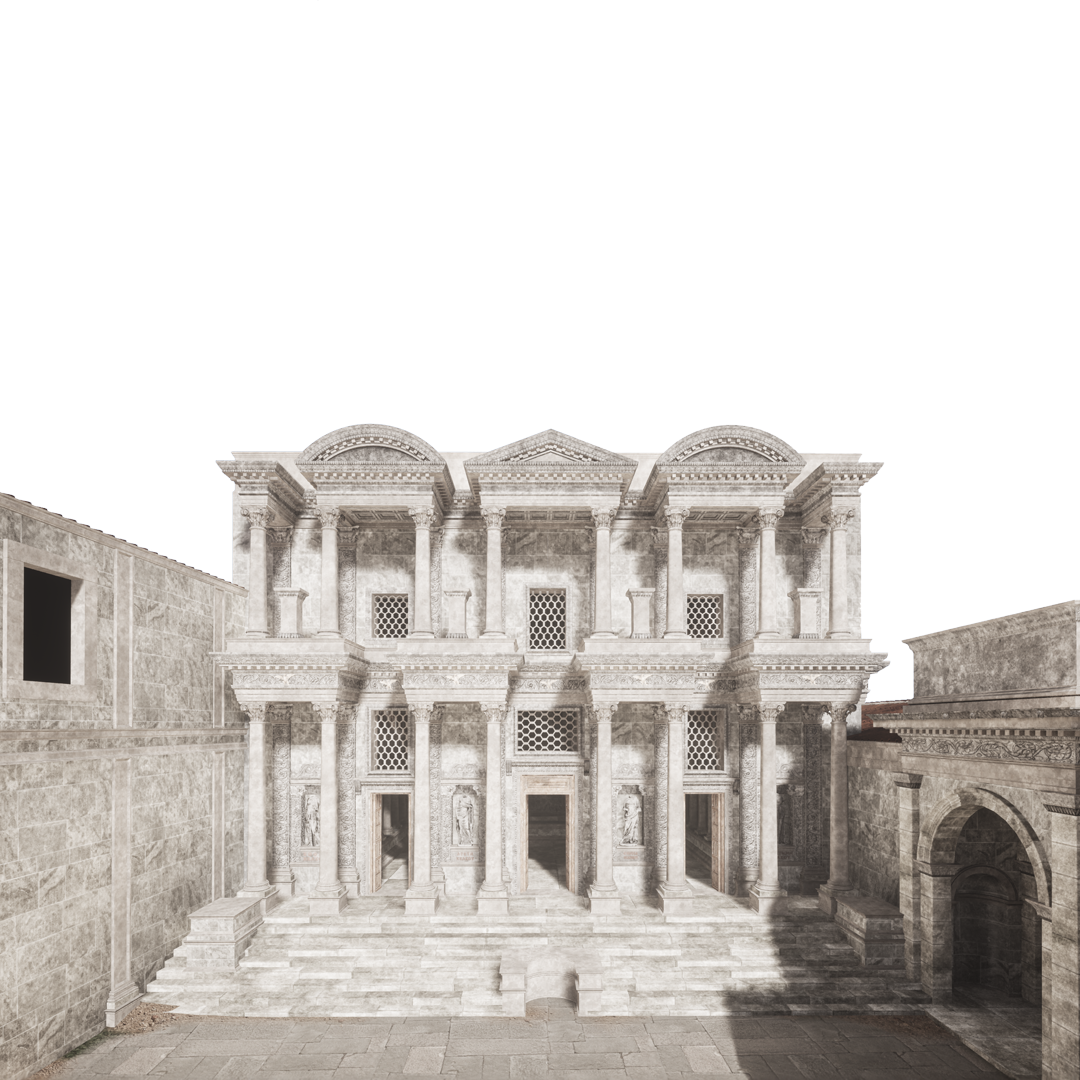
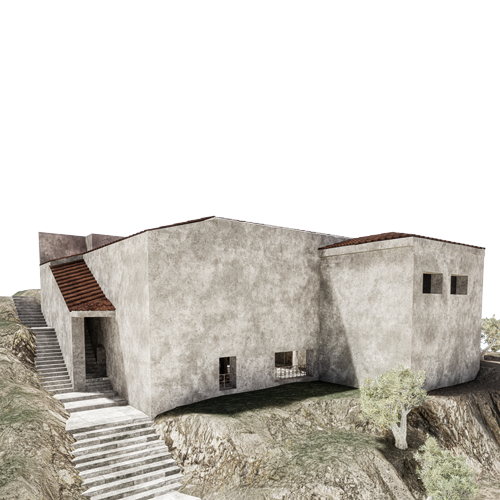
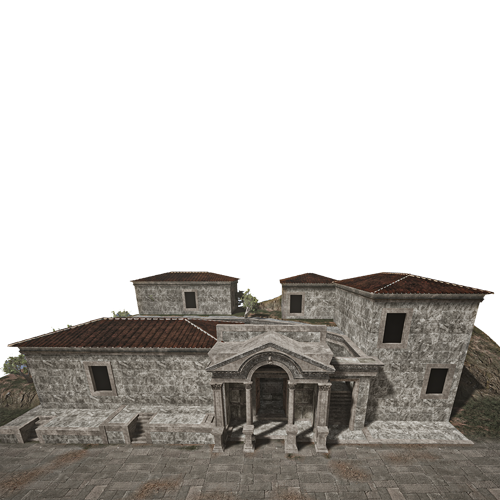
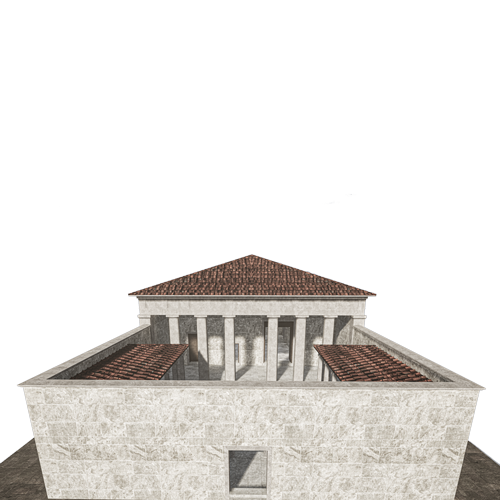
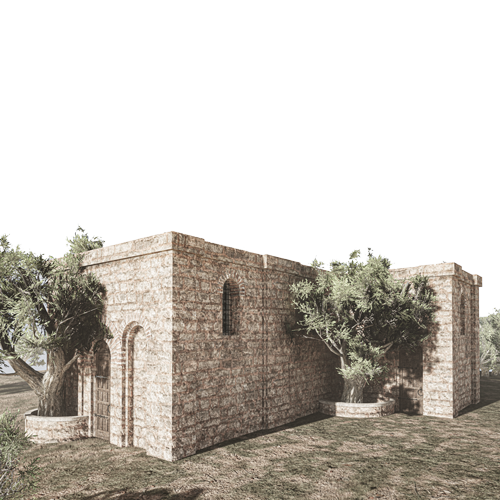
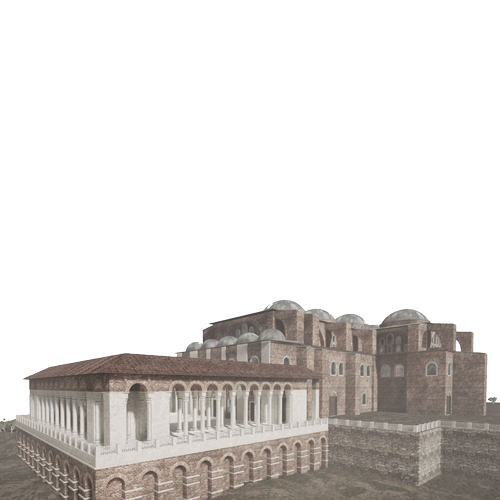
Keçi Kalesi

Selçuk - Efes 3B İnteraktif Modeller

Keçi Castle

Selçuk - Efes 3D Interactive Models

Sanal Gezi

Virtual Tour

DİKKAT!

Işığa duyarlı epilepsi:
Geçmişte epilepsi ya da nöbet geçirdiyseniz kullanmadan önce doktora danışın. Belirli şekiller ya da titreşimler daha önce nöbet geçirmemiş kişilerin nöbet geçirmesine neden olabilir.

WARNING!

Photosensitive epilepsy:
If you have had or are prone to epileptic episodes or seizures, please consult your physician before use. Certain shapes and/or vibrations may cause manifestation of epileptic symptoms in individuals who have no history of seizures or epilepsy.

  • Tam Ekran

    Full Screen

  • Önbelleği Temizle

    Clear Cache

Sanal Gezi

Virtual Tour

BAŞLAT

START

play-button

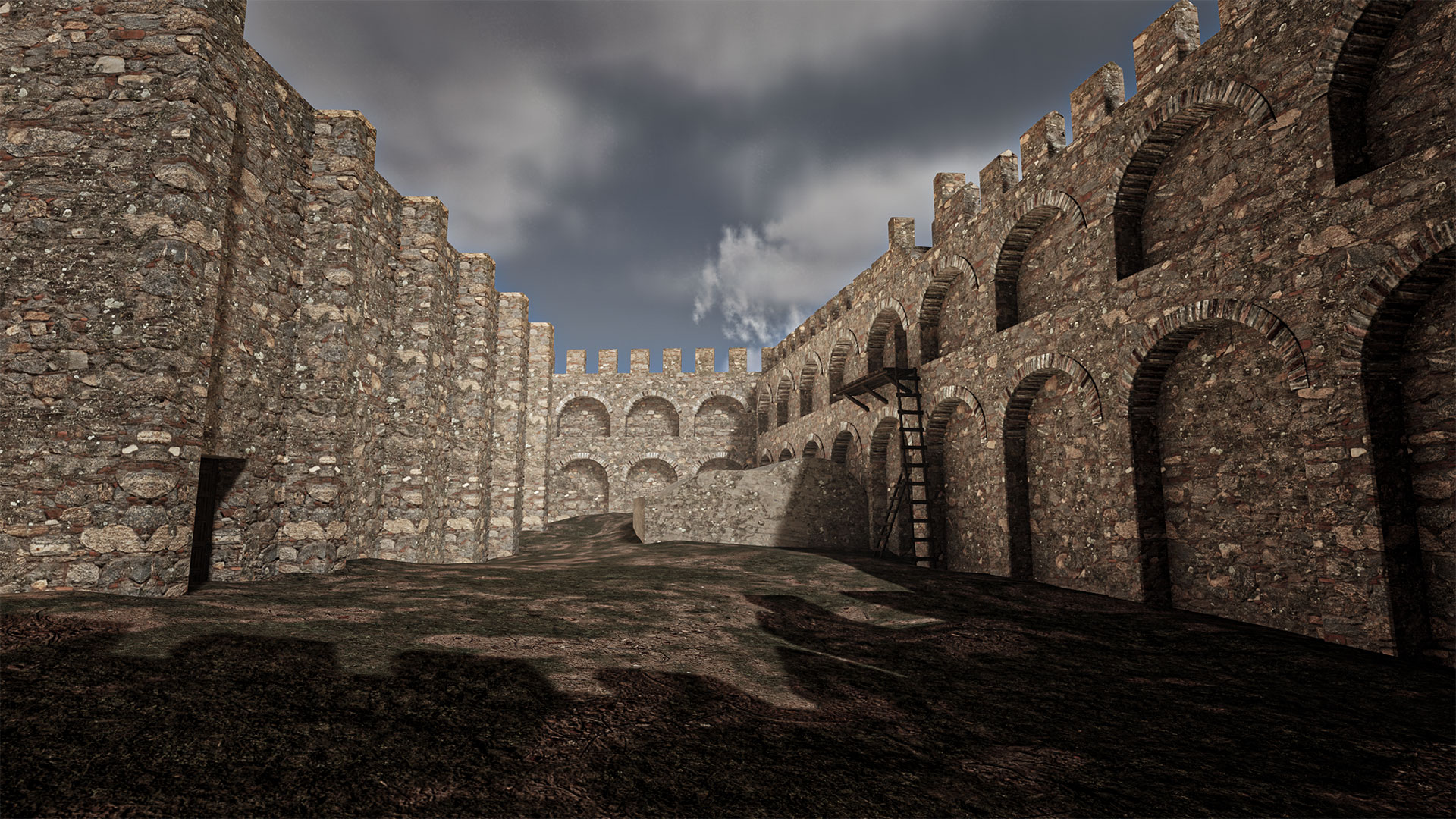
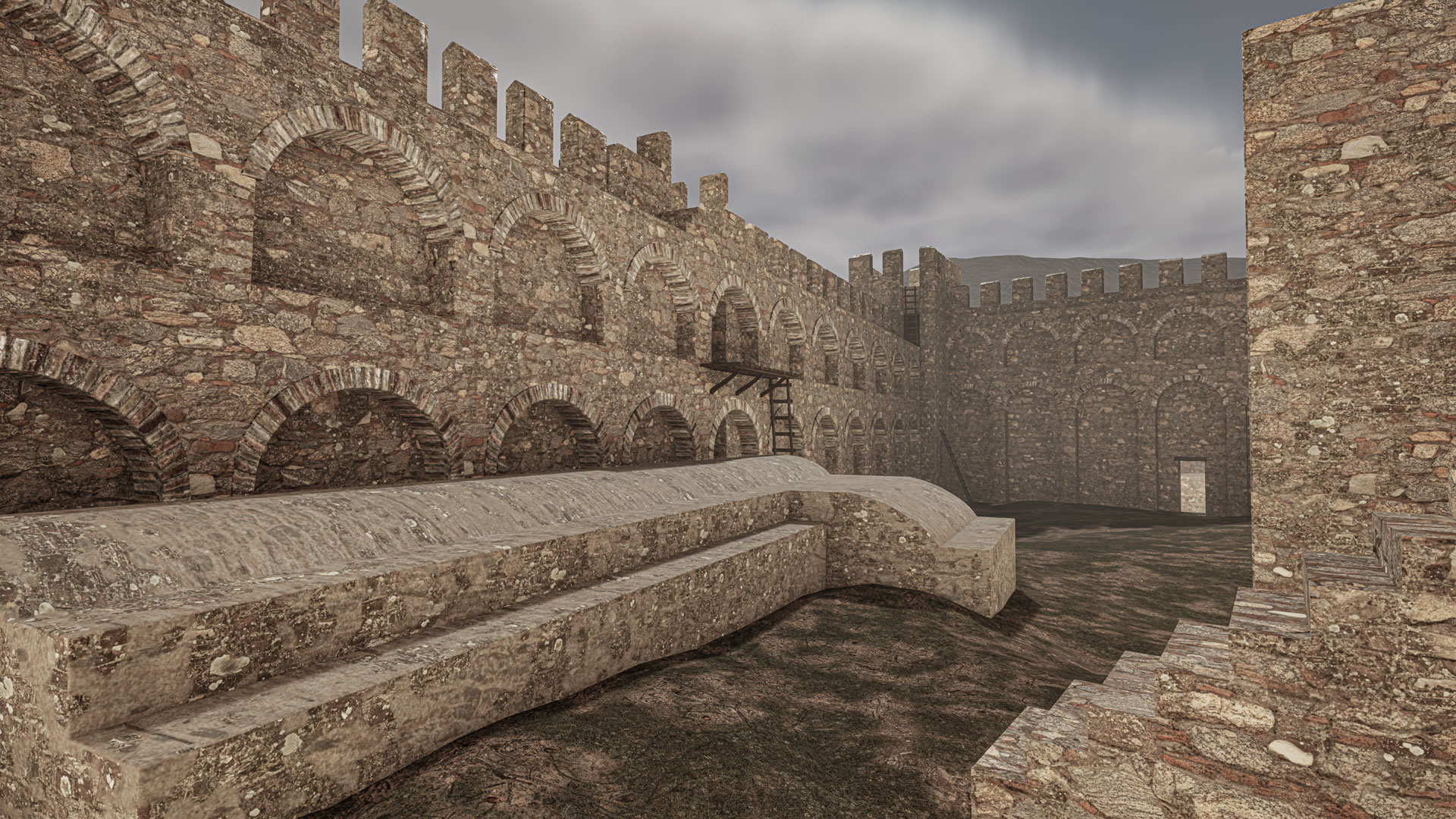
Keçi Kalesi

Keçi Castle


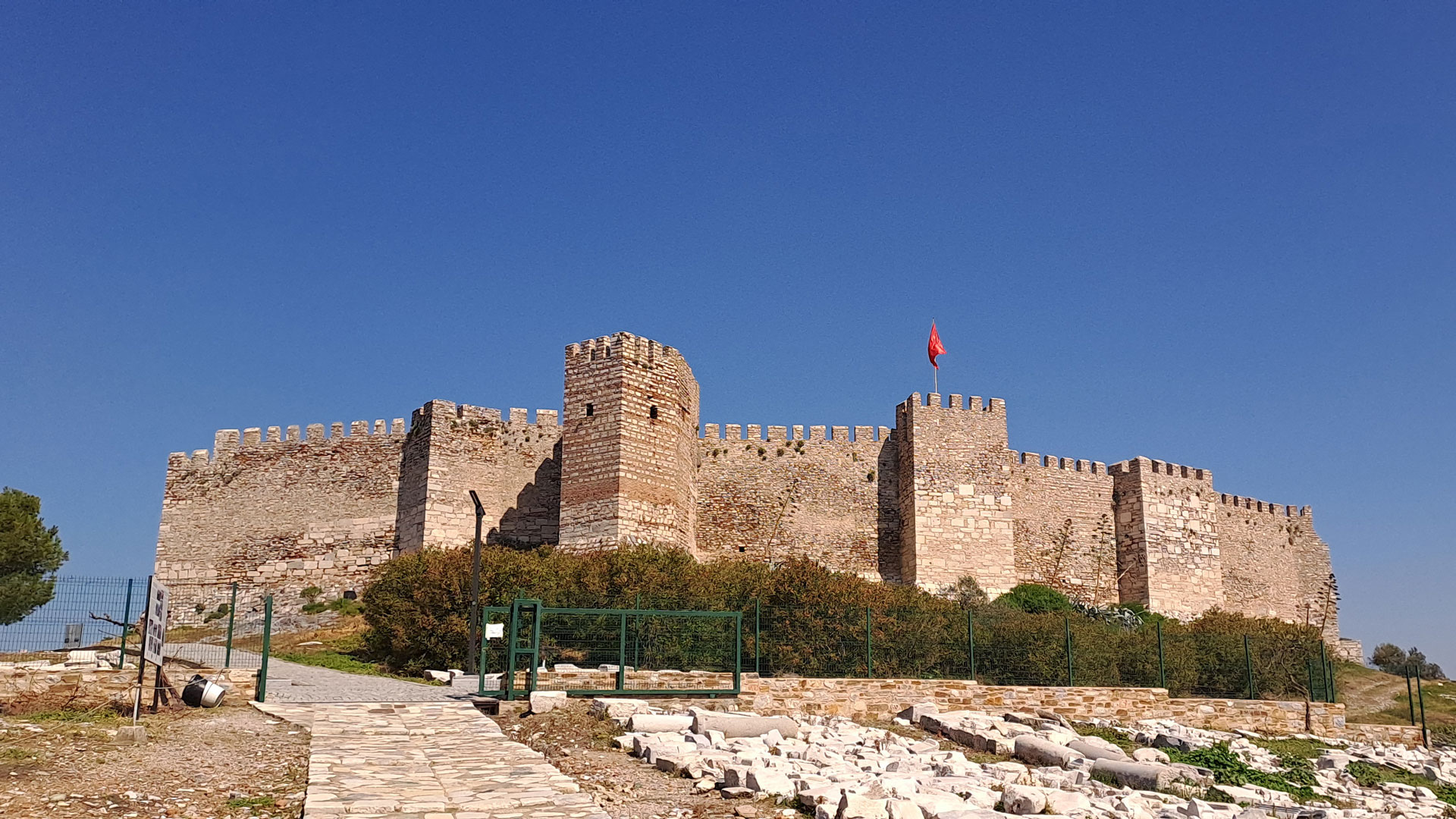
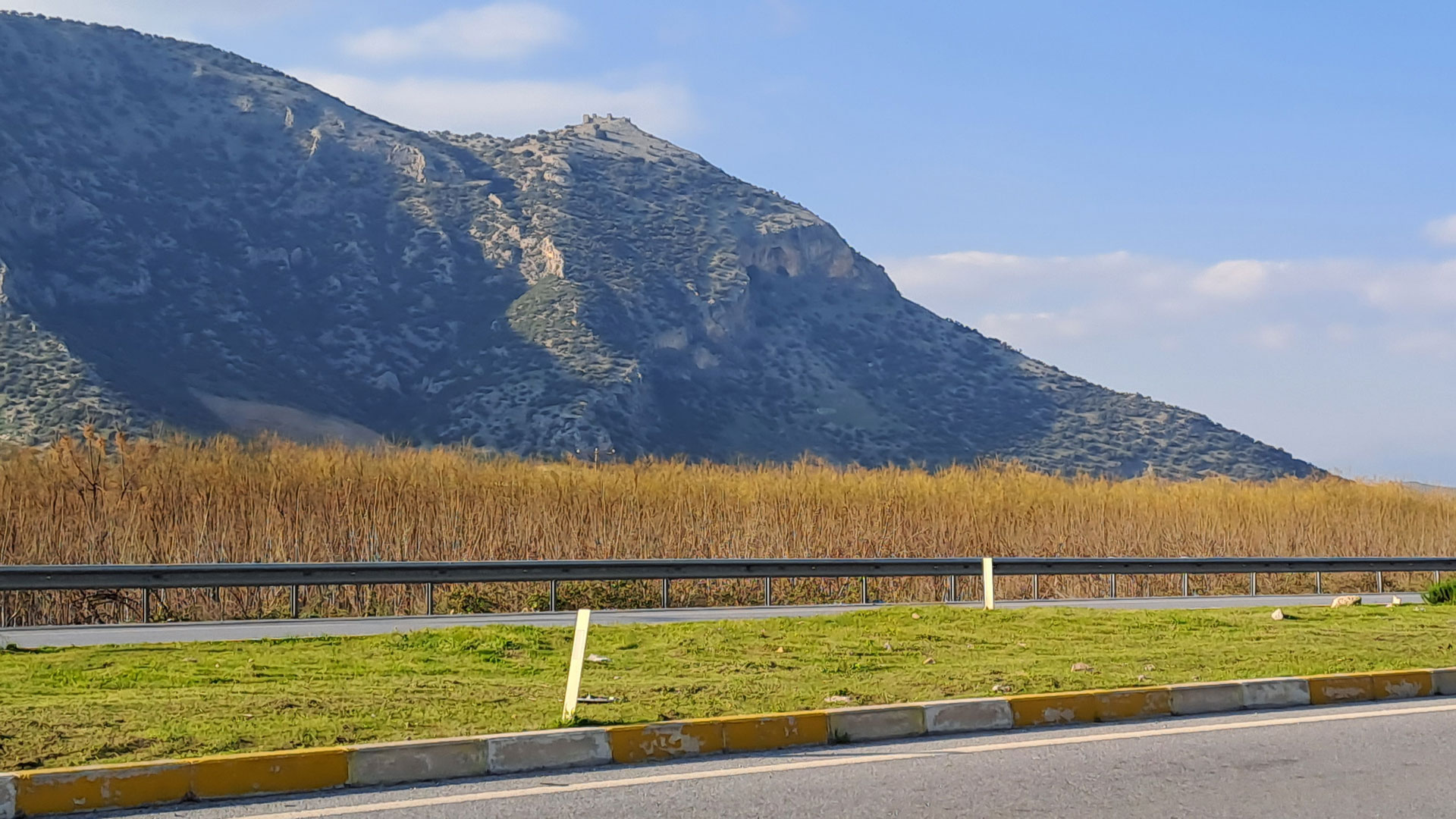
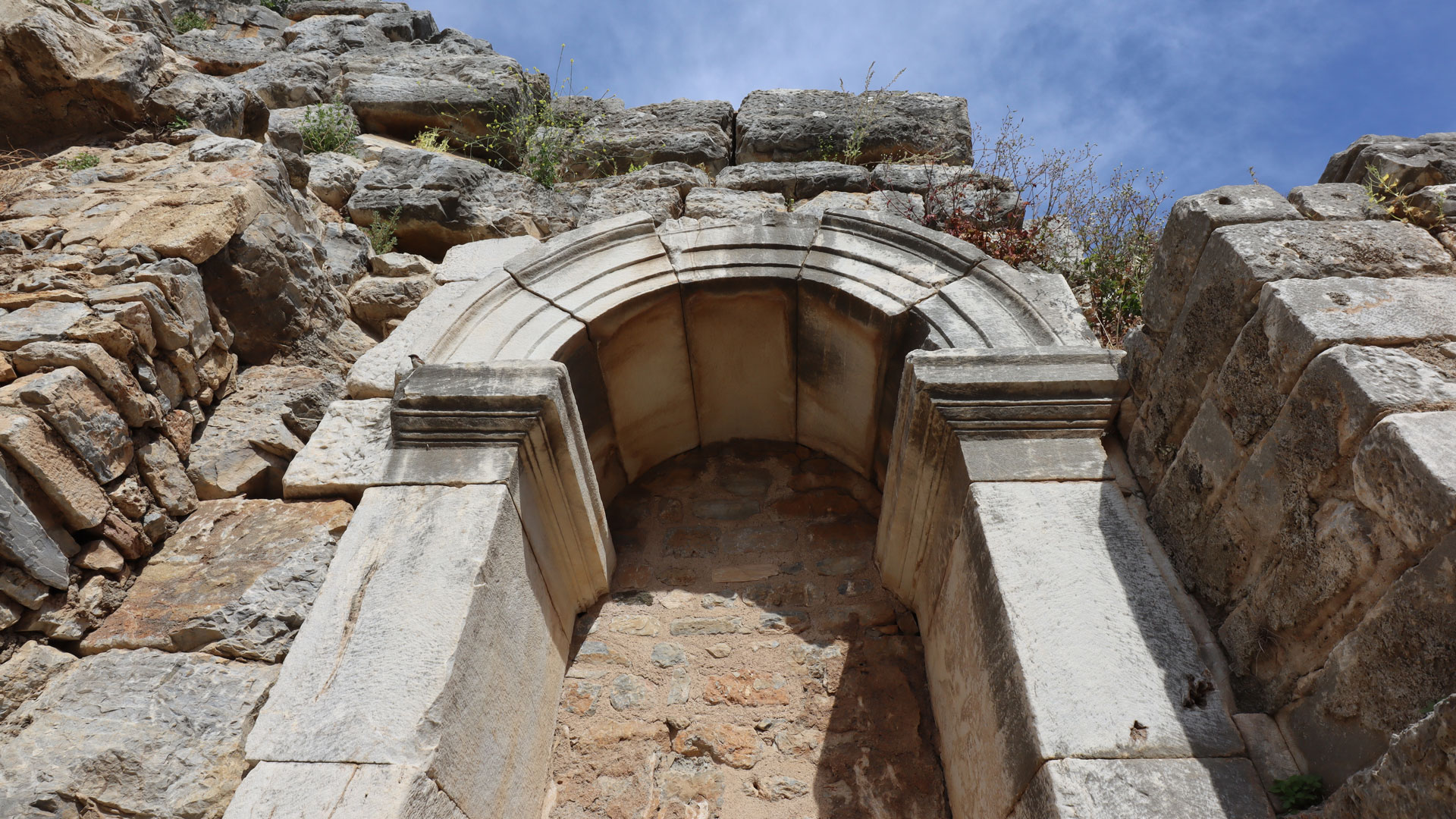
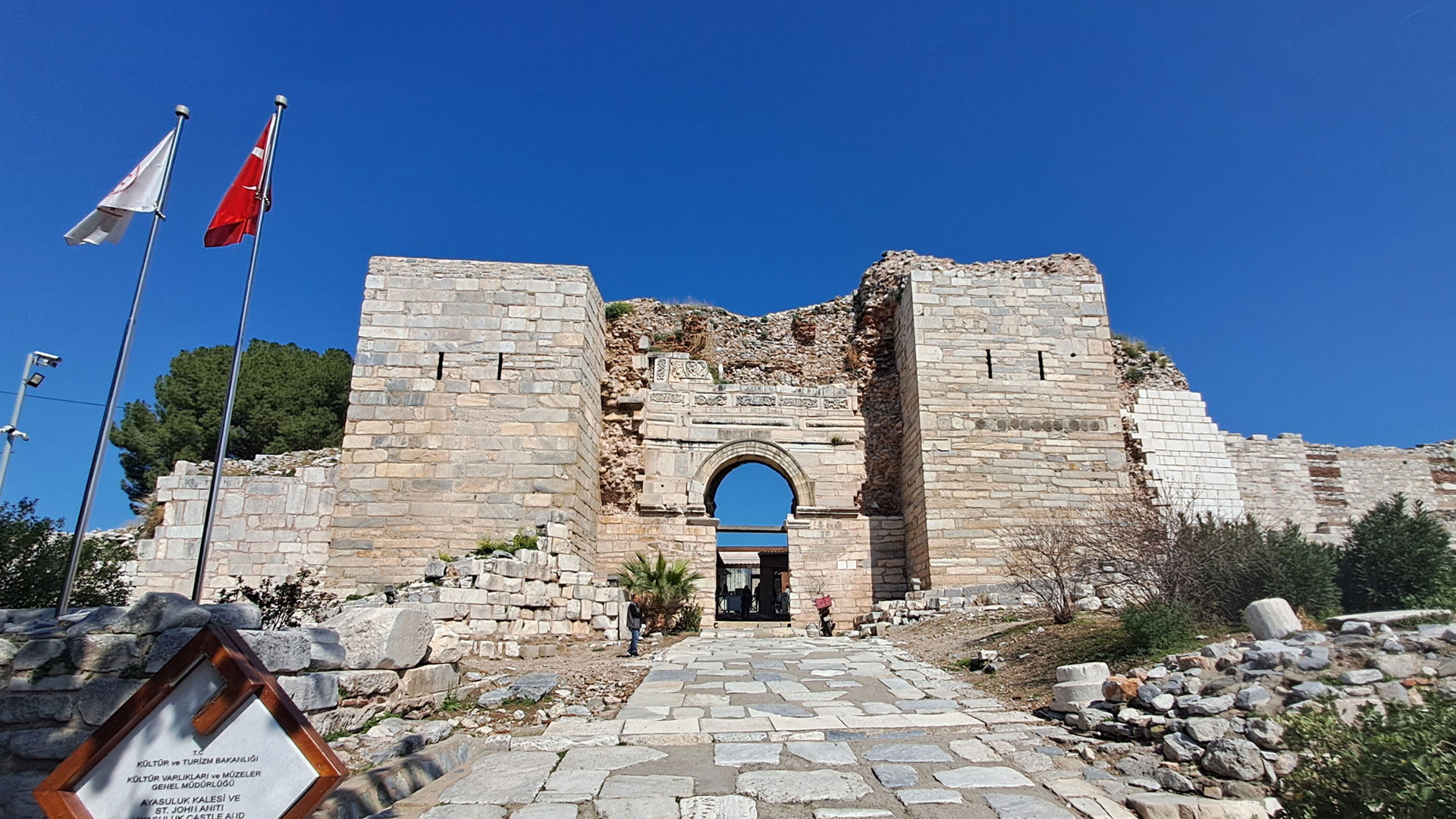
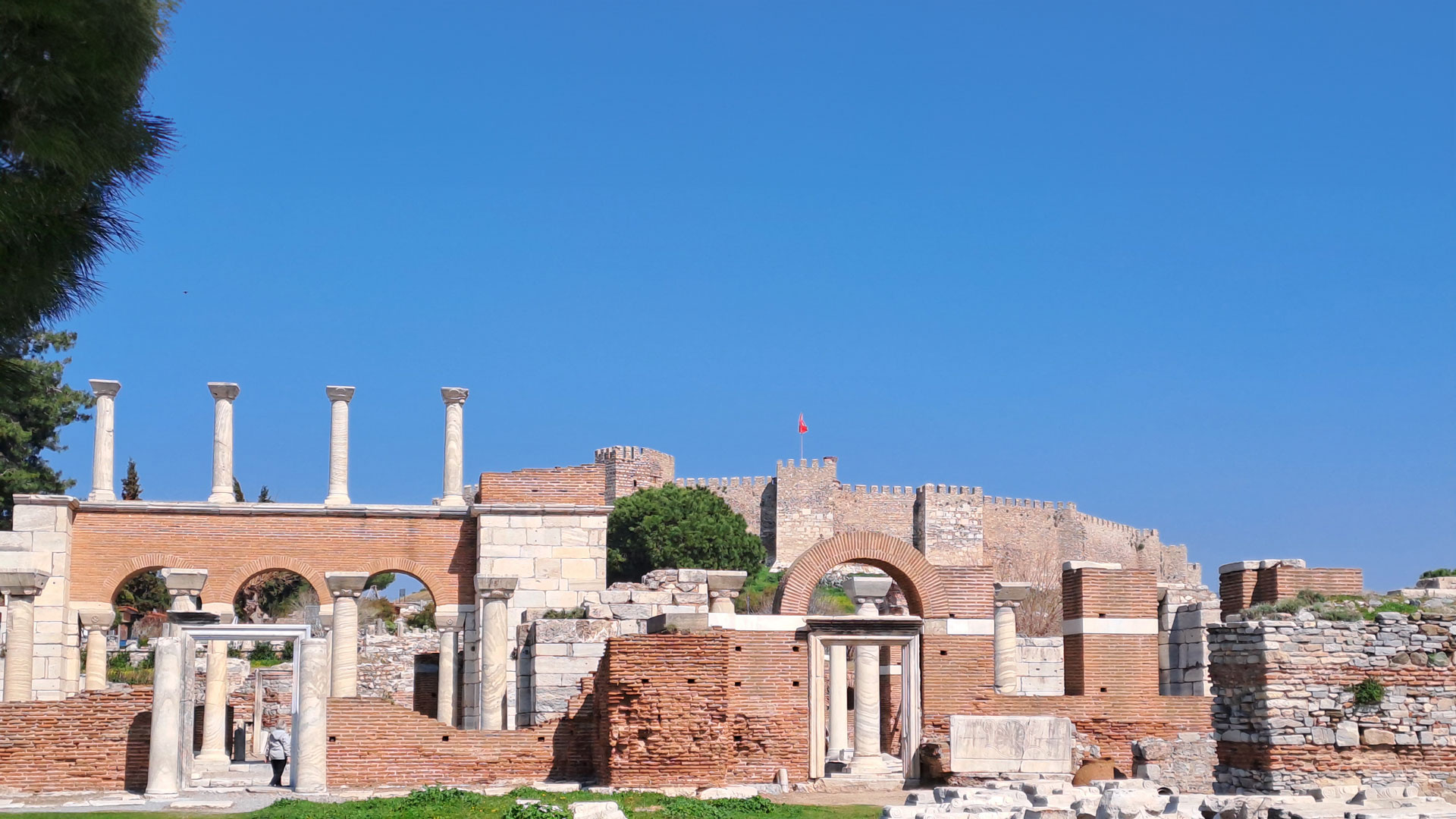
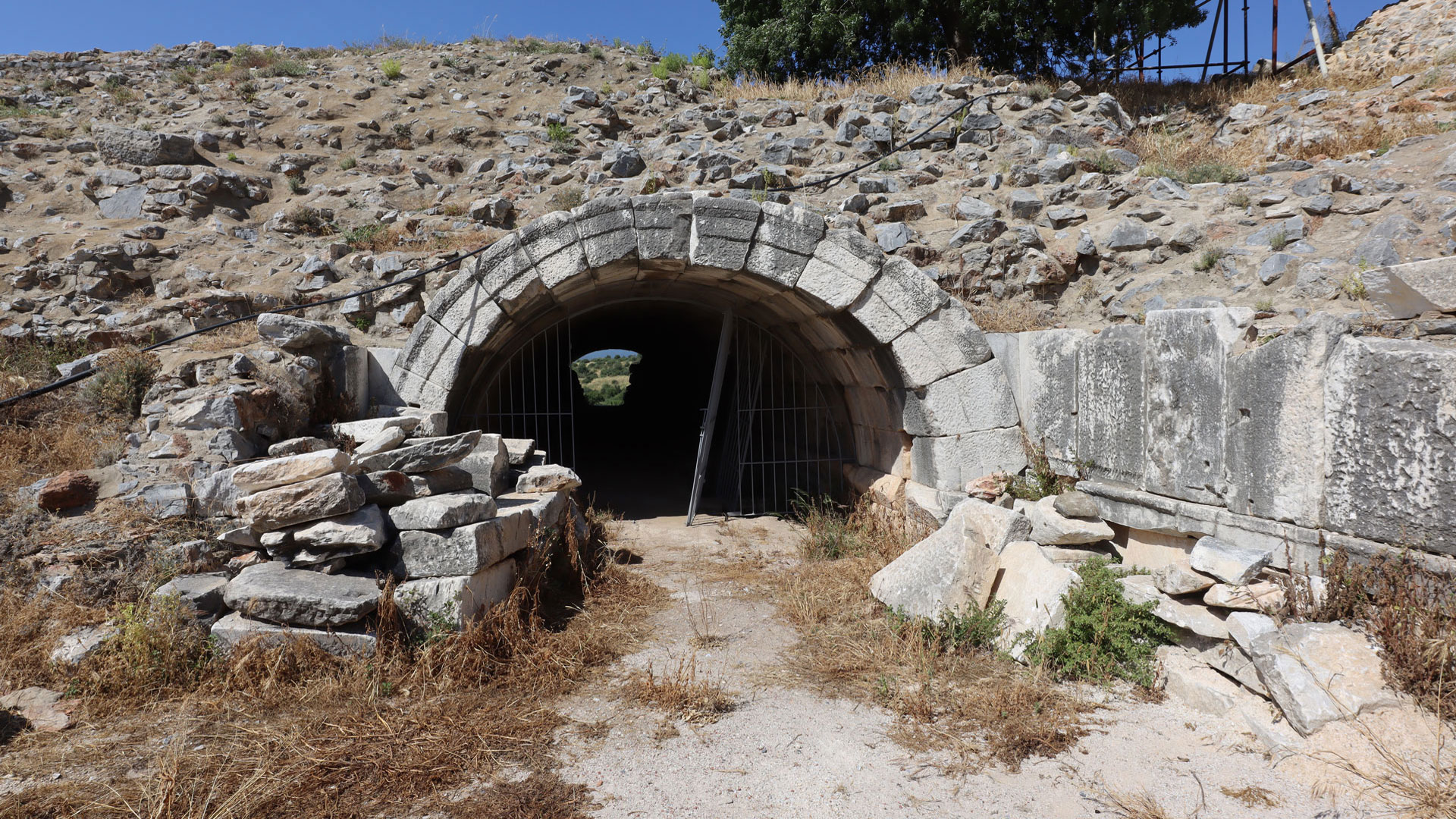
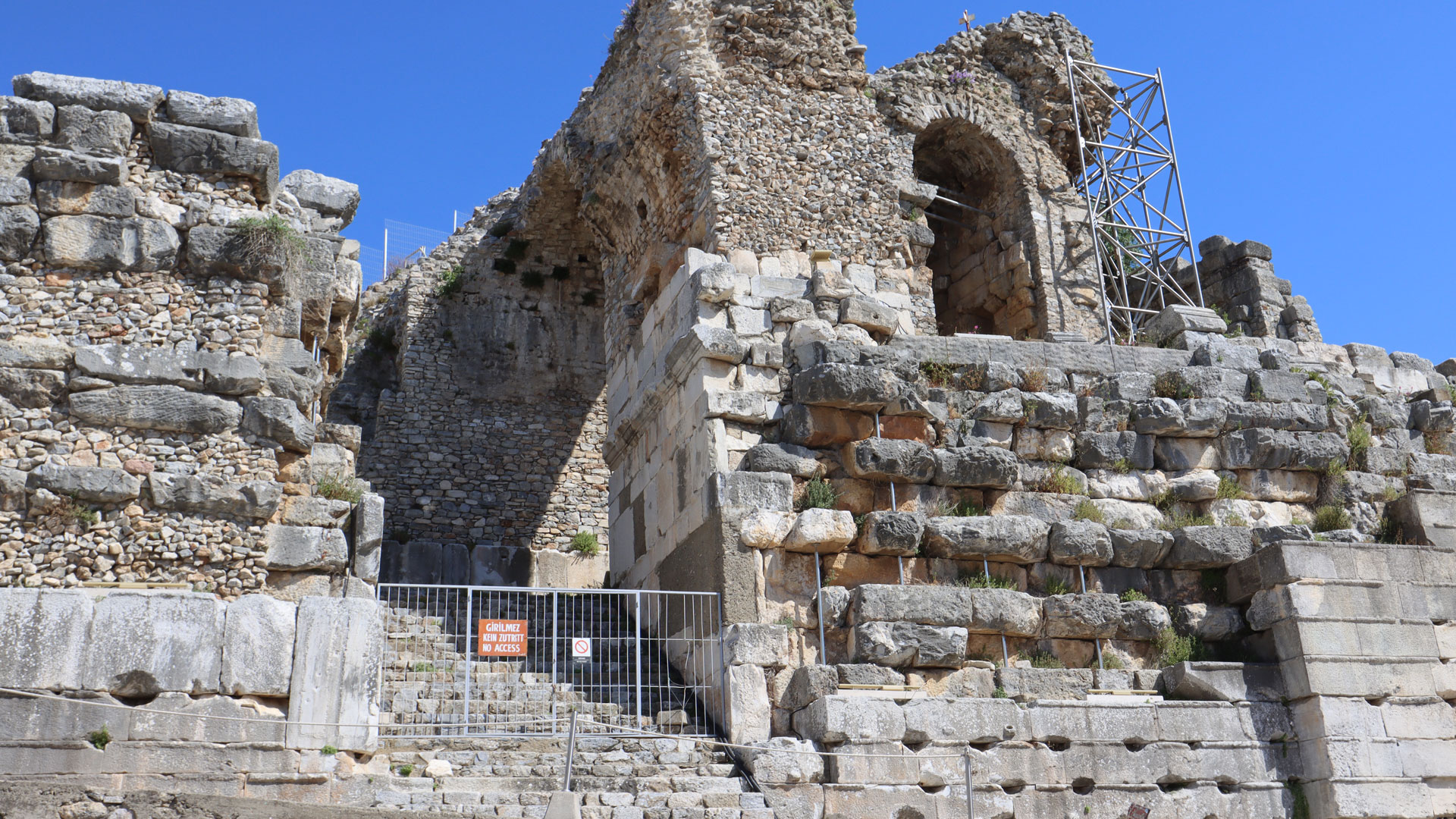
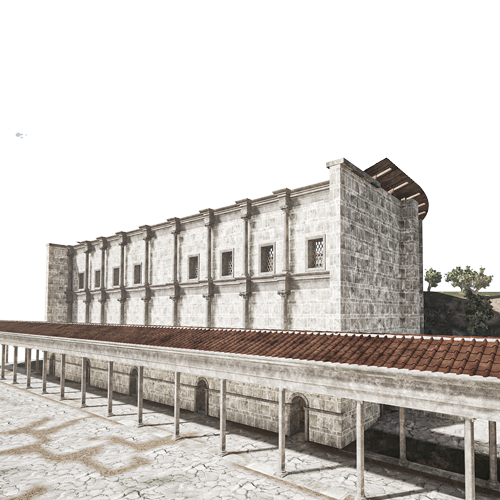
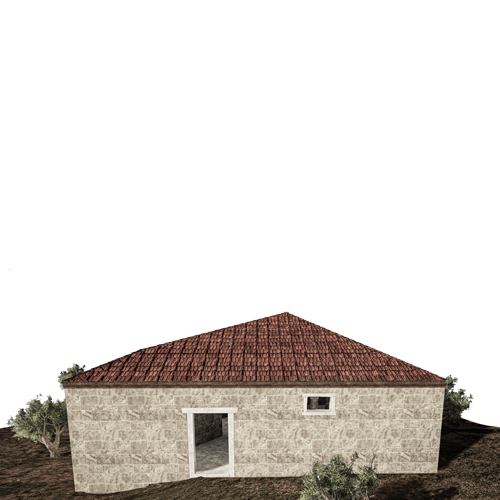
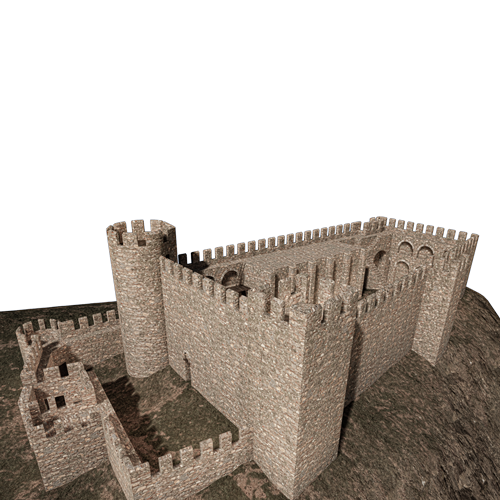
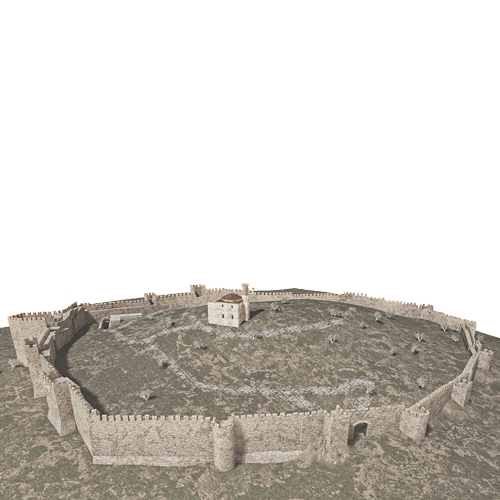
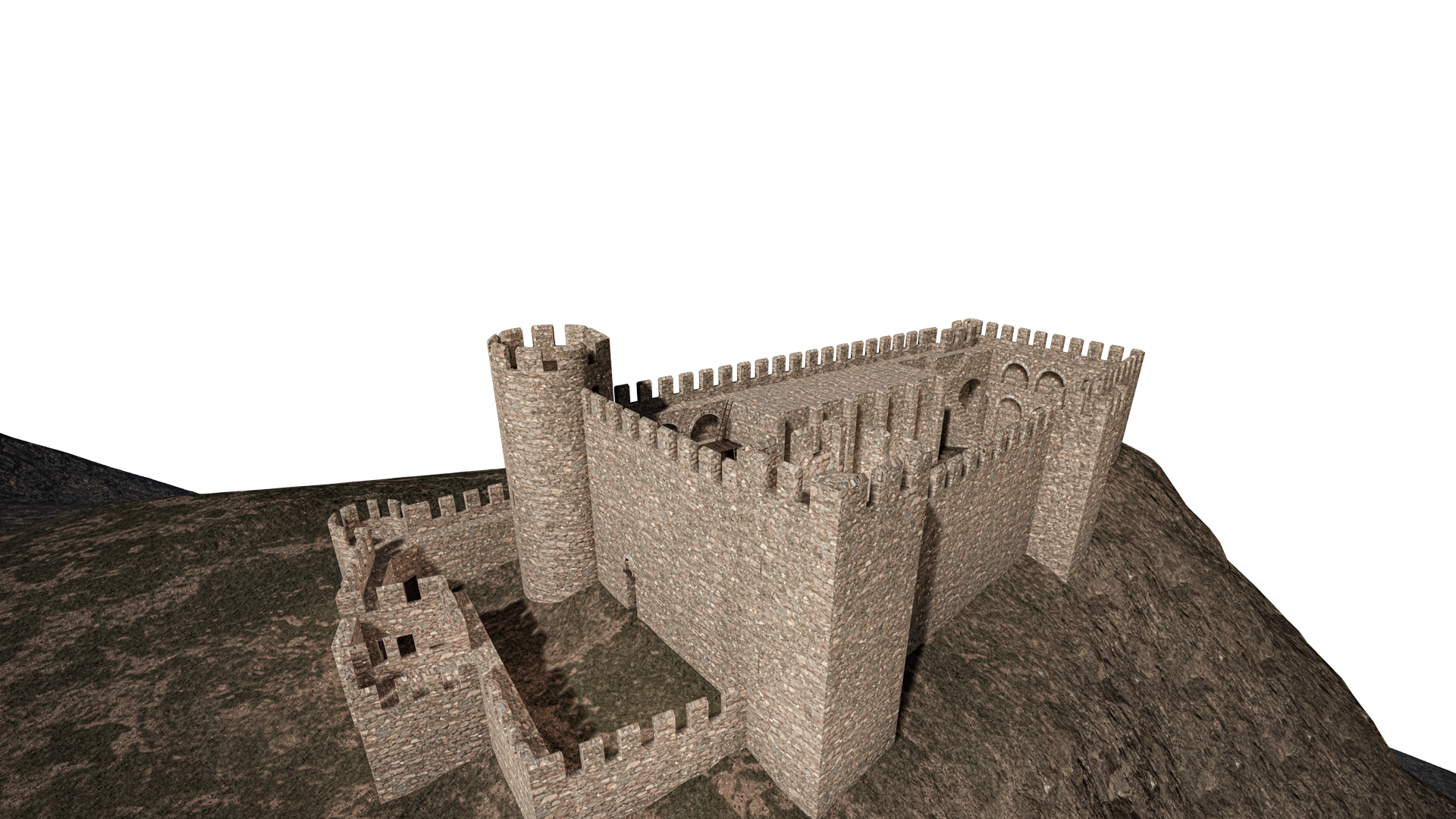
Keçi Kalesi, Selçuk Belevi Köyü'nün karşısında Alaman Dağı'nın zirvesinde bulunan bir kale olarak inşa edilmiştir. Konumu gereği gözetleme kalesi olarak görev yapmaktadır. Menderes Ovası'na hâkim bir konumda olan Keçi Kalesi, Sardes Yolunu kontrol altında tutabilecek bir konumdadır.

Keçi Kalesi, built on the summit of Alaman Mountain, opposite Selçuk Belevi Village, serves as a watchtower castle due to its strategic location. It is situated in a commanding position that overlooks the Menderes Valley and can control the Sardis Road.

Keçi Kalesi, Helenistik dönemde yapılmış olup, Roma, Bizans, Selçuklu ve Osmanlı dönemlerinde de aktif olarak kullanılmıştır. Kale, hem Sardes ticaret yolunu gözlemlemek, hem de Selçuk Kalesi'ne Kuzey'den gelebilecek saldırıları önceden tespit ederek hazırlıklı olmak amacıyla kullanılmıştır.

Constructed during the Hellenistic period, Keçi Kalesi was actively used in the Roman, Byzantine, Seljuk, and Ottoman periods. The castle served the purpose of both observing the Sardis trade route and anticipating attacks from the north towards Selçuk Castle.

Kalenin adının Keçi Kalesi olması bir efsaneye dayanmaktadır. Efsaneye göre, dik yamaçları nedeniyle yıllarca fethedilemeyen kale, akıllıca bir planla ele geçirilmiştir. Bir gece yarısı köylüler tarafından toplanan keçilere fenerler takılarak, sürü halinde kalenin dik yamacına salınmıştır. Kale görevlileri, gece karanlığında keçi sürülerini büyük bir ordu sanarak kaleyi terk edip kaçmışlardır. Bu şekilde kale kan dökülmeden fethedilmiştir. Efsane, bu fetih sonrasında kalenin adının Keçi Kalesi olarak değiştirildiğini anlatmaktadır.

The name "Keçi Kalesi" (Goat Castle) is associated with a legend. According to the legend, the castle, which was impregnable for years due to its steep slopes, was cleverly conquered. One midnight, villagers tied lanterns around the necks of goats and released them in herds onto the steep slope where the castle was located. Mistaking the goat herds for a large army in the darkness of the night, the castle guards abandoned the fortress through the back gate and fled. Thus, the castle was conquered without shedding blood. The legend suggests that the castle was named Keçi Kalesi after this conquest.

Selçuk - Efes Hakkında

Selçuk - Efes Tarihçesi

About Selçuk - Efes

Selçuk - Efes History

X

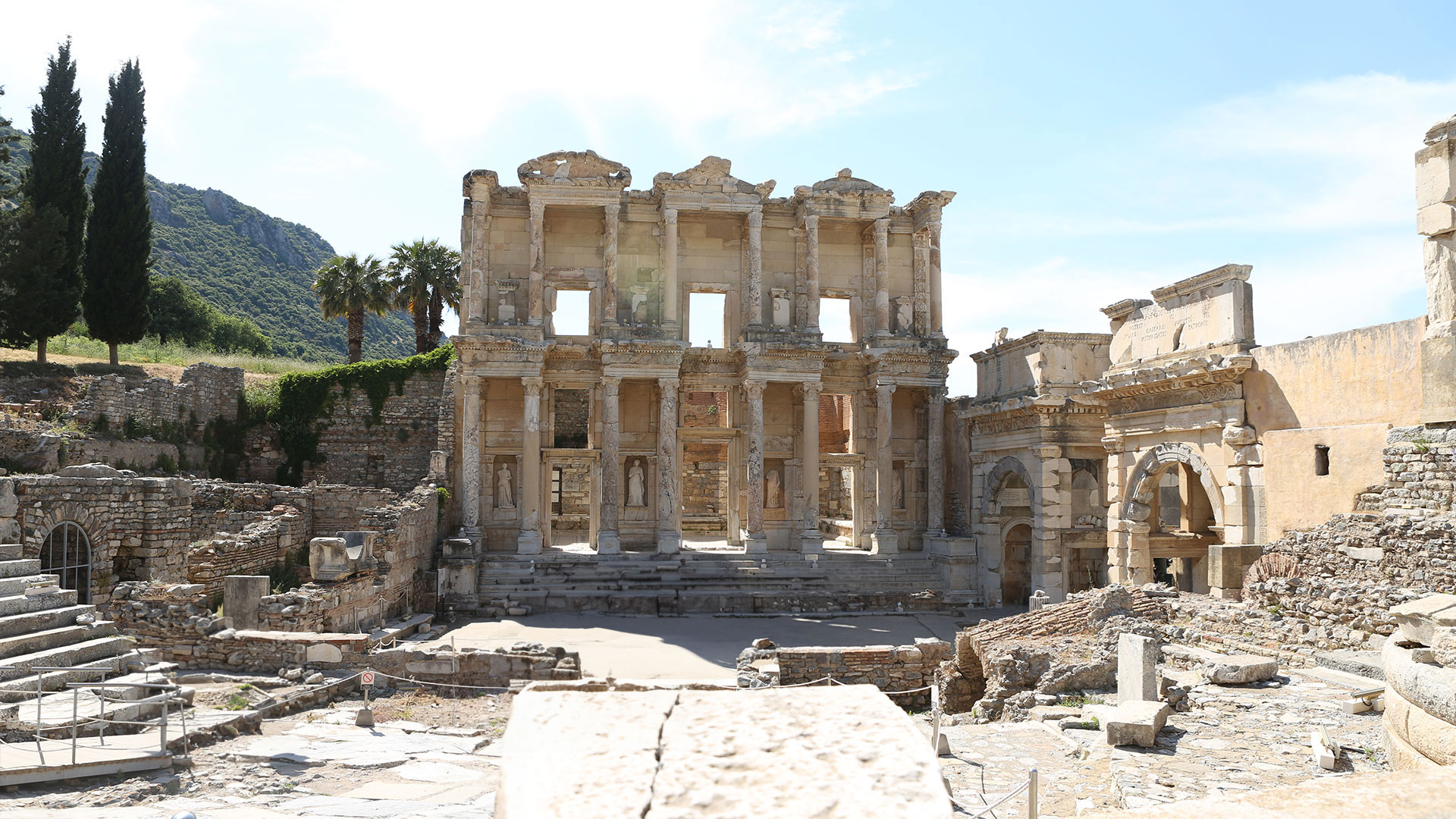
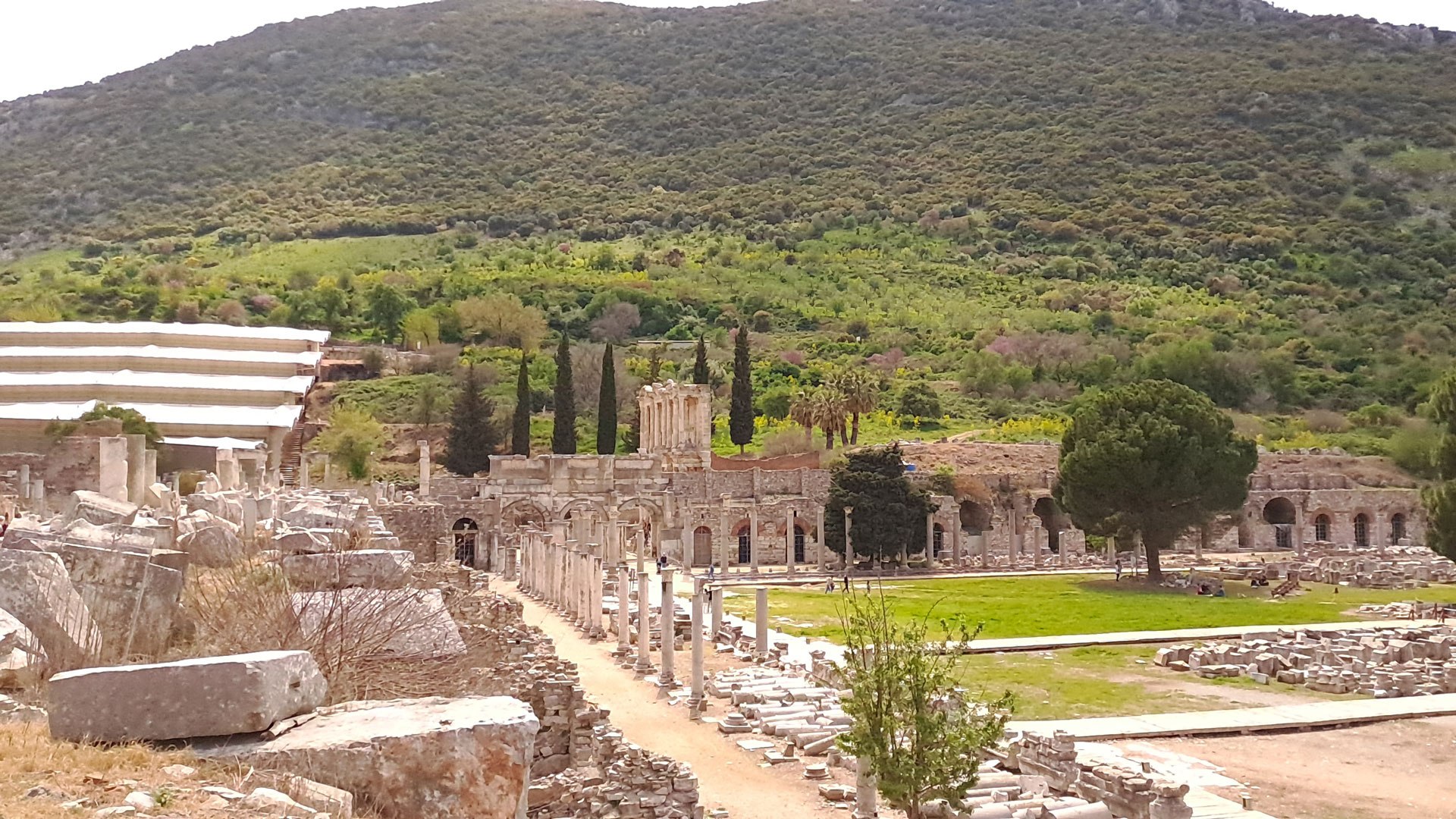
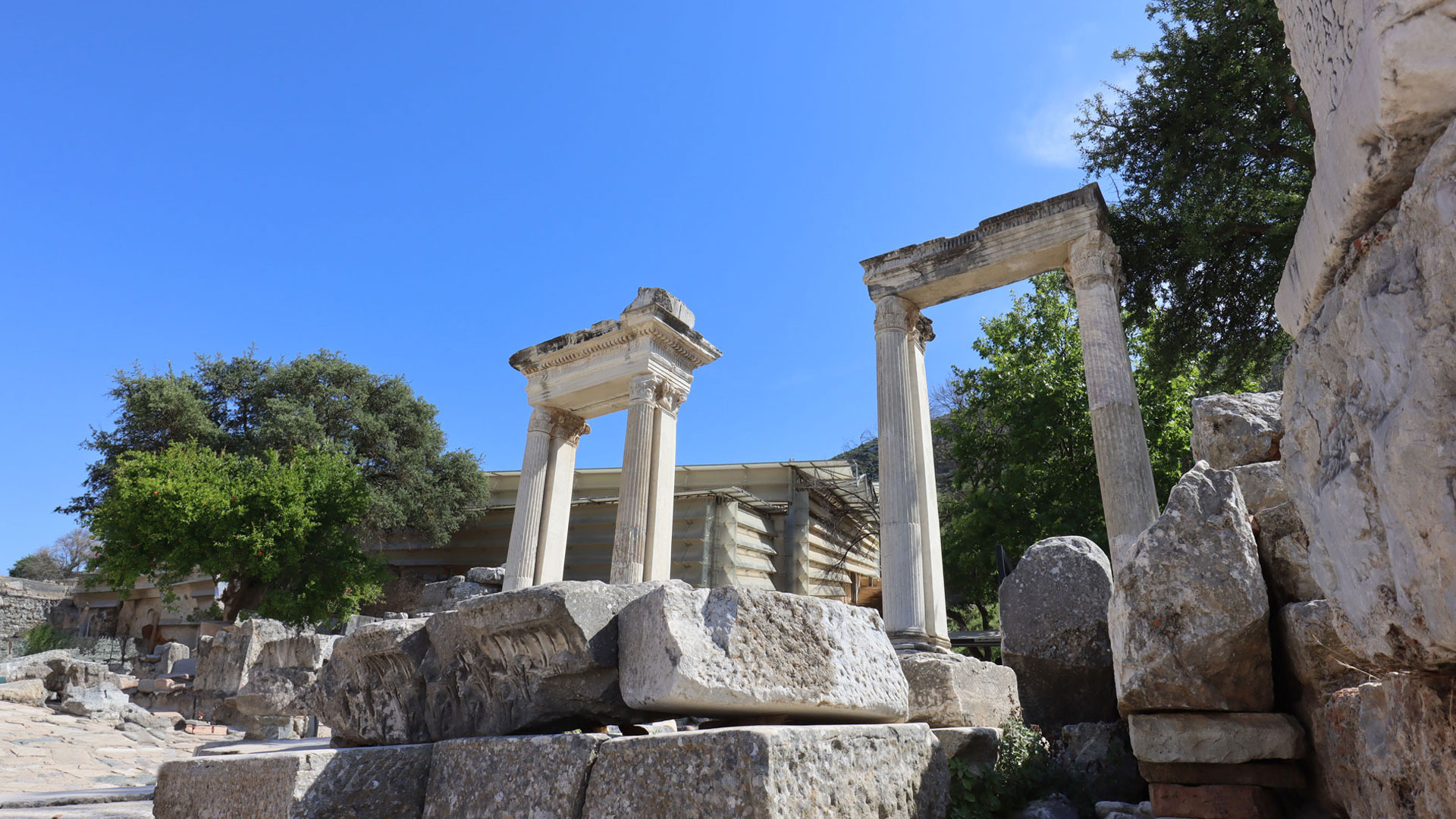
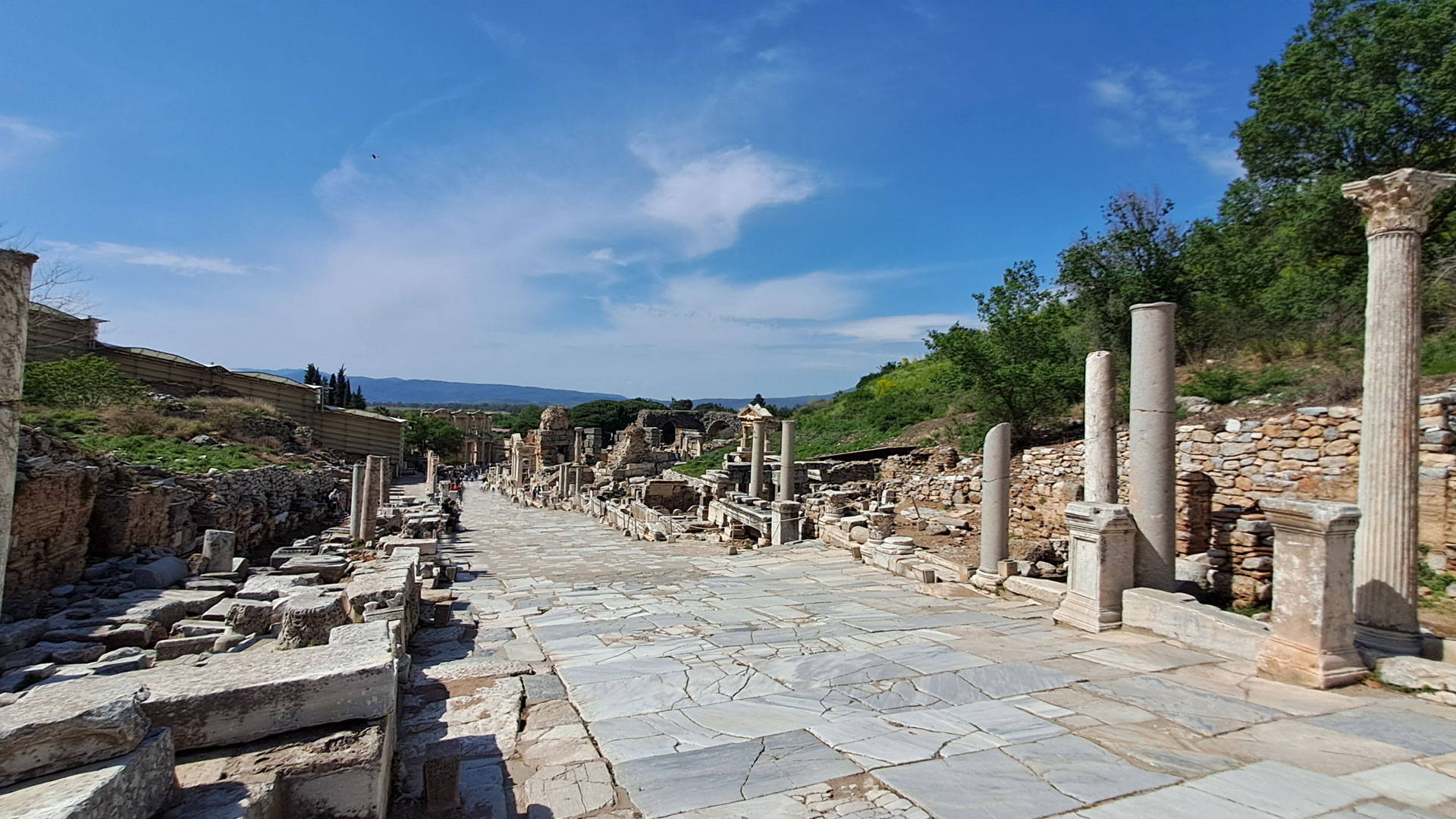
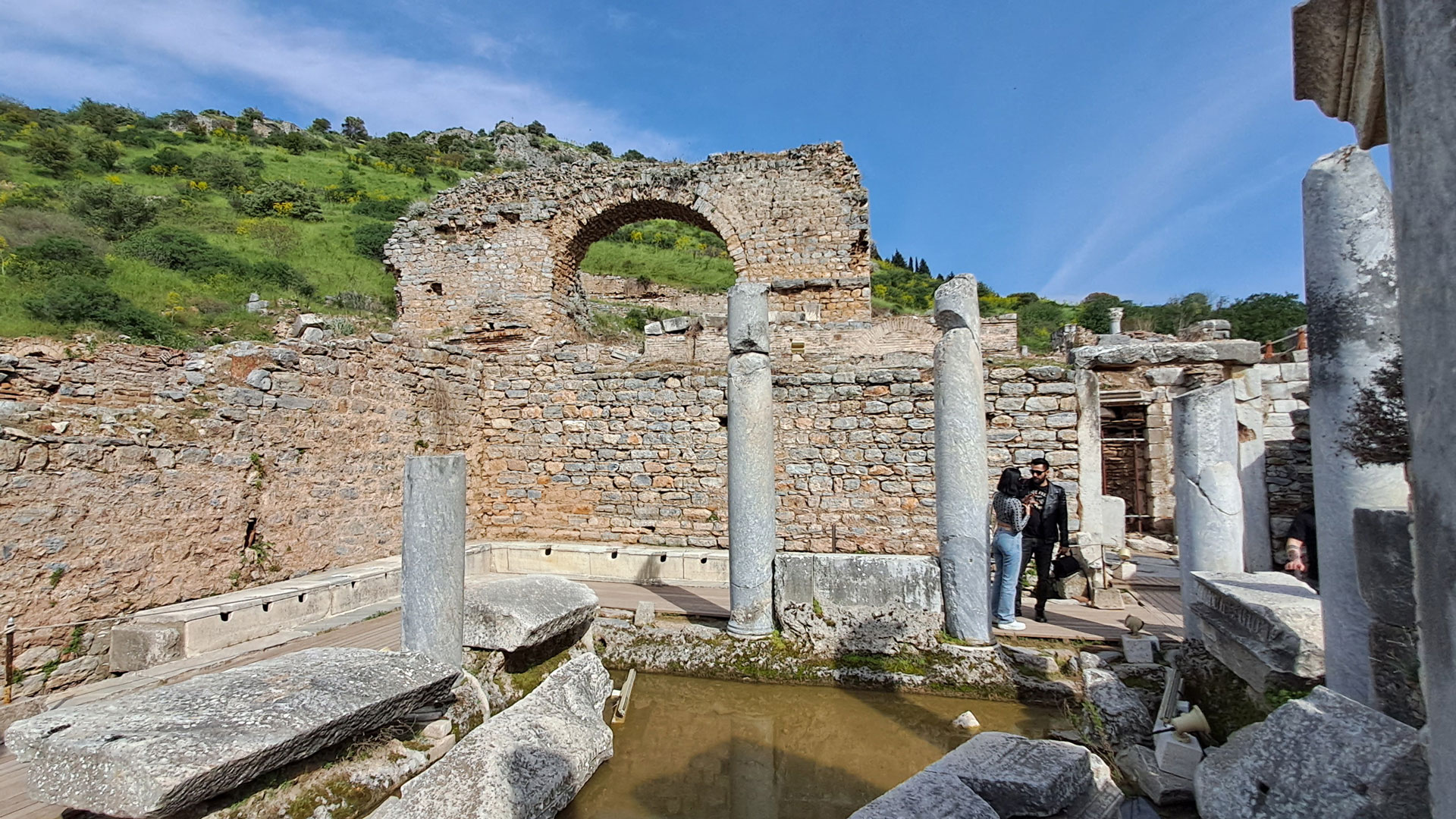
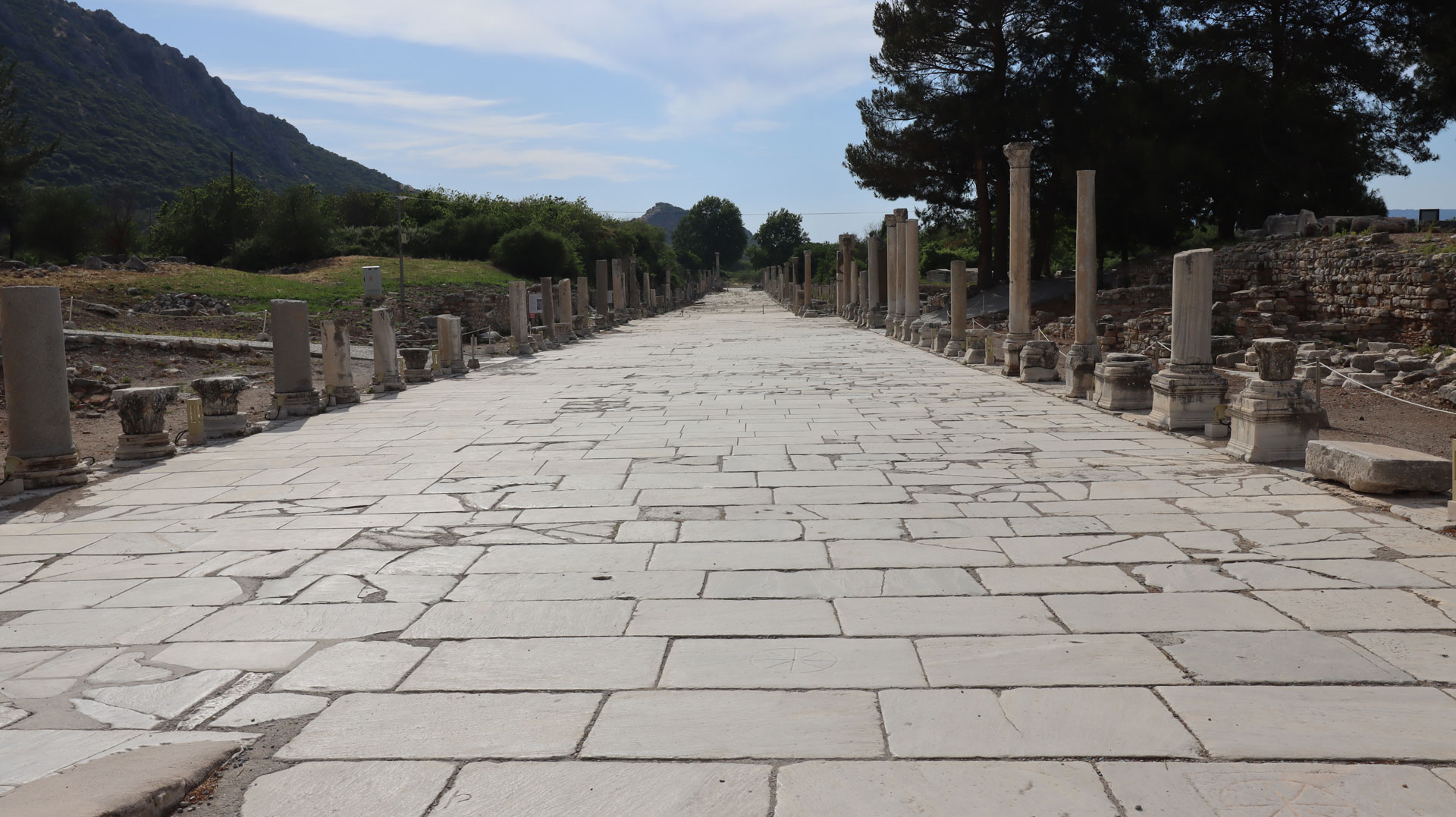
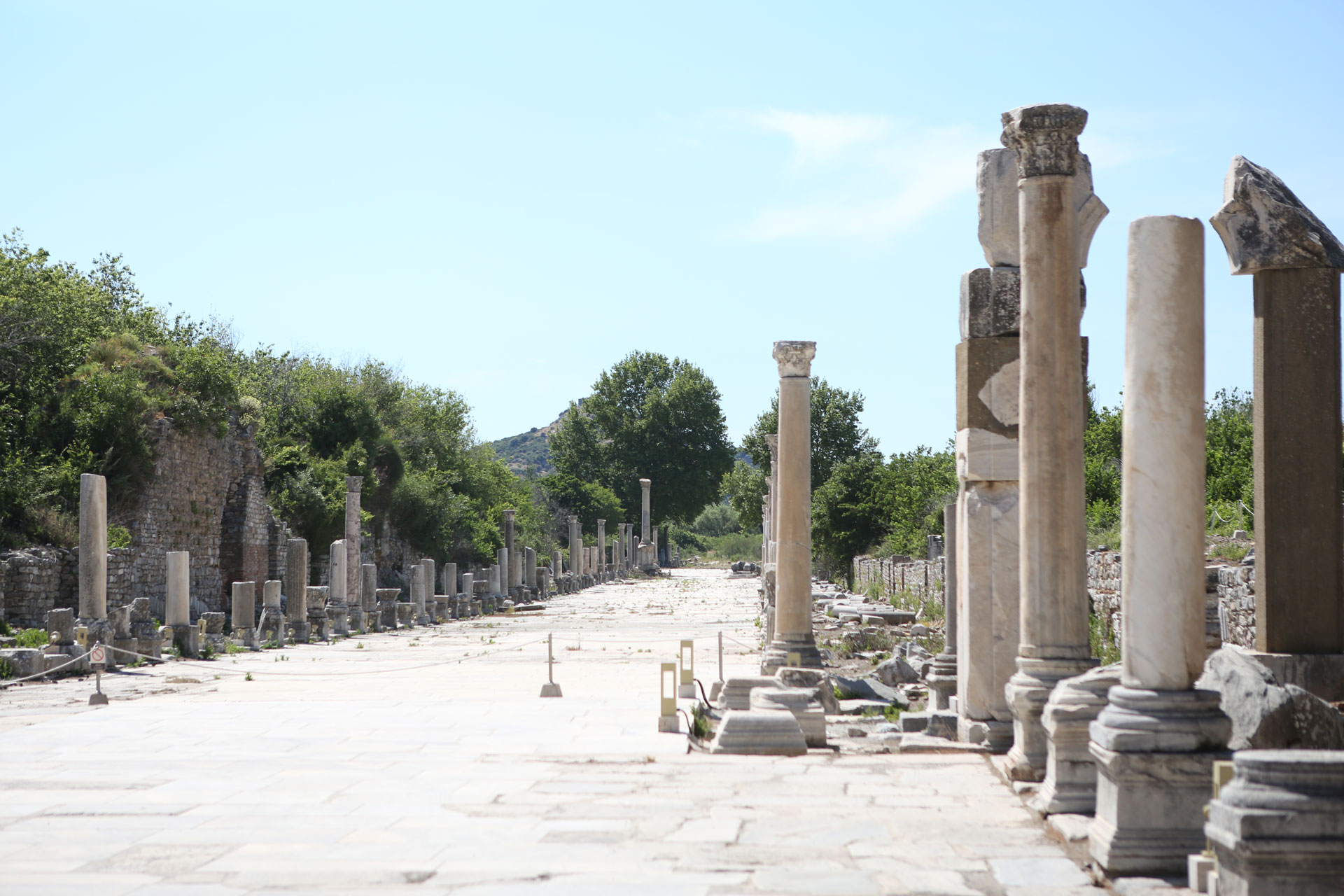
Efes, Batı Anadolu'nun Ege sahilinde bulunan bir yarımada üzerine kurulmuş bir liman kentidir. Günümüzde milyonlarca dünya gezgini Efes'i ziyaret ederek binlerce yıl öncesinin yaşam izlerini görmektedir. Efes'in büyük bir kısmı hala toprak altında bulunmaktadır, ancak arkeolojik kazılarla ortaya çıkarılan kent etkileyici bir şekilde restore edilmiştir. Efes araştırmaları ve kazıları, Türkiye'deki müzelerde ve dünyanın diğer önemli müzelerinde sergilenen eserlerle devam etmektedir.

Ephesus is a port city located on a peninsula along the Aegean coast of Western Anatolia. Today, millions of global travelers visit Ephesus to witness the traces of life from thousands of years ago. While a significant portion of Ephesus still lies underground, the city has been impressively restored through archaeological excavations. Research and excavations in Ephesus continue, with the artifacts being exhibited in museums in Turkey and other important museums around the world.

Efes'in çevresindeki kazı alanlarında yapılan çalışmalar, geçmişi M.Ö. 8200'lere kadar götüren yeni bulgular ortaya çıkarmıştır. Hititler Dönemi'nde Arzawa Ülkesi içindeki Apasas'ın Ayasuluk Tepesi'nde yerleşim olduğu düşünülmektedir. Efes'i tam olarak keşfedebilmek için meraklı gezginlerin daha fazla zaman ayırması gerekmektedir, çünkü on bin yıllık bir geçmişe sahip olan Efes'in izlerini takip etmek birkaç günü aşabilir.

Studies conducted in the surrounding excavation sites of Ephesus have revealed new findings that date back to around 8200 BC. It is believed that there was a settlement in Ephesus, known as Apasas, within the Arzawa Kingdom during the Hittite period. To fully explore Ephesus, curious travelers need to allocate more time as tracing the footsteps of Ephesus, which has a history of ten thousand years, can exceed a few days.

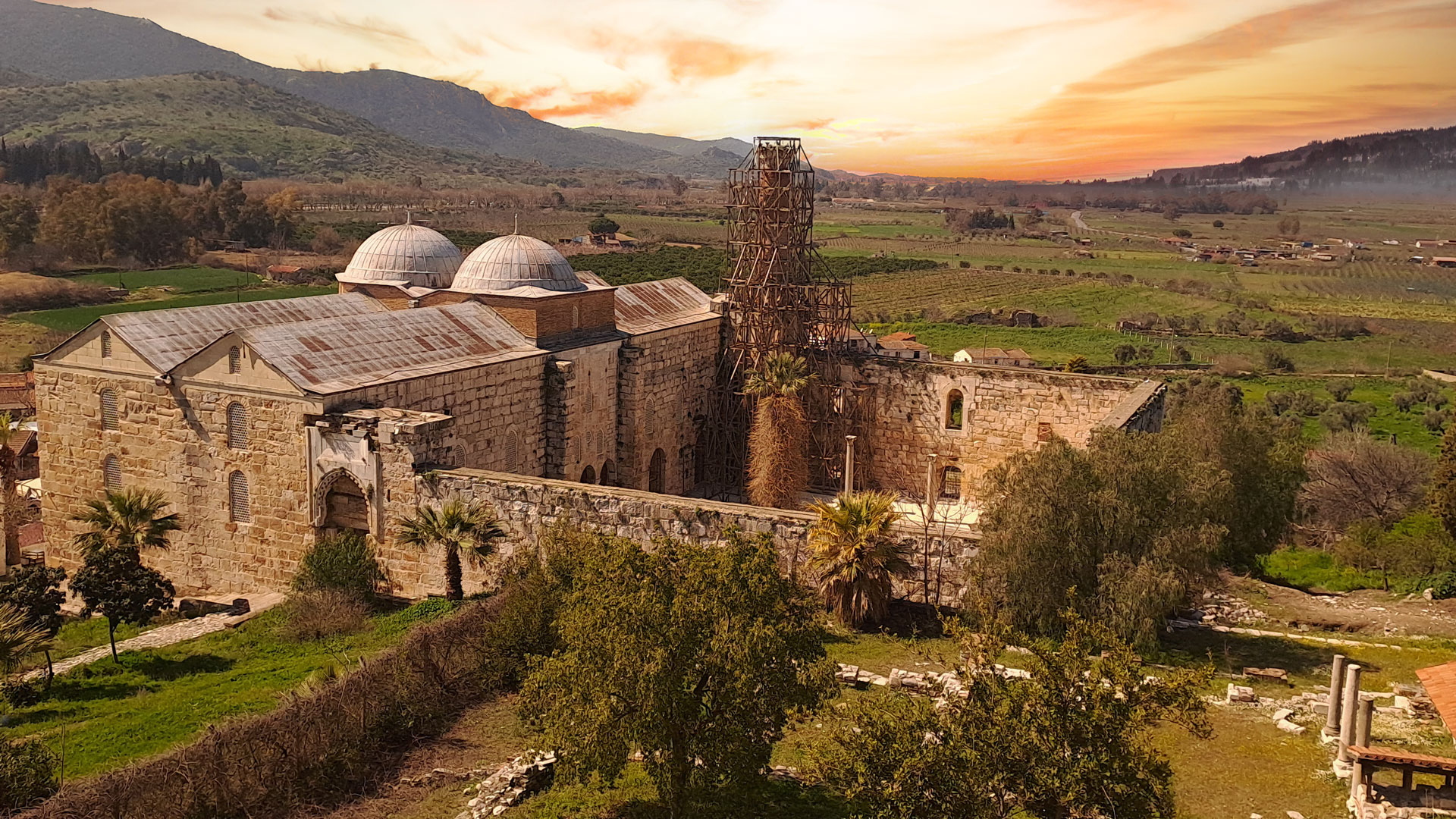
Efes'teki arkeolojik alanlarda, Selçuk ilçesindeki Ayasuluk Tepesi'nde bulunan Kale, St. Jean Kilisesi ve Selçuklu Beyliği dönemine ait İsa Bey Camisi gibi yapılar, Neolitik dönemden Roma'ya, Doğu Roma (Bizans) ve Osmanlı İmparatorluğu'na kadar uzanan dönemlerden kalmış yapılar ya da buluntularla birlikte Efes'in geçmişine dair izler sunmaktadır.
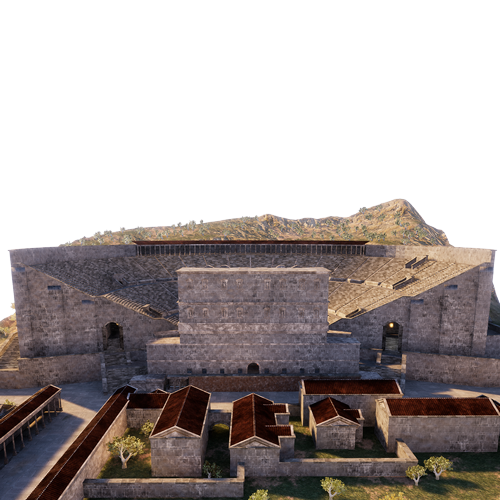
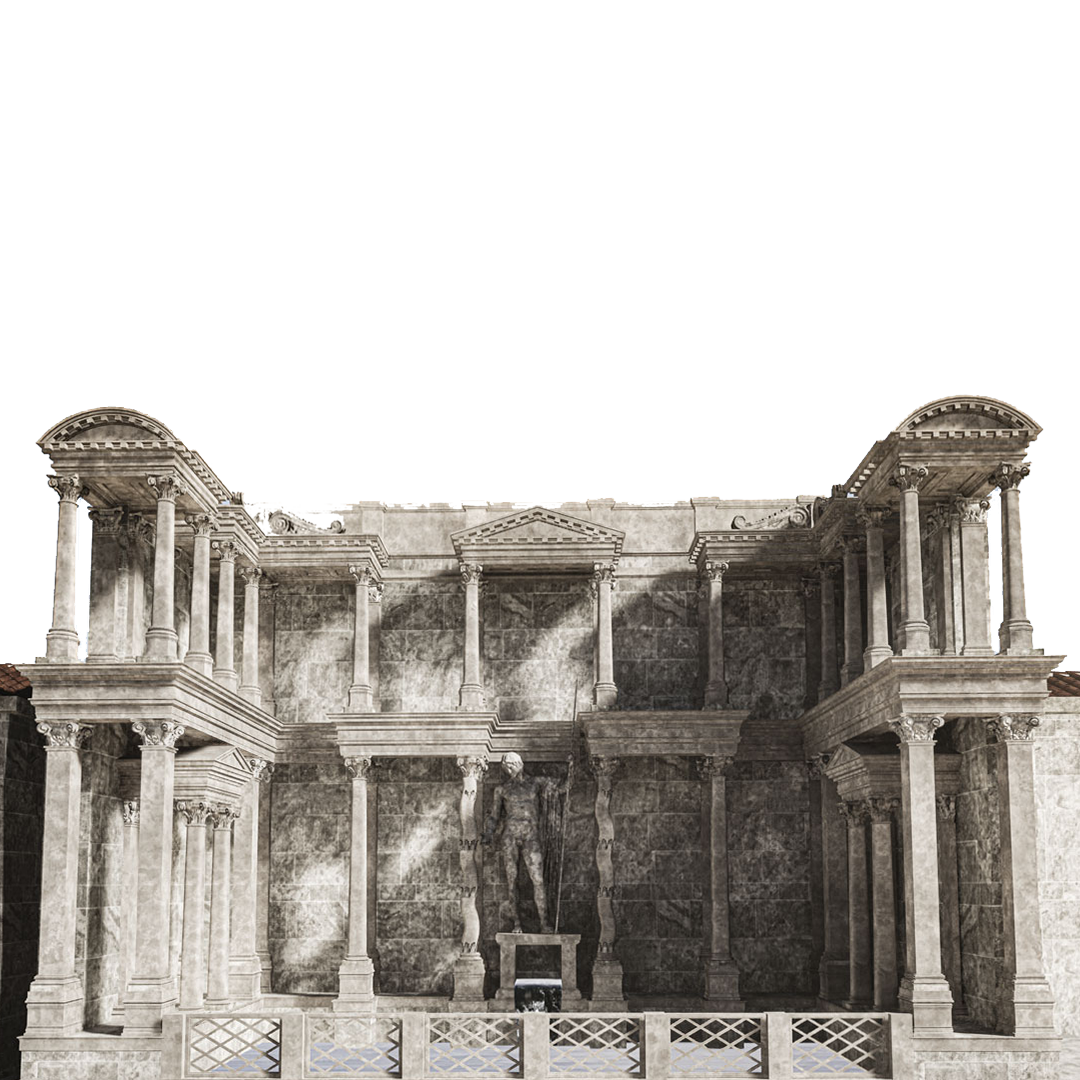
Archaeological sites in Ephesus, such as the Castle located on Ayasuluk Hill in the Selçuk district, structures like St. John's Church, and the İsa Bey Mosque from the Seljuq period, offer glimpses into the history of Ephesus spanning from the Neolithic period to the Roman, Eastern Roman (Byzantine), and Ottoman Empires.

Günümüzde Efes Limanı artık kullanılmamaktadır ve kent limanı bataklık halindedir. Ege Denizi de kenti terk etmiş ve 9 kilometre açığa çekilmiştir. Ancak bu duruma rağmen milyonlarca gezgin, yeniden restore edilen Efes'i görmek için yollara düşmektedir.

The Ephesus Port is no longer in use today, and the city's harbor is in a marshy state. The Aegean Sea has also retreated from the city and is now 9 kilometers away. Nevertheless, despite these circumstances, millions of travelers embark on journeys to see the restored Ephesus.

Özet olarak, Efes Antik Kenti Batı Anadolu'nun önemli bir turistik destinasyonudur. Binlerce yıl öncesinin yaşam izlerini görmek ve arkeolojik eserleri keşfetmek için milyonlarca ziyaretçi Efes'i ziyaret etmektedir.

In summary, Ephesus Ancient City is an important tourist destination in Western Anatolia. Millions of visitors come to Ephesus to witness the traces of life from thousands of years ago and explore archaeological artifacts.

Sayfa:  

Page:  

/

Selçuk - Efes Hakkında

Selçuk - Efes Tarihi

About Selçuk - Efes

Selçuk - Efes History

X

Efes, Batı Anadolu'nun Ege sahilinde bulunan bir yarımada üzerine kurulmuş bir liman kentidir. Günümüzde milyonlarca dünya gezgini Efes'i ziyaret ederek binlerce yıl öncesinin yaşam izlerini görmektedir. Efes'in büyük bir kısmı hala toprak altında bulunmaktadır, ancak arkeolojik kazılarla ortaya çıkarılan kent etkileyici bir şekilde restore edilmiştir. Efes araştırmaları ve kazıları, Türkiye'deki müzelerde ve dünyanın diğer önemli müzelerinde sergilenen eserlerle devam etmektedir.

Efes'in çevresindeki kazı alanlarında yapılan çalışmalar, geçmişi M.Ö. 8200'lere kadar götüren yeni bulgular ortaya çıkarmıştır. Hititler Dönemi'nde Arzawa Ülkesi içindeki Apasas'ın Ayasuluk Tepesi'nde yerleşim olduğu düşünülmektedir. Efes'i tam olarak keşfedebilmek için meraklı gezginlerin daha fazla zaman ayırması gerekmektedir, çünkü on bin yıllık bir geçmişe sahip olan Efes'in izlerini takip etmek birkaç günü aşabilir.

Efes'teki arkeolojik alanlarda, Selçuk ilçesindeki Ayasuluk Tepesi'nde bulunan Kale, St. Jean Kilisesi ve Selçuklu Beyliği dönemine ait İsa Bey Camisi gibi yapılar, Neolitik dönemden Roma'ya, Doğu Roma (Bizans) ve Osmanlı İmparatorluğu'na kadar uzanan dönemlerden kalmış yapılar ya da buluntularla birlikte Efes'in geçmişine dair izler sunmaktadır.

Günümüzde Efes Limanı artık kullanılmamaktadır ve kent limanı bataklık halindedir. Ege Denizi de kenti terk etmiş ve 9 kilometre açığa çekilmiştir. Ancak bu duruma rağmen milyonlarca gezgin, yeniden restore edilen Efes'i görmek için yollara düşmektedir.

Özet olarak, Efes Antik Kenti Batı Anadolu'nun önemli bir turistik destinasyonudur. Binlerce yıl öncesinin yaşam izlerini görmek ve arkeolojik eserleri keşfetmek için milyonlarca ziyaretçi Efes'i ziyaret etmektedir.

Ephesus is a port city located on a peninsula along the Aegean coast of Western Anatolia. Today, millions of global travelers visit Ephesus to witness the traces of life from thousands of years ago. While a significant portion of Ephesus still lies underground, the city has been impressively restored through archaeological excavations. Research and excavations in Ephesus continue, with the artifacts being exhibited in museums in Turkey and other important museums around the world.

Studies conducted in the surrounding excavation sites of Ephesus have revealed new findings that date back to around 8200 BC. It is believed that there was a settlement in Ephesus, known as Apasas, within the Arzawa Kingdom during the Hittite period. To fully explore Ephesus, curious travelers need to allocate more time as tracing the footsteps of Ephesus, which has a history of ten thousand years, can exceed a few days.

Archaeological sites in Ephesus, such as the Castle located on Ayasuluk Hill in the Selçuk district, structures like St. John's Church, and the İsa Bey Mosque from the Seljuq period, offer glimpses into the history of Ephesus spanning from the Neolithic period to the Roman, Eastern Roman (Byzantine), and Ottoman Empires.

The Ephesus Port is no longer in use today, and the city's harbor is in a marshy state. The Aegean Sea has also retreated from the city and is now 9 kilometers away. Nevertheless, despite these circumstances, millions of travelers embark on journeys to see the restored Ephesus.

In summary, Ephesus Ancient City is an important tourist destination in Western Anatolia. Millions of visitors come to Ephesus to witness the traces of life from thousands of years ago and explore archaeological artifacts.

Antik Kantler Serisi 2, “Efes ve Diğer İon Kentleri”,(2017), Uranüs yayınları, 2. Baskı, Sayfa 8.

Selçuk - Efes Hakkında

3B Modeller

About Selçuk - Efes

3D Models

X