Prytaneion

Selçuk - Efes 3B İnteraktif Modeller

Prytaneion

Selçuk - Efes 3D Interactive Models

Sanal Gezi

Virtual Tour

DİKKAT!

Işığa duyarlı epilepsi:
Geçmişte epilepsi ya da nöbet geçirdiyseniz kullanmadan önce doktora danışın. Belirli şekiller ya da titreşimler daha önce nöbet geçirmemiş kişilerin nöbet geçirmesine neden olabilir.

WARNING!

Photosensitive epilepsy:
If you have had or are prone to epileptic episodes or seizures, please consult your physician before use. Certain shapes and/or vibrations may cause manifestation of epileptic symptoms in individuals who have no history of seizures or epilepsy.

  • Tam Ekran

    Full Screen

  • Önbelleği Temizle

    Clear Cache

Sanal Gezi

Virtual Tour

BAŞLAT

START

play-button

Prytaneion

Prytaneion


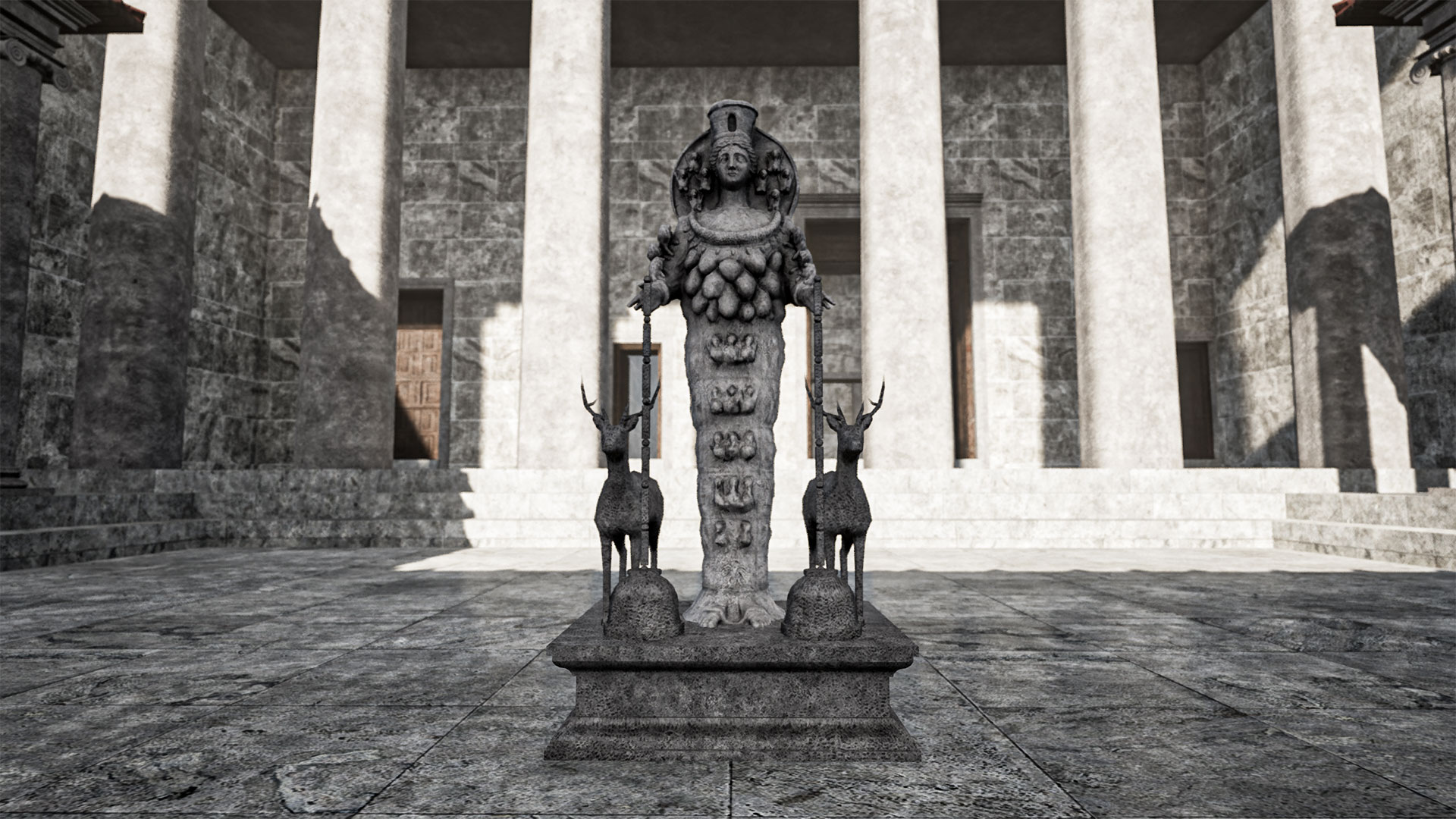
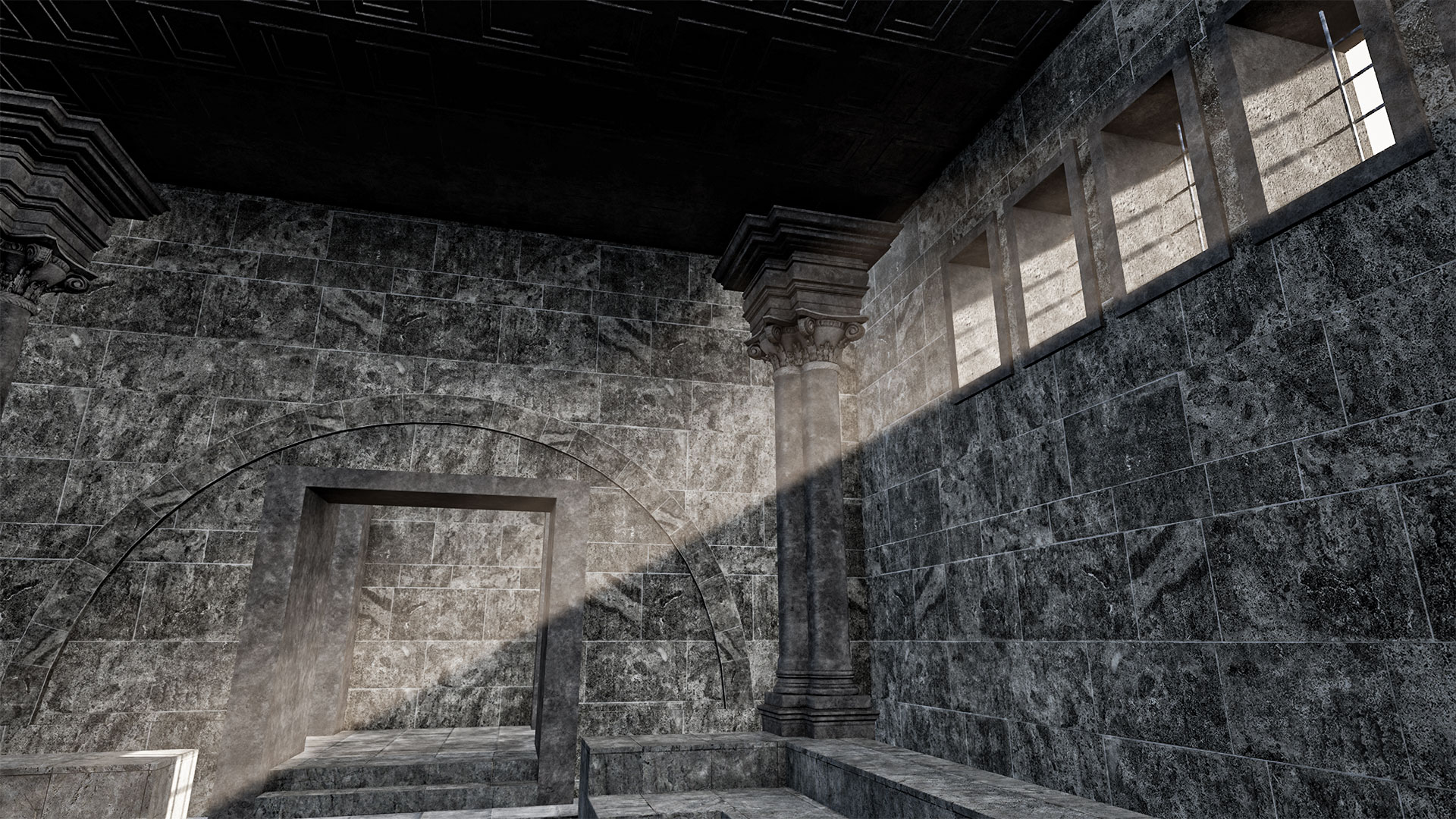
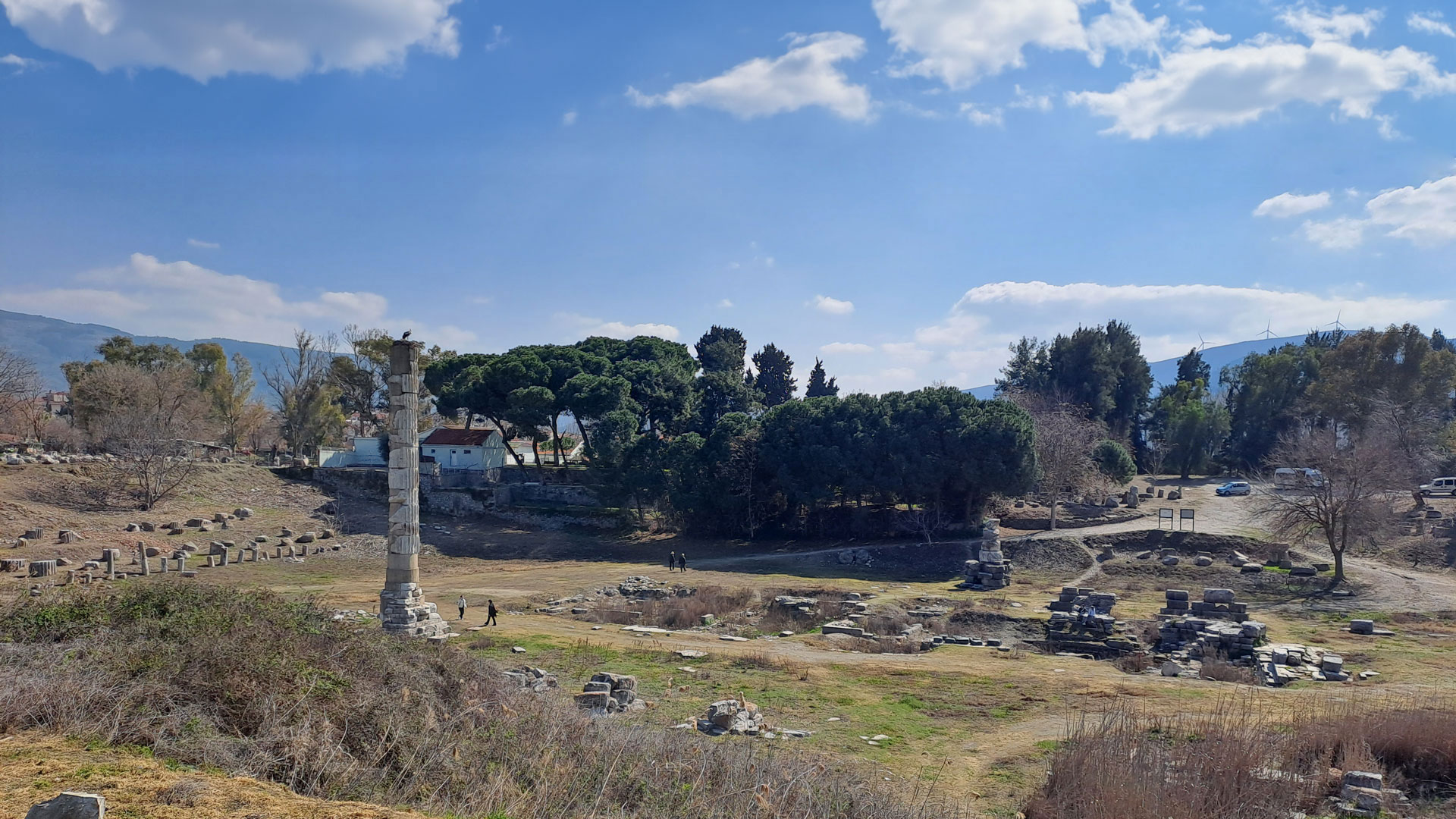
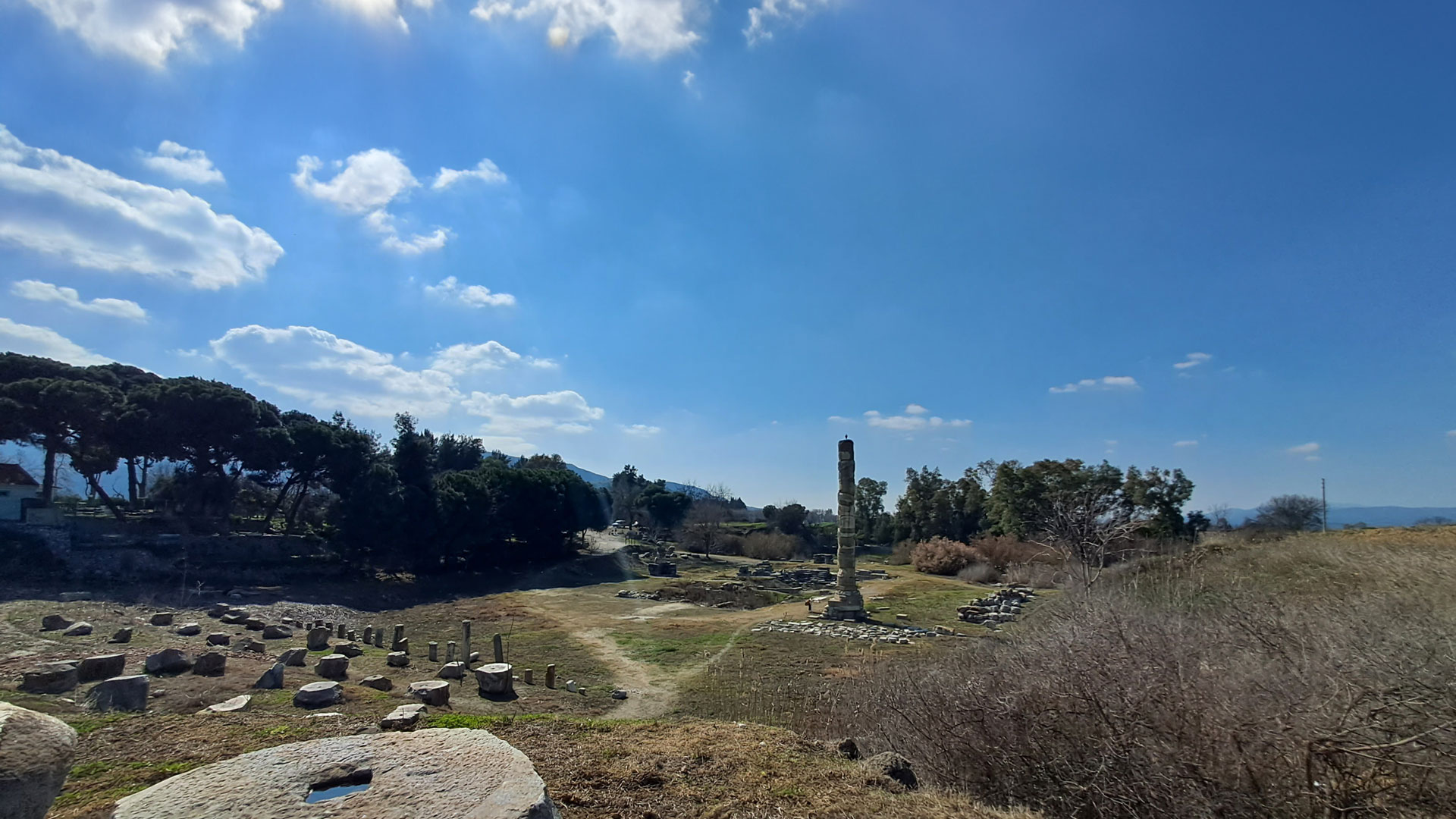
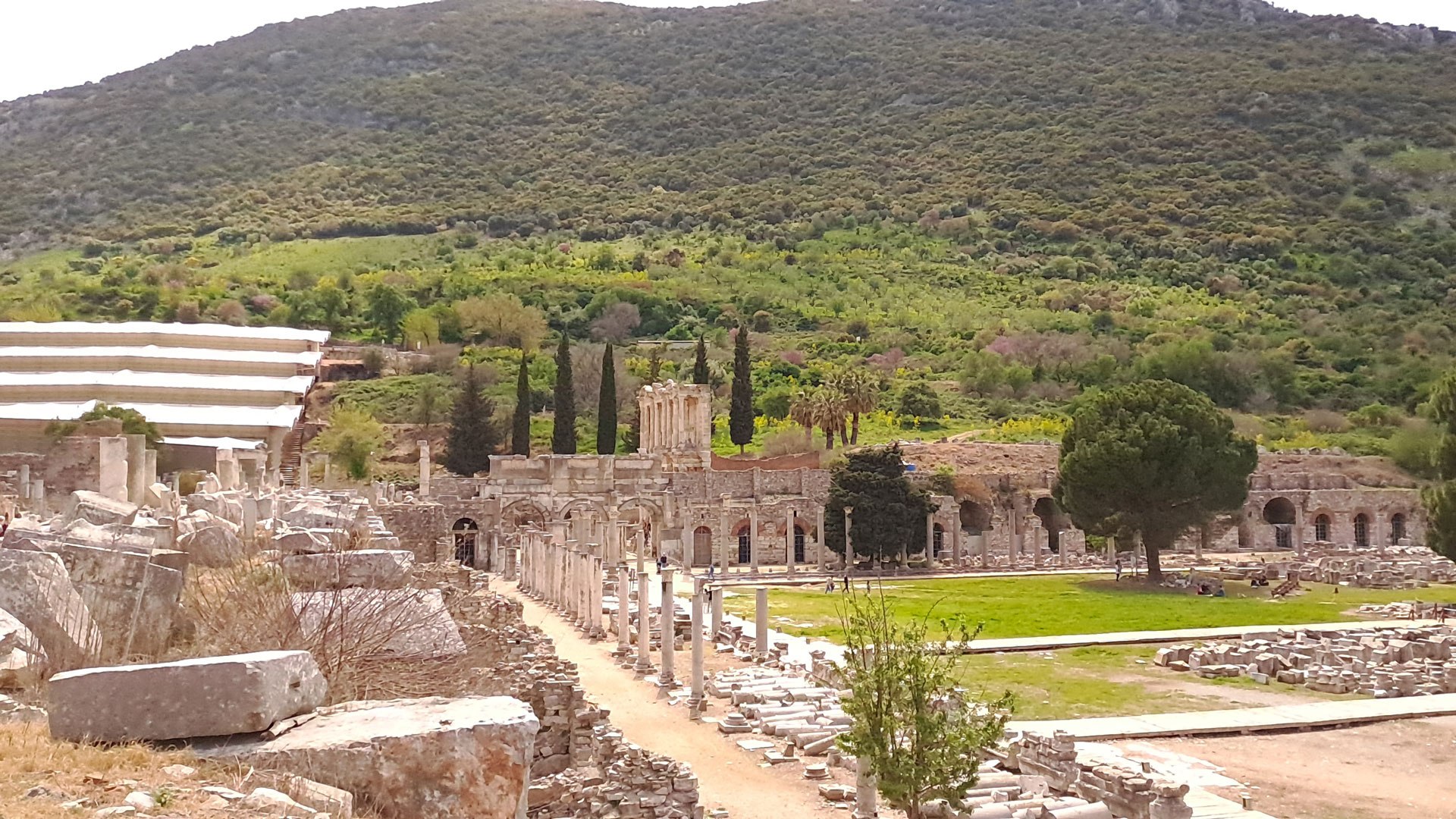
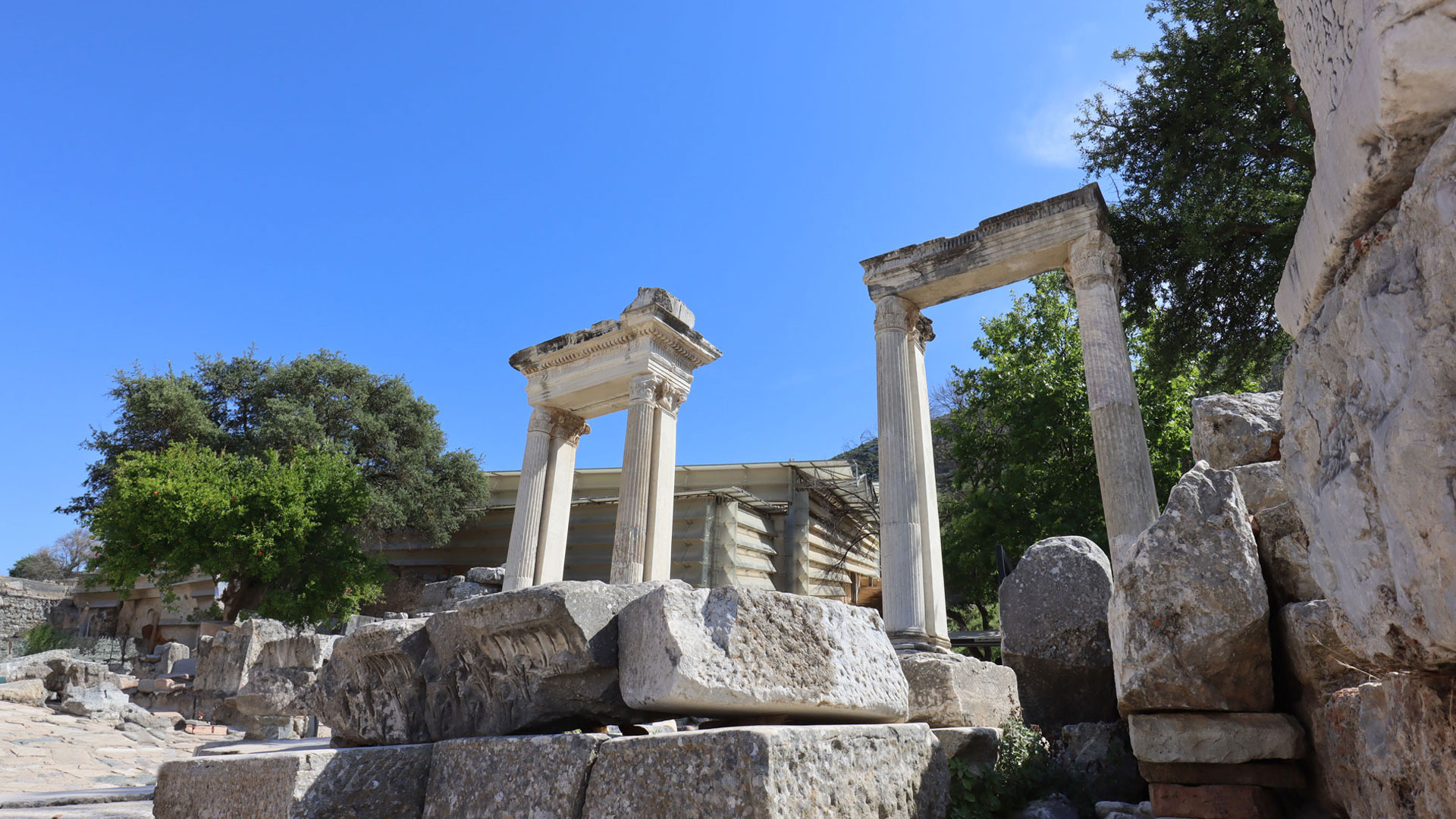
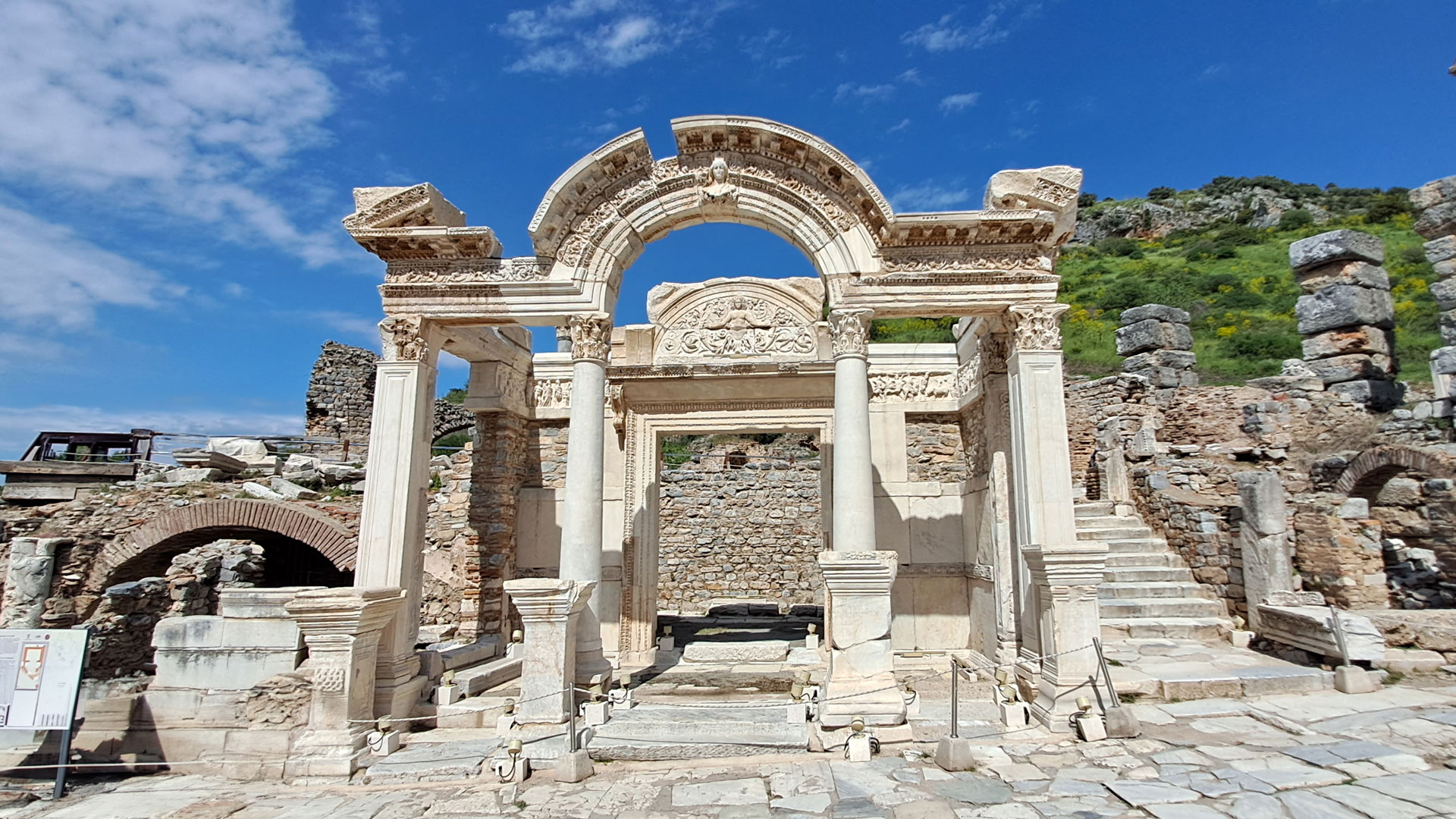
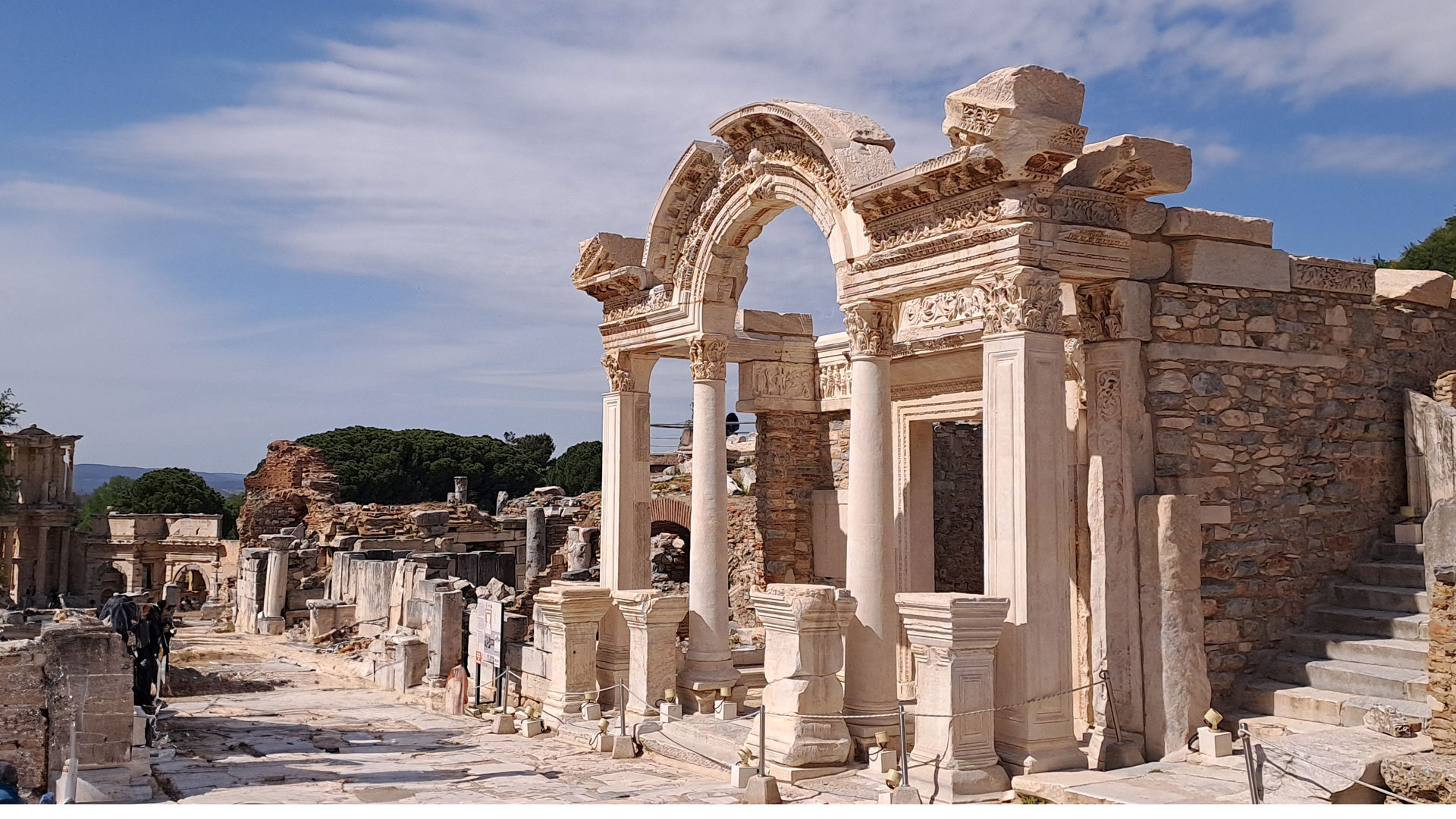
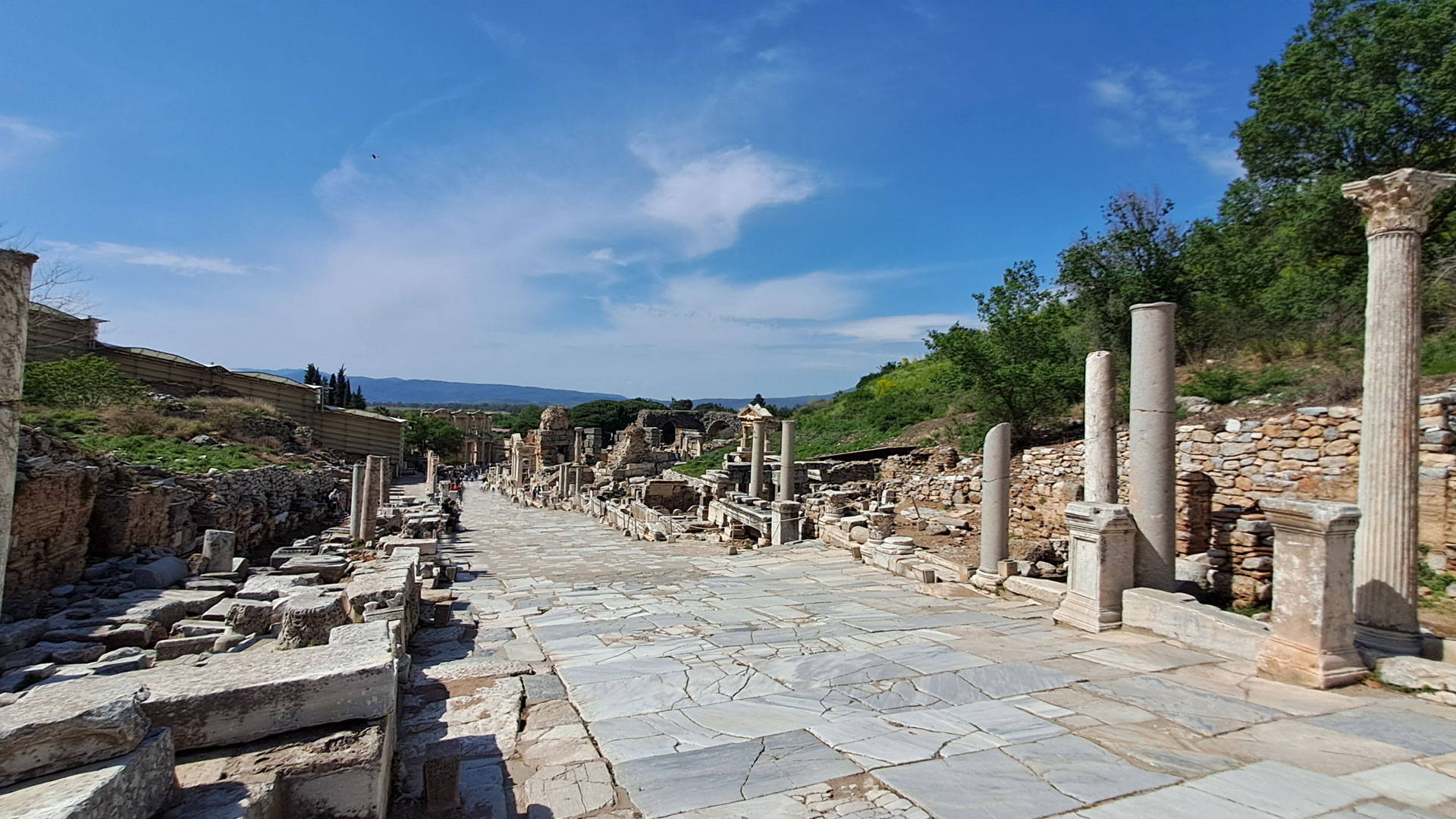
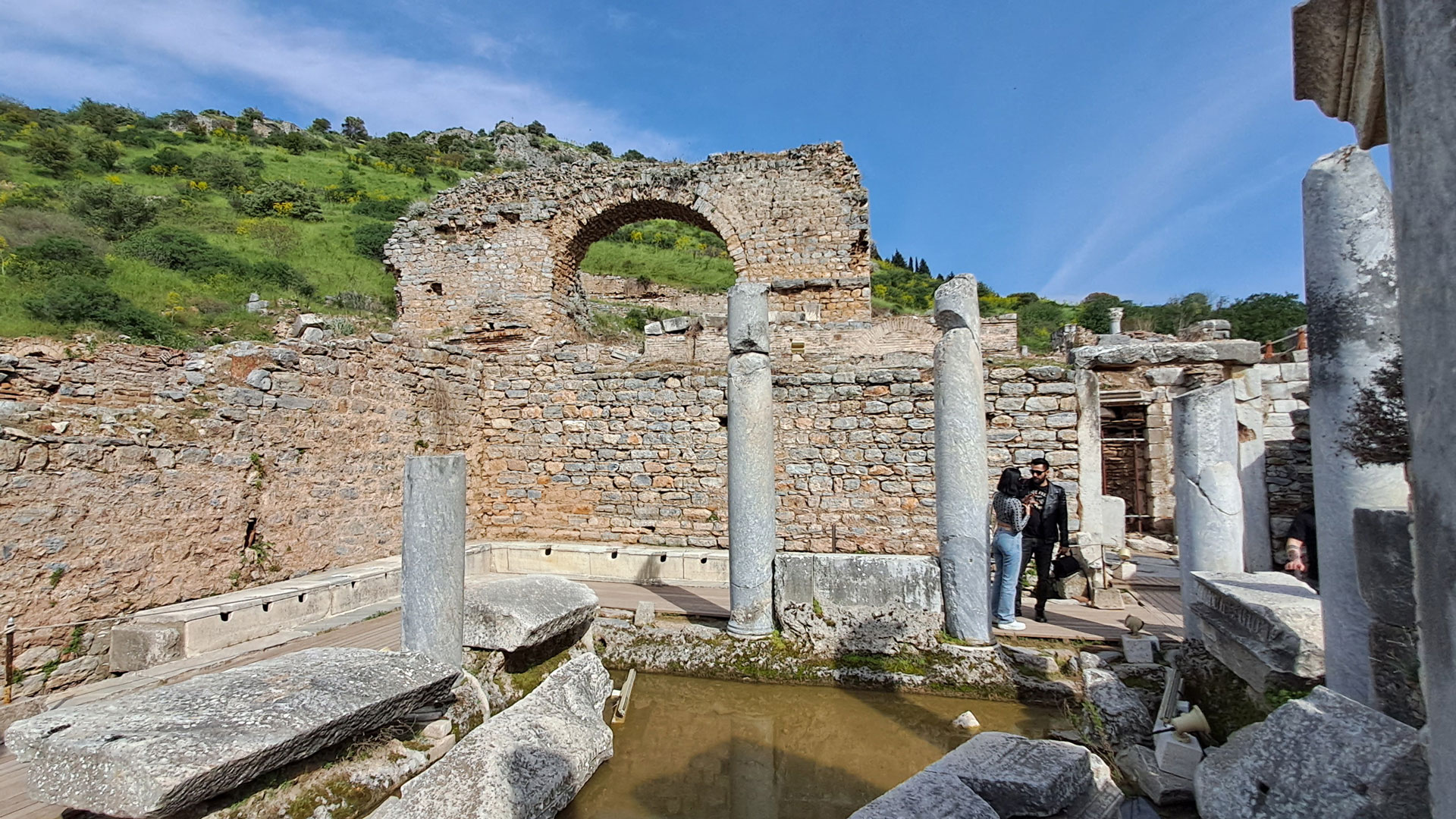
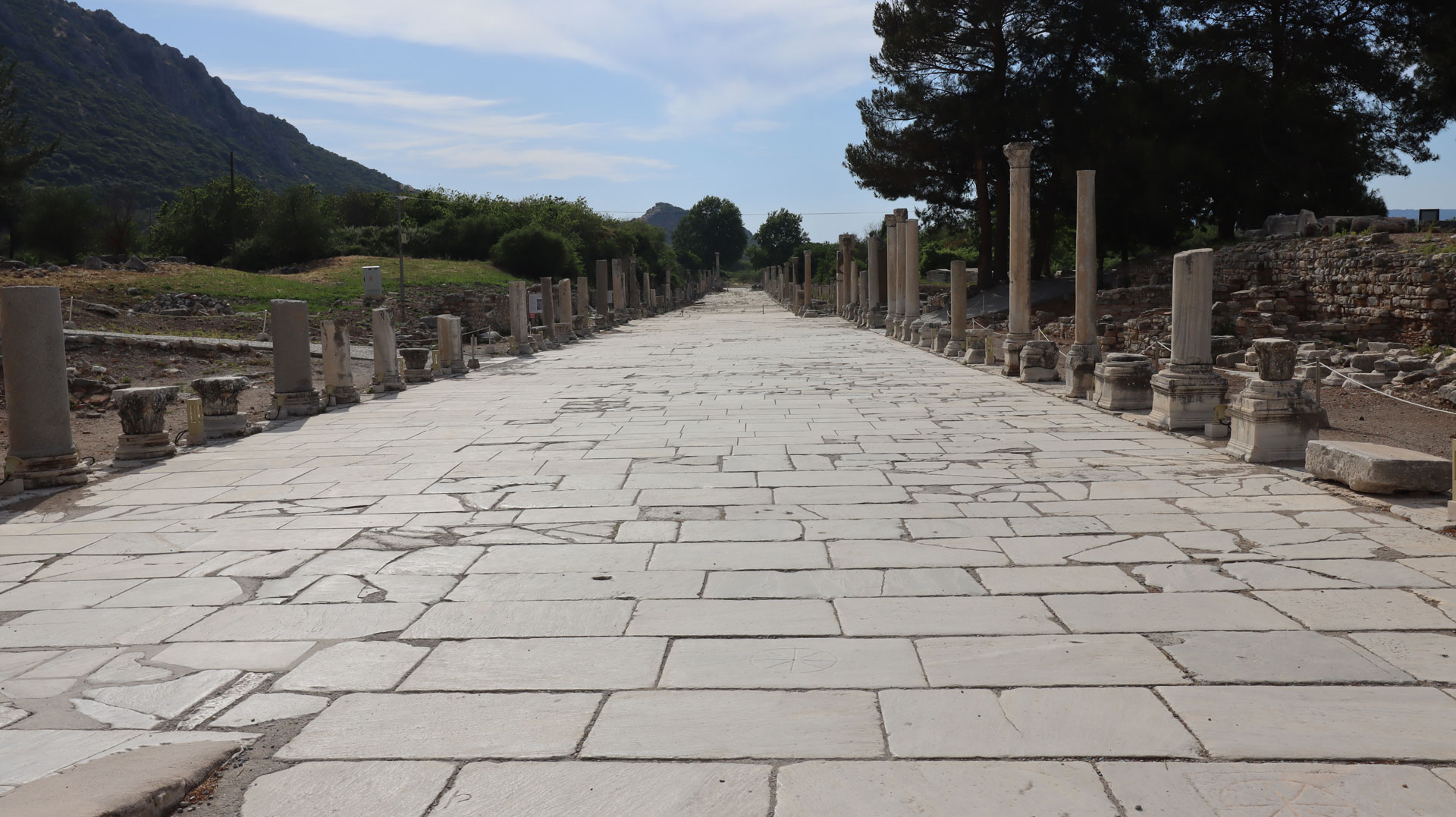
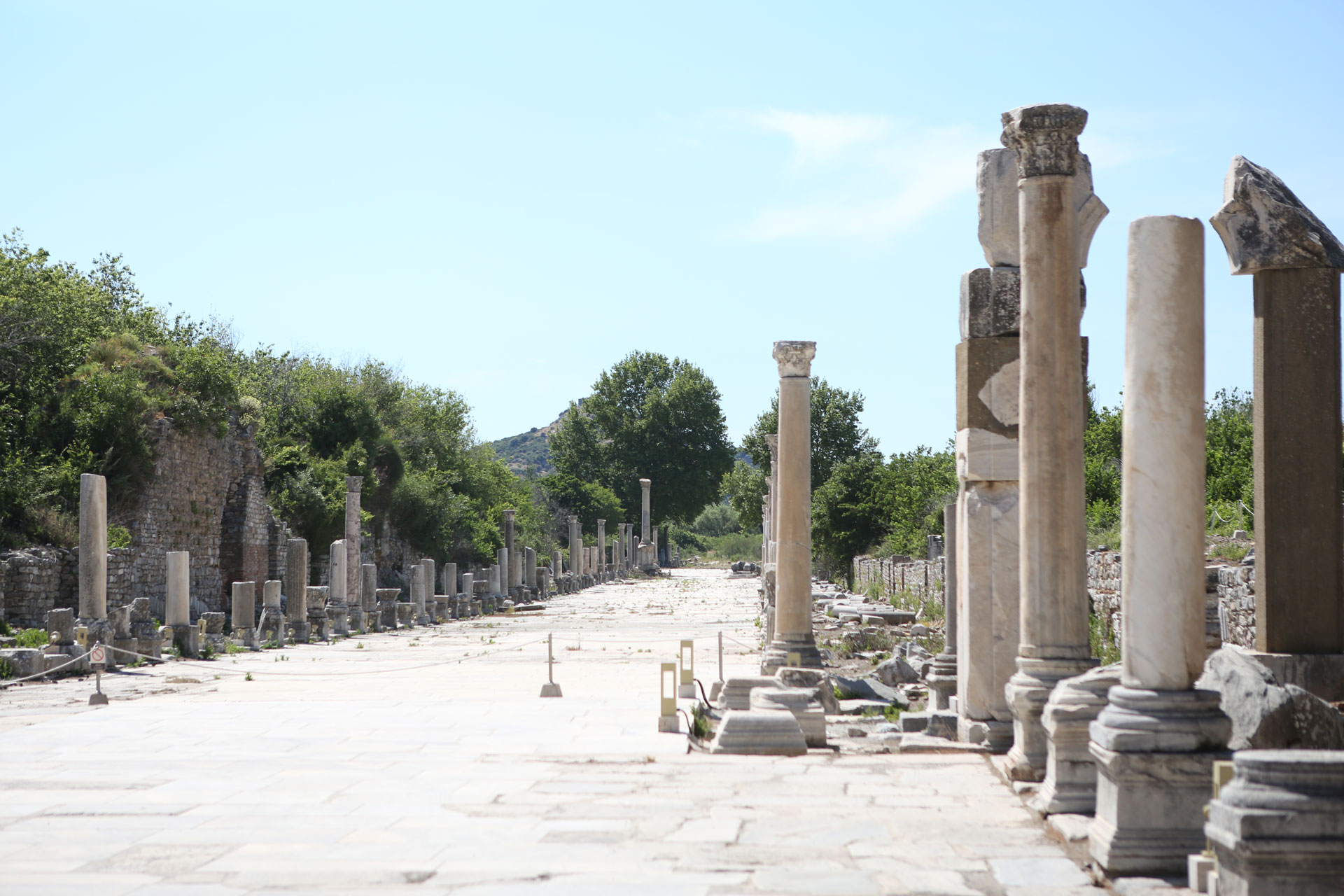
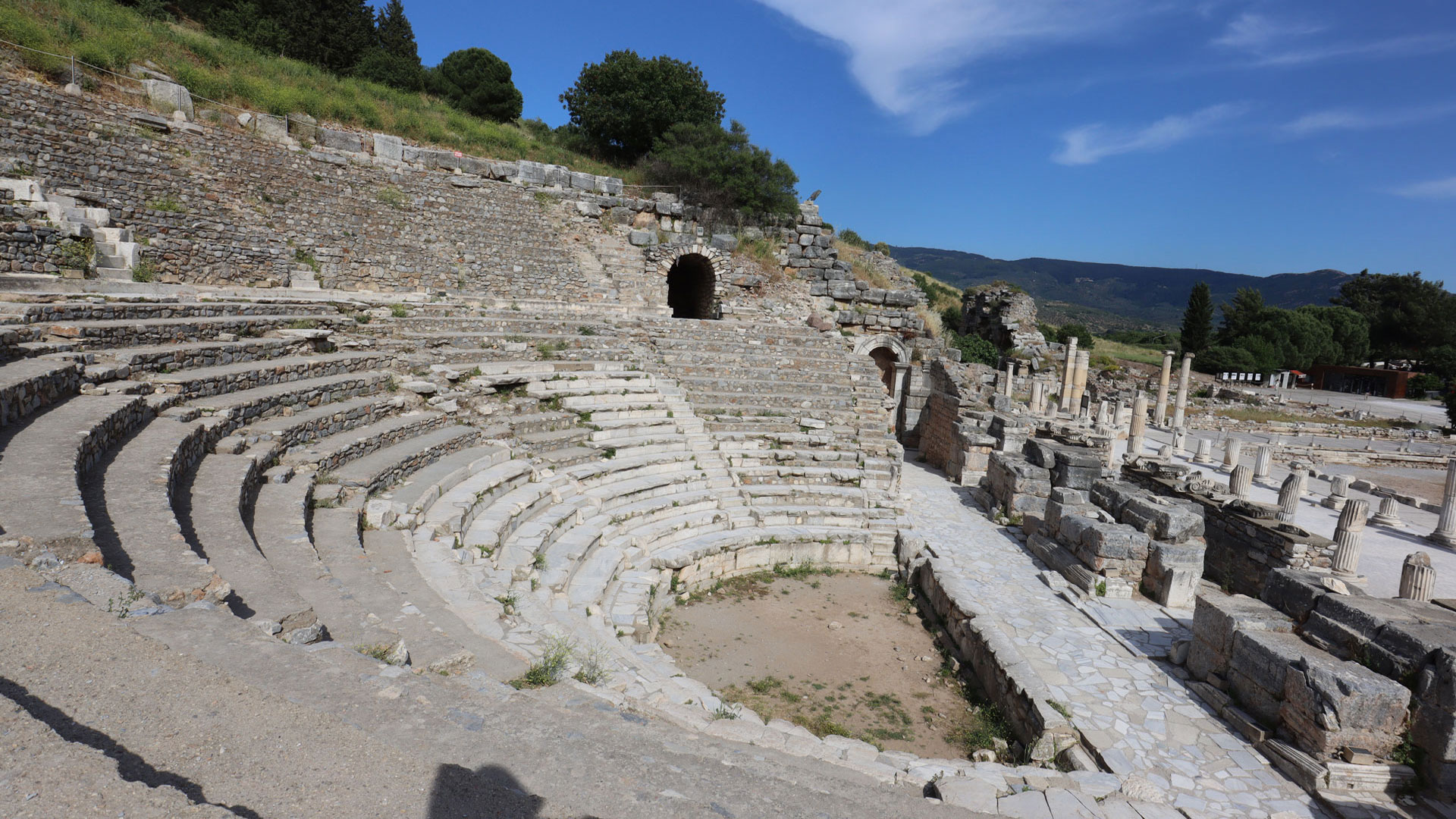
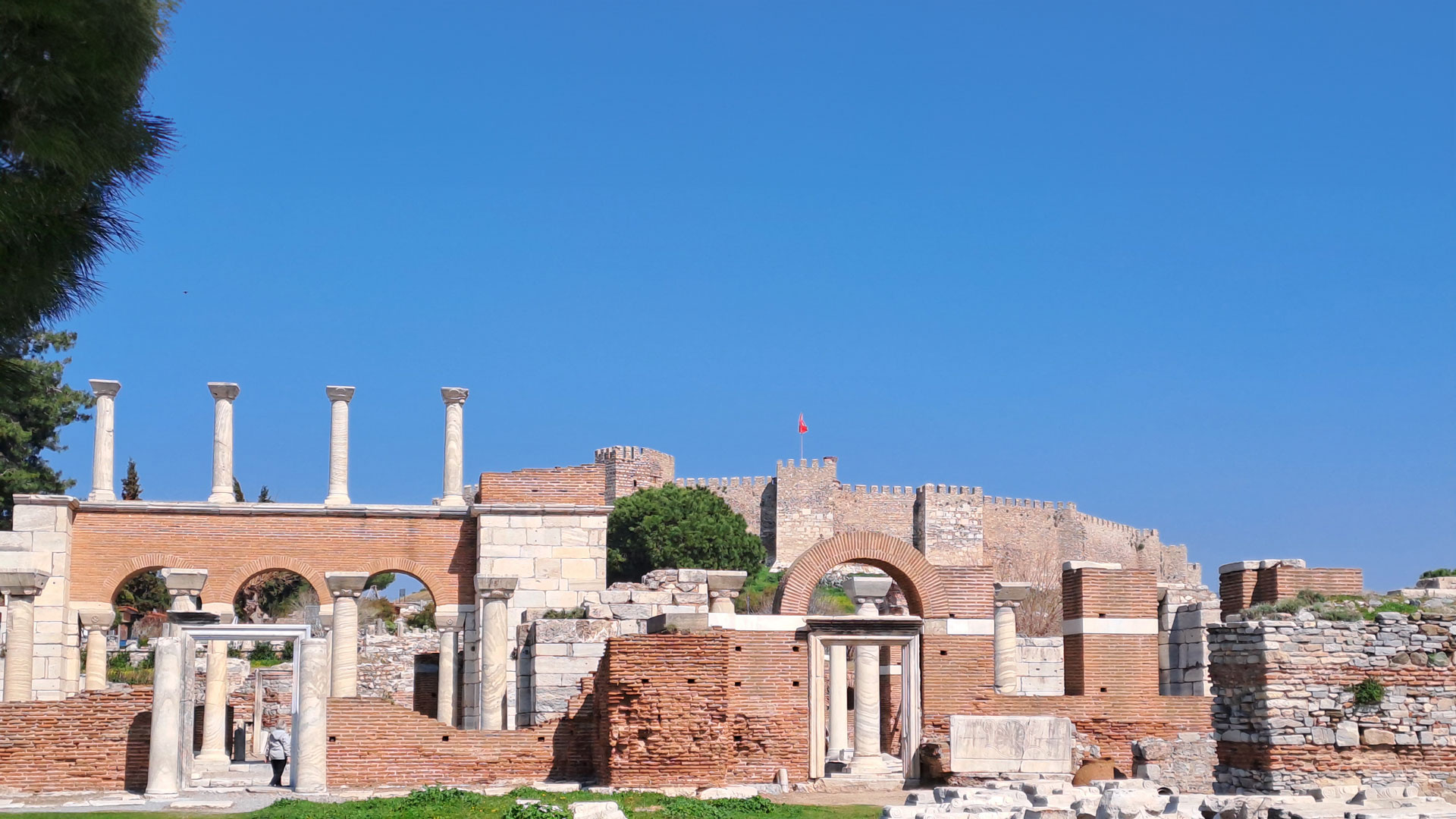
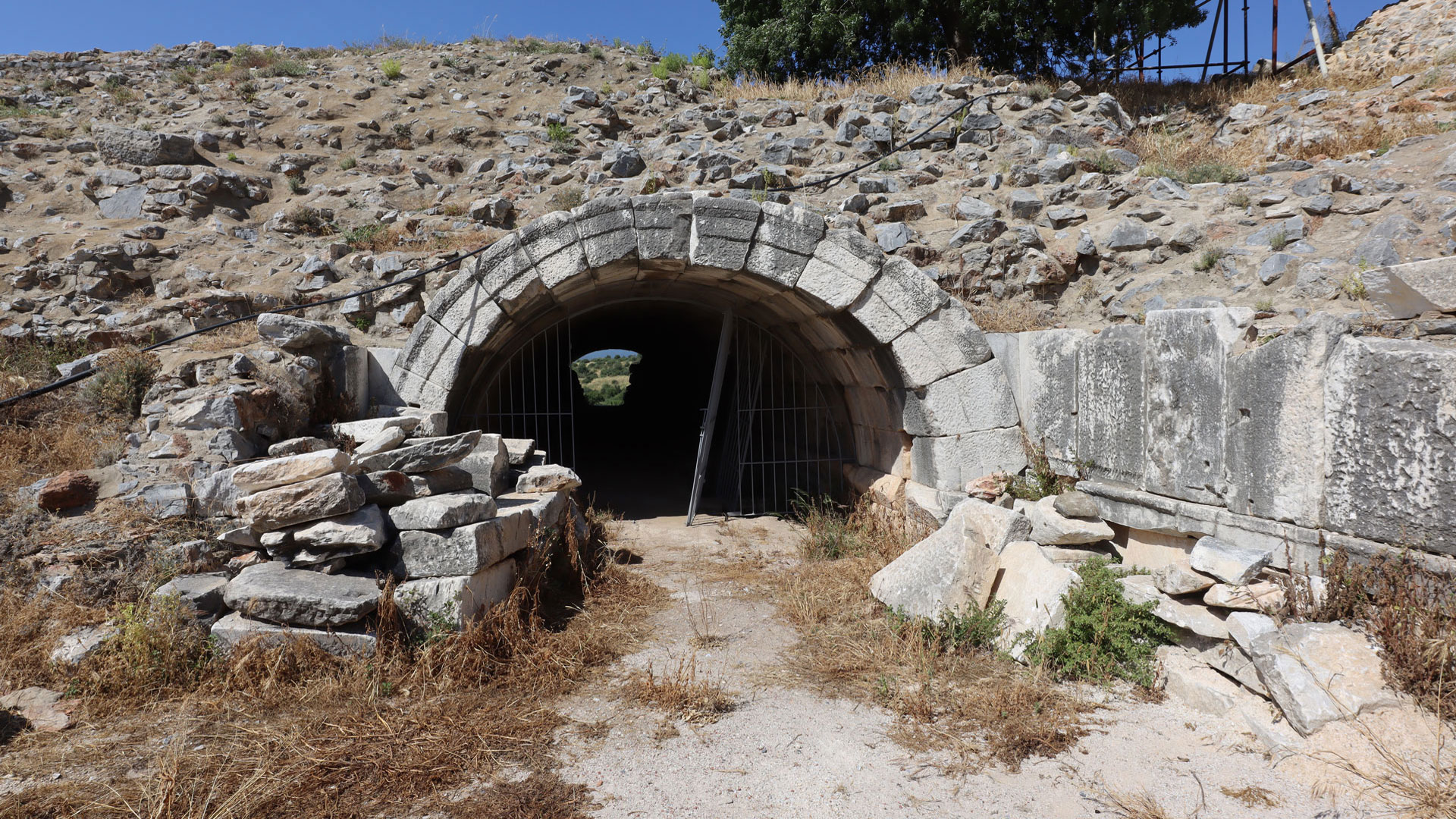
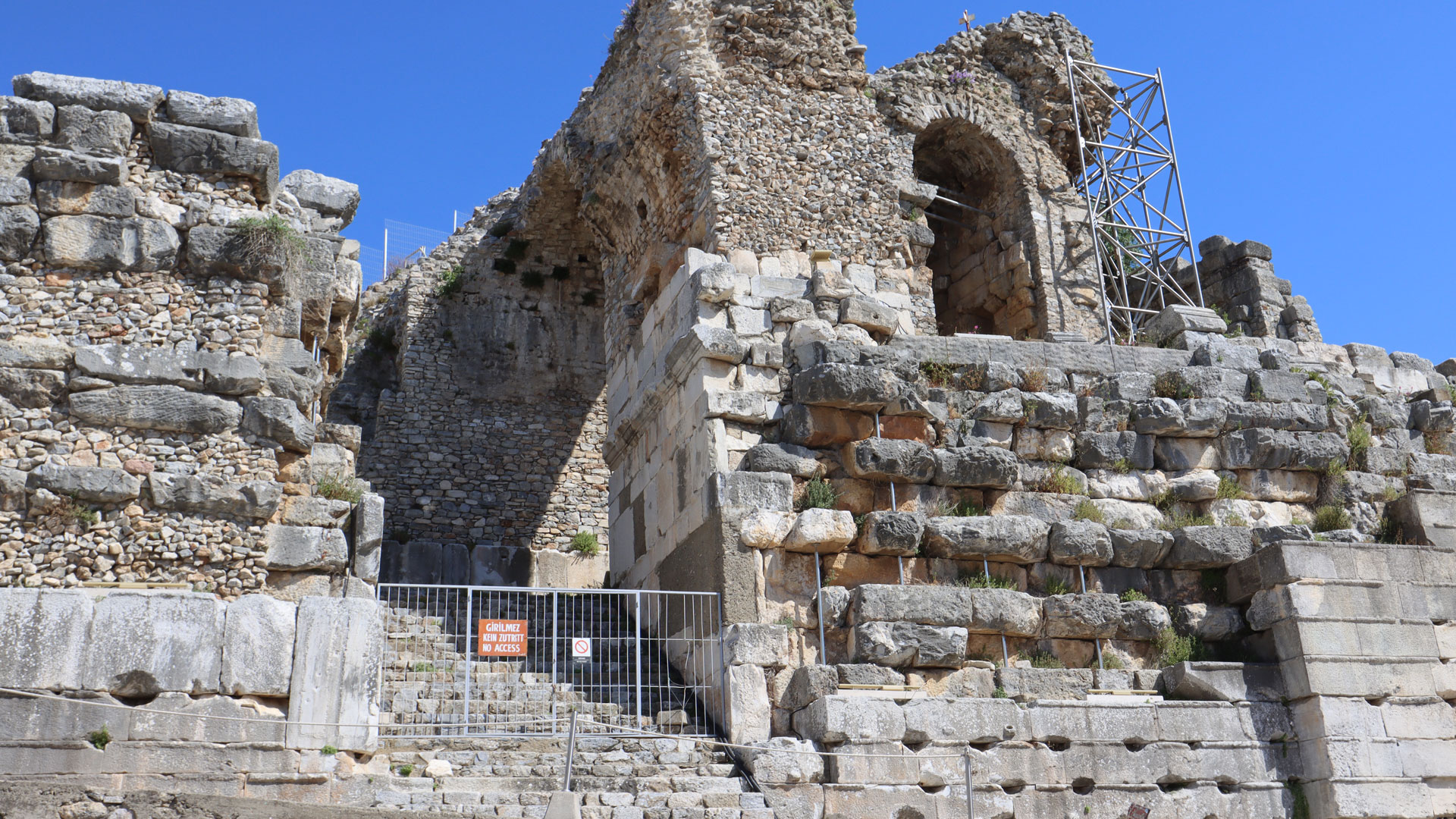
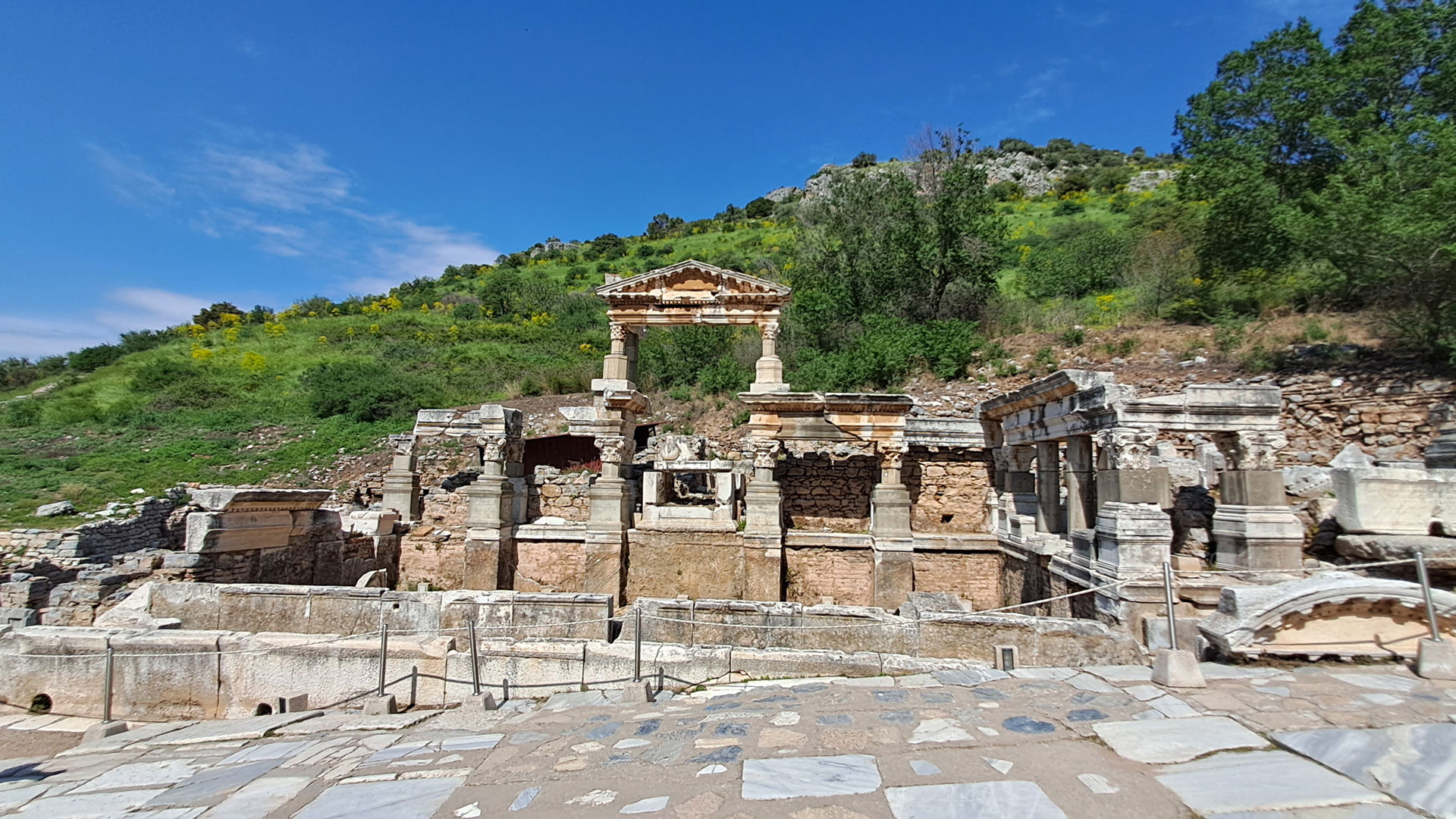
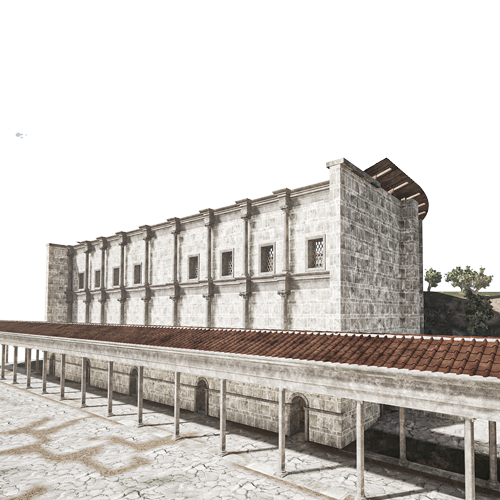
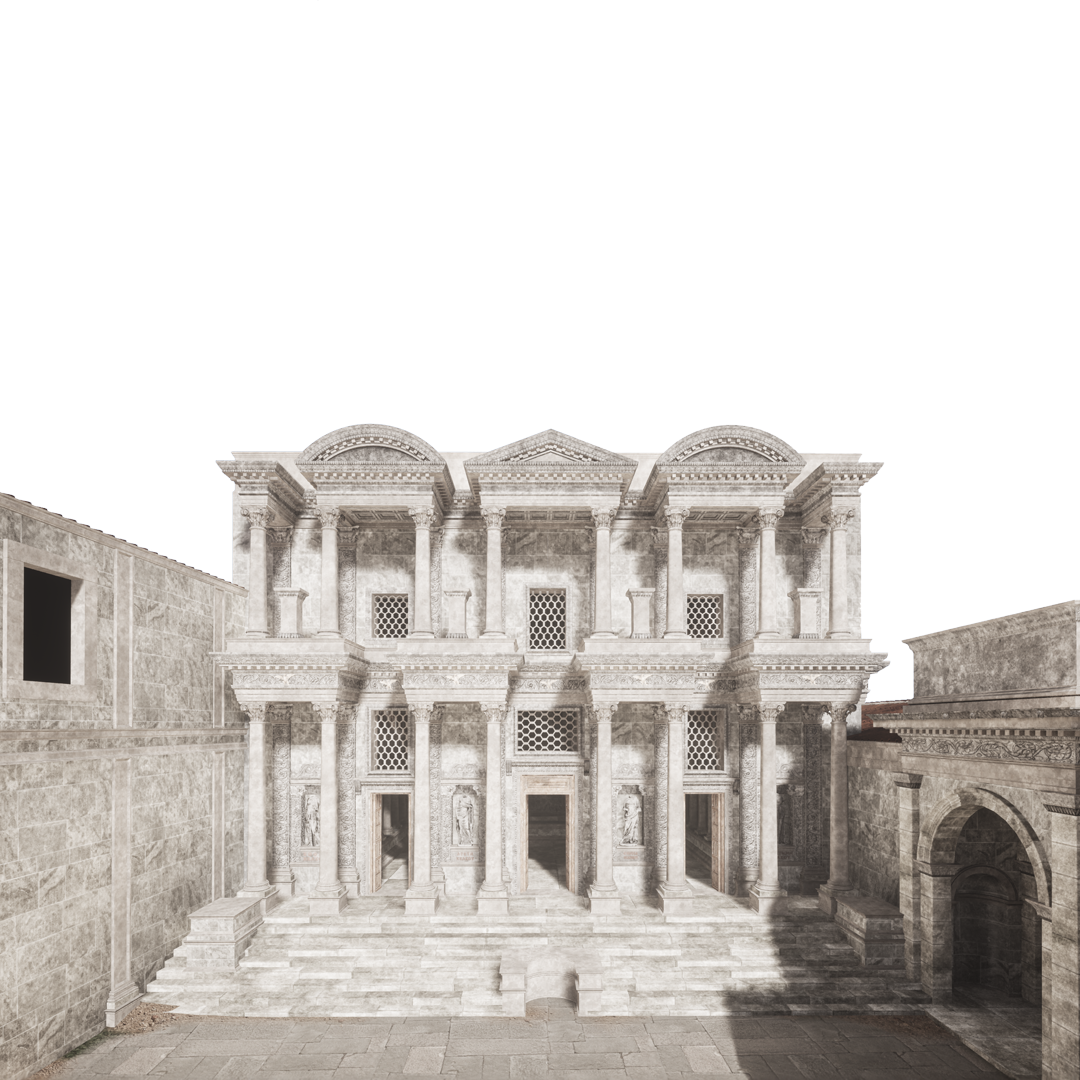
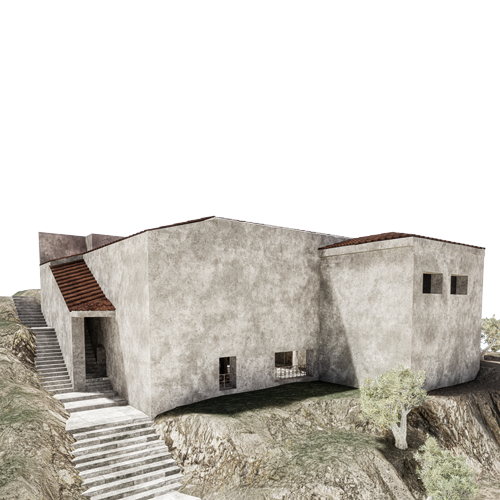
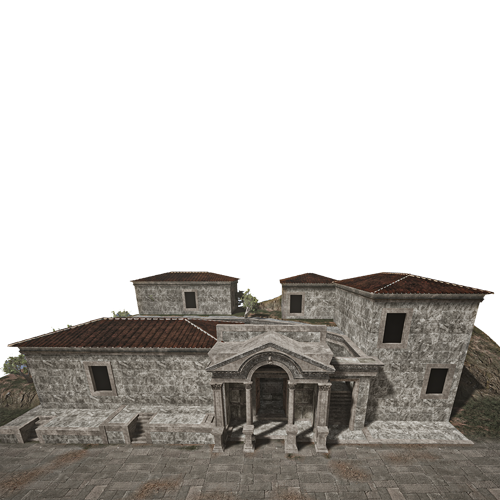
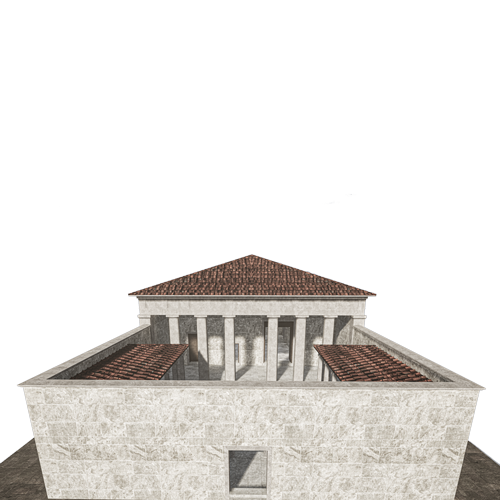
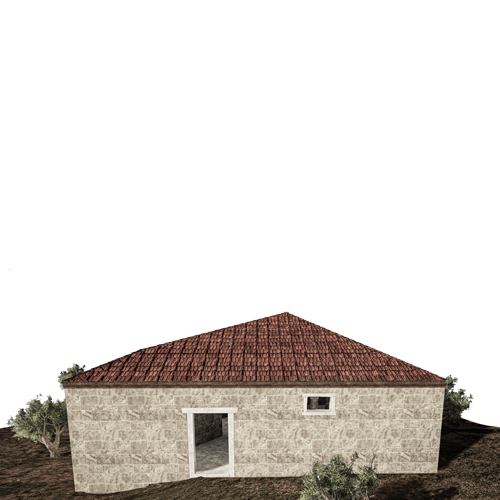
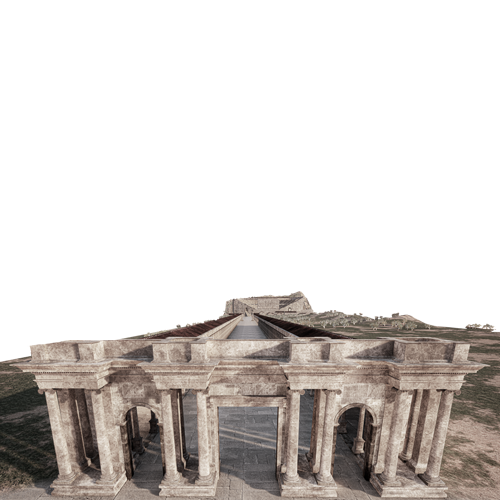
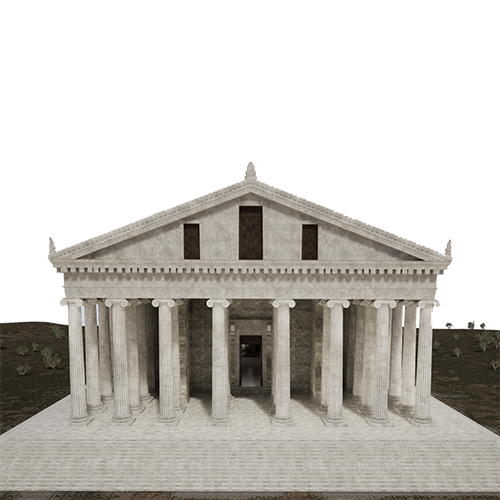
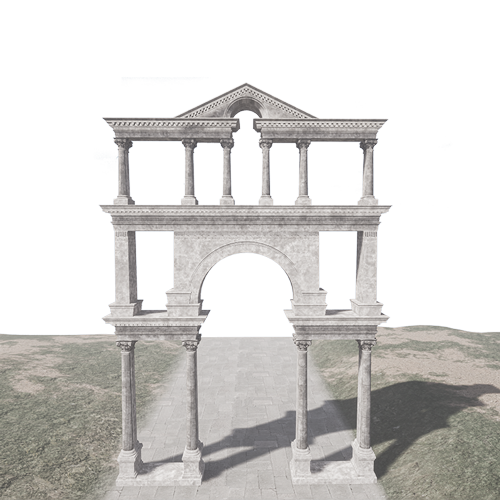
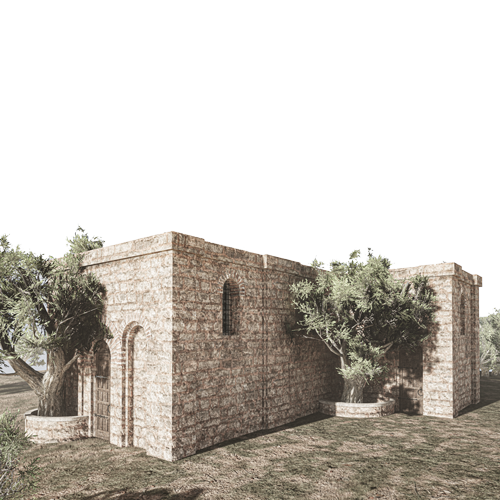
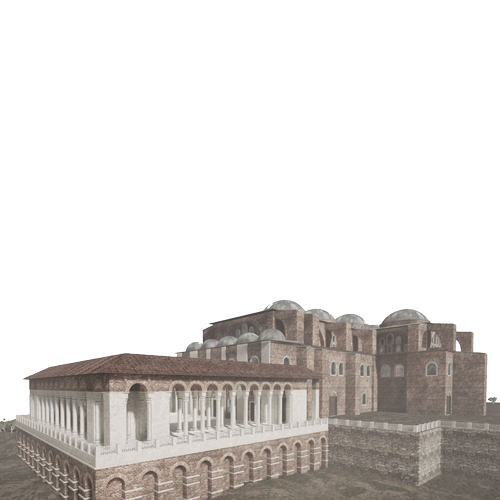
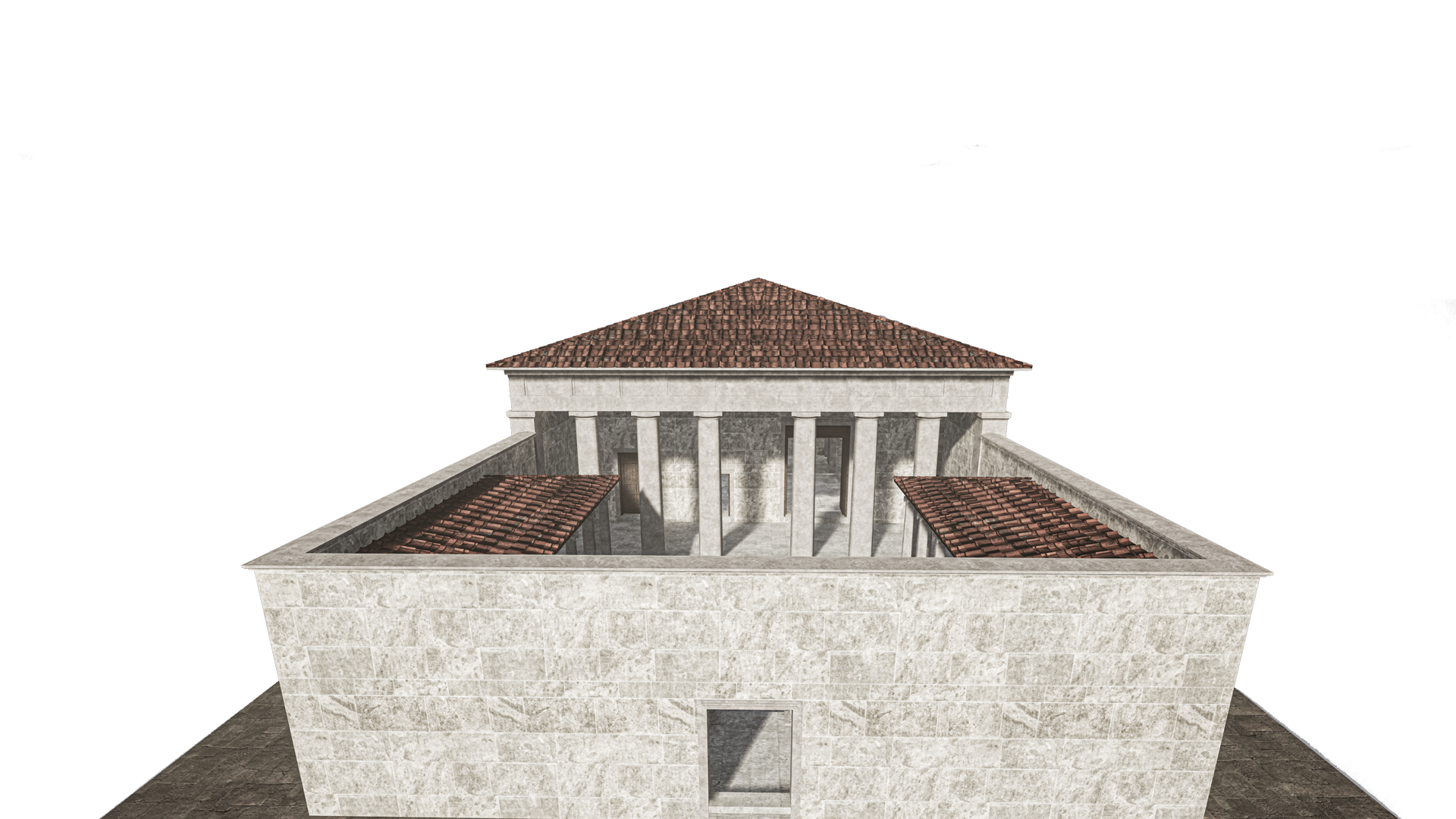
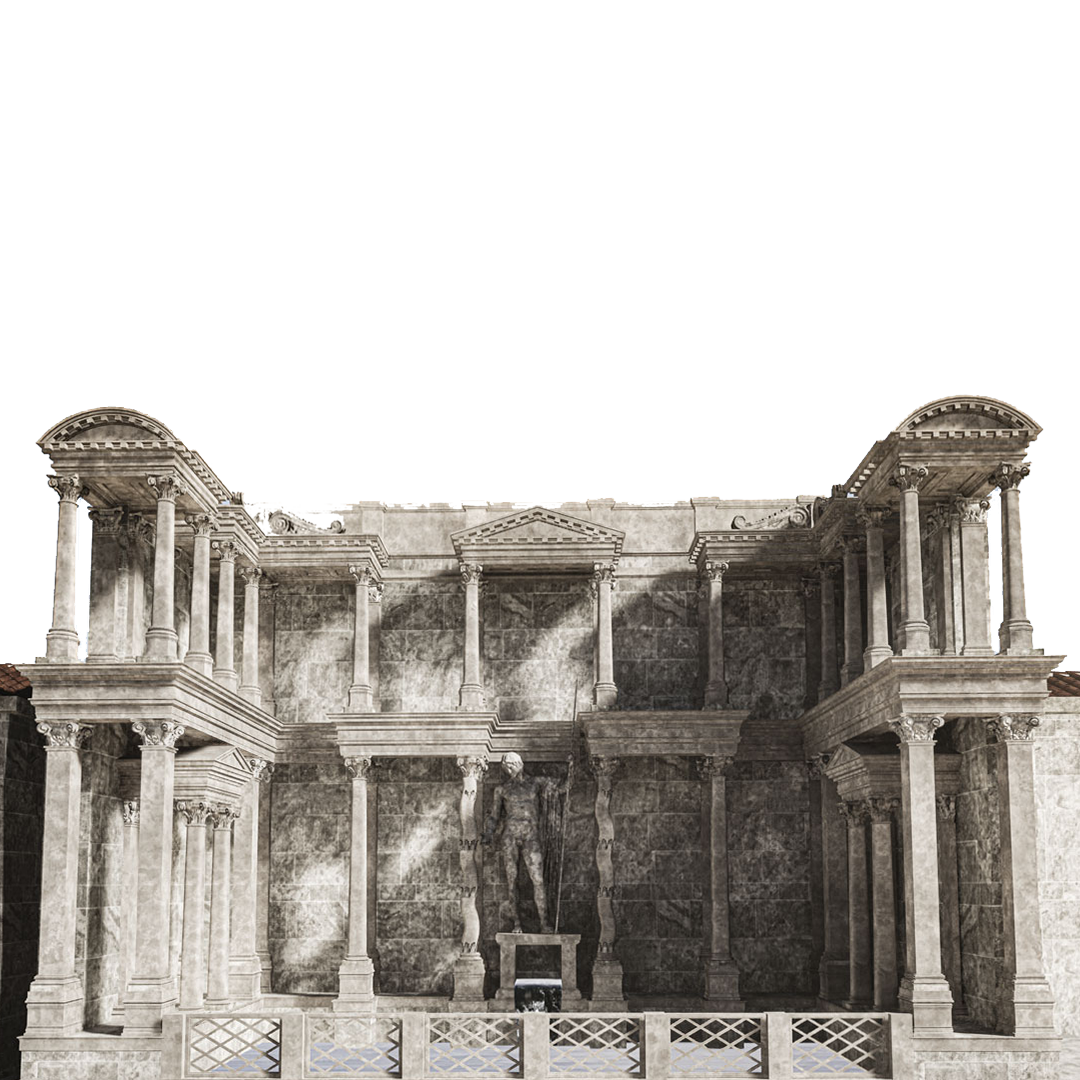
Lysimakhos döneminde (MÖ 300) inşa edilen Prytaneion, Efes Antik Kenti'nde Odeion'un batısında yer almaktadır. Günümüze ulaşan kalıntıları, M.S. 3. yüzyılda onarılmış ancak 4. yüzyılda yıkılmıştır. Prytaneion, antik Yunan kentlerinde, sürekli olarak yanmakta olan kutsal bir ateşin bulunduğu ve yabancı seçkin kişilerin, elçilerin, başarılı sporcuların veya savaşçıların ağırlandığı bir yapıdır. Prytaneion aynı zamanda belediye binası olarak da kullanılırdı.

The Prytaneion, built during the reign of Lysimachus (around 300 BC), is located west of the Odeon in the ancient city of Ephesus. The remaining ruins were restored in the 3rd century AD but were eventually destroyed in the 4th century. The Prytaneion was a structure found in ancient Greek cities, housing a sacred perpetual fire and serving as a place of hospitality for distinguished foreign individuals, ambassadors, successful athletes, or warriors. It also served as the municipal building.

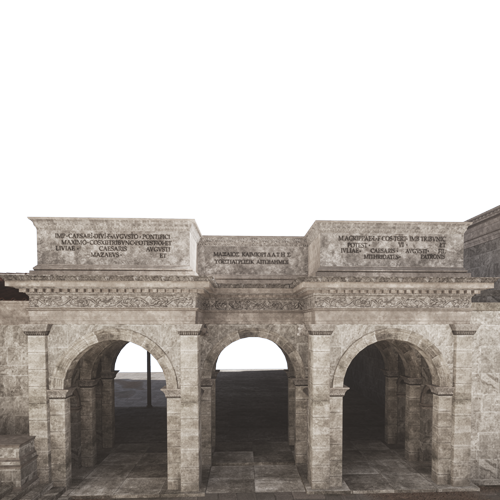
Prytaneion, Efes'in yönetici sınıfı, yabancı konuklar ve zengin vatandaşların toplandığı önemli bir yapının sivil işlevine sahiptir. Sütunlar üzerindeki yazıtlarda, değişen sayıda Kuretler olarak bilinen rahip sınıfının isimleri yer almaktadır. Her yılın Mayıs ayının ilk haftasında Prytaneion'dan hareket eden rahipler, Artemis'in doğumunu canlandıran bir tören gerçekleştirirdi.

The Prytaneion had a civic function as an important structure where the ruling class of Ephesus, foreign guests, and wealthy citizens would gather. Inscriptions on the columns bear the names of the priest class known as the Kuretes, with varying numbers. Every year, during the first week of May, priests would depart from the Prytaneion to perform a ceremony reenacting the birth of Artemis.

Selçuk - Efes Hakkında

Selçuk - Efes Tarihçesi

About Selçuk - Efes

Selçuk - Efes History

X

Efes, Batı Anadolu'nun Ege sahilinde bulunan bir yarımada üzerine kurulmuş bir liman kentidir. Günümüzde milyonlarca dünya gezgini Efes'i ziyaret ederek binlerce yıl öncesinin yaşam izlerini görmektedir. Efes'in büyük bir kısmı hala toprak altında bulunmaktadır, ancak arkeolojik kazılarla ortaya çıkarılan kent etkileyici bir şekilde restore edilmiştir. Efes araştırmaları ve kazıları, Türkiye'deki müzelerde ve dünyanın diğer önemli müzelerinde sergilenen eserlerle devam etmektedir.

Ephesus is a port city located on a peninsula along the Aegean coast of Western Anatolia. Today, millions of global travelers visit Ephesus to witness the traces of life from thousands of years ago. While a significant portion of Ephesus still lies underground, the city has been impressively restored through archaeological excavations. Research and excavations in Ephesus continue, with the artifacts being exhibited in museums in Turkey and other important museums around the world.
Efes'in çevresindeki kazı alanlarında yapılan çalışmalar, geçmişi M.Ö. 8200'lere kadar götüren yeni bulgular ortaya çıkarmıştır. Hititler Dönemi'nde Arzawa Ülkesi içindeki Apasas'ın Ayasuluk Tepesi'nde yerleşim olduğu düşünülmektedir. Efes'i tam olarak keşfedebilmek için meraklı gezginlerin daha fazla zaman ayırması gerekmektedir, çünkü on bin yıllık bir geçmişe sahip olan Efes'in izlerini takip etmek birkaç günü aşabilir.

Studies conducted in the surrounding excavation sites of Ephesus have revealed new findings that date back to around 8200 BC. It is believed that there was a settlement in Ephesus, known as Apasas, within the Arzawa Kingdom during the Hittite period. To fully explore Ephesus, curious travelers need to allocate more time as tracing the footsteps of Ephesus, which has a history of ten thousand years, can exceed a few days.

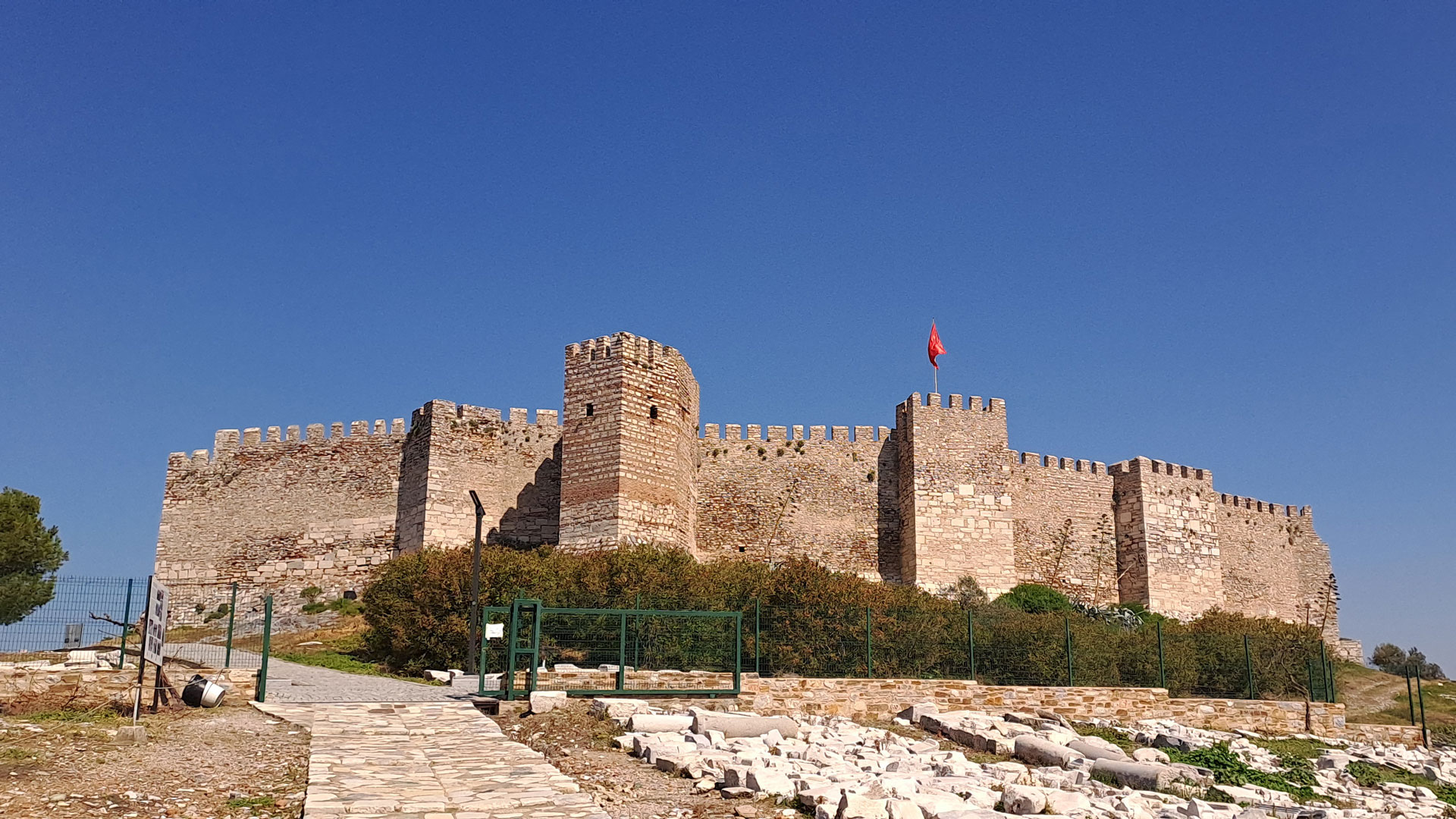
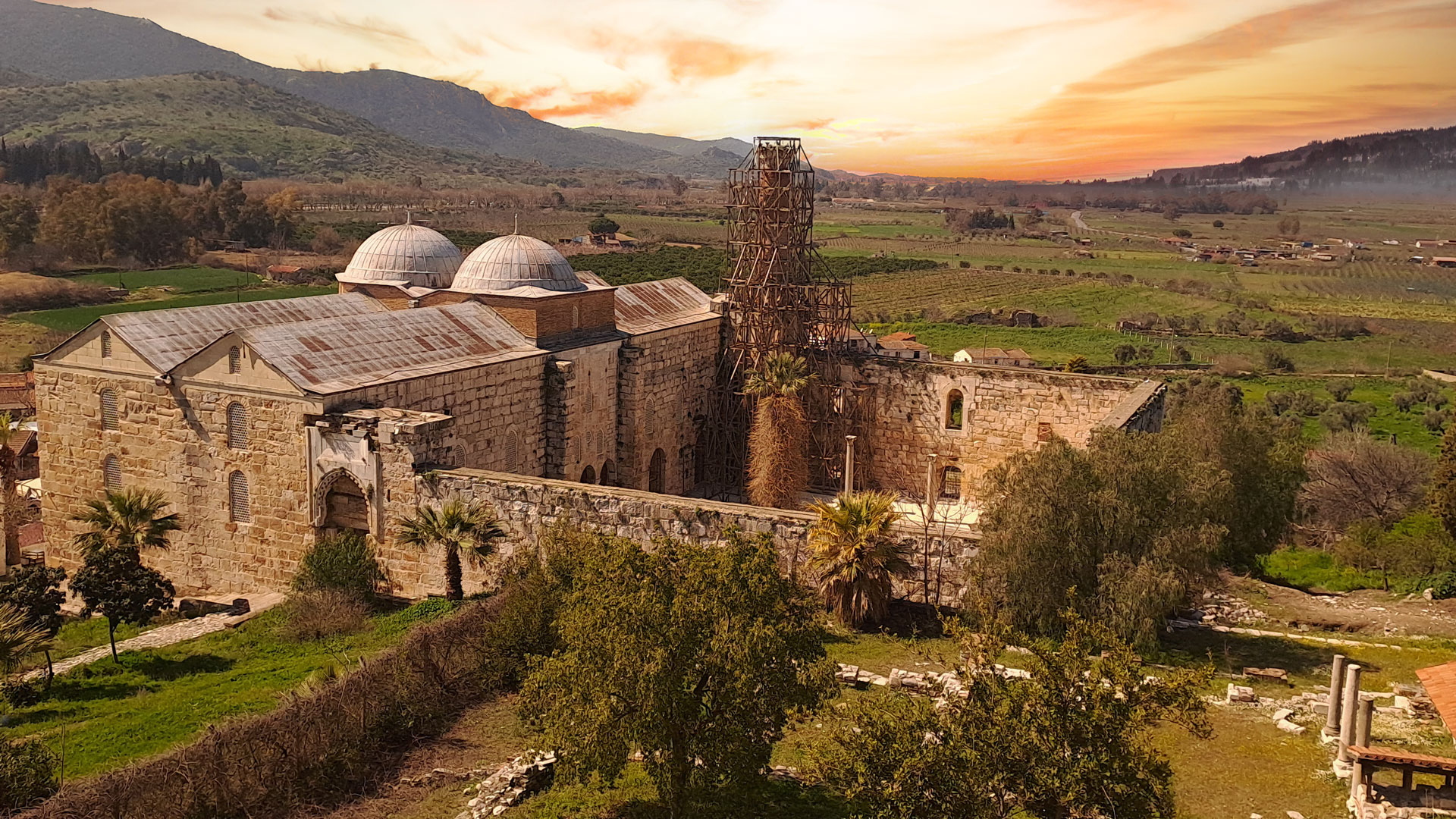
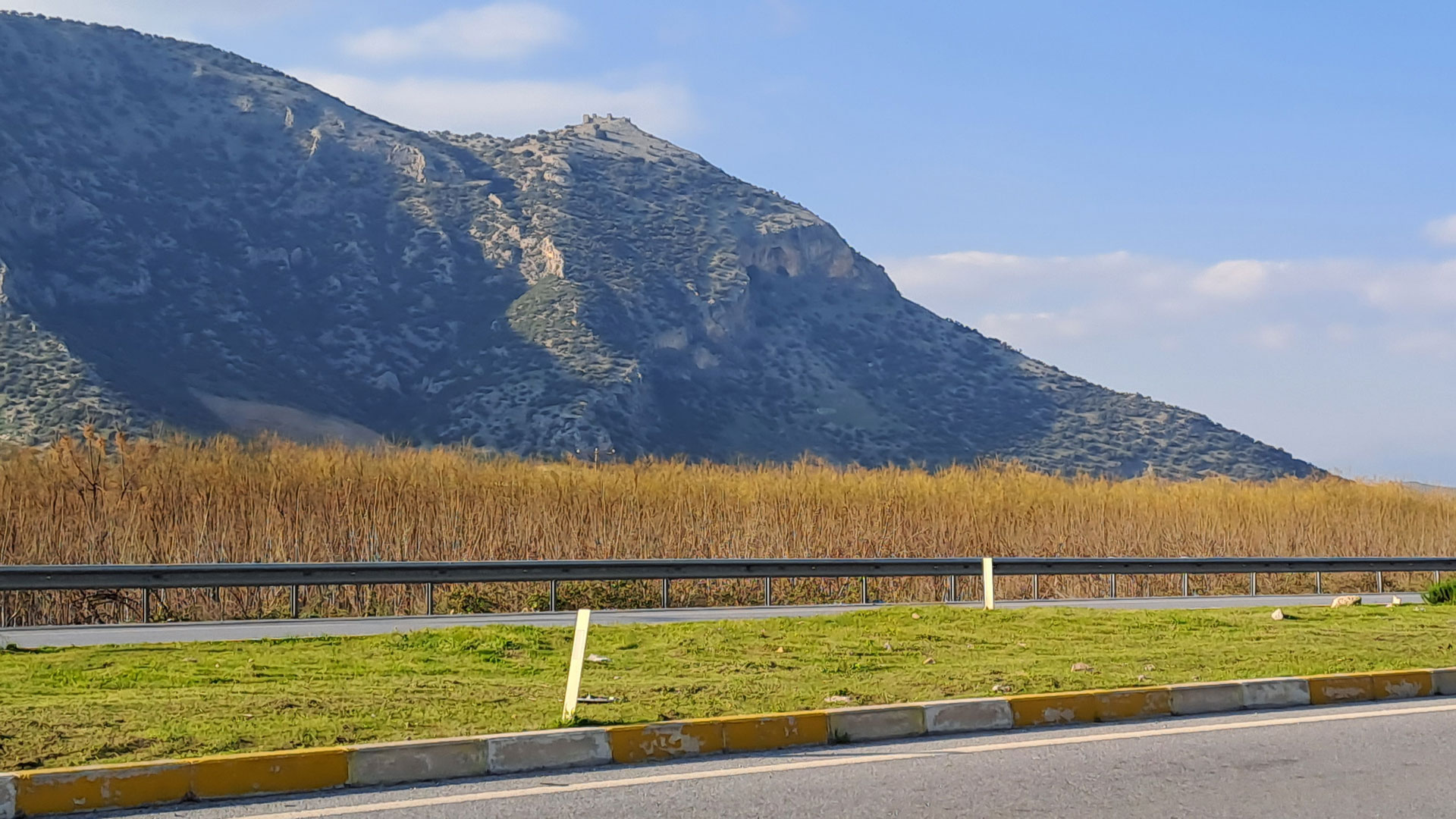
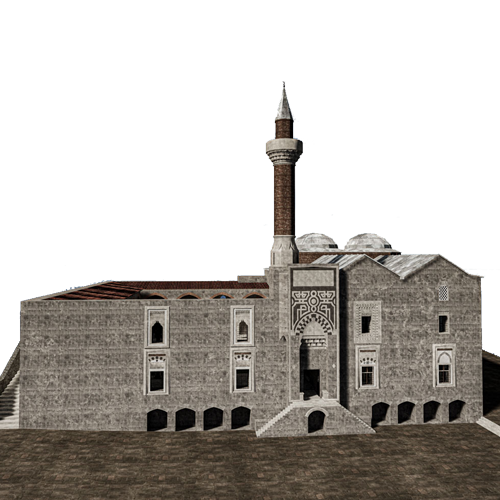
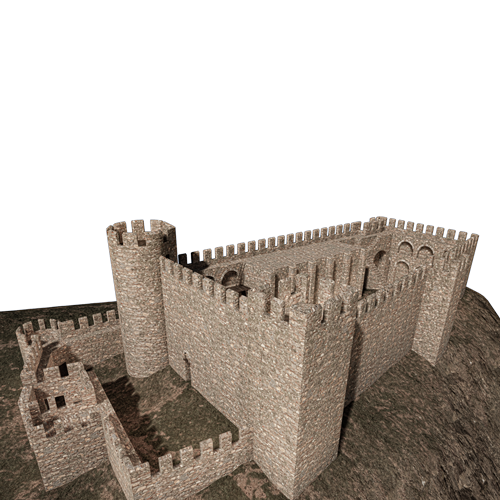
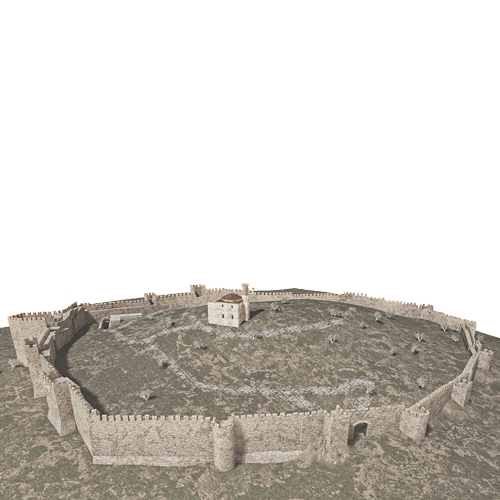
Efes'teki arkeolojik alanlarda, Selçuk ilçesindeki Ayasuluk Tepesi'nde bulunan Kale, St. Jean Kilisesi ve Selçuklu Beyliği dönemine ait İsa Bey Camisi gibi yapılar, Neolitik dönemden Roma'ya, Doğu Roma (Bizans) ve Osmanlı İmparatorluğu'na kadar uzanan dönemlerden kalmış yapılar ya da buluntularla birlikte Efes'in geçmişine dair izler sunmaktadır.

Archaeological sites in Ephesus, such as the Castle located on Ayasuluk Hill in the Selçuk district, structures like St. John's Church, and the İsa Bey Mosque from the Seljuq period, offer glimpses into the history of Ephesus spanning from the Neolithic period to the Roman, Eastern Roman (Byzantine), and Ottoman Empires.

Günümüzde Efes Limanı artık kullanılmamaktadır ve kent limanı bataklık halindedir. Ege Denizi de kenti terk etmiş ve 9 kilometre açığa çekilmiştir. Ancak bu duruma rağmen milyonlarca gezgin, yeniden restore edilen Efes'i görmek için yollara düşmektedir.

The Ephesus Port is no longer in use today, and the city's harbor is in a marshy state. The Aegean Sea has also retreated from the city and is now 9 kilometers away. Nevertheless, despite these circumstances, millions of travelers embark on journeys to see the restored Ephesus.

Özet olarak, Efes Antik Kenti Batı Anadolu'nun önemli bir turistik destinasyonudur. Binlerce yıl öncesinin yaşam izlerini görmek ve arkeolojik eserleri keşfetmek için milyonlarca ziyaretçi Efes'i ziyaret etmektedir.

In summary, Ephesus Ancient City is an important tourist destination in Western Anatolia. Millions of visitors come to Ephesus to witness the traces of life from thousands of years ago and explore archaeological artifacts.

Sayfa:  

Page:  

/

Selçuk - Efes Hakkında

Selçuk - Efes Tarihi

About Selçuk - Efes

Selçuk - Efes History

X

Efes, Batı Anadolu'nun Ege sahilinde bulunan bir yarımada üzerine kurulmuş bir liman kentidir. Günümüzde milyonlarca dünya gezgini Efes'i ziyaret ederek binlerce yıl öncesinin yaşam izlerini görmektedir. Efes'in büyük bir kısmı hala toprak altında bulunmaktadır, ancak arkeolojik kazılarla ortaya çıkarılan kent etkileyici bir şekilde restore edilmiştir. Efes araştırmaları ve kazıları, Türkiye'deki müzelerde ve dünyanın diğer önemli müzelerinde sergilenen eserlerle devam etmektedir.

Efes'in çevresindeki kazı alanlarında yapılan çalışmalar, geçmişi M.Ö. 8200'lere kadar götüren yeni bulgular ortaya çıkarmıştır. Hititler Dönemi'nde Arzawa Ülkesi içindeki Apasas'ın Ayasuluk Tepesi'nde yerleşim olduğu düşünülmektedir. Efes'i tam olarak keşfedebilmek için meraklı gezginlerin daha fazla zaman ayırması gerekmektedir, çünkü on bin yıllık bir geçmişe sahip olan Efes'in izlerini takip etmek birkaç günü aşabilir.

Efes'teki arkeolojik alanlarda, Selçuk ilçesindeki Ayasuluk Tepesi'nde bulunan Kale, St. Jean Kilisesi ve Selçuklu Beyliği dönemine ait İsa Bey Camisi gibi yapılar, Neolitik dönemden Roma'ya, Doğu Roma (Bizans) ve Osmanlı İmparatorluğu'na kadar uzanan dönemlerden kalmış yapılar ya da buluntularla birlikte Efes'in geçmişine dair izler sunmaktadır.

Günümüzde Efes Limanı artık kullanılmamaktadır ve kent limanı bataklık halindedir. Ege Denizi de kenti terk etmiş ve 9 kilometre açığa çekilmiştir. Ancak bu duruma rağmen milyonlarca gezgin, yeniden restore edilen Efes'i görmek için yollara düşmektedir.

Özet olarak, Efes Antik Kenti Batı Anadolu'nun önemli bir turistik destinasyonudur. Binlerce yıl öncesinin yaşam izlerini görmek ve arkeolojik eserleri keşfetmek için milyonlarca ziyaretçi Efes'i ziyaret etmektedir.

Ephesus is a port city located on a peninsula along the Aegean coast of Western Anatolia. Today, millions of global travelers visit Ephesus to witness the traces of life from thousands of years ago. While a significant portion of Ephesus still lies underground, the city has been impressively restored through archaeological excavations. Research and excavations in Ephesus continue, with the artifacts being exhibited in museums in Turkey and other important museums around the world.

Studies conducted in the surrounding excavation sites of Ephesus have revealed new findings that date back to around 8200 BC. It is believed that there was a settlement in Ephesus, known as Apasas, within the Arzawa Kingdom during the Hittite period. To fully explore Ephesus, curious travelers need to allocate more time as tracing the footsteps of Ephesus, which has a history of ten thousand years, can exceed a few days.

Archaeological sites in Ephesus, such as the Castle located on Ayasuluk Hill in the Selçuk district, structures like St. John's Church, and the İsa Bey Mosque from the Seljuq period, offer glimpses into the history of Ephesus spanning from the Neolithic period to the Roman, Eastern Roman (Byzantine), and Ottoman Empires.

The Ephesus Port is no longer in use today, and the city's harbor is in a marshy state. The Aegean Sea has also retreated from the city and is now 9 kilometers away. Nevertheless, despite these circumstances, millions of travelers embark on journeys to see the restored Ephesus.

In summary, Ephesus Ancient City is an important tourist destination in Western Anatolia. Millions of visitors come to Ephesus to witness the traces of life from thousands of years ago and explore archaeological artifacts.

Antik Kantler Serisi 2, “Efes ve Diğer İon Kentleri”,(2017), Uranüs yayınları, 2. Baskı, Sayfa 8.

Selçuk - Efes Hakkında

3B Modeller

About Selçuk - Efes

3D Models

X