Sayfa:  
Page:  
/
1
/
1
Selçuk - Efes 3B İnteraktif Modeller
Selçuk - Efes 3D Interactive Models
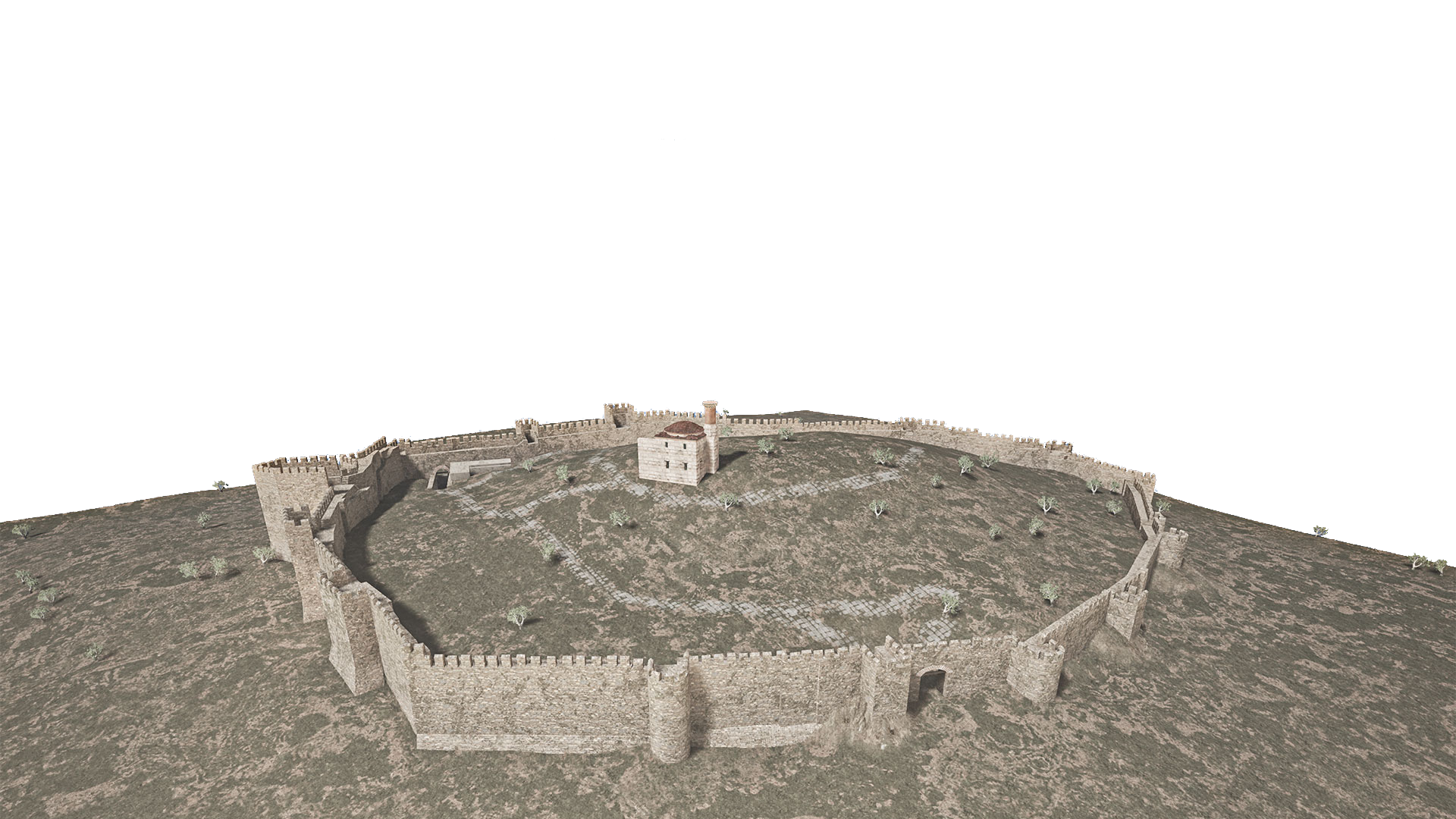
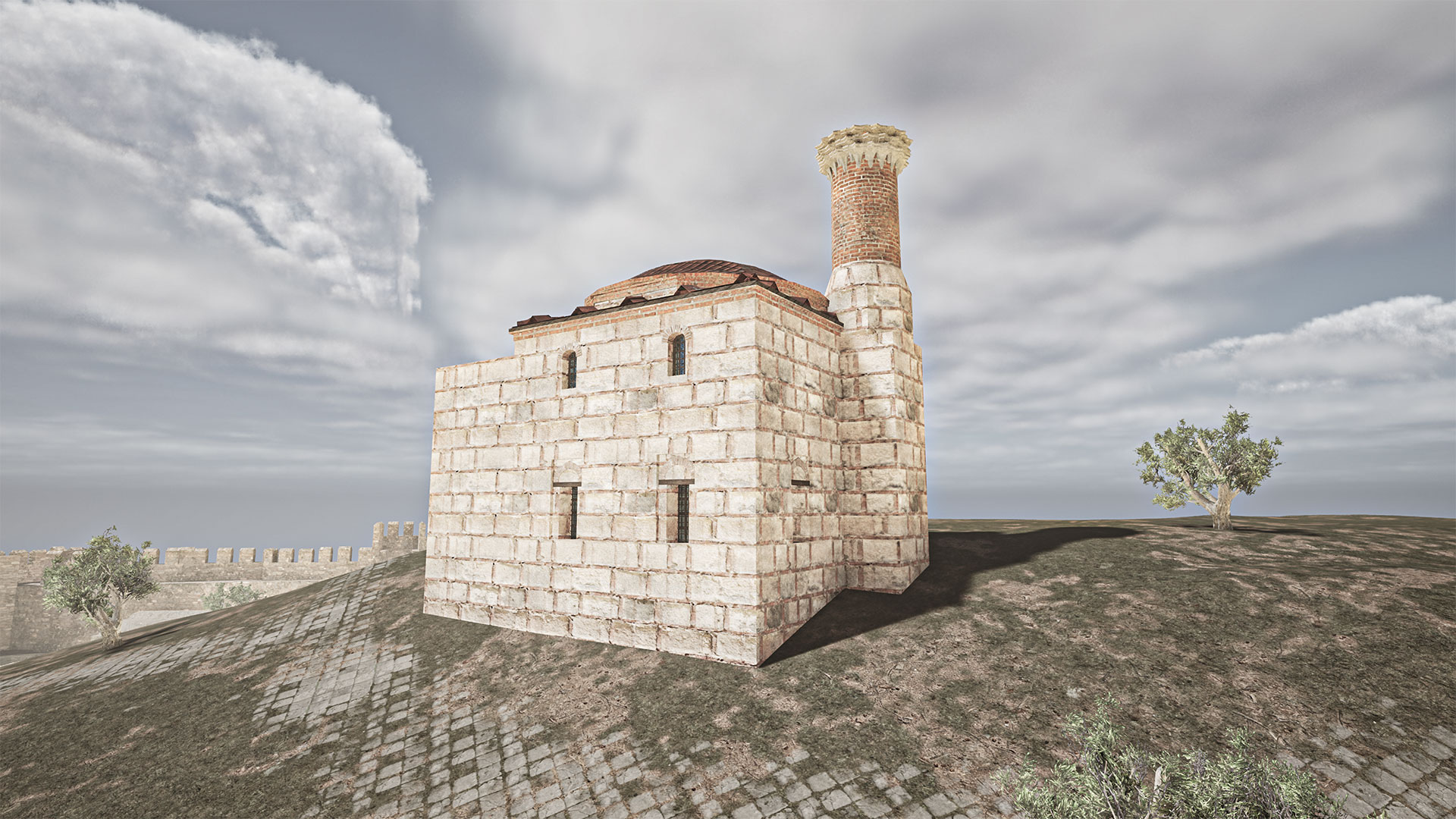
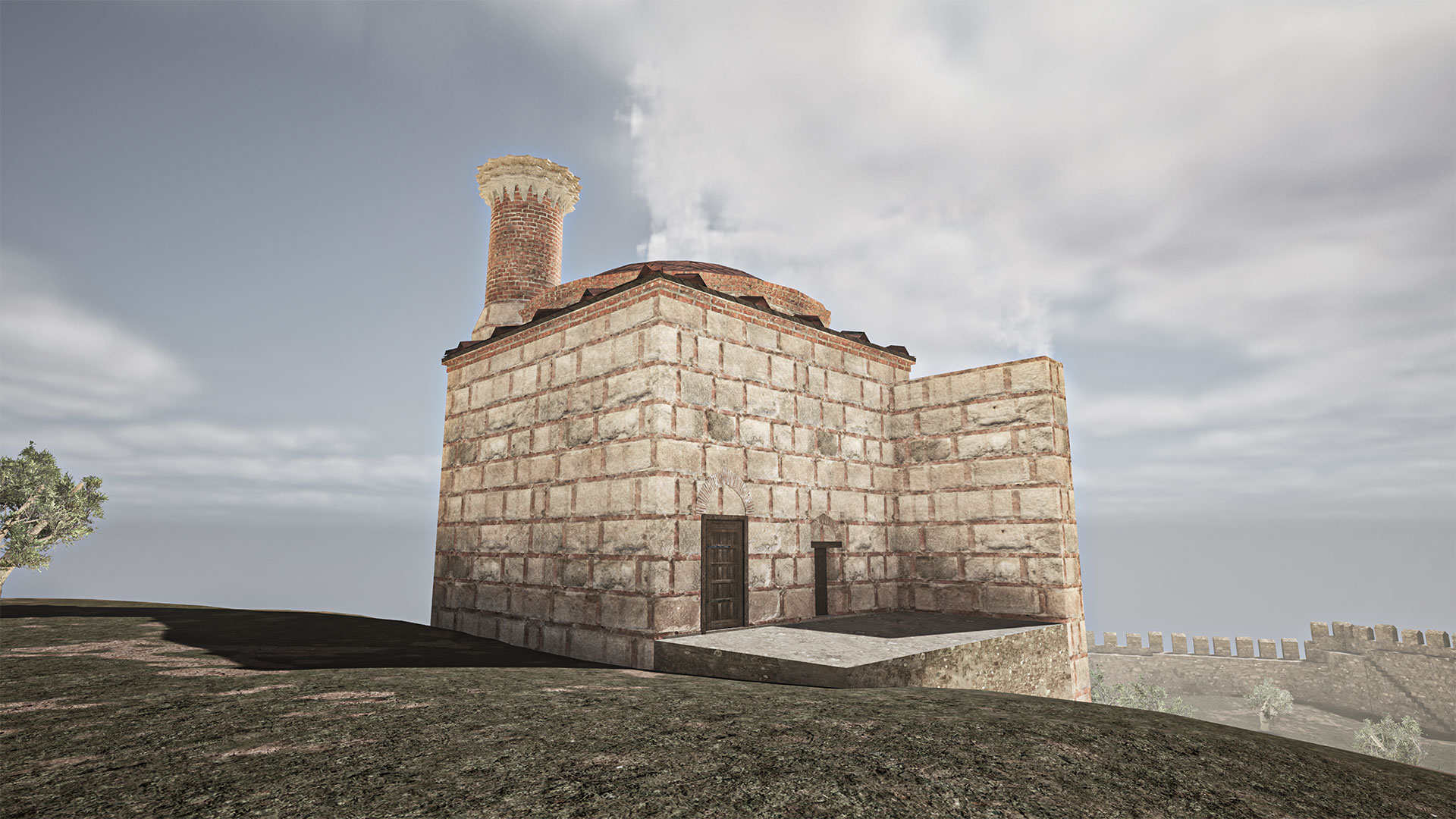
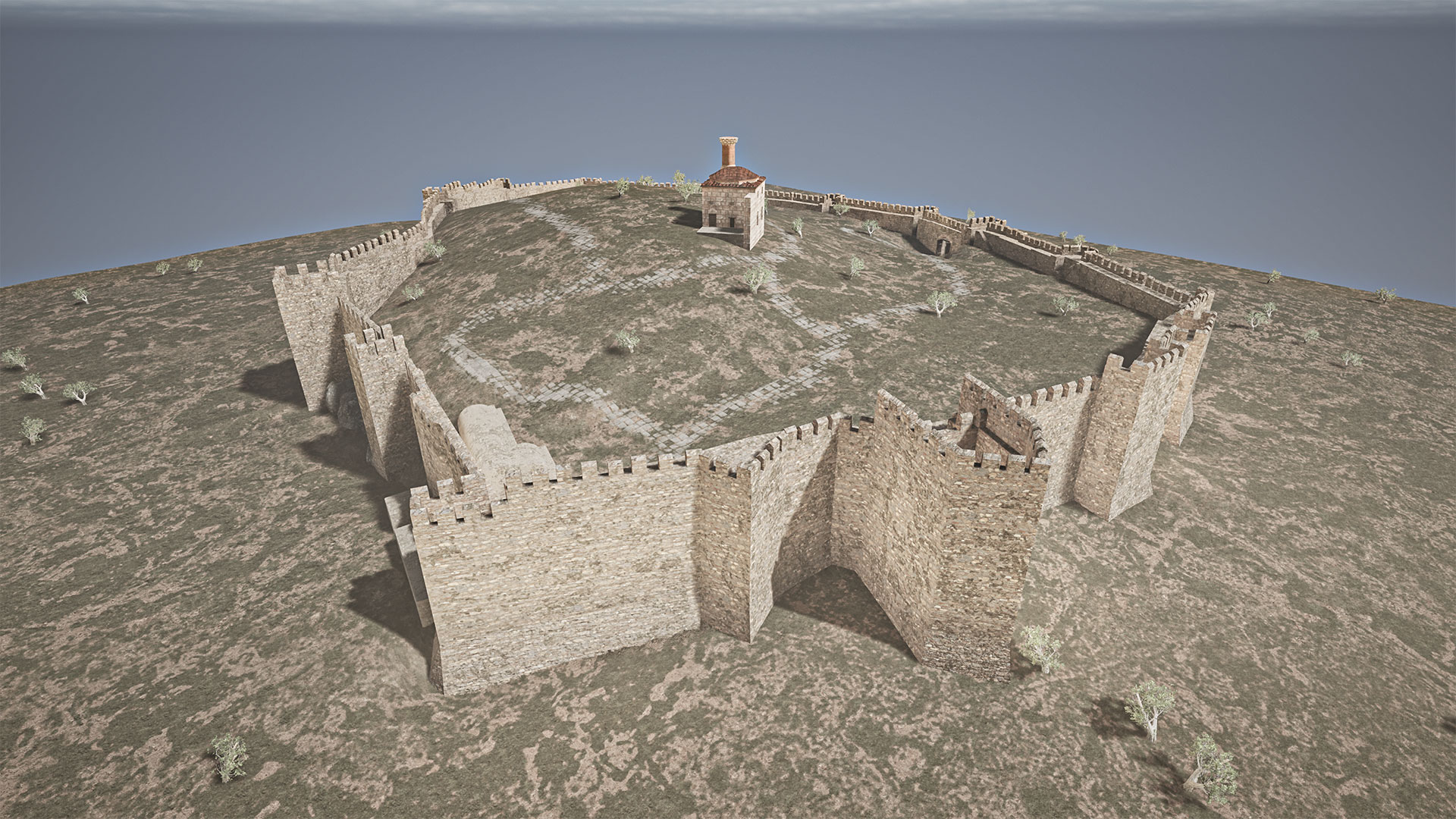
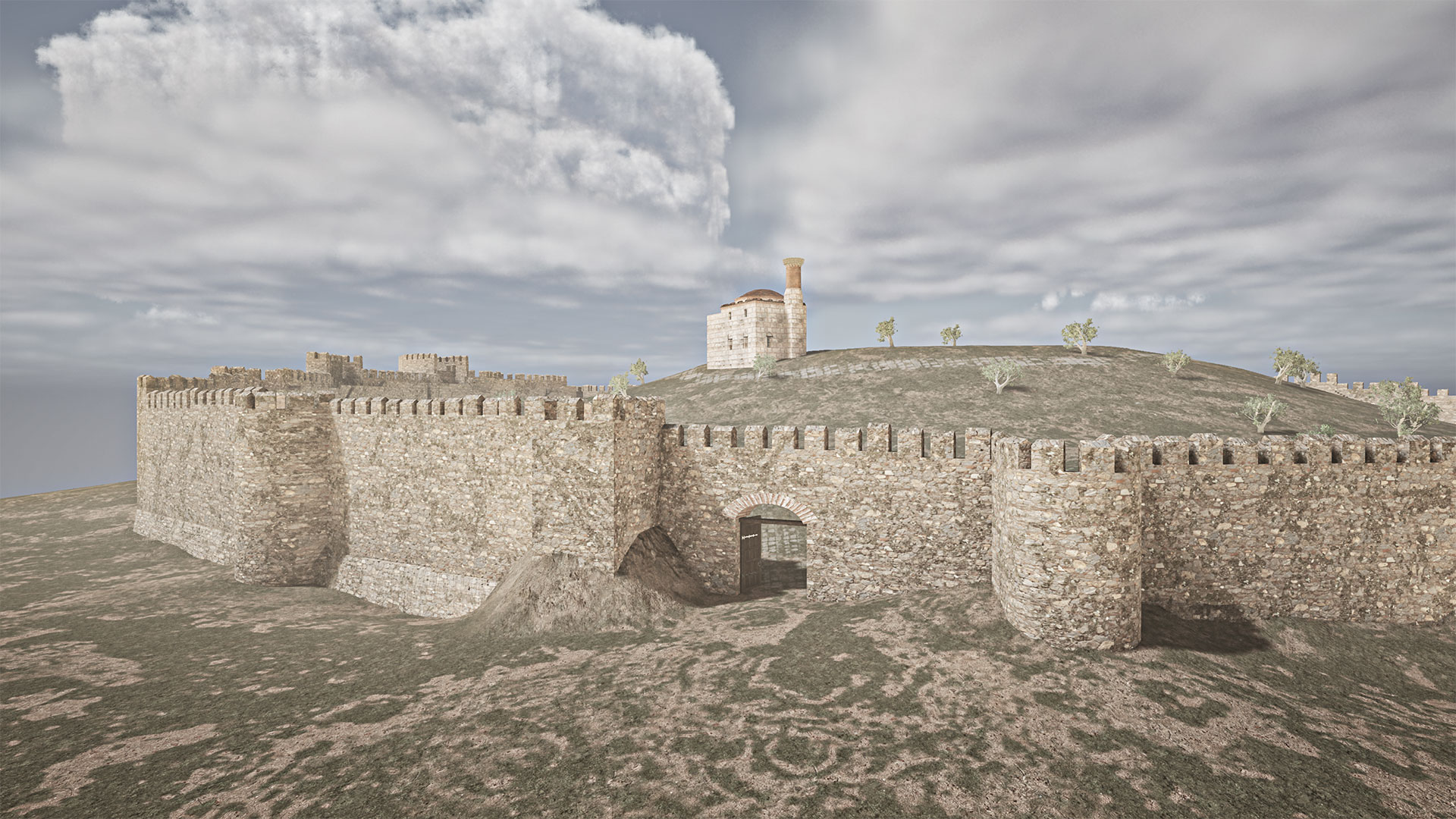
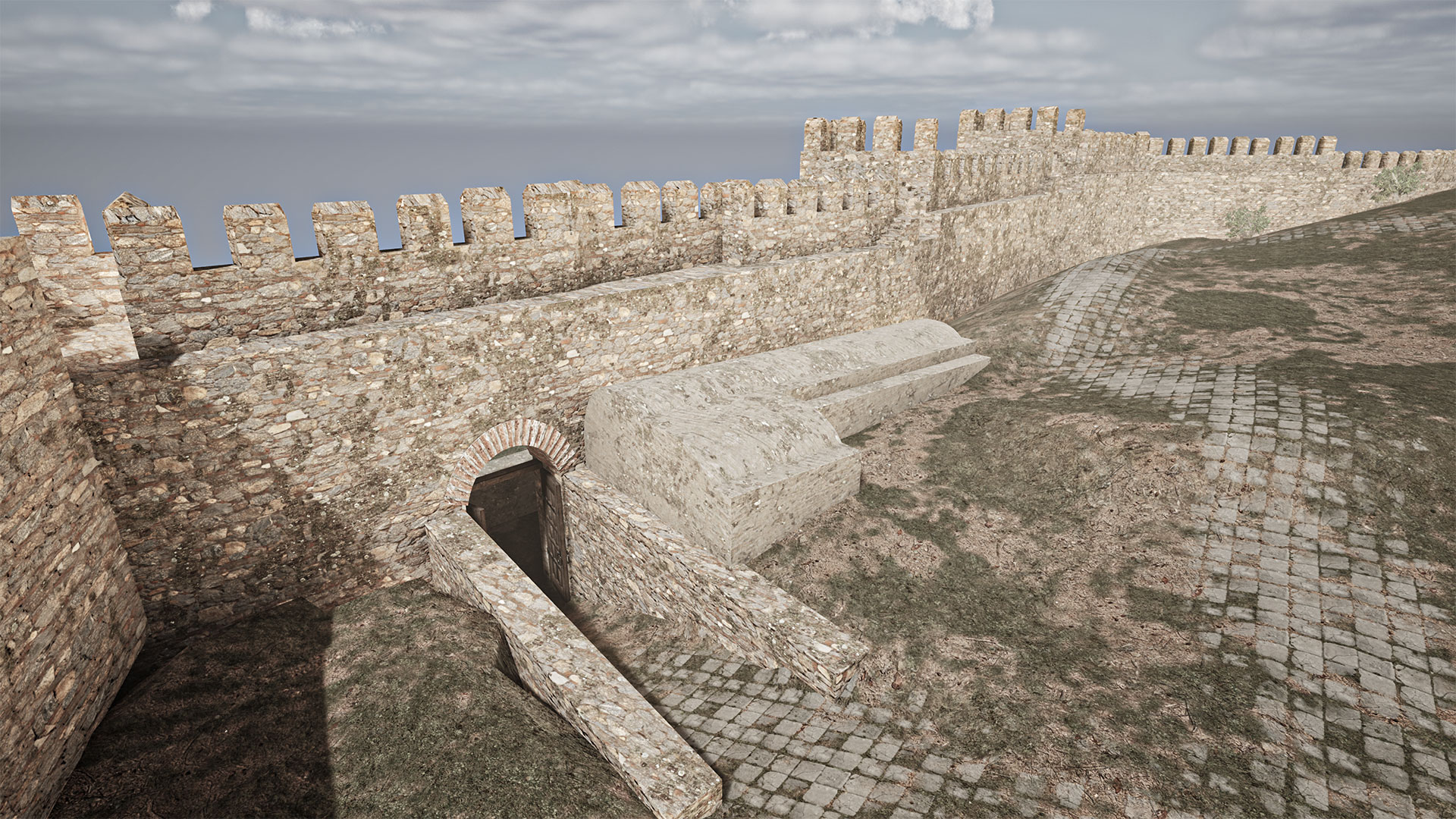
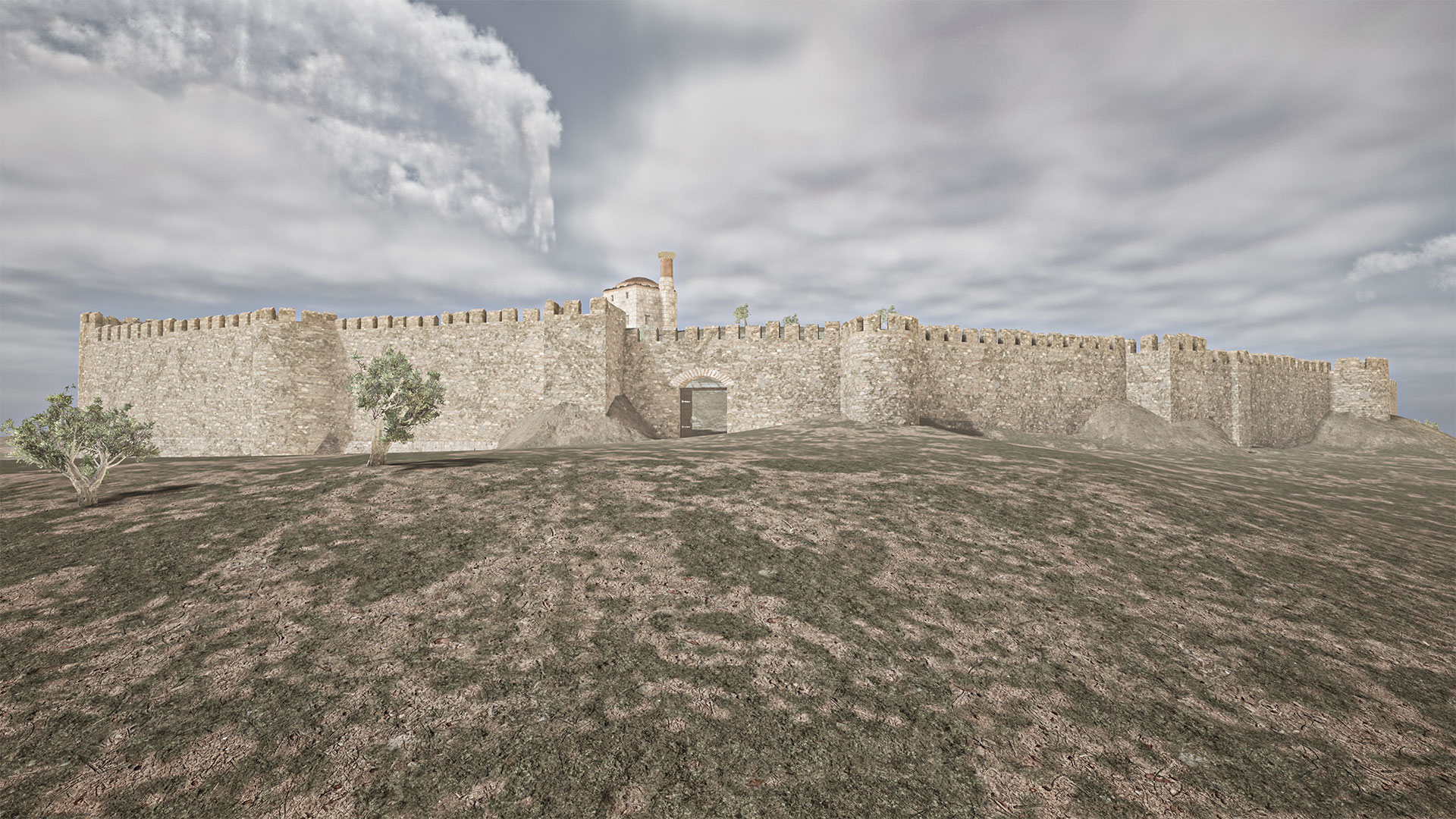
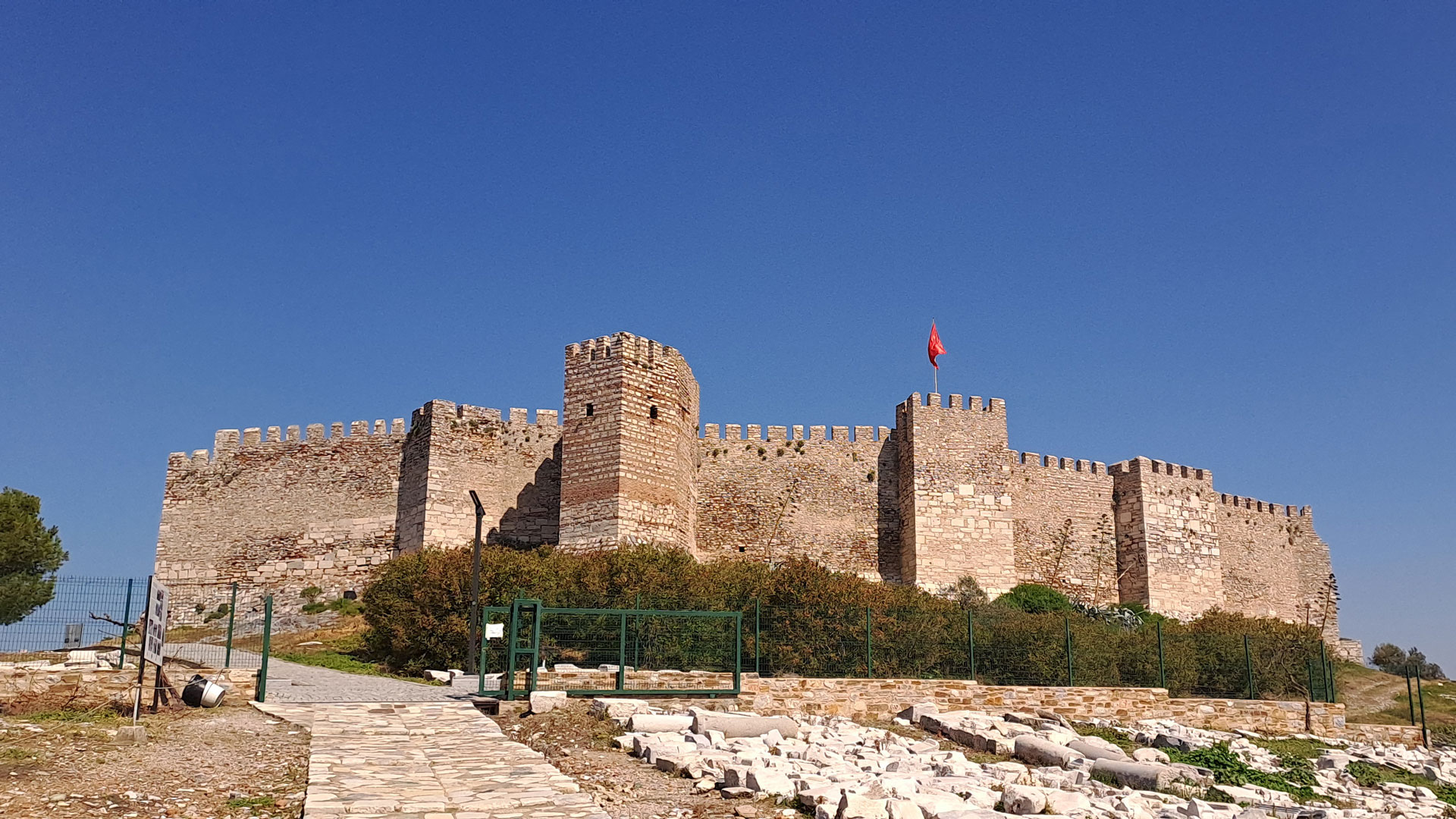
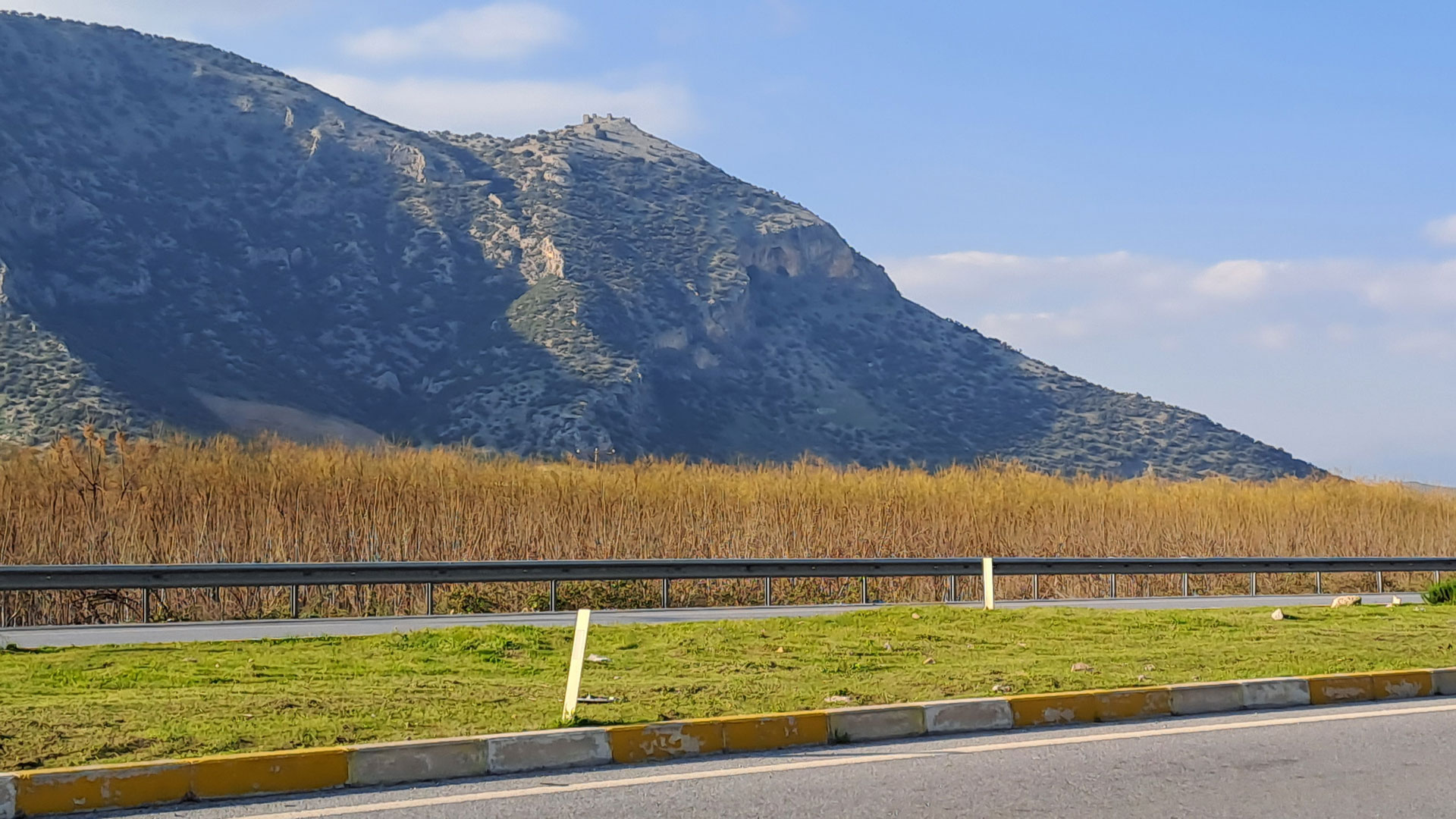
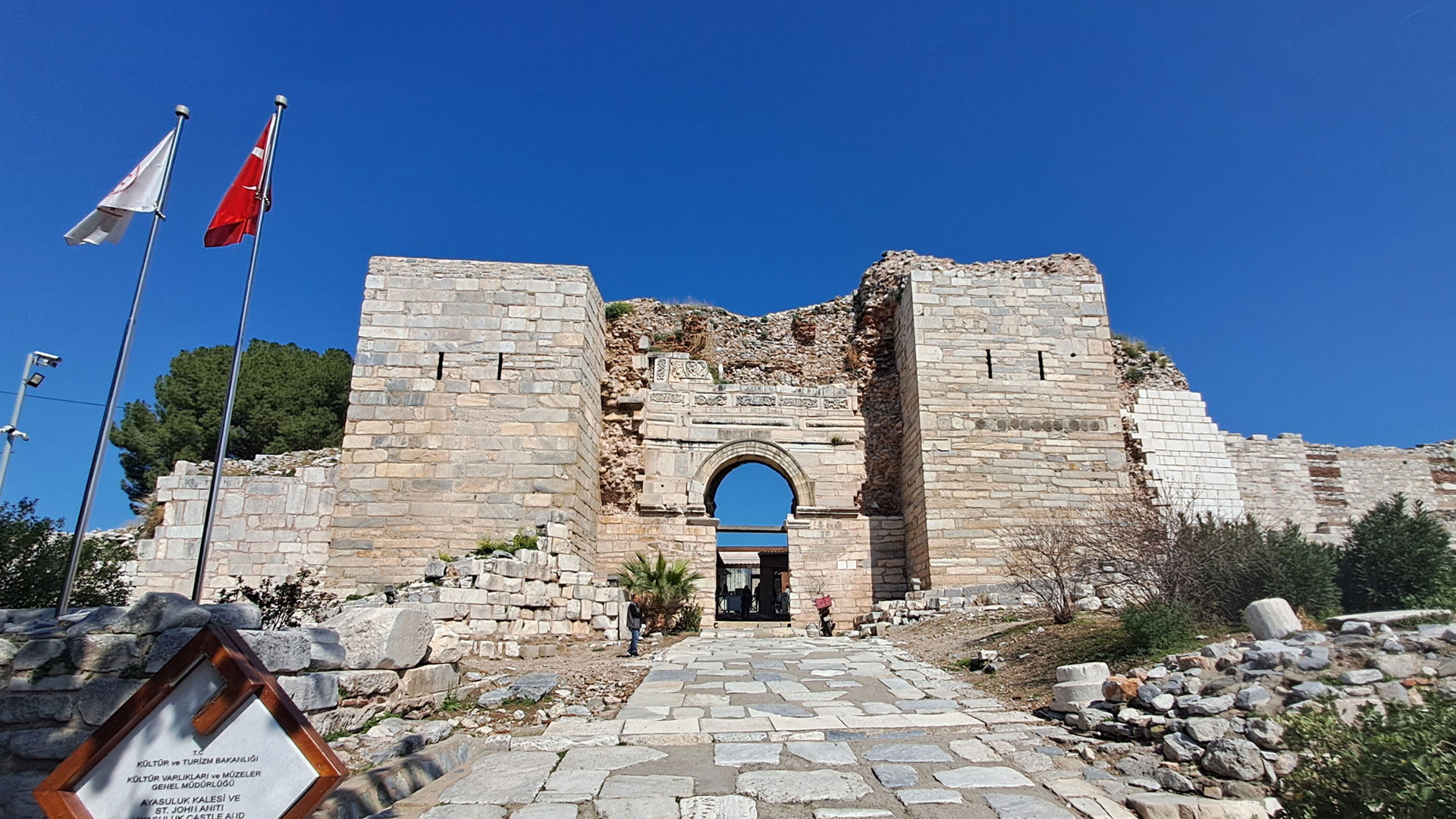
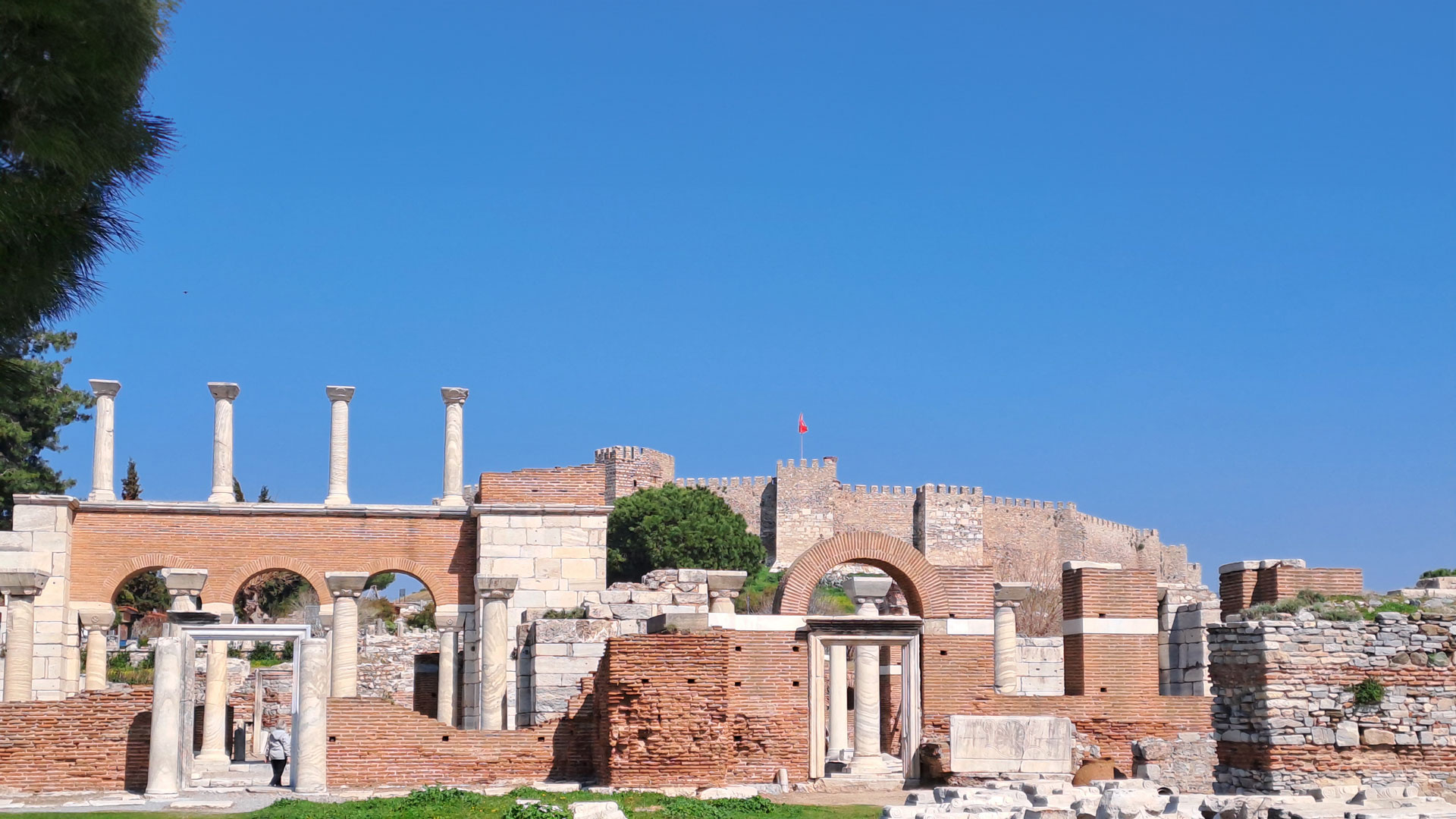
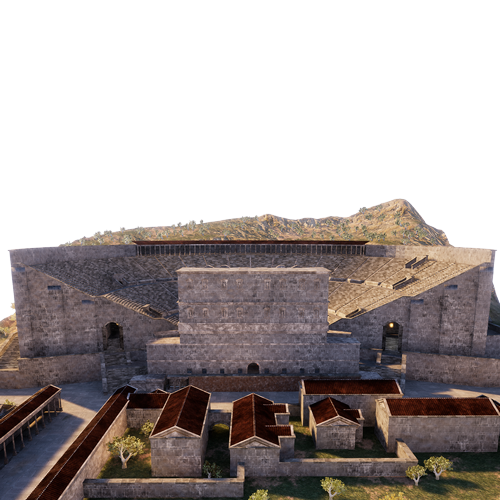
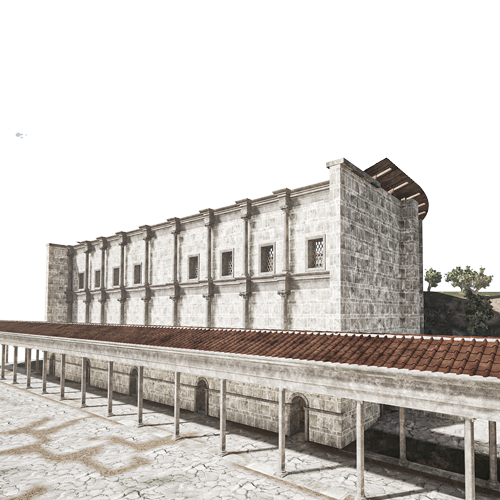
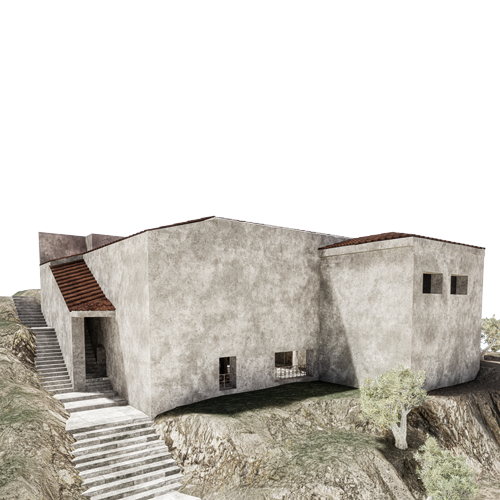
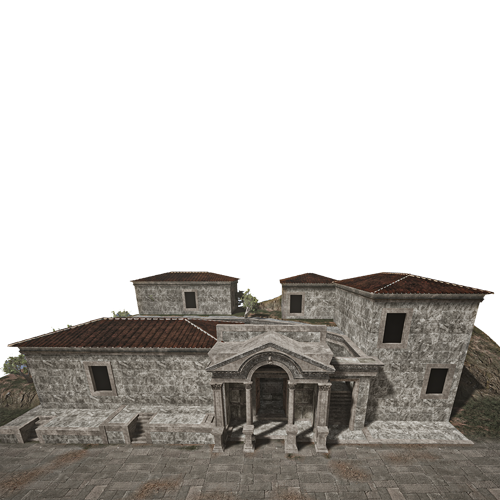
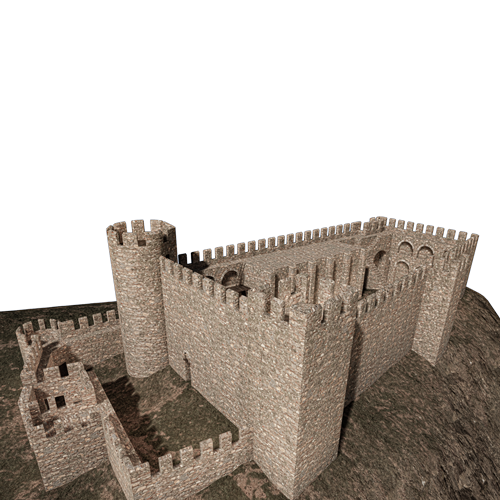
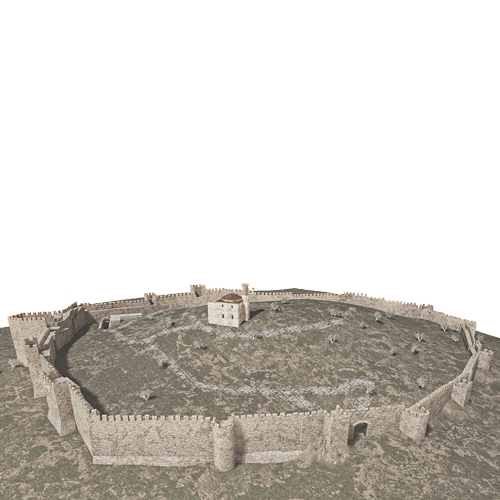
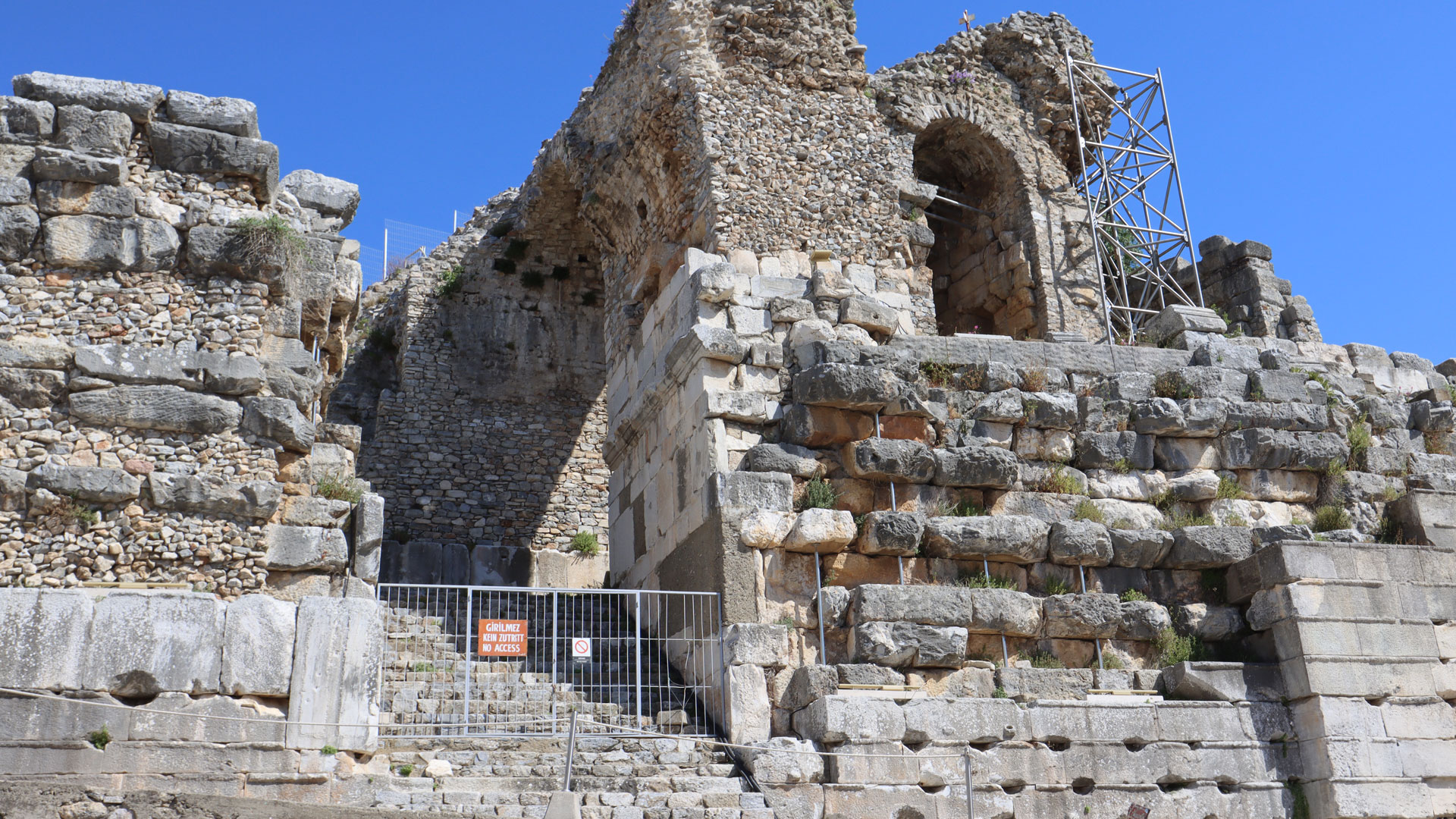
Saint Jean (Aziz Yuhanna) Kilisesi'nin kuzeyinde, tepenin en yüksek kısmında bulunan iç kale, son araştırmalarla Efes'in ilk yerleşim yerinin üzerinde olduğu ortaya çıkmıştır. Bugün görülen sur duvarları Bizans, Aydınoğulları ve Osmanlı dönemlerine aittir. Taş, tuğla ve harç kullanılarak inşa edilen duvarlar 15 kule ile güçlendirilmiştir. İç kaleye doğu ve batıdaki kapılardan girilmektedir ve bu kapılar dış kaleye bağlı olmadan doğrudan dışarıya açılmaktadır. Sur duvarlarının iç kısmında, burçlara ve mazgallara çıkışı sağlayan dar merdivenler bulunmaktadır. Kale içinde taş döşemeli sokaklar, çeşitli büyüklükte sarnıçlar, bir cami ve en yüksek noktada bir kilise kalıntısı bulunmaktadır. Aydınoğulları döneminde bu kilisenin apsis kısmı, bazı eklemelerle sarnıç haline dönüştürülmüştür. Ayrıca caminin batı kısmında, kale hamamı olduğuna dair kalıntılar tespit edilmiştir.
The inner fortress, located on the highest part of the hill north of the St. Jean (St. John) Church, has been revealed through recent research to be situated on top of the original settlement of Ephesus. The existing city walls belong to the Byzantine, Aydınoğulları, and Ottoman periods. Constructed using stone, brick, and mortar, the walls are reinforced with 15 towers. Entry to the inner fortress is accessed through the eastern and western gates, which open directly to the outside without being connected to the outer fortress. Inside the walls, there are narrow staircases leading to the towers and embrasures. The fortress encompasses stone-paved streets, cisterns of various sizes, a mosque, and the remains of a church at the highest point. During the Aydınoğulları period, the apse section of the church was converted into a cistern with some additions. Additionally, remnants indicating the presence of a bathhouse have been identified in the western part of the mosque.

Sayfa:  
Page:  
/
1
/
1
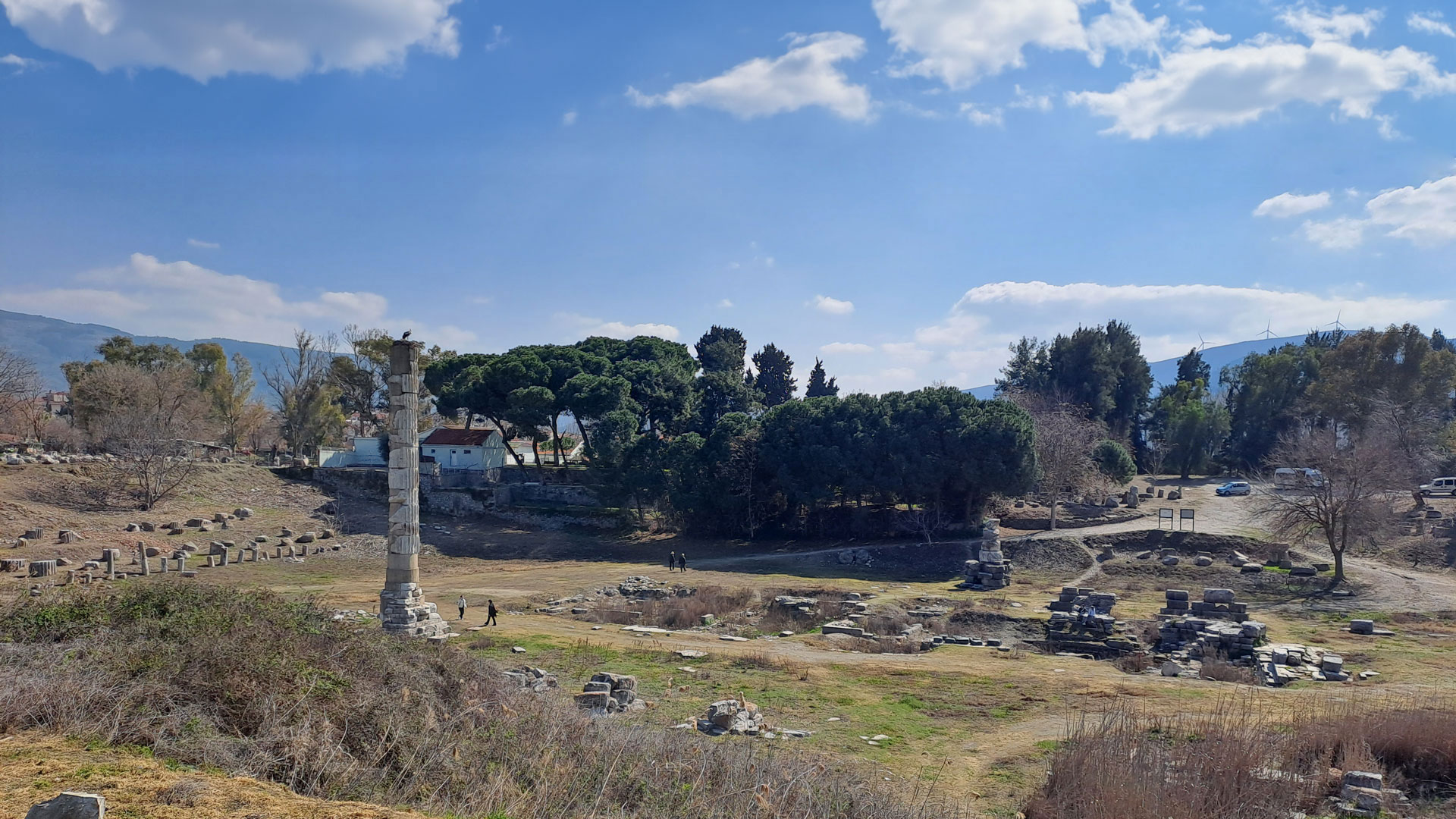
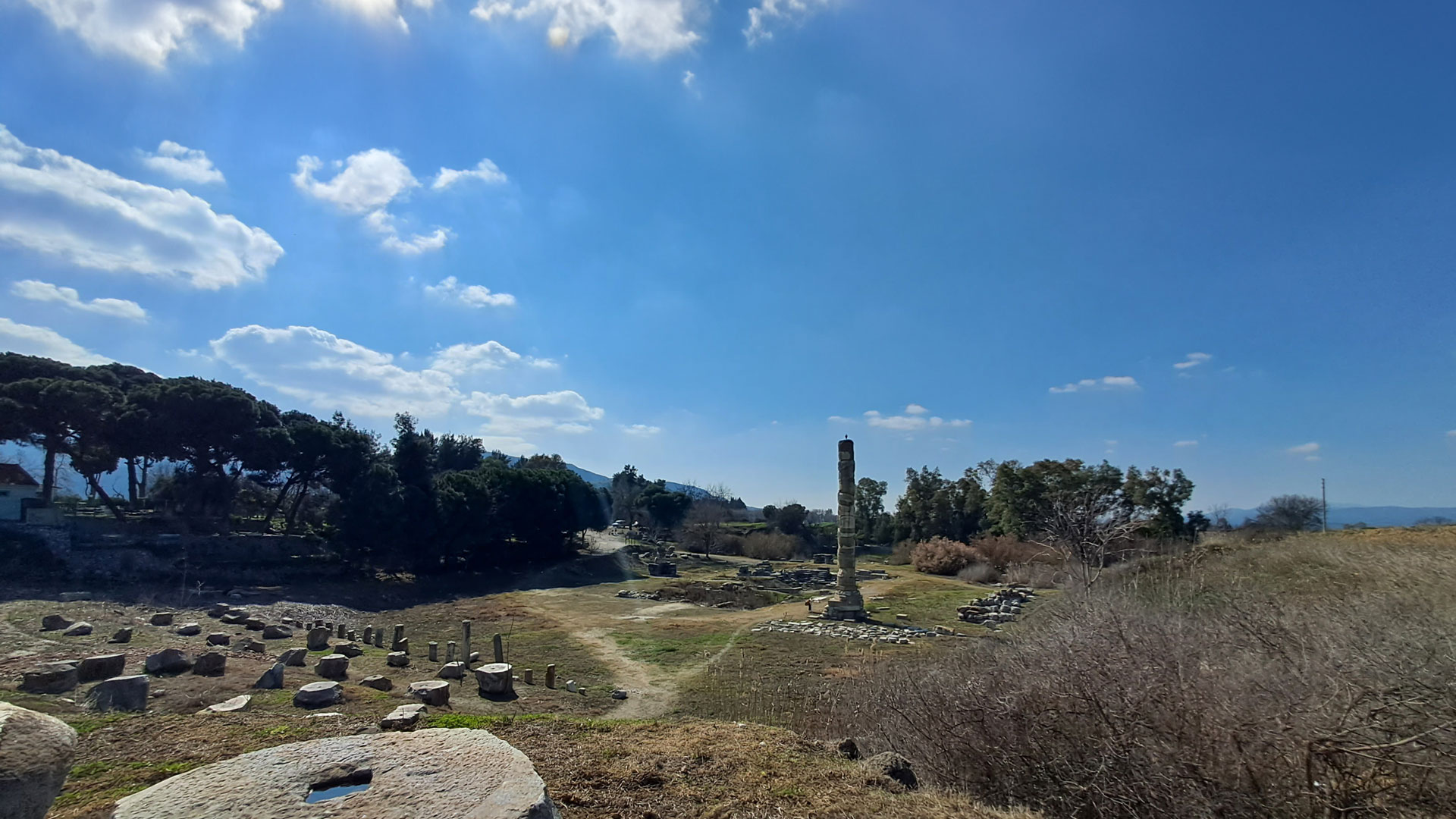
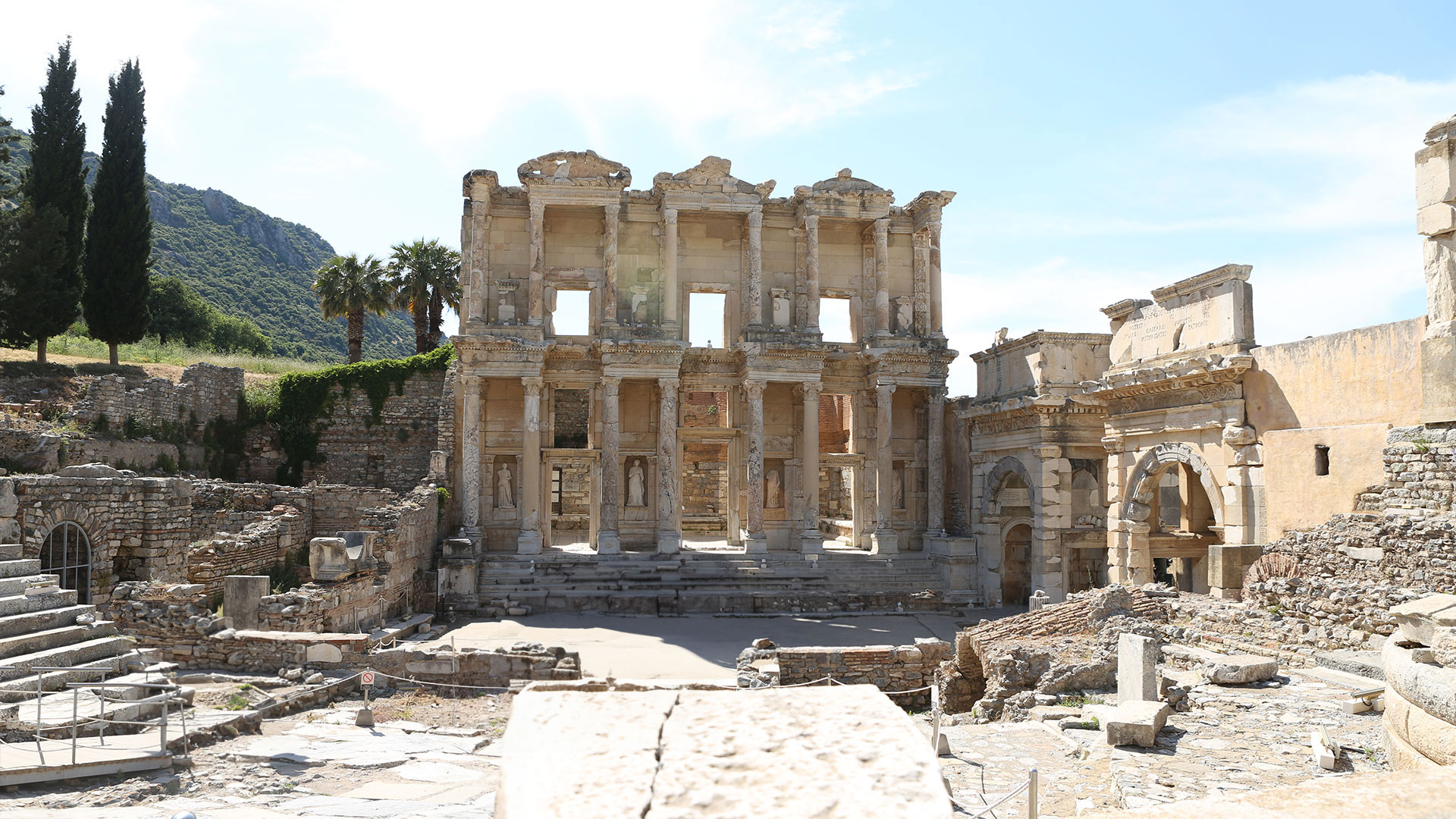
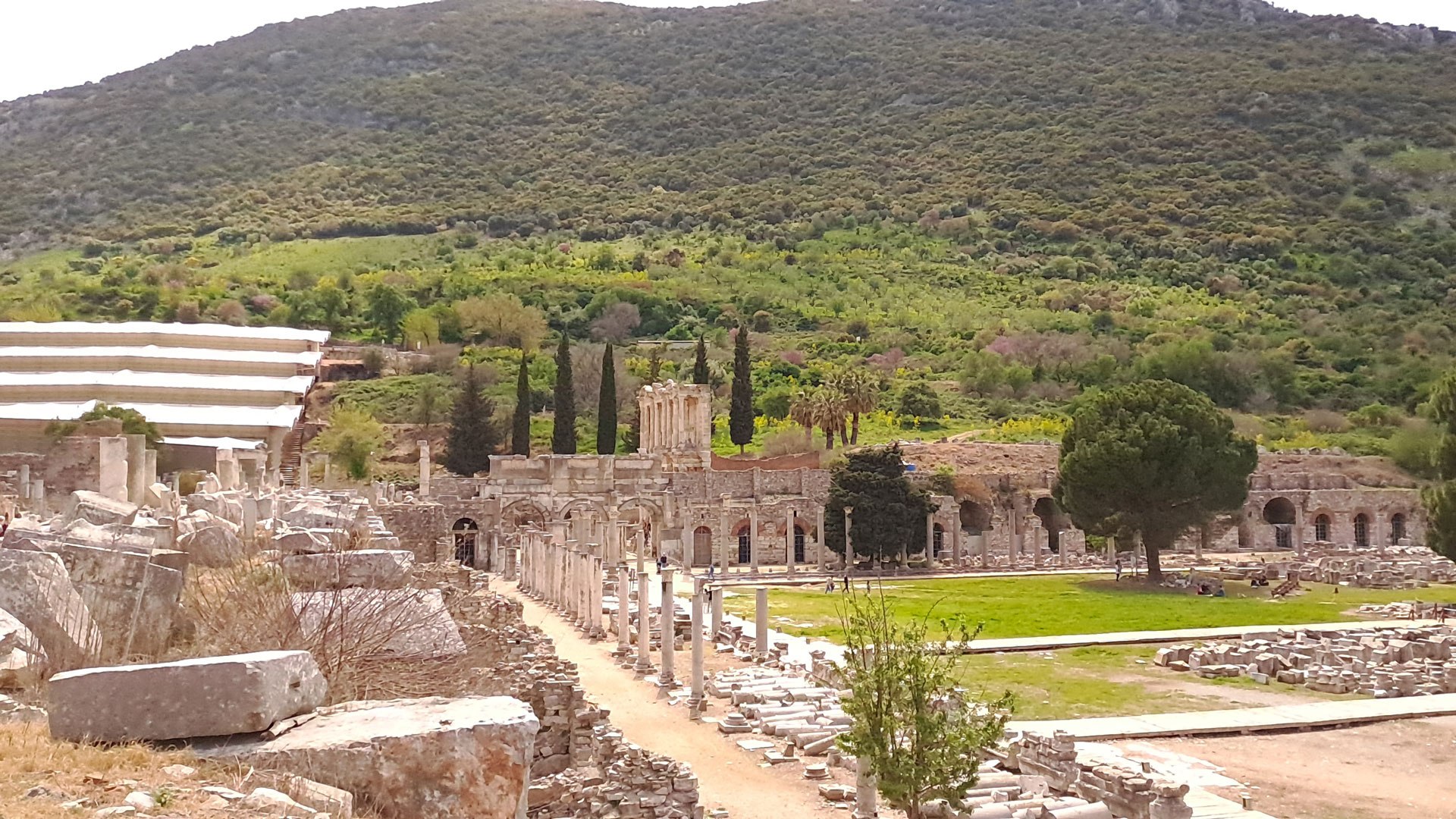
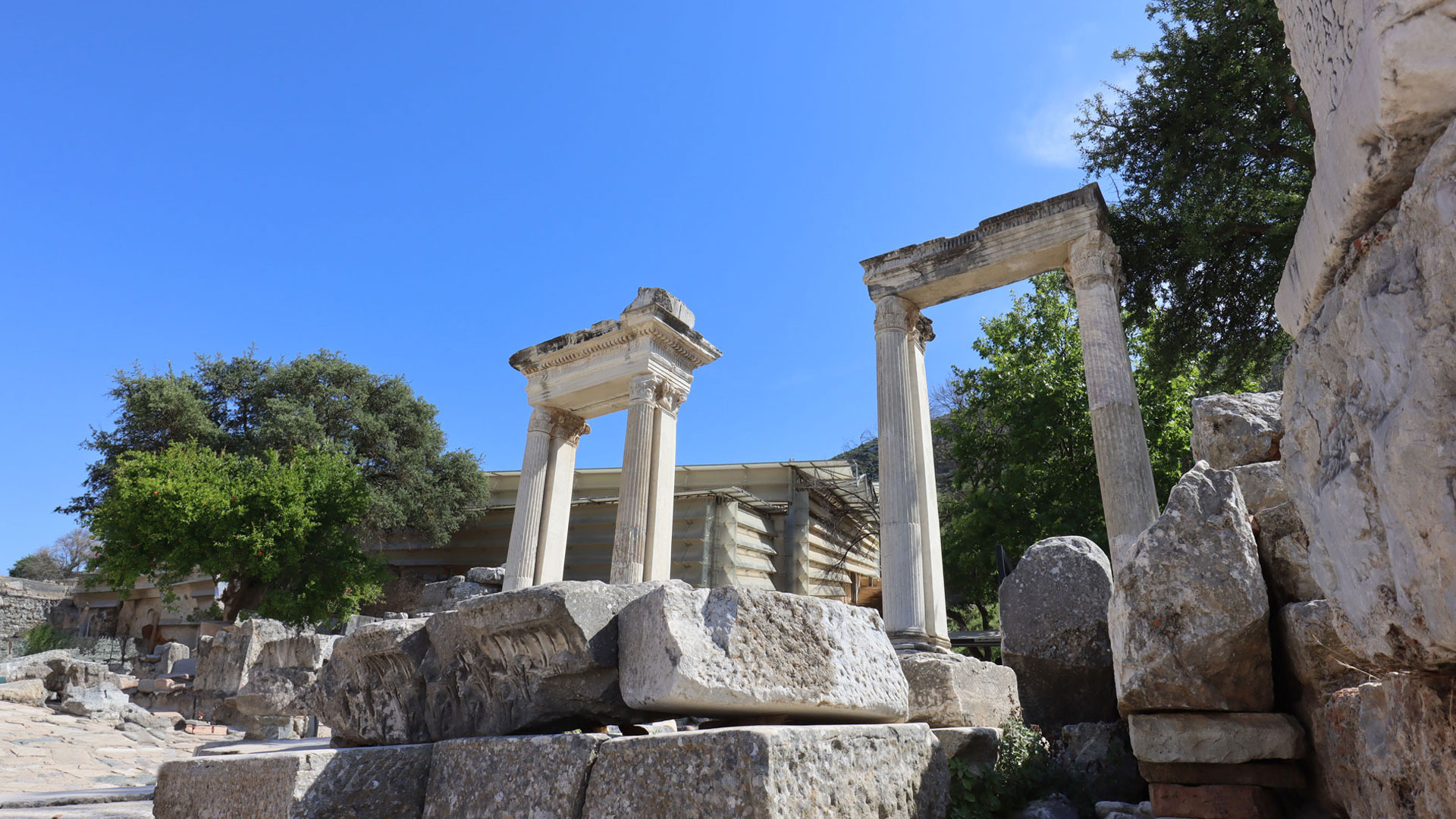
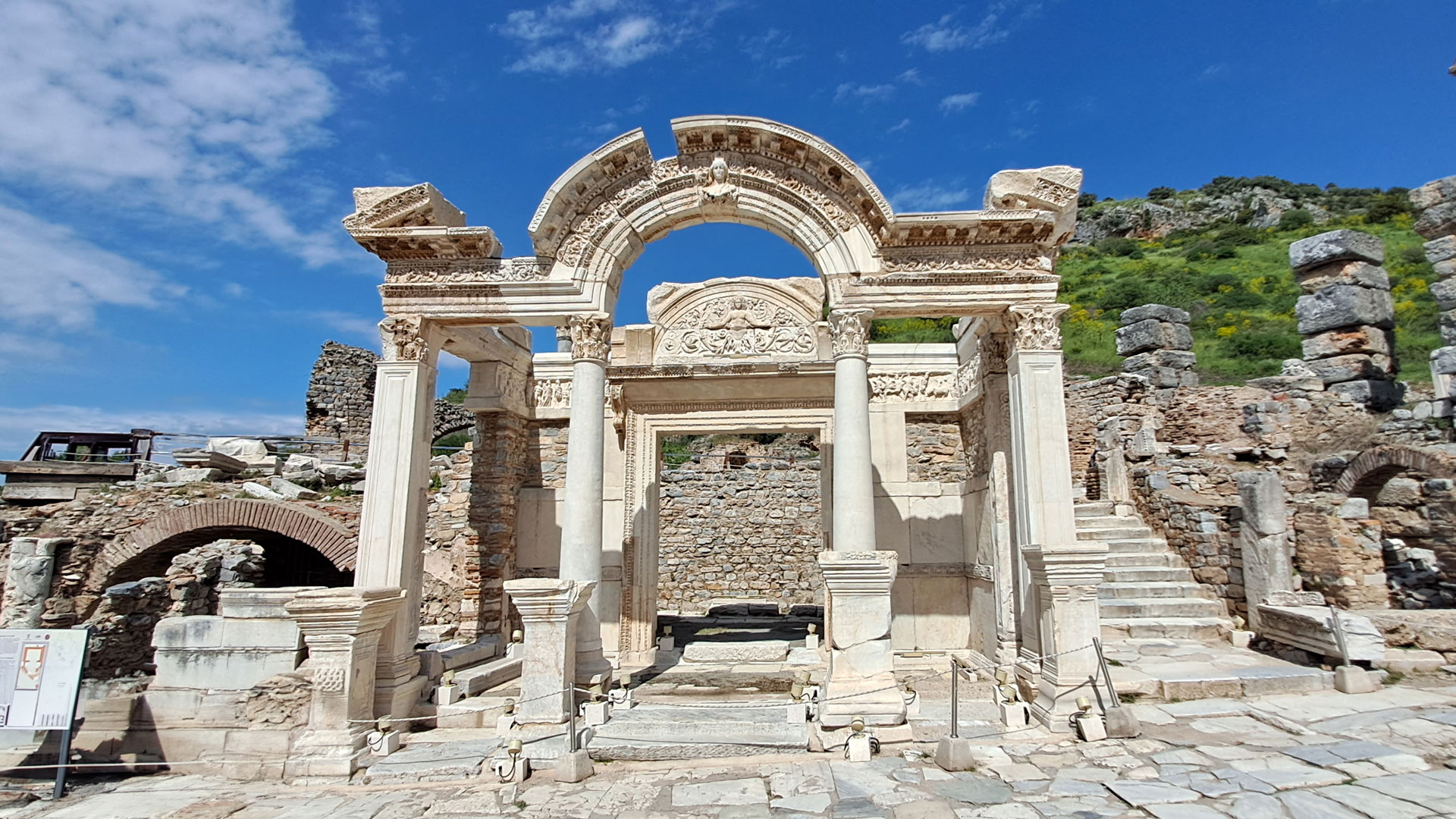
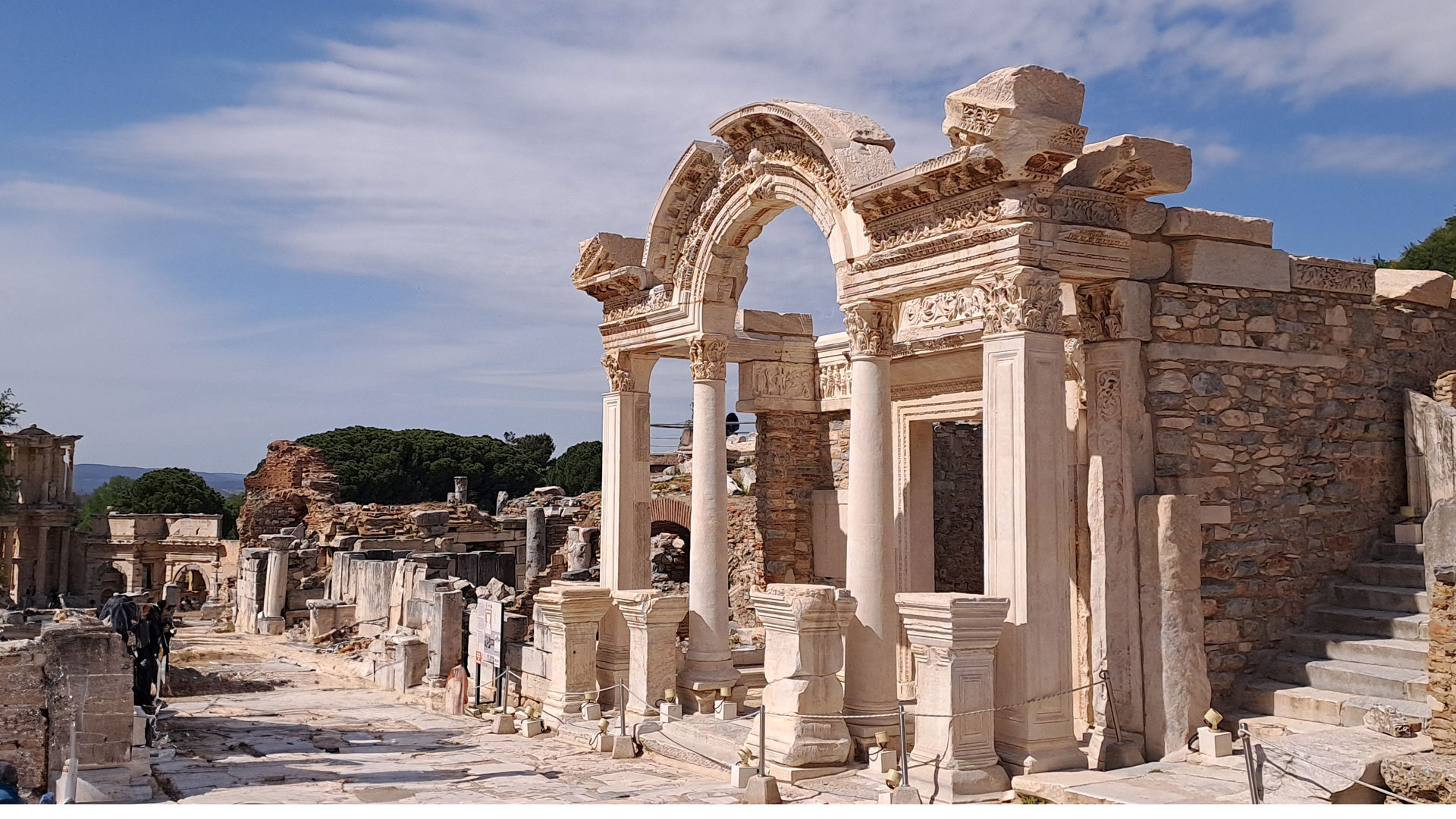
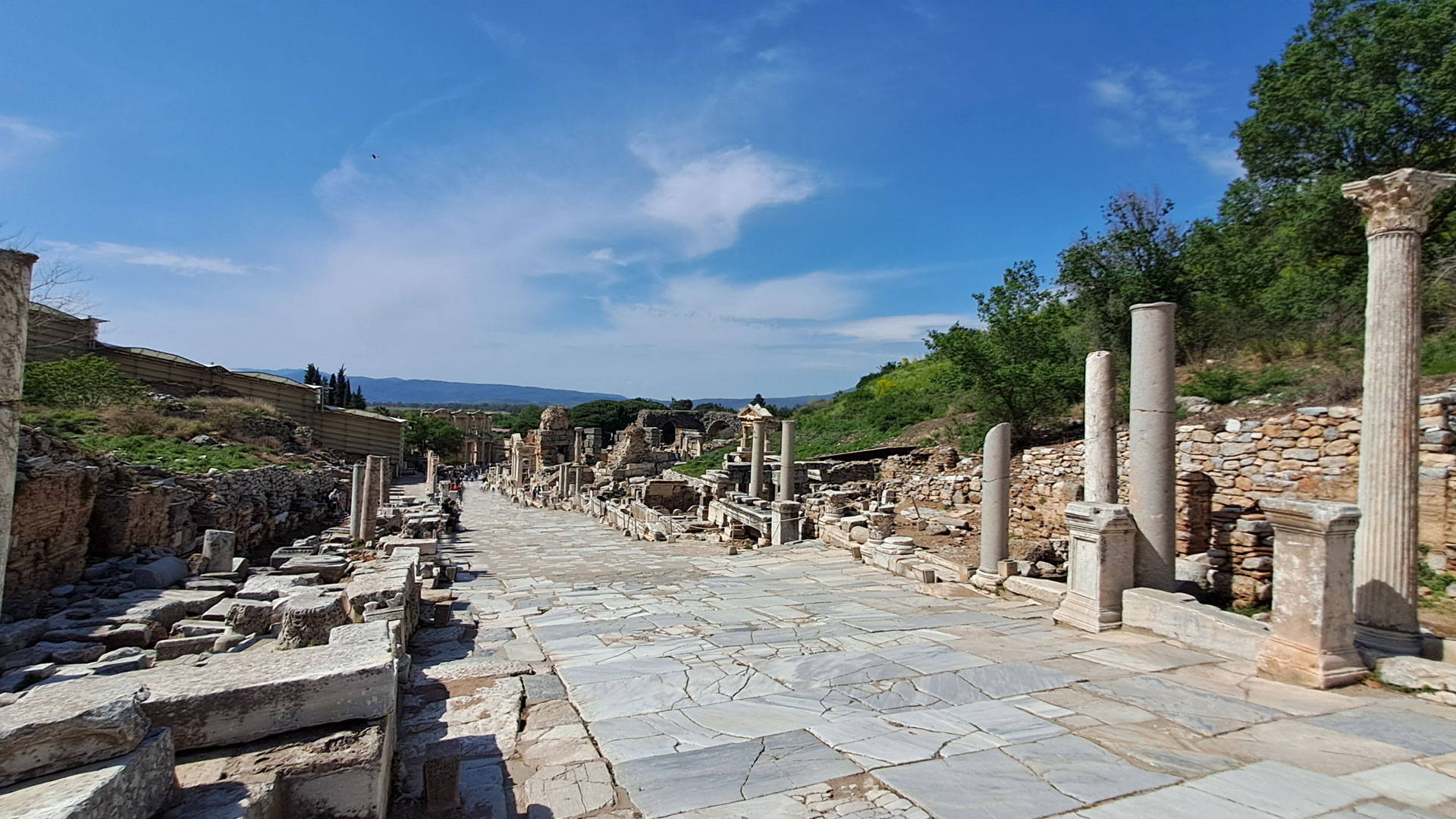
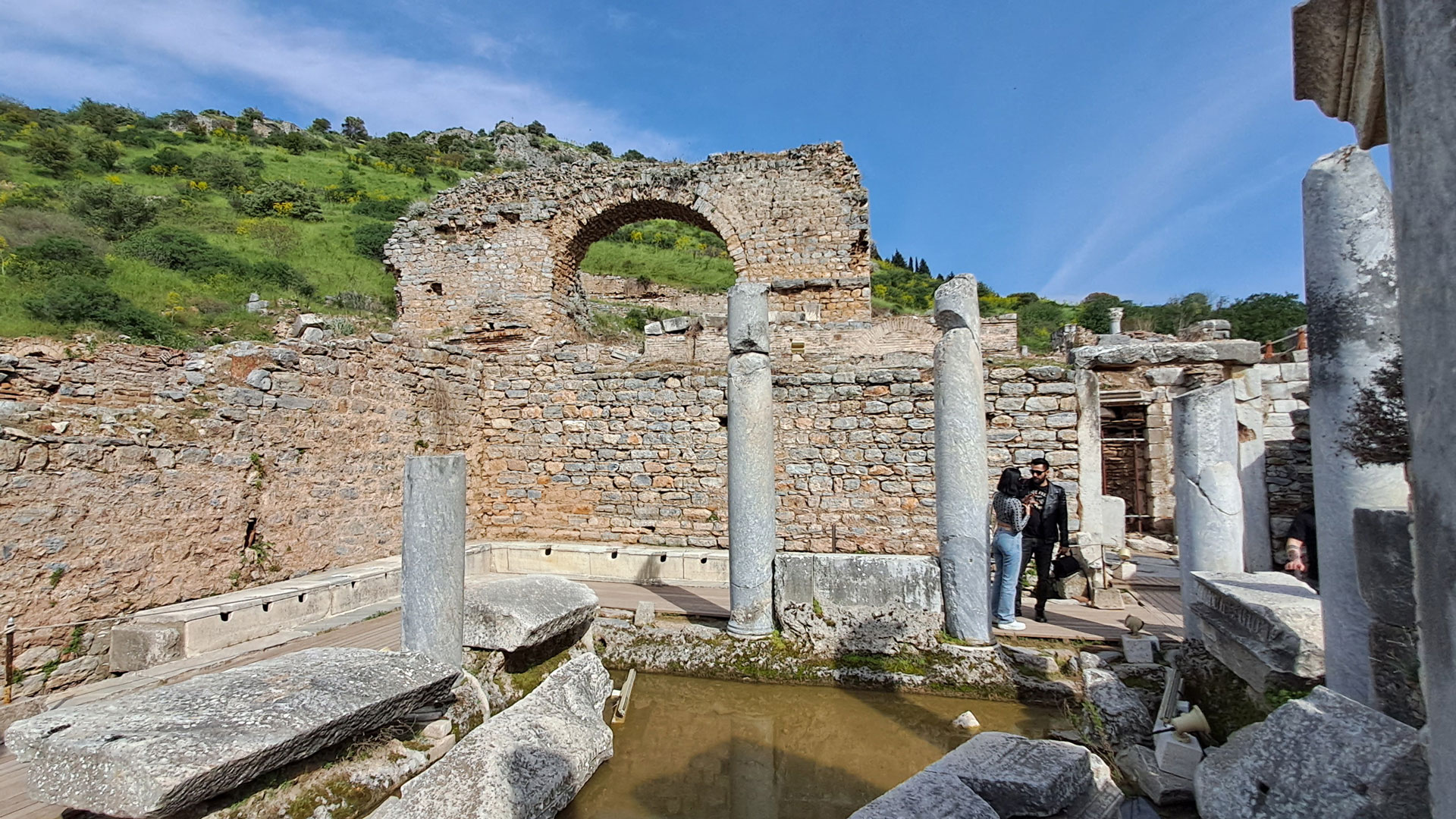
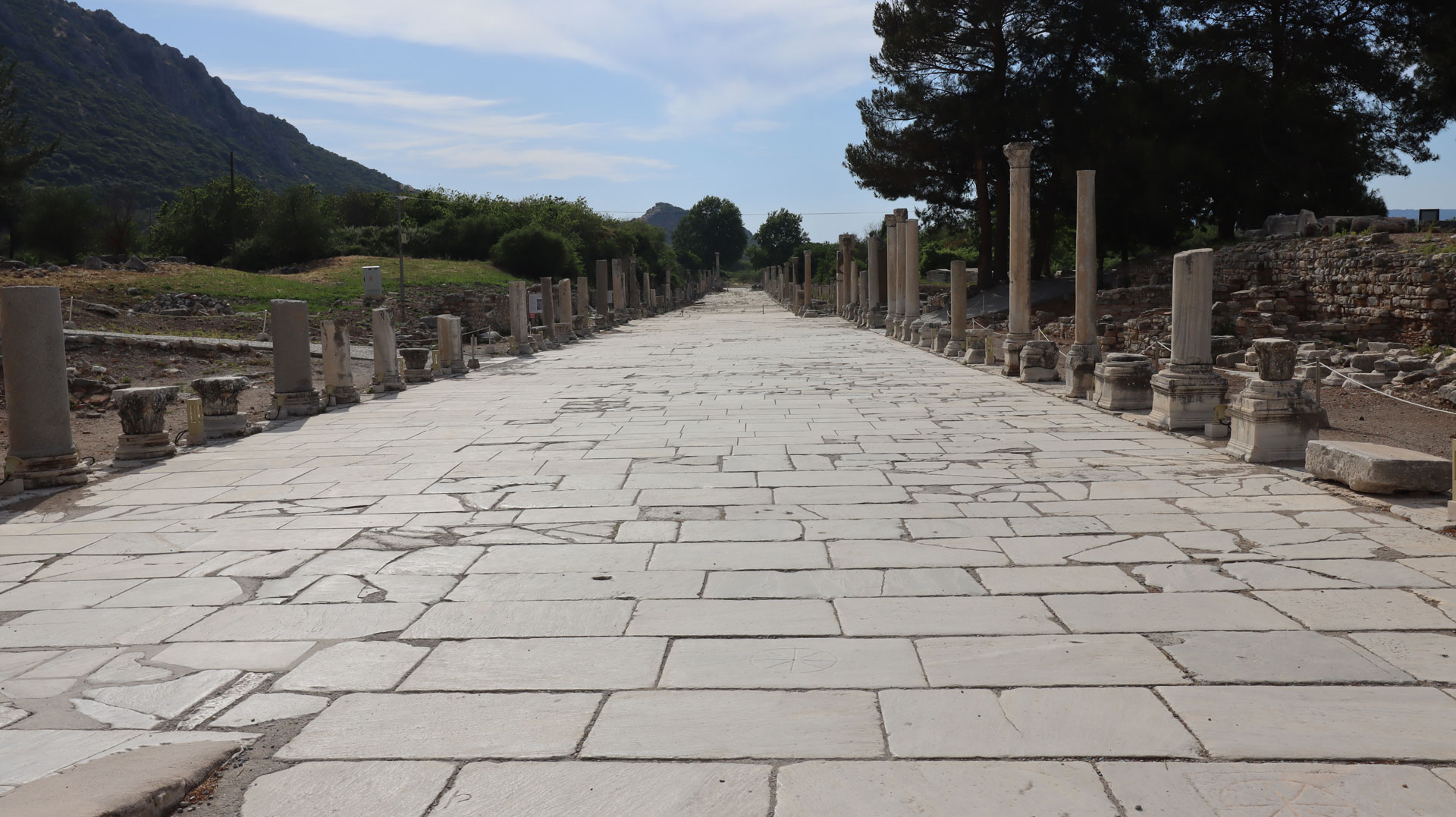
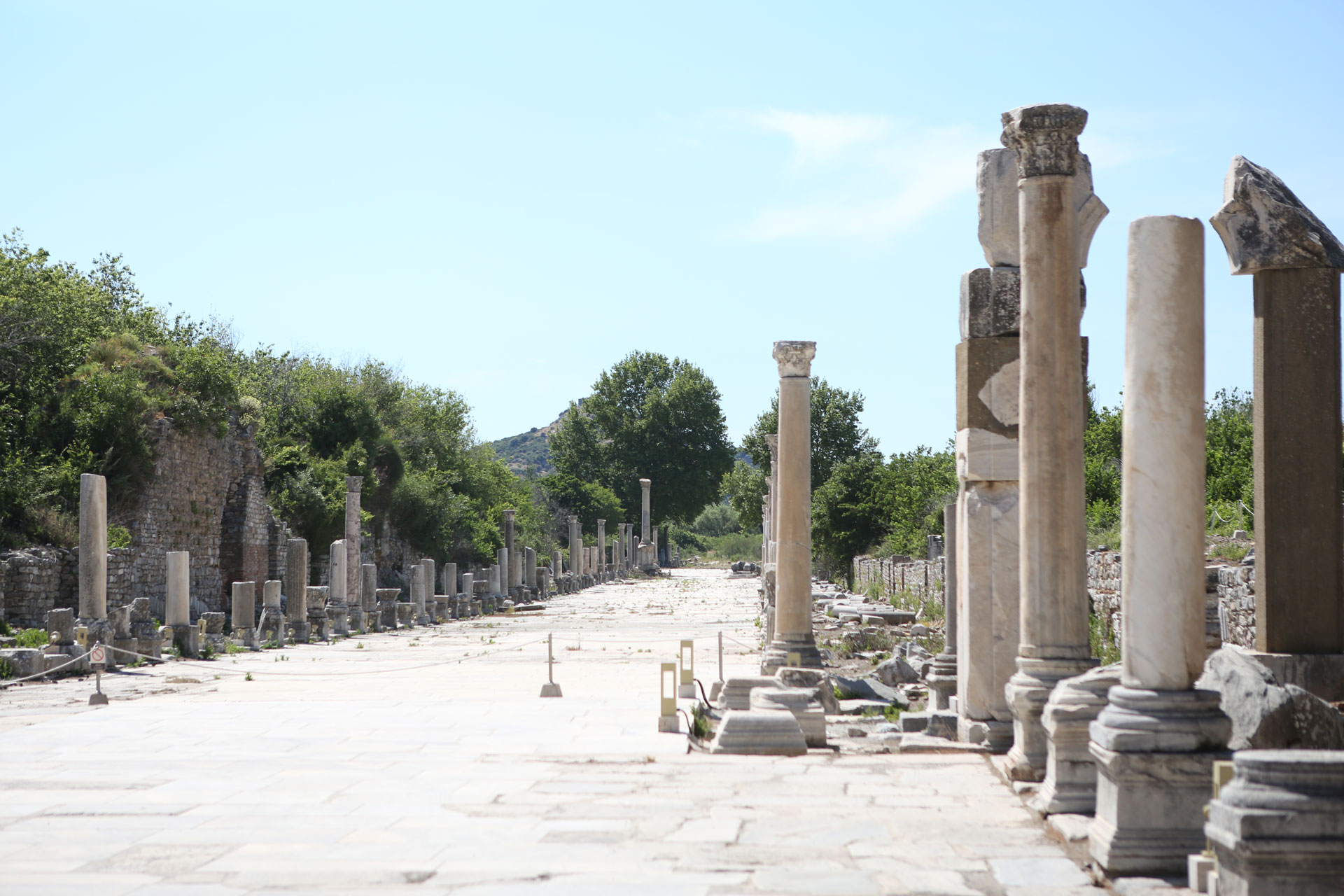
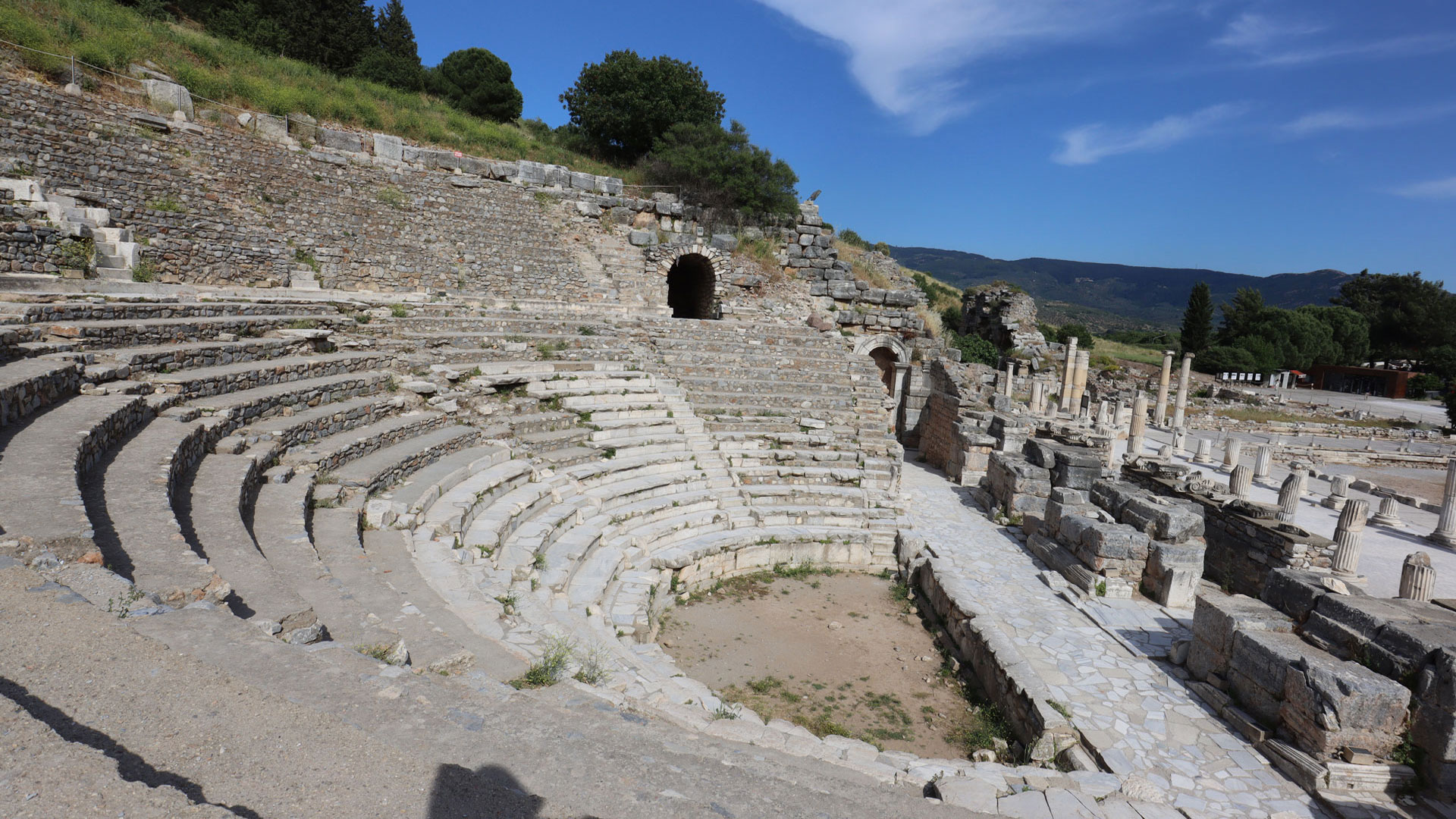
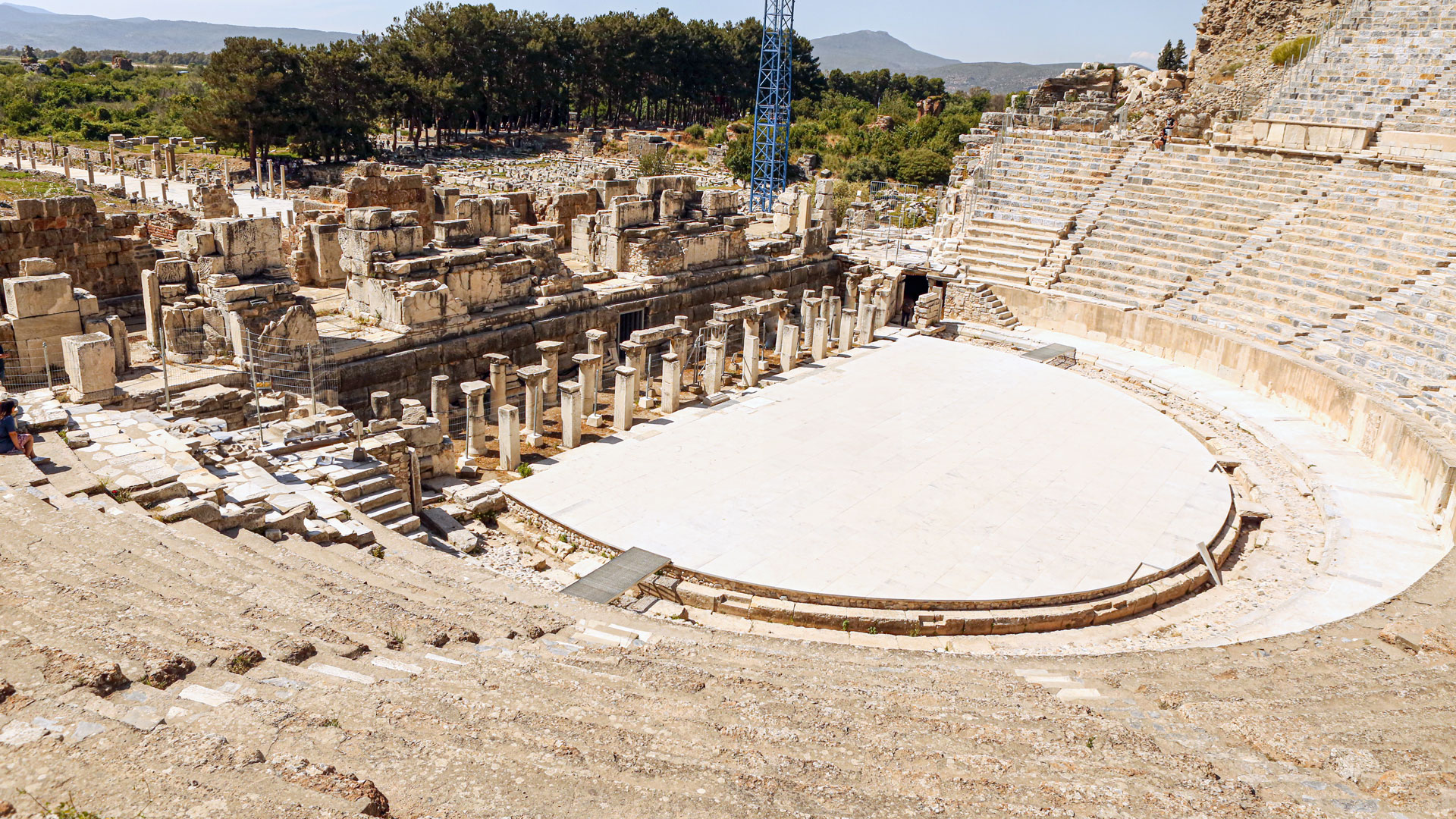
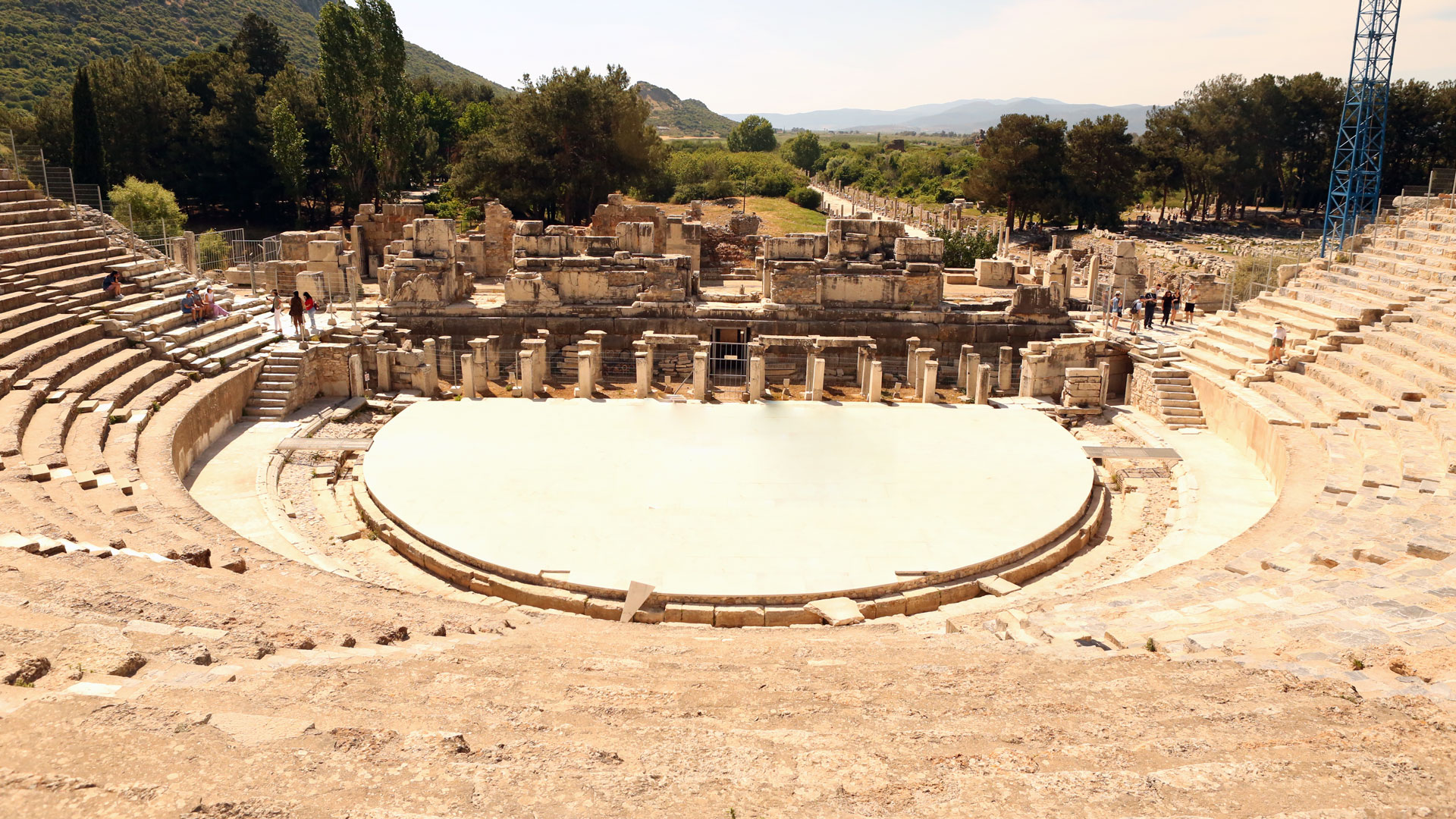
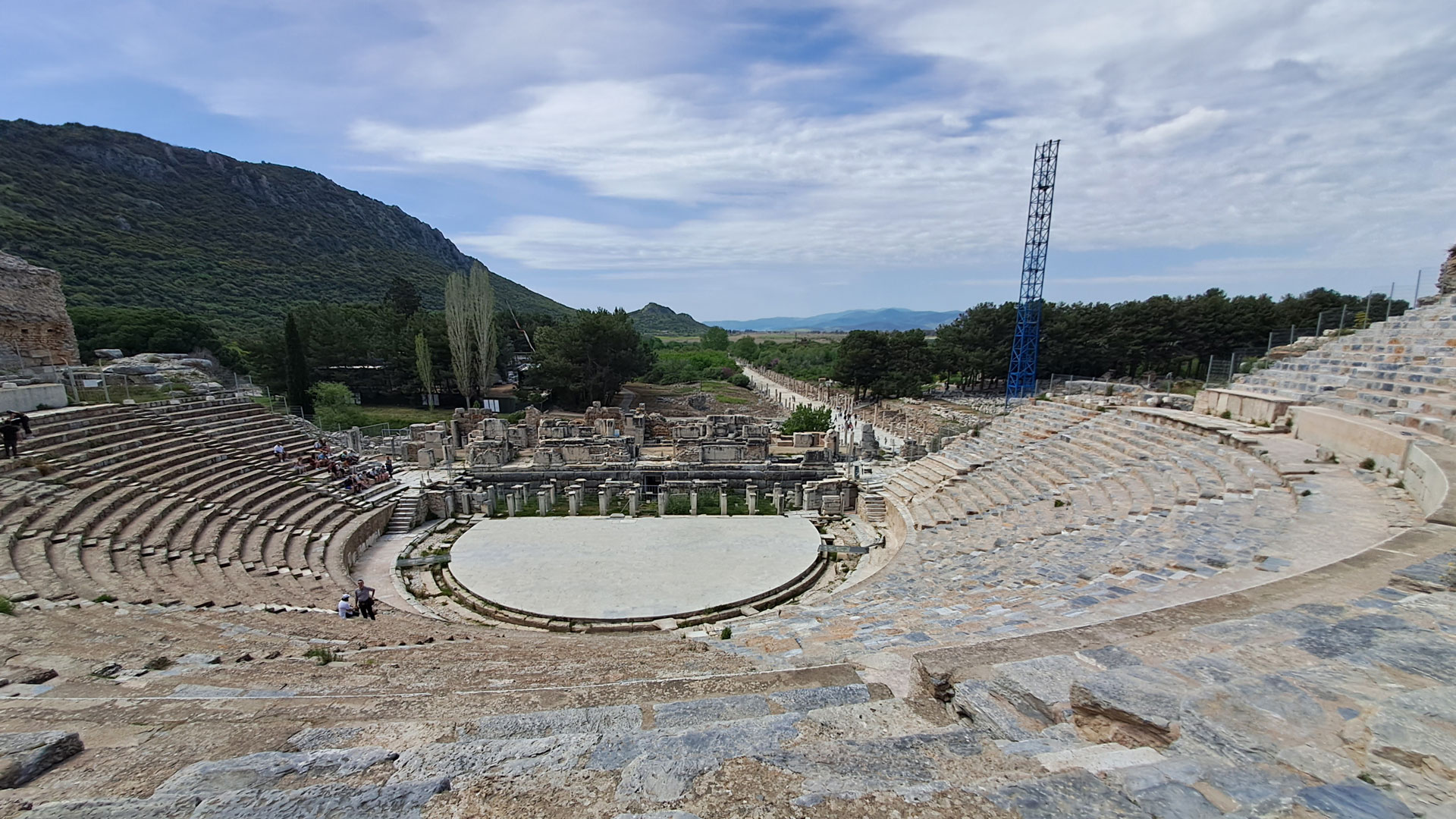
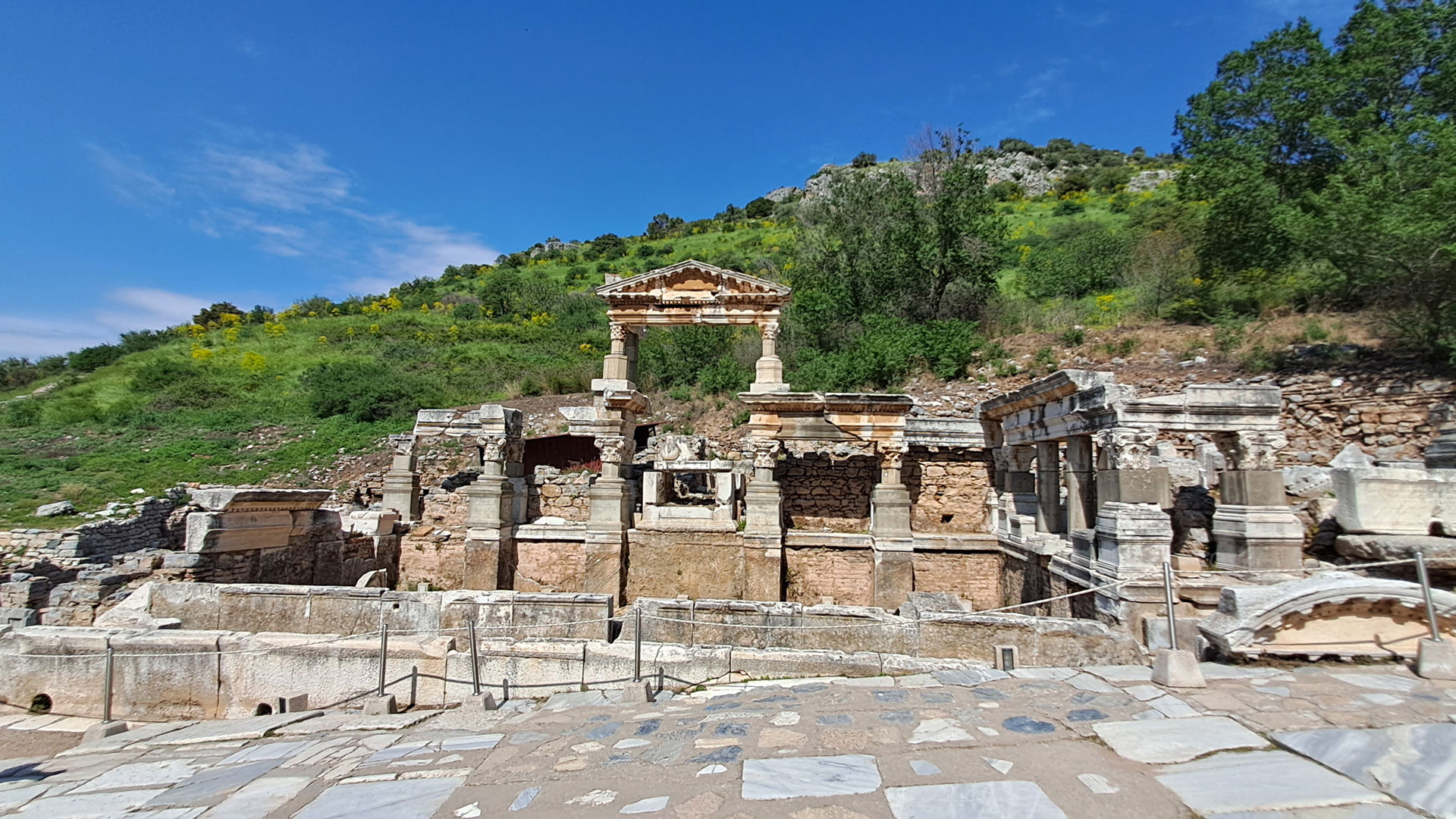
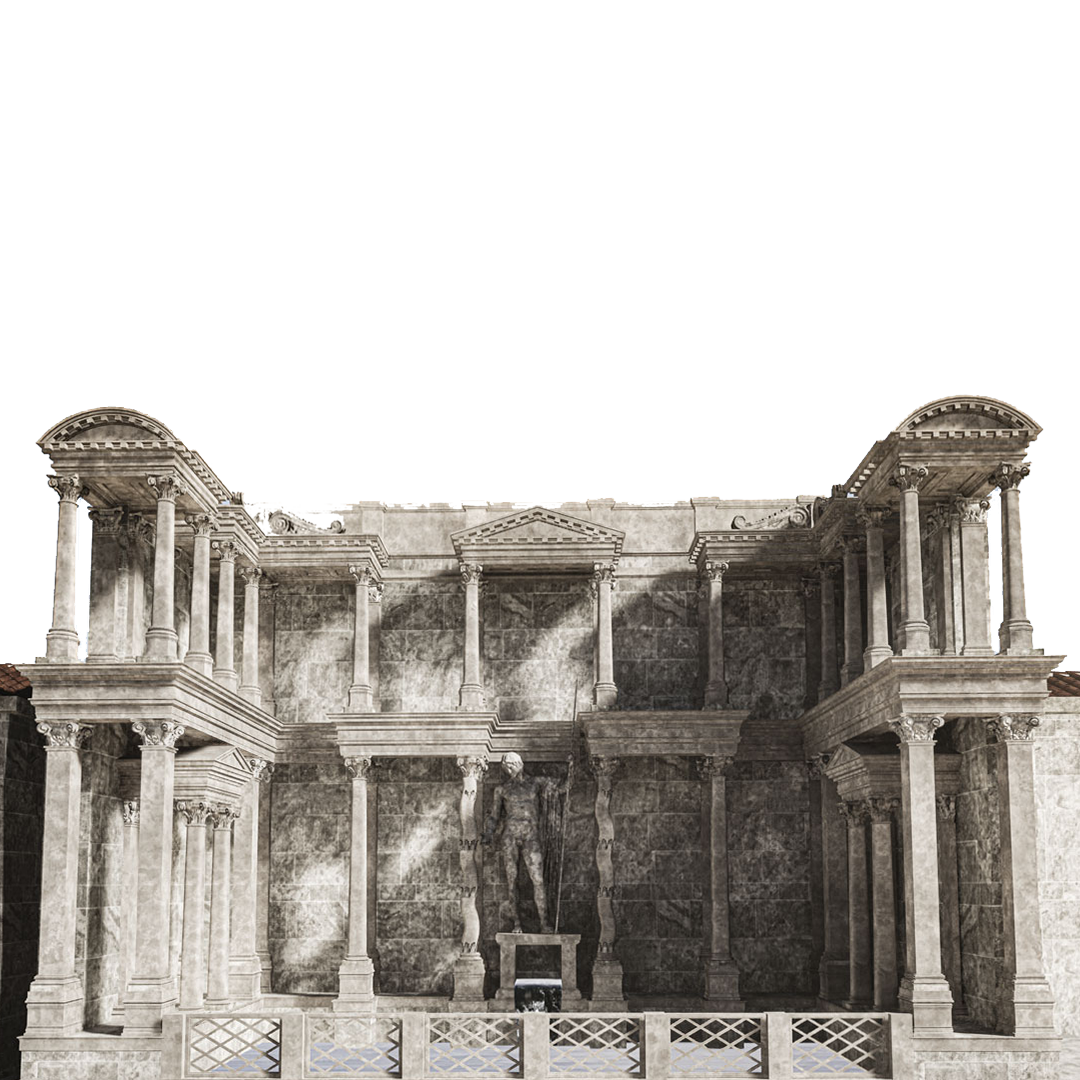
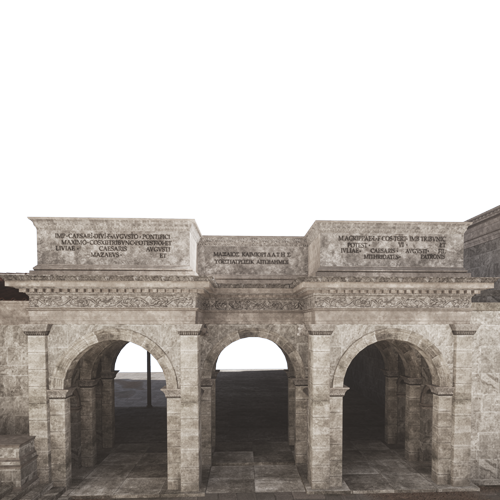
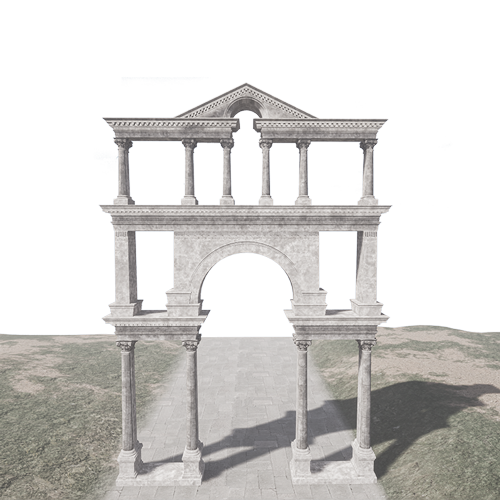
Efes, Batı Anadolu'nun Ege sahilinde bulunan bir yarımada üzerine kurulmuş bir liman kentidir. Günümüzde milyonlarca dünya gezgini Efes'i ziyaret ederek binlerce yıl öncesinin yaşam izlerini görmektedir. Efes'in büyük bir kısmı hala toprak altında bulunmaktadır, ancak arkeolojik kazılarla ortaya çıkarılan kent etkileyici bir şekilde restore edilmiştir. Efes araştırmaları ve kazıları, Türkiye'deki müzelerde ve dünyanın diğer önemli müzelerinde sergilenen eserlerle devam etmektedir.
Efes'in çevresindeki kazı alanlarında yapılan çalışmalar, geçmişi M.Ö. 8200'lere kadar götüren yeni bulgular ortaya çıkarmıştır. Hititler Dönemi'nde Arzawa Ülkesi içindeki Apasas'ın Ayasuluk Tepesi'nde yerleşim olduğu düşünülmektedir. Efes'i tam olarak keşfedebilmek için meraklı gezginlerin daha fazla zaman ayırması gerekmektedir, çünkü on bin yıllık bir geçmişe sahip olan Efes'in izlerini takip etmek birkaç günü aşabilir.
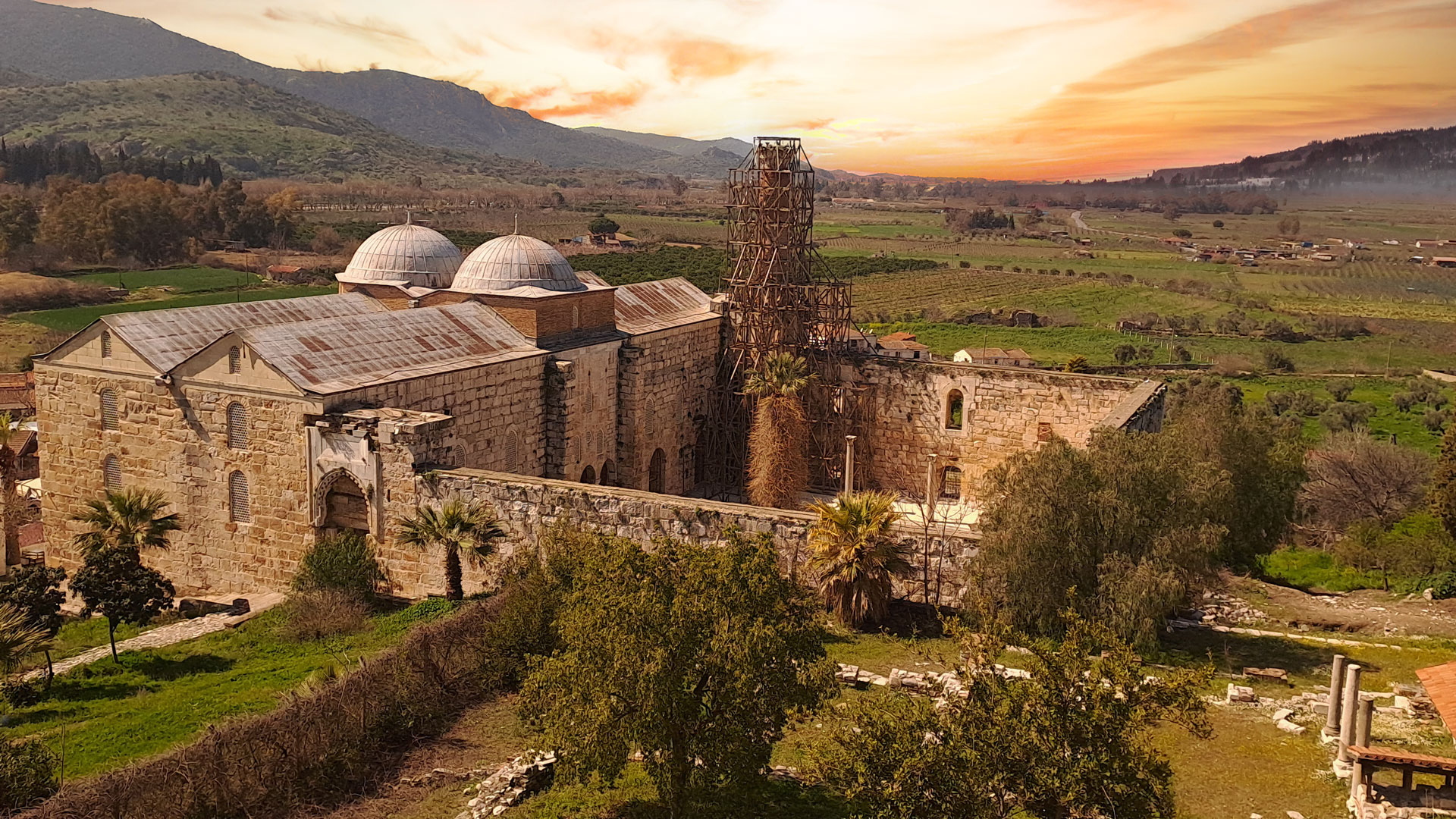
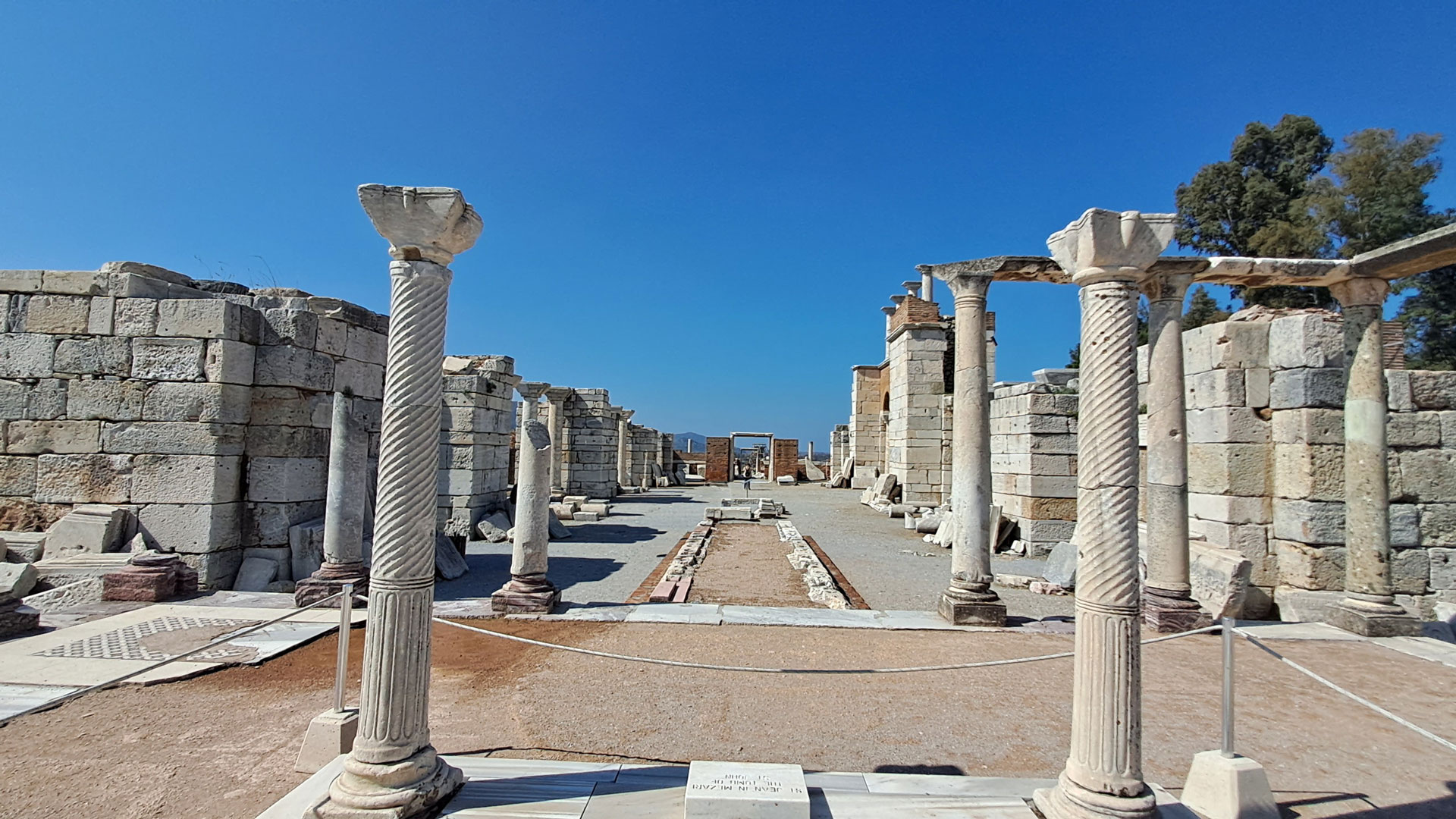
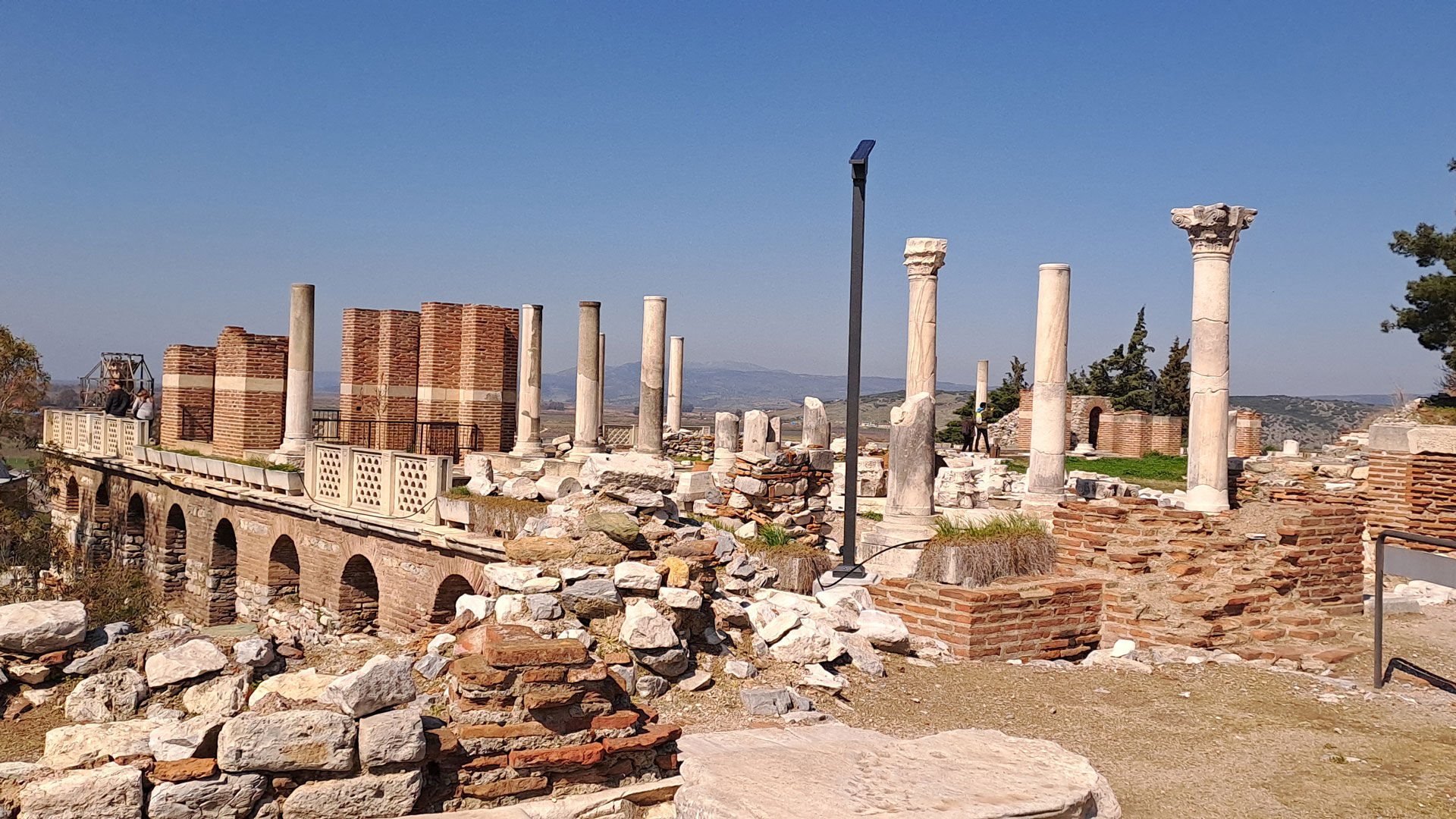
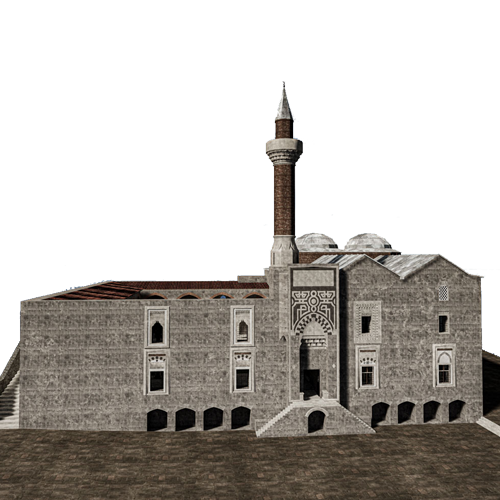
Efes'teki arkeolojik alanlarda, Selçuk ilçesindeki Ayasuluk Tepesi'nde bulunan Kale, St. Jean Kilisesi ve Selçuklu Beyliği dönemine ait İsa Bey Camisi gibi yapılar, Neolitik dönemden Roma'ya, Doğu Roma (Bizans) ve Osmanlı İmparatorluğu'na kadar uzanan dönemlerden kalmış yapılar ya da buluntularla birlikte Efes'in geçmişine dair izler sunmaktadır.
Günümüzde Efes Limanı artık kullanılmamaktadır ve kent limanı bataklık halindedir. Ege Denizi de kenti terk etmiş ve 9 kilometre açığa çekilmiştir. Ancak bu duruma rağmen milyonlarca gezgin, yeniden restore edilen Efes'i görmek için yollara düşmektedir.
Özet olarak, Efes Antik Kenti Batı Anadolu'nun önemli bir turistik destinasyonudur. Binlerce yıl öncesinin yaşam izlerini görmek ve arkeolojik eserleri keşfetmek için milyonlarca ziyaretçi Efes'i ziyaret etmektedir.
Ephesus is a port city located on a peninsula along the Aegean coast of Western Anatolia. Today, millions of global travelers visit Ephesus to witness the traces of life from thousands of years ago. While a significant portion of Ephesus still lies underground, the city has been impressively restored through archaeological excavations. Research and excavations in Ephesus continue, with the artifacts being exhibited in museums in Turkey and other important museums around the world.
Studies conducted in the surrounding excavation sites of Ephesus have revealed new findings that date back to around 8200 BC. It is believed that there was a settlement in Ephesus, known as Apasas, within the Arzawa Kingdom during the Hittite period. To fully explore Ephesus, curious travelers need to allocate more time as tracing the footsteps of Ephesus, which has a history of ten thousand years, can exceed a few days.
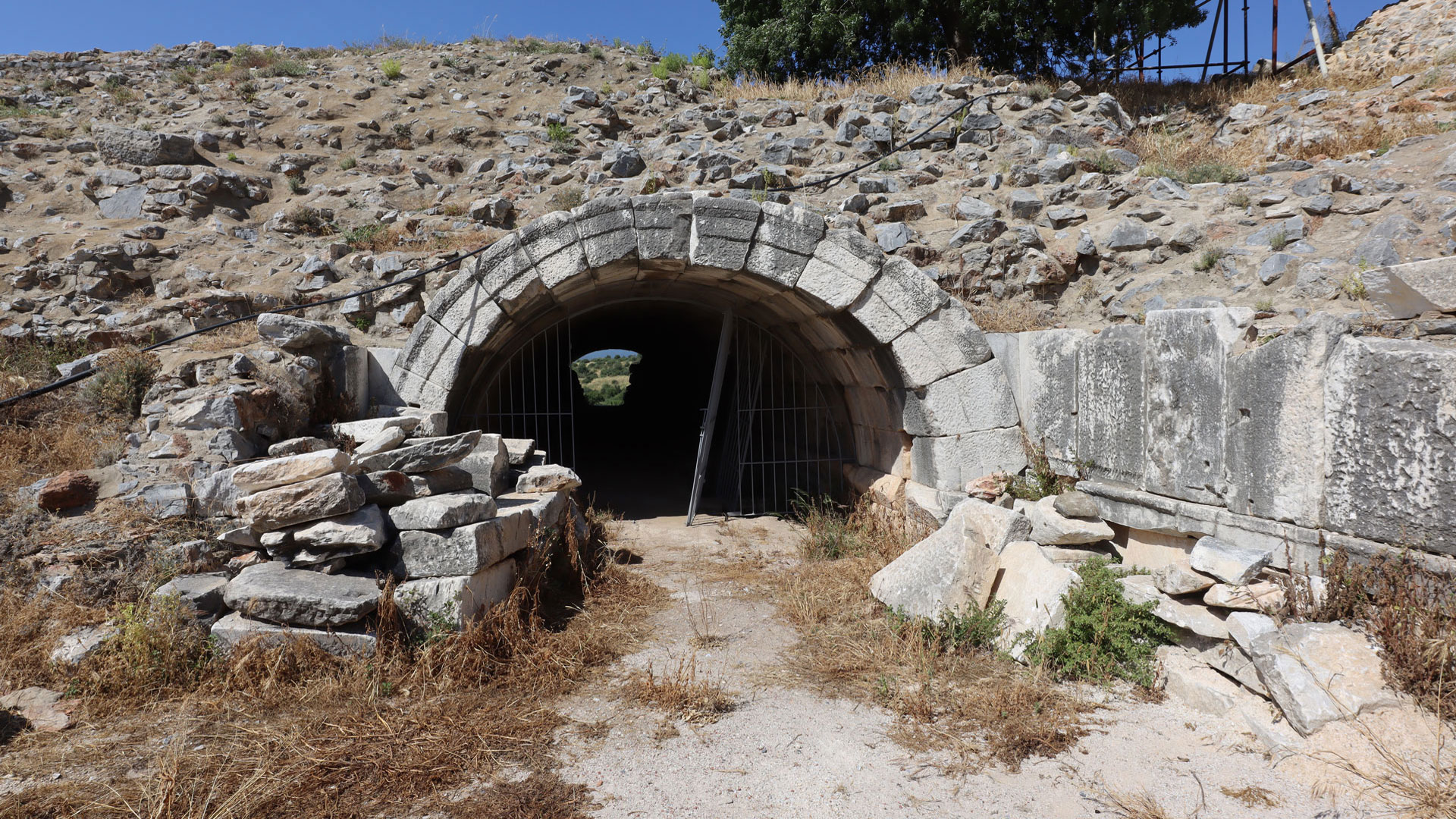
Archaeological sites in Ephesus, such as the Castle located on Ayasuluk Hill in the Selçuk district, structures like St. John's Church, and the İsa Bey Mosque from the Seljuq period, offer glimpses into the history of Ephesus spanning from the Neolithic period to the Roman, Eastern Roman (Byzantine), and Ottoman Empires.
The Ephesus Port is no longer in use today, and the city's harbor is in a marshy state. The Aegean Sea has also retreated from the city and is now 9 kilometers away. Nevertheless, despite these circumstances, millions of travelers embark on journeys to see the restored Ephesus.
In summary, Ephesus Ancient City is an important tourist destination in Western Anatolia. Millions of visitors come to Ephesus to witness the traces of life from thousands of years ago and explore archaeological artifacts.
Antik Kantler Serisi 2, “Efes ve Diğer İon Kentleri”,(2017), Uranüs yayınları, 2. Baskı, Sayfa 8.