Sayfa:  
Page:  
/
1
/
1
Selçuk - Efes 3B İnteraktif Modeller
Selçuk - Efes 3D Interactive Models
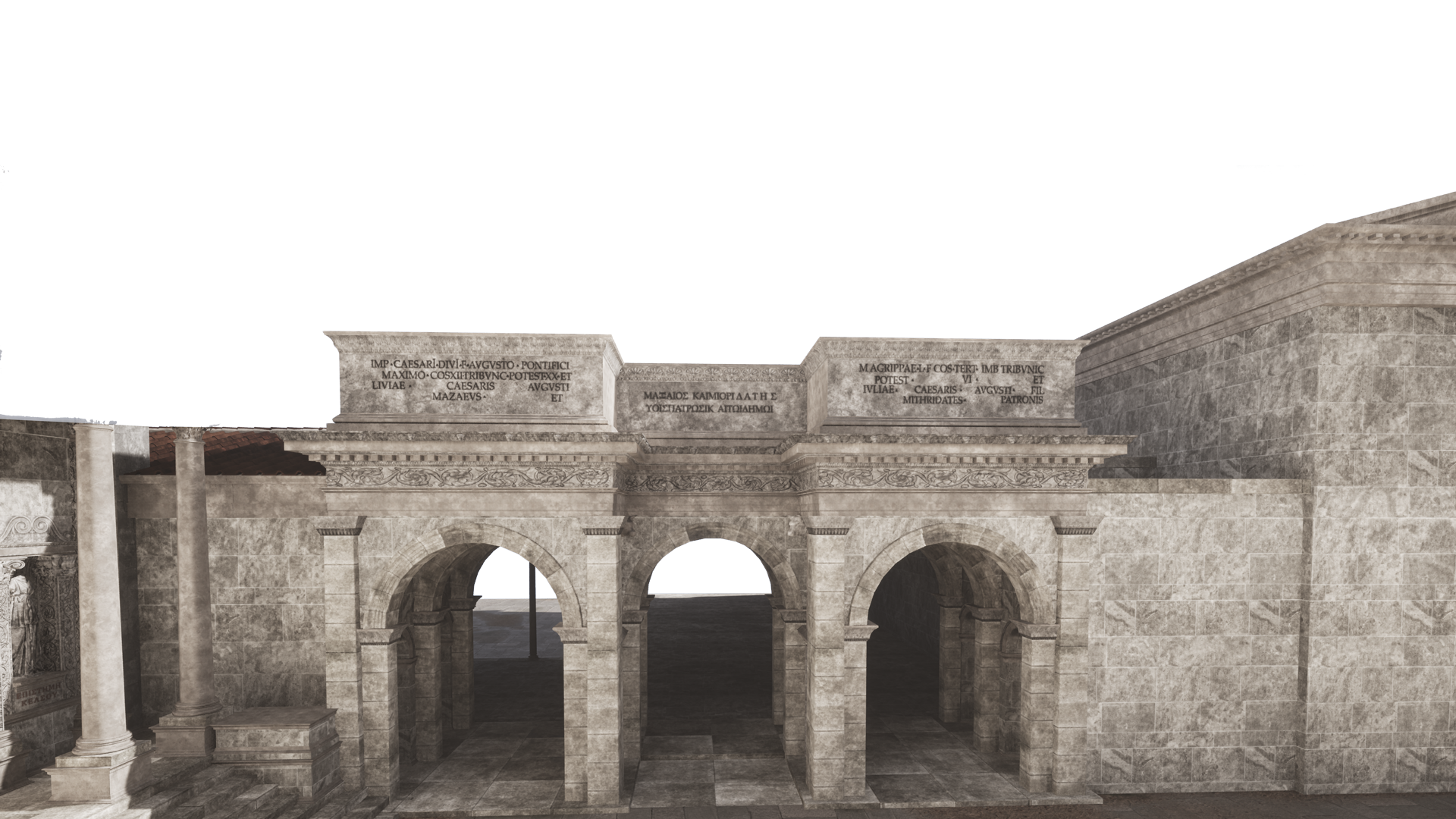
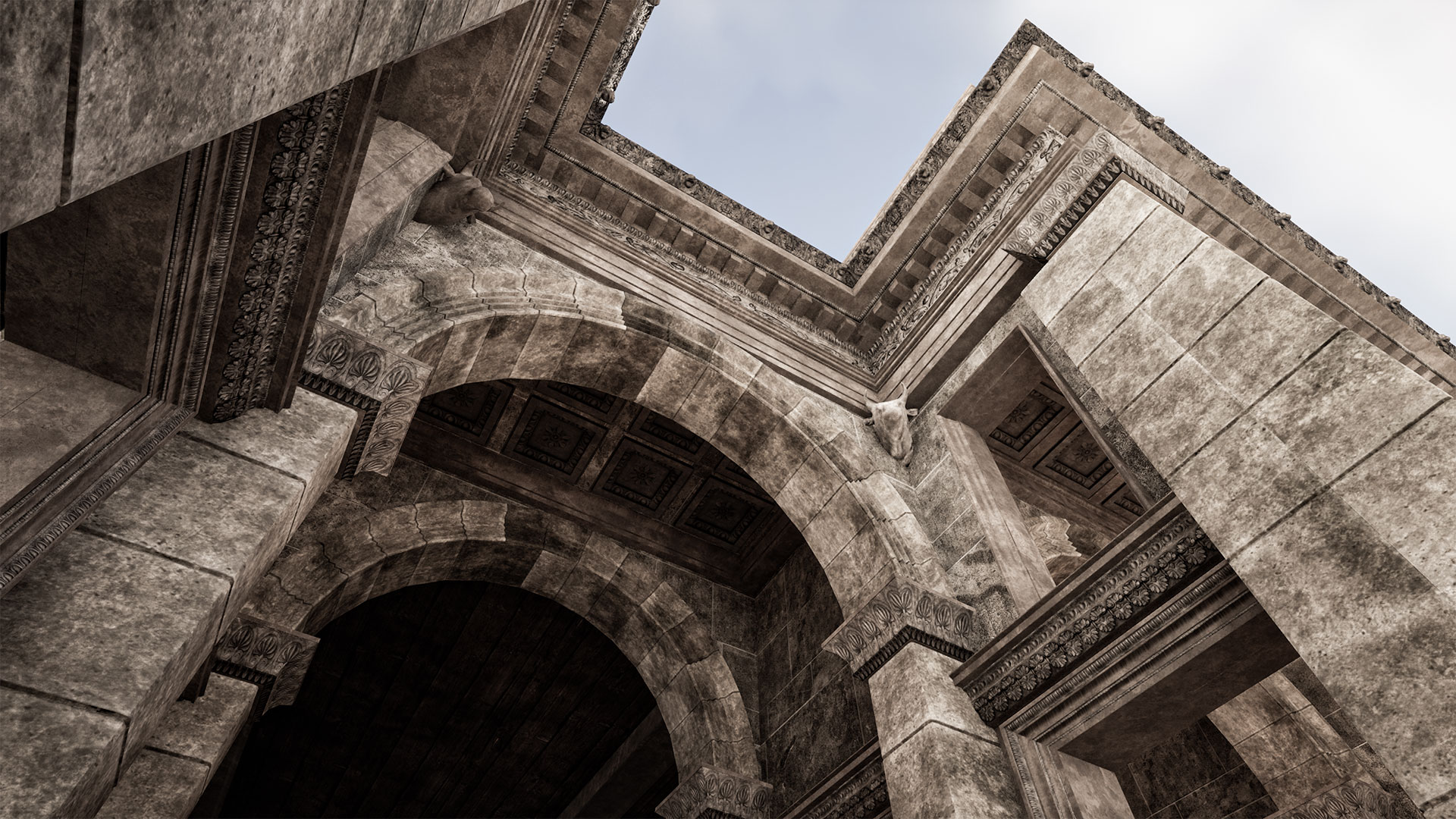
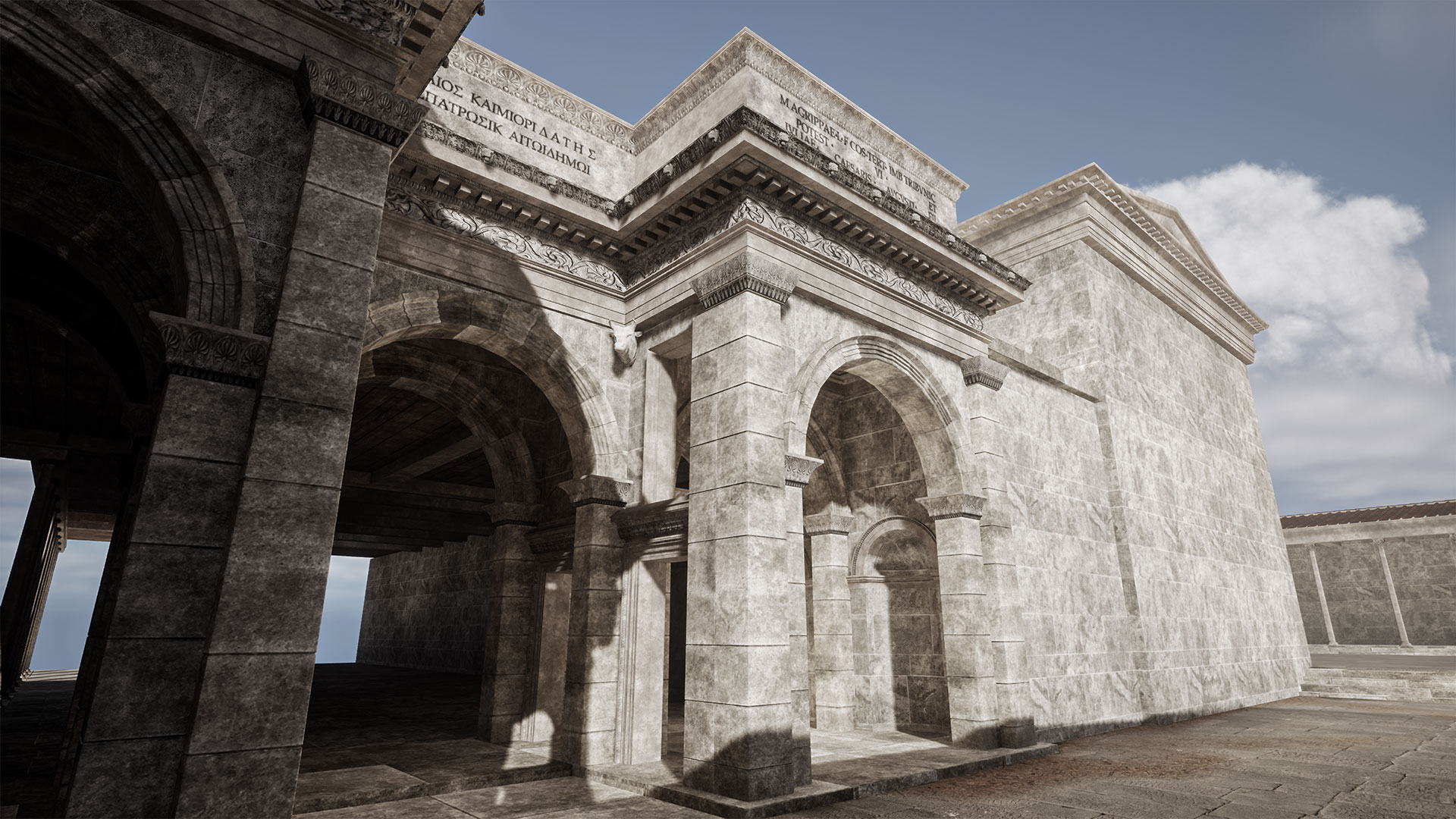
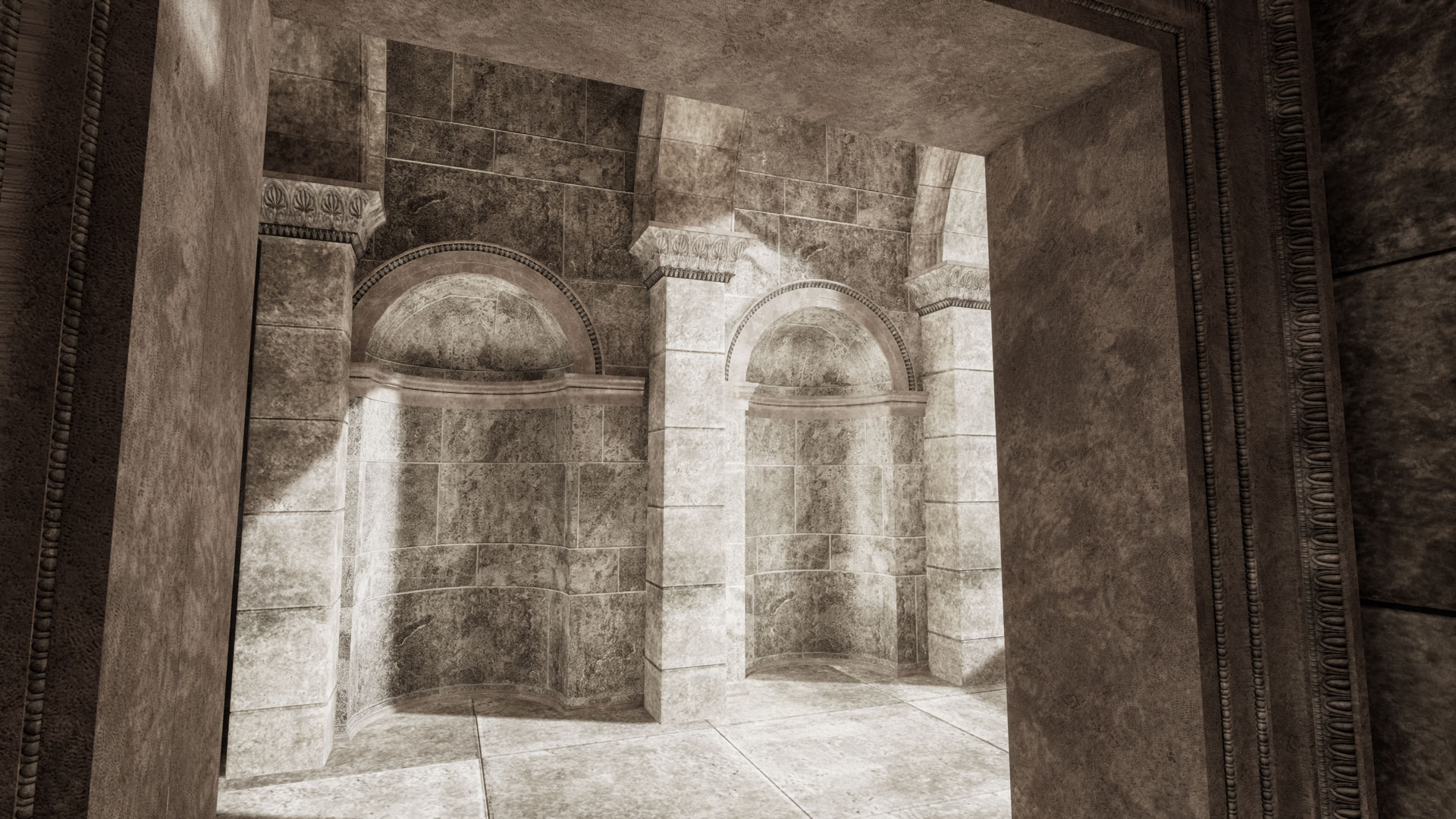
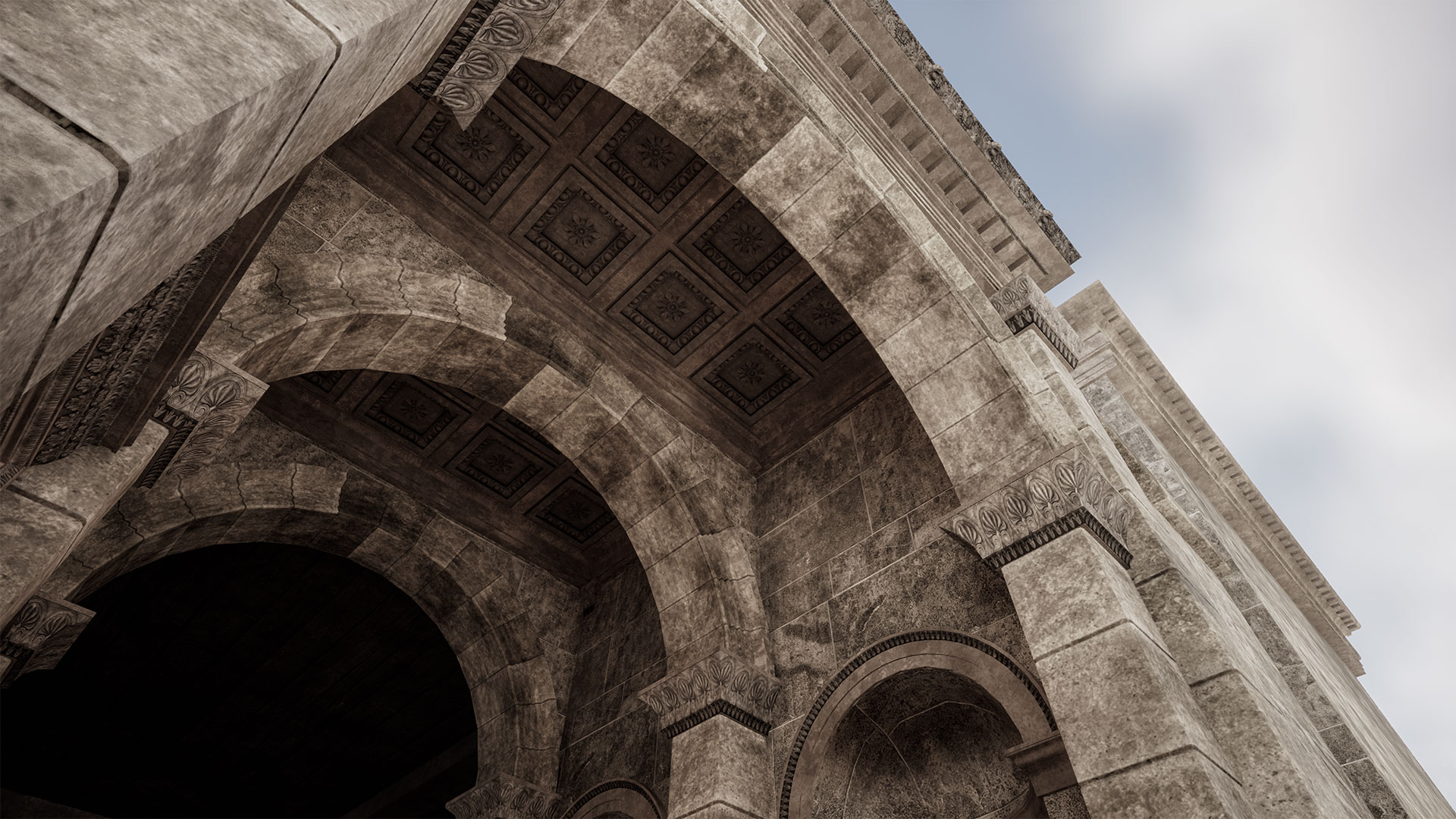
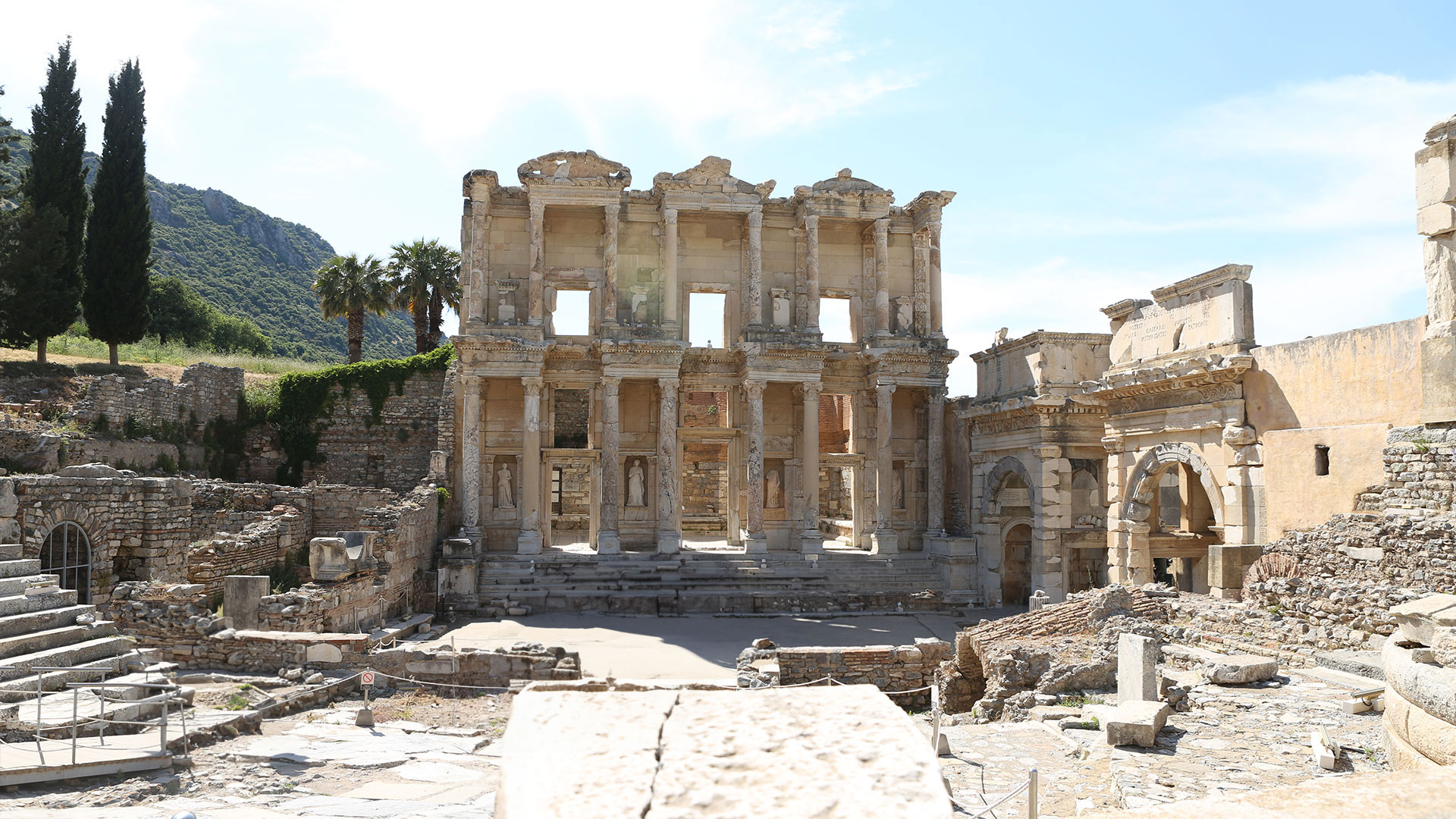
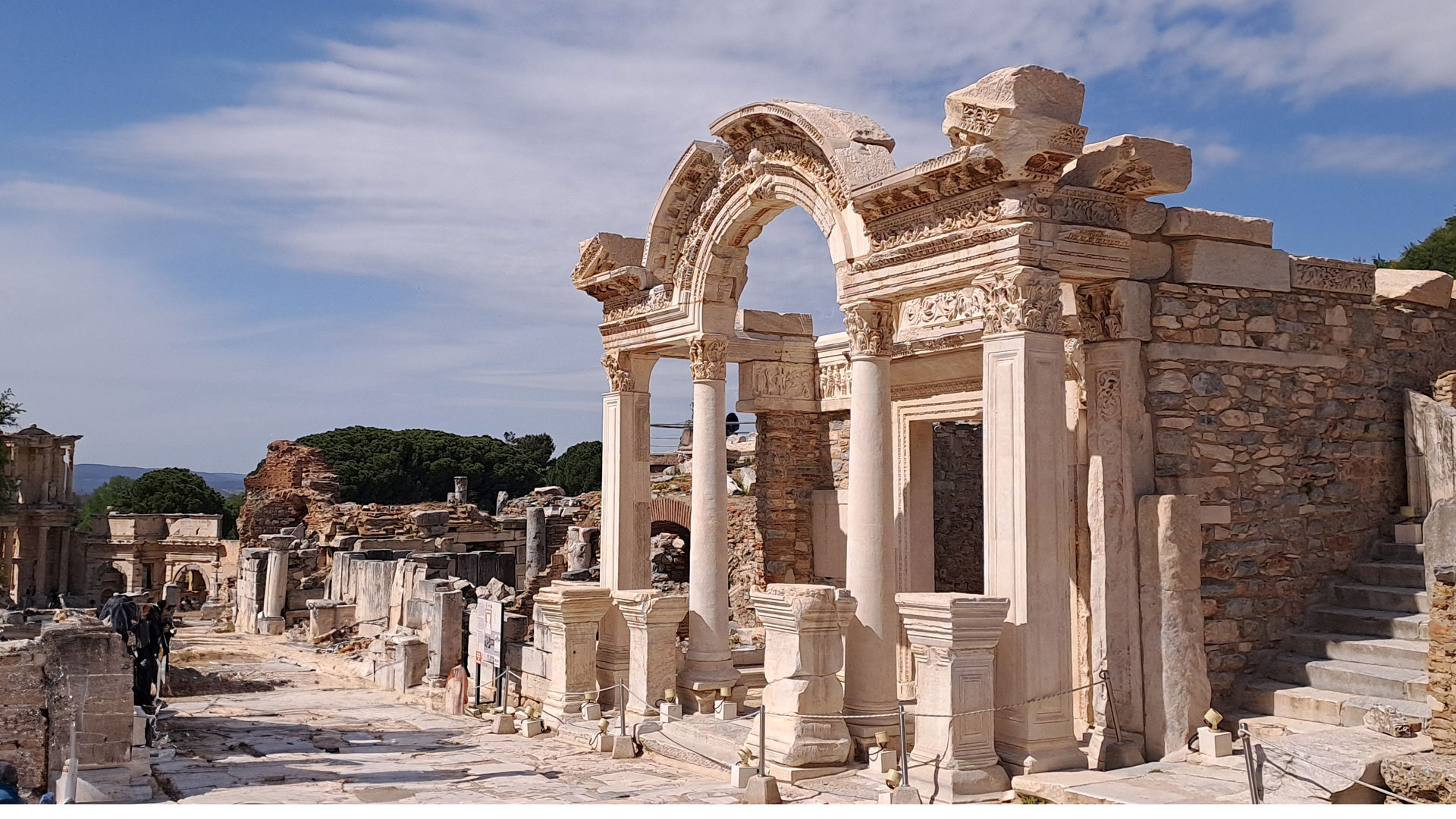
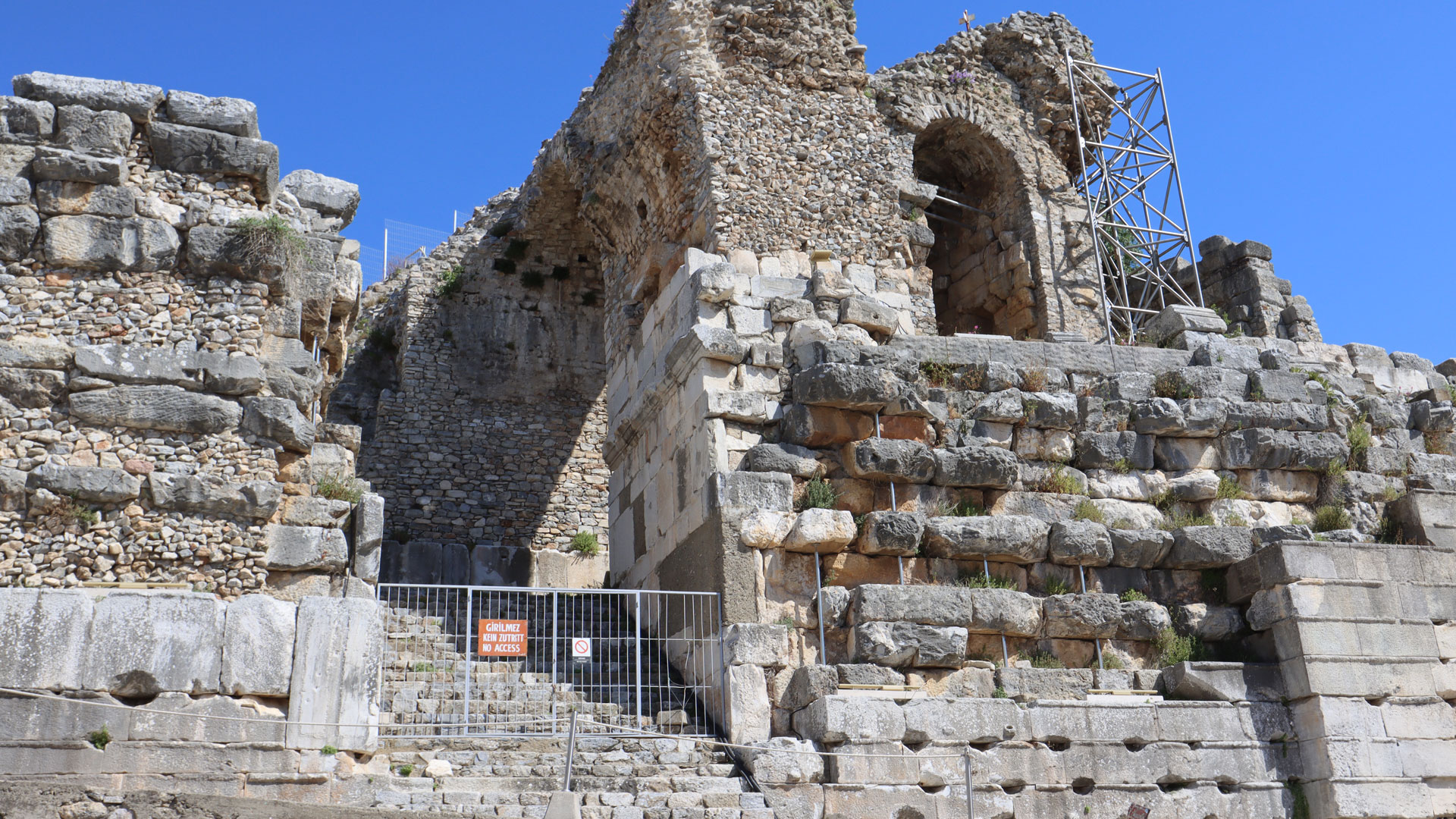
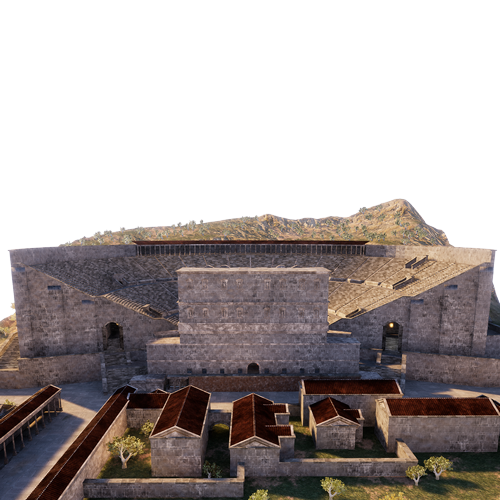
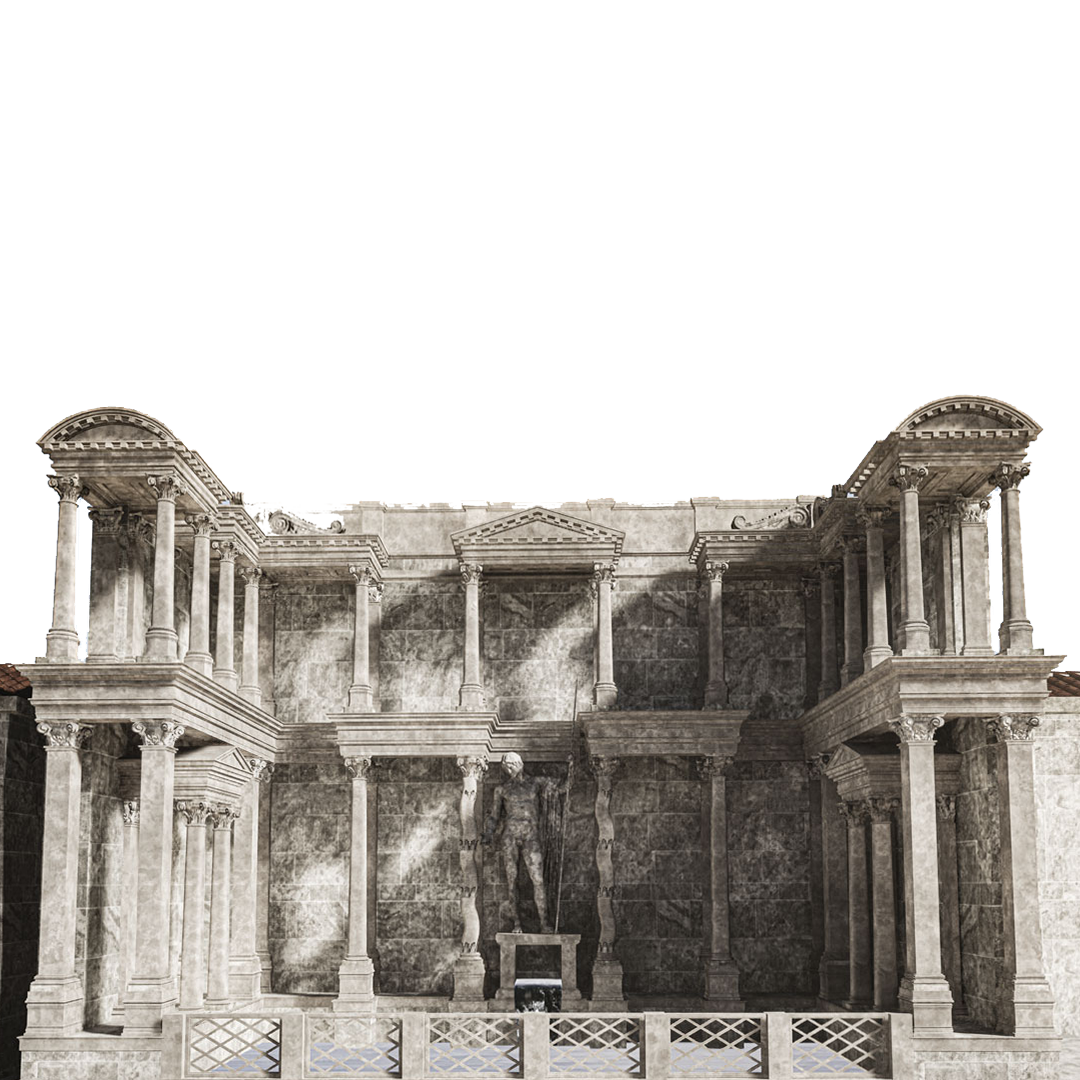
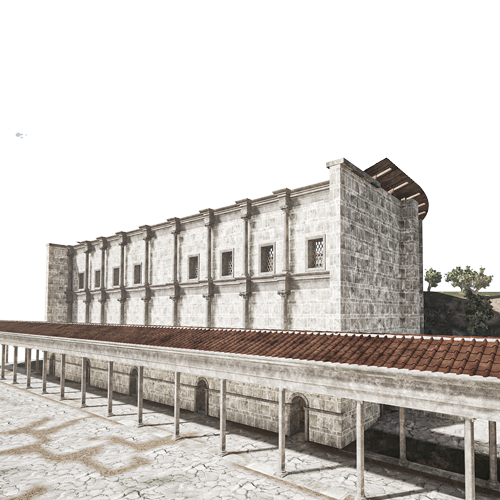
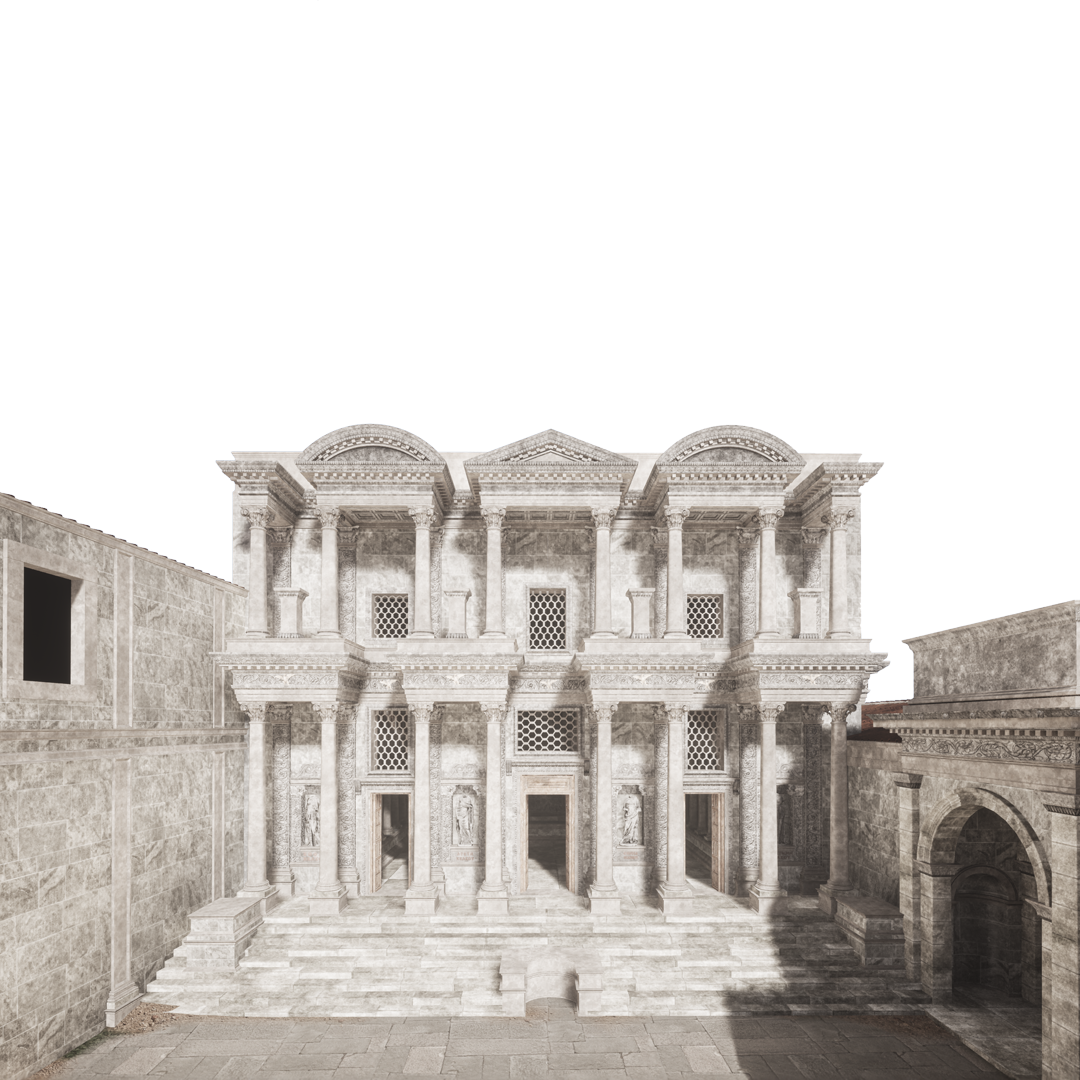
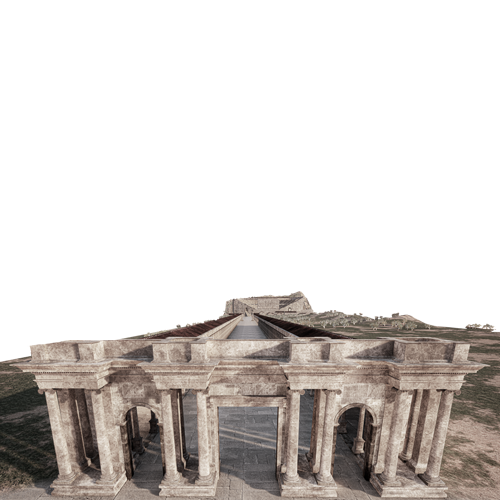
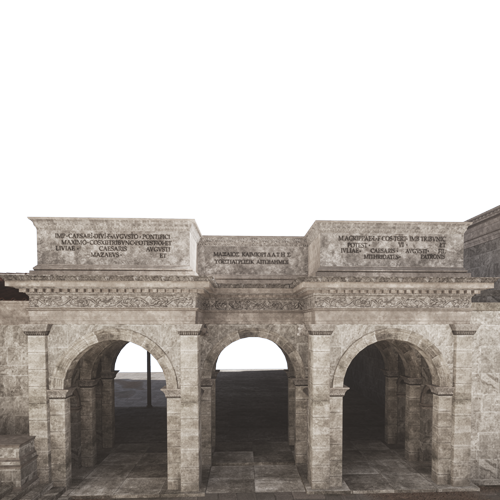
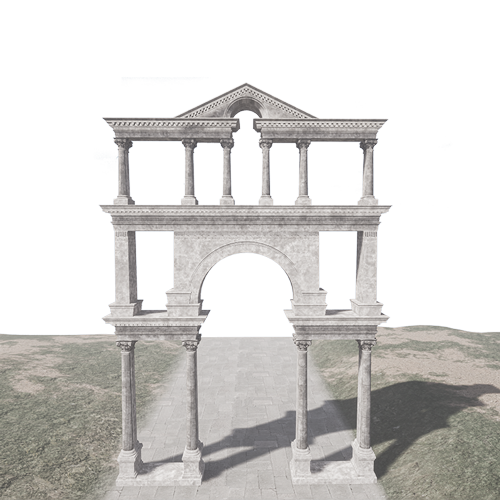
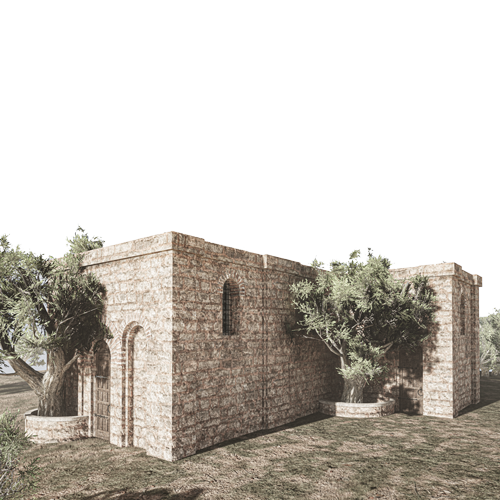
Efes antik kentinde bulunan Mithridates Kapısı, MS 40 yılında İmparator Augustus için Mazeus ve Mythridates adlı iki köle tarafından inşa edilmiştir. Bu yapı, kütüphanenin hemen sağındadır. Kapının kemerleri ve ön yüzü siyah mermerlerle süslenmiştir, ancak diğer yüzünde beyaz mermer kullanılmıştır. Kapının bir yüzünde ise İmparator Augustus'a övgüler içeren bir Latince yazı bronz harflerle yazılmıştır.
The Mithridates Gate, located in the ancient city of Ephesus, was built in 40 AD by two slaves named Mazeus and Mythridates for Emperor Augustus. This structure is situated immediately to the right of the library. The arches and front face of the gate are adorned with black marble, while white marble is used on the other side. On one side of the gate, there is a Latin inscription written in bronze letters, praising Emperor Augustus.
Mithridates Kapısı, Efes'in kuzeyinde bulunur ve antik dönemde şehre giriş noktası olarak kullanılmıştır. Adını, Mithridates VI olarak bilinen Pontus Kralı Mithridates'in onuruna verilmiştir. Mithridates, MÖ 1. yüzyılda önemli bir hükümdar olarak Pontus Krallığı'nı yönetmiştir.
The Mithridates Gate is situated in the northern part of Ephesus and served as an entrance point to the city during ancient times. It was named in honor of Mithridates VI, also known as the Pontus King Mithridates. Mithridates was an important ruler who governed the Kingdom of Pontus in the 1st century BC.
Bu kapı, Efes'in ziyaretçilerine antik dönemin görkemli atmosferini yaşatmak için önemli bir nokta olmuştur. Kapıyı geçtikten sonra, antik kentin diğer bölgelerine ve yapılarına erişim sağlanmıştır. Efes, Roma İmparatorluğu'nun en büyük ve en zengin şehirlerinden biri olarak kabul edilir ve bu kapı, şehre giriş yapanları etkileyici bir şekilde karşılamak için özenle tasarlanmıştır.
This gate has been a significant point that allows visitors to experience the grand atmosphere of the ancient period in Ephesus. After passing through the gate, access to other areas and structures of the ancient city was granted. Ephesus is regarded as one of the largest and wealthiest cities of the Roman Empire, and this gate was meticulously designed to impress those entering the city.

Sayfa:  
Page:  
/
1
/
1
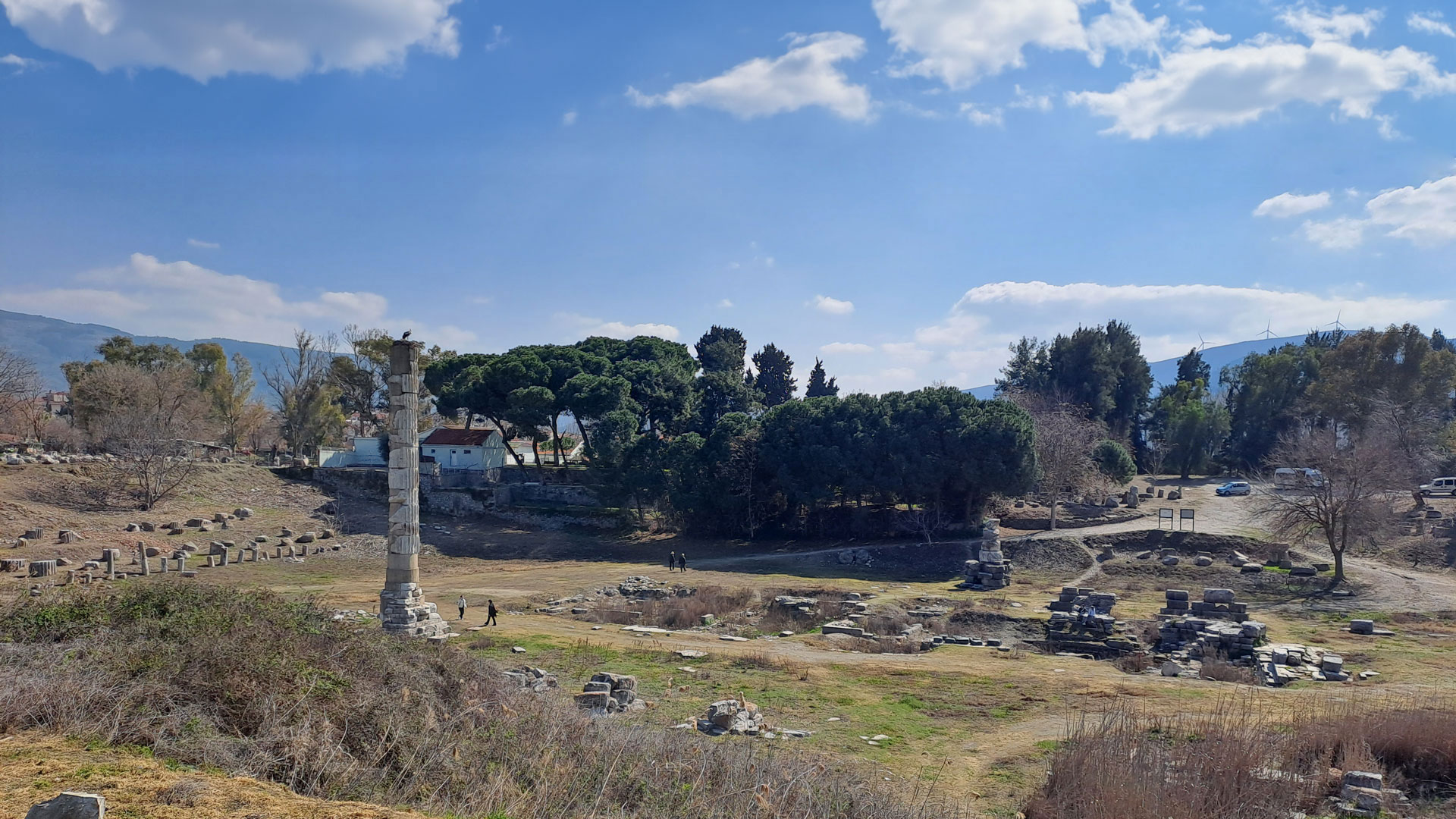
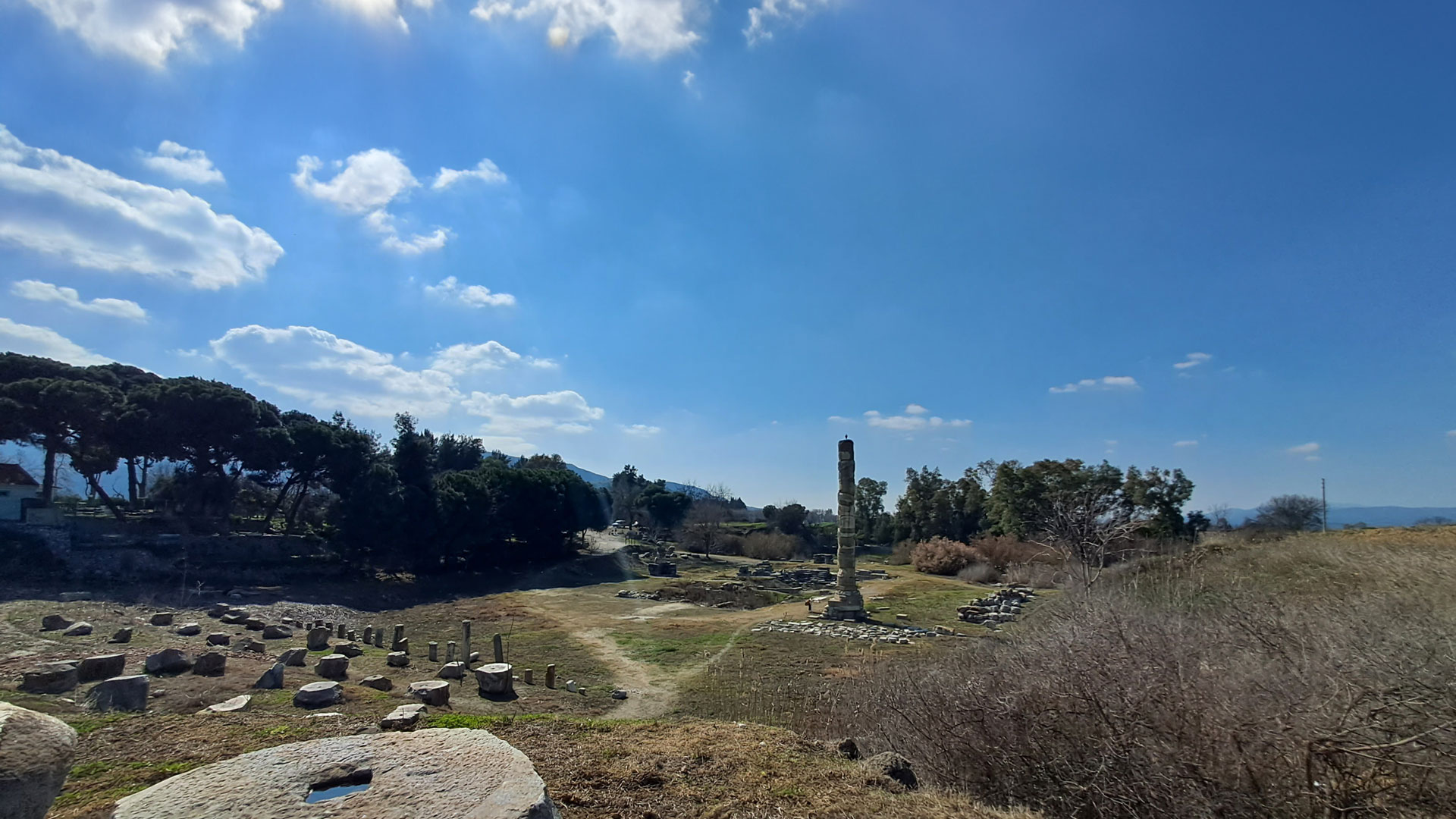
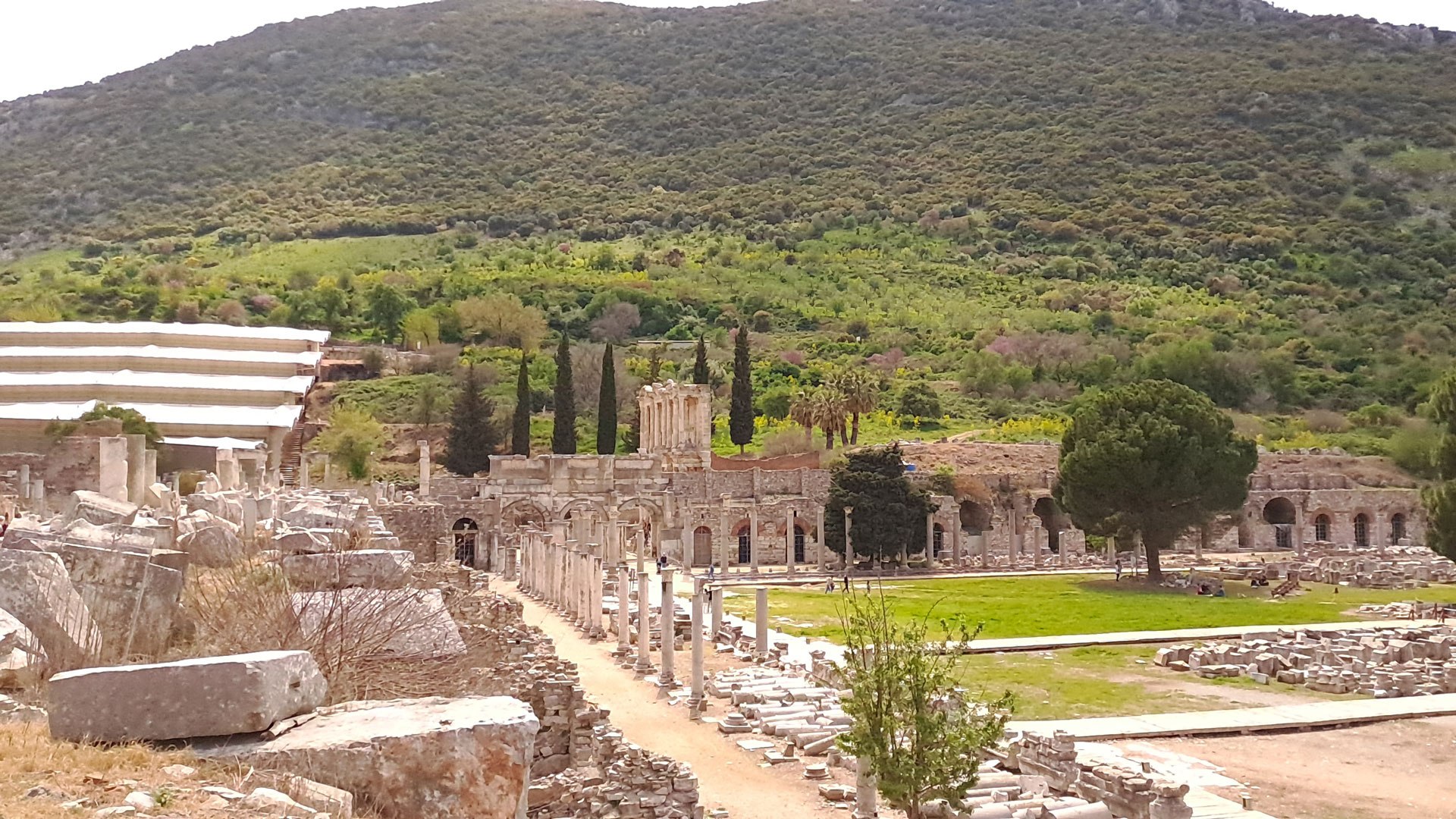
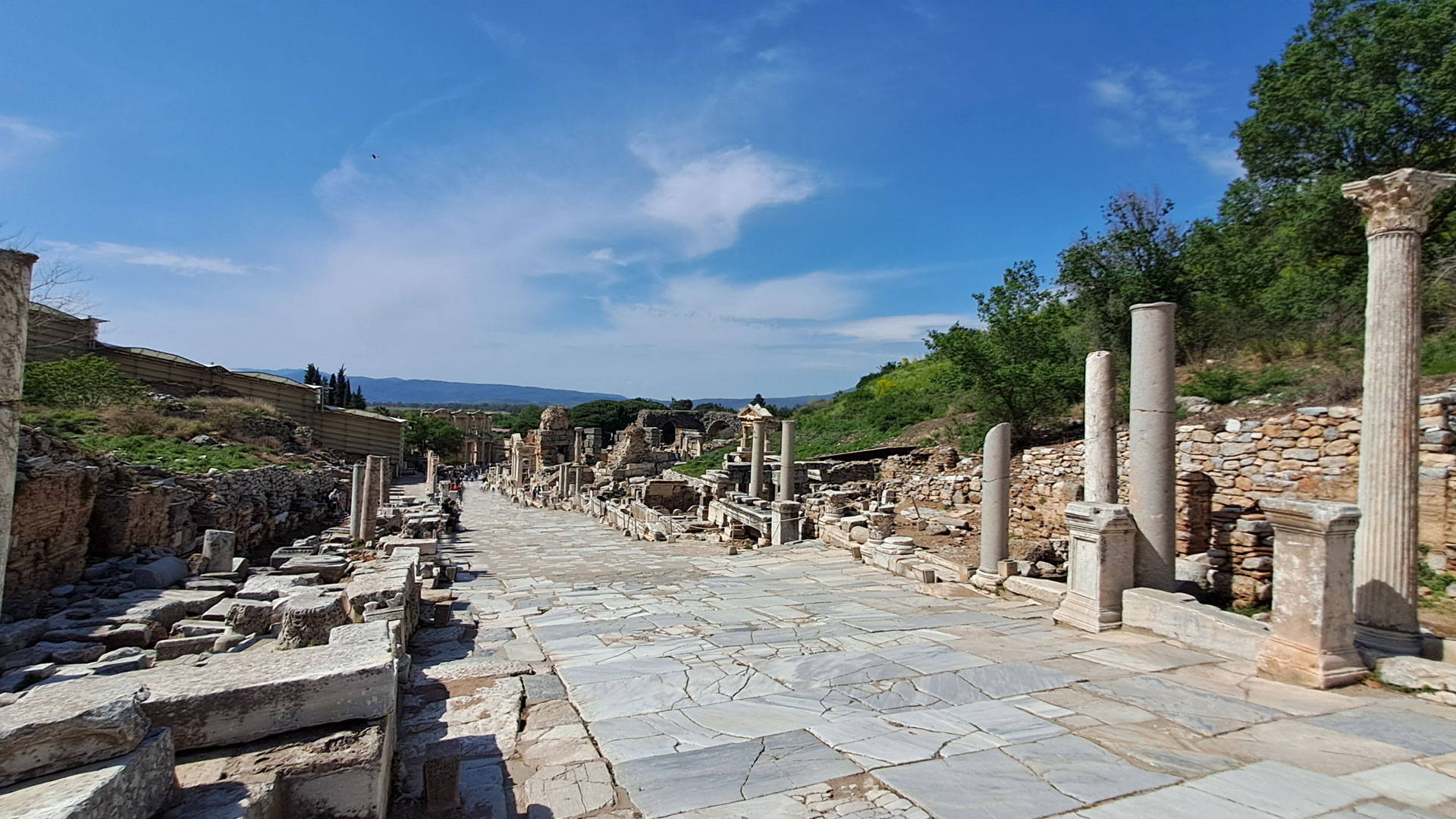
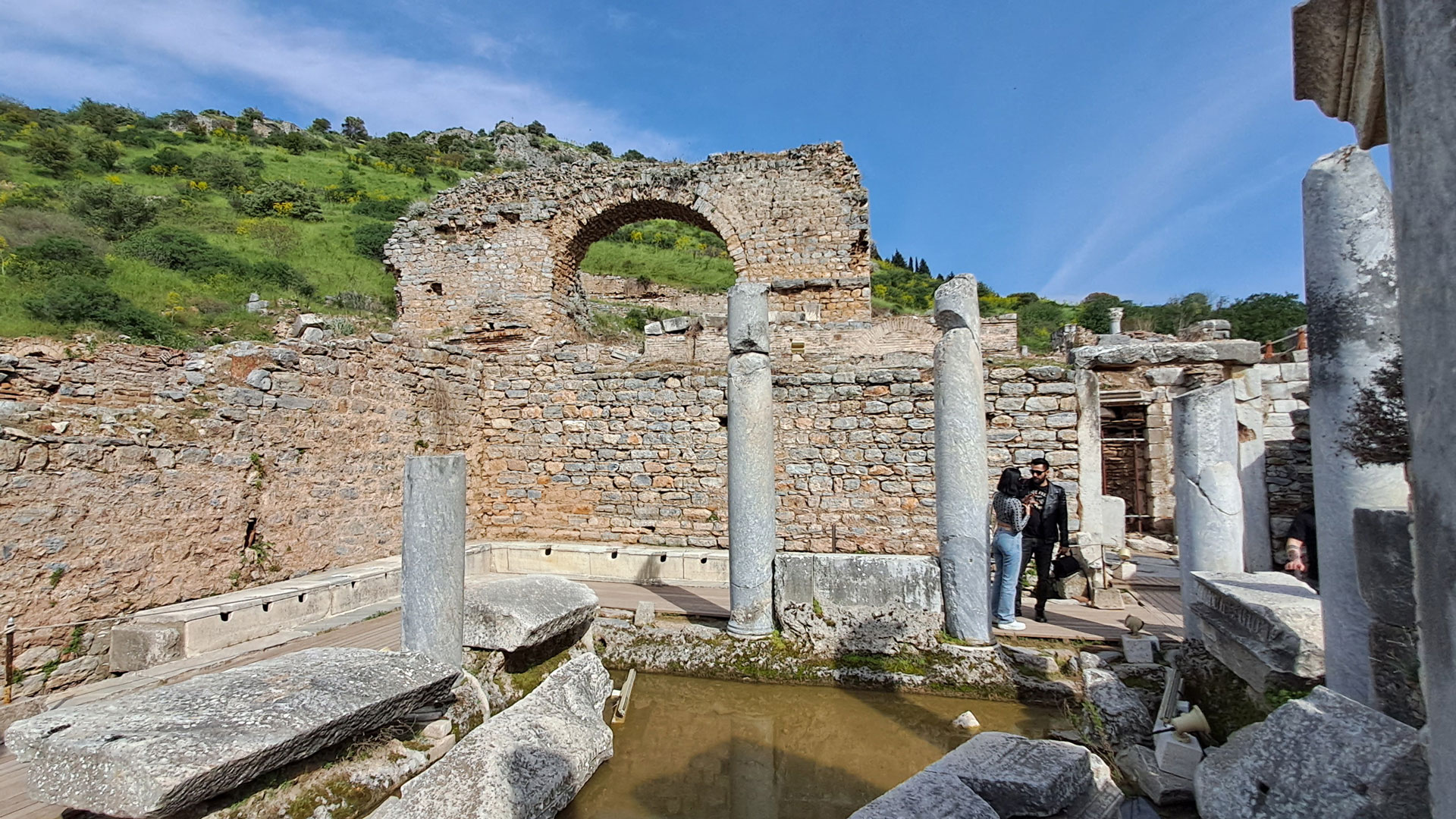
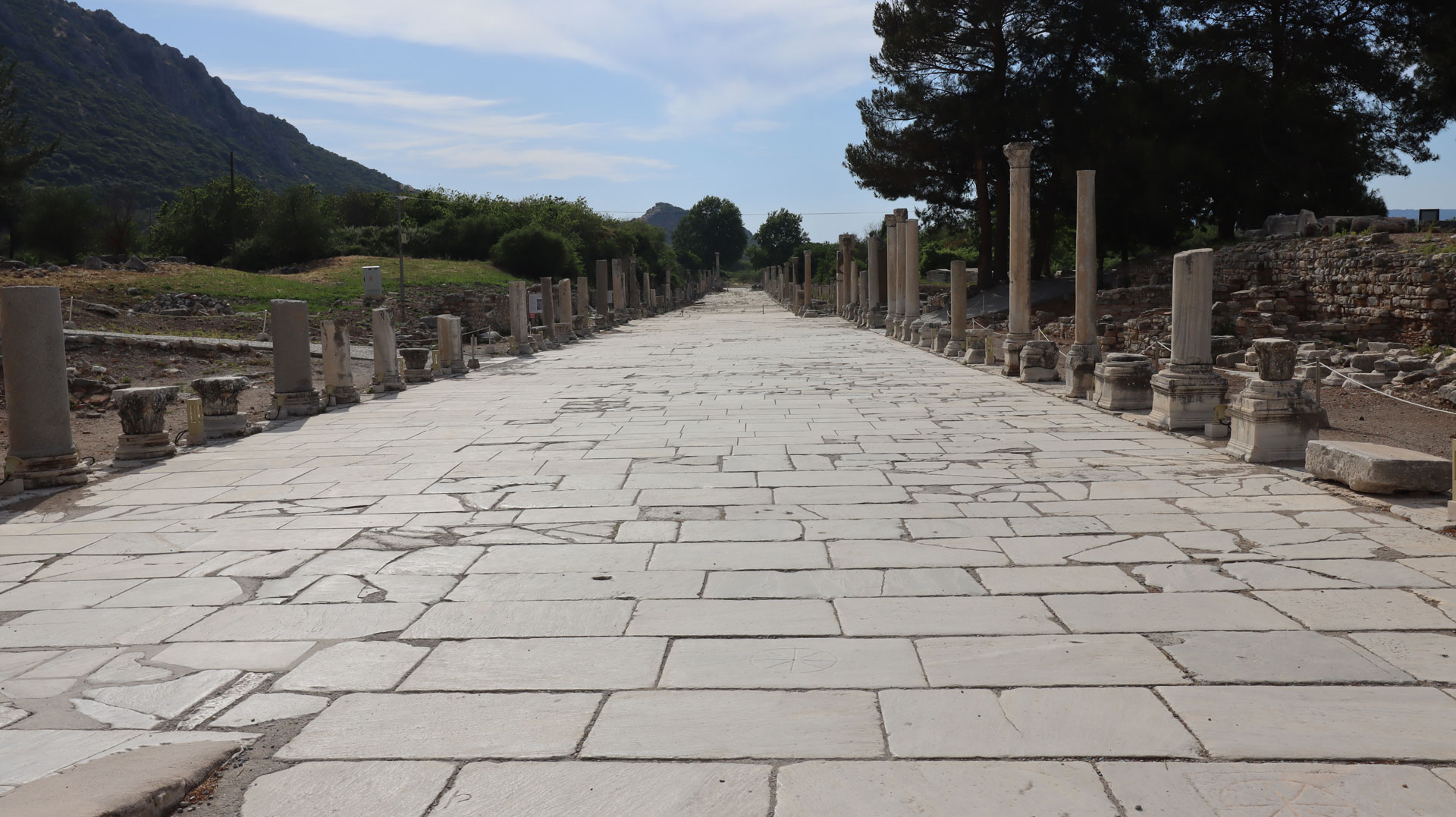
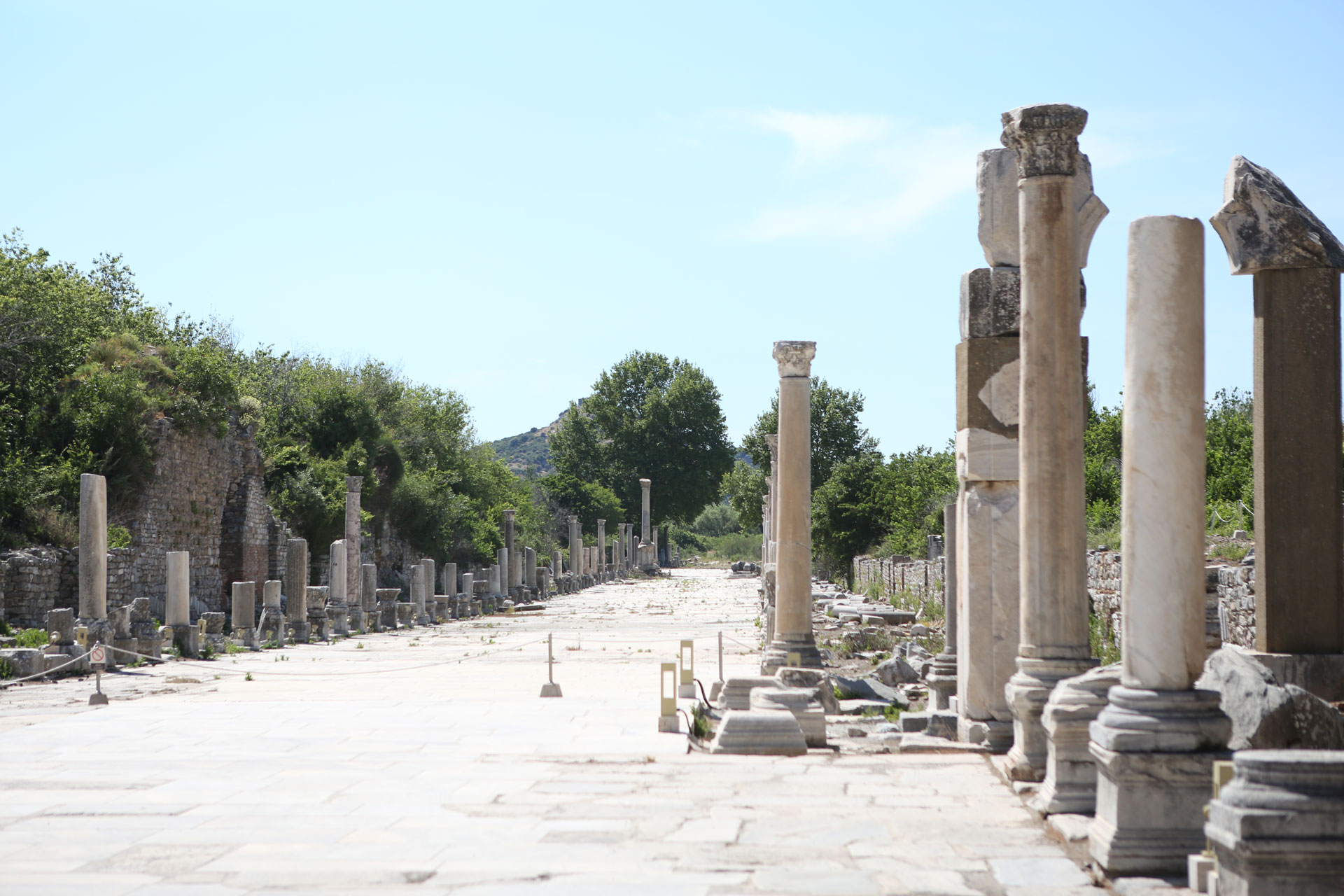
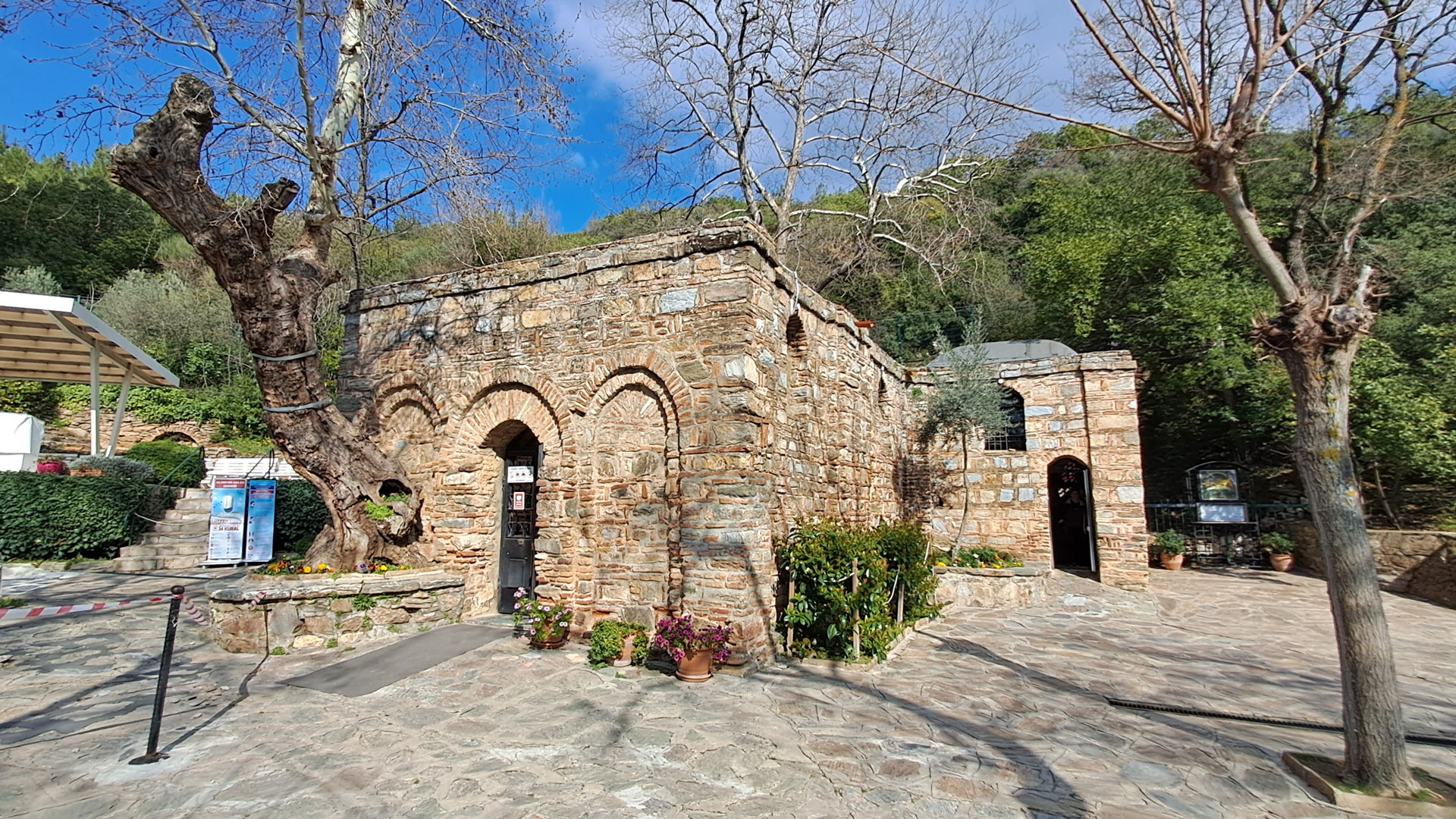
Efes, Batı Anadolu'nun Ege sahilinde bulunan bir yarımada üzerine kurulmuş bir liman kentidir. Günümüzde milyonlarca dünya gezgini Efes'i ziyaret ederek binlerce yıl öncesinin yaşam izlerini görmektedir. Efes'in büyük bir kısmı hala toprak altında bulunmaktadır, ancak arkeolojik kazılarla ortaya çıkarılan kent etkileyici bir şekilde restore edilmiştir. Efes araştırmaları ve kazıları, Türkiye'deki müzelerde ve dünyanın diğer önemli müzelerinde sergilenen eserlerle devam etmektedir.
Efes'in çevresindeki kazı alanlarında yapılan çalışmalar, geçmişi M.Ö. 8200'lere kadar götüren yeni bulgular ortaya çıkarmıştır. Hititler Dönemi'nde Arzawa Ülkesi içindeki Apasas'ın Ayasuluk Tepesi'nde yerleşim olduğu düşünülmektedir. Efes'i tam olarak keşfedebilmek için meraklı gezginlerin daha fazla zaman ayırması gerekmektedir, çünkü on bin yıllık bir geçmişe sahip olan Efes'in izlerini takip etmek birkaç günü aşabilir.
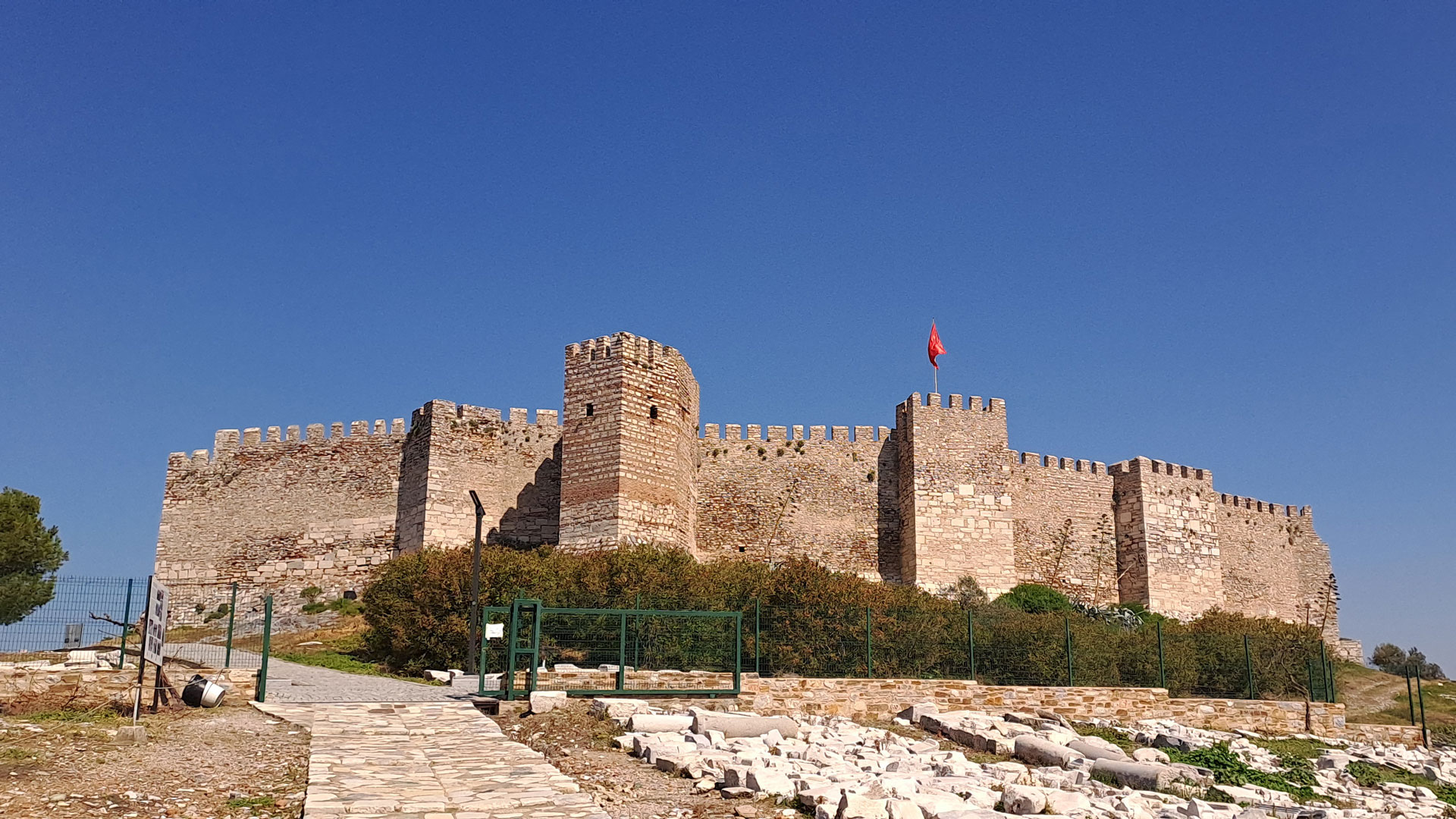
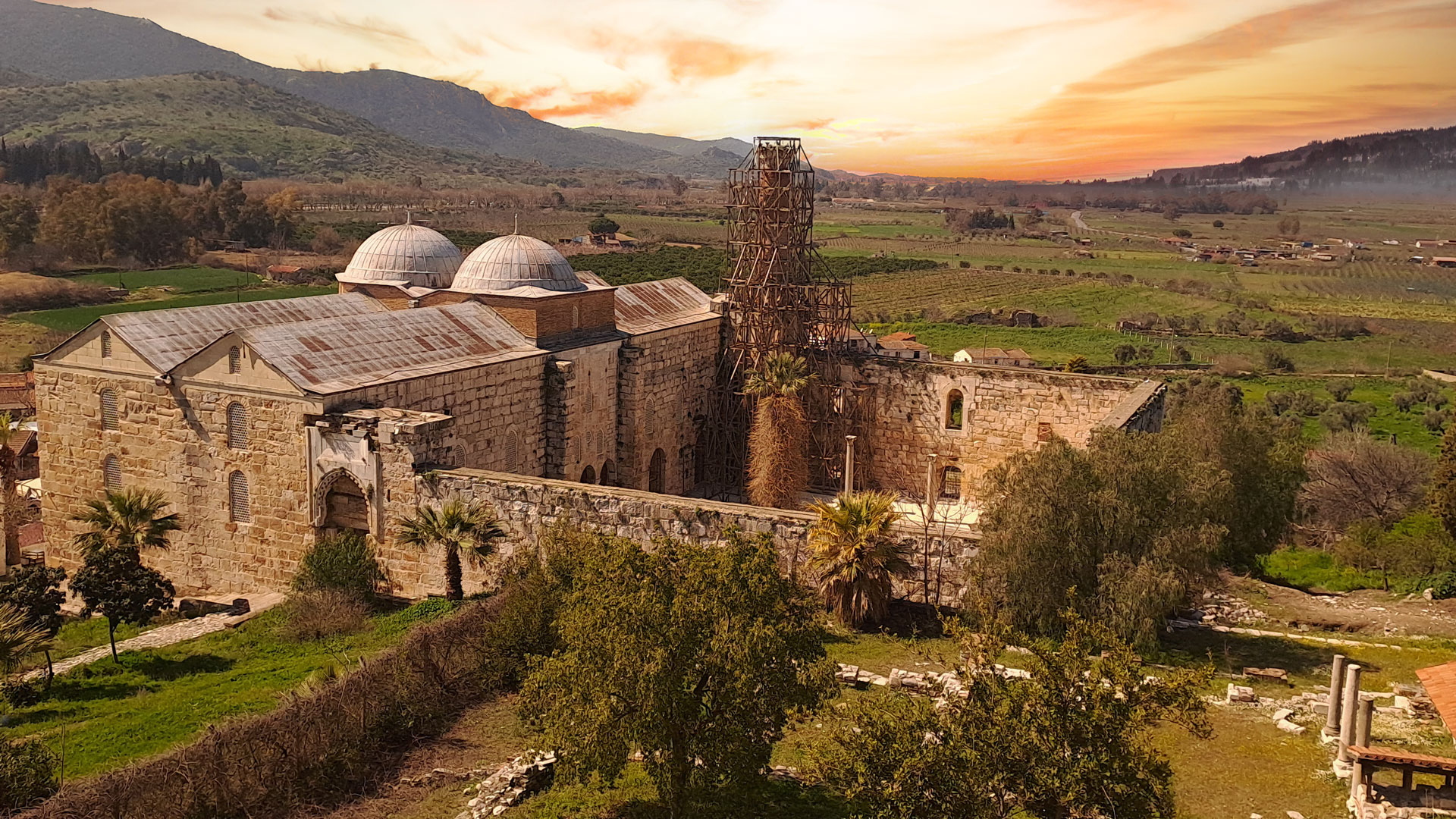
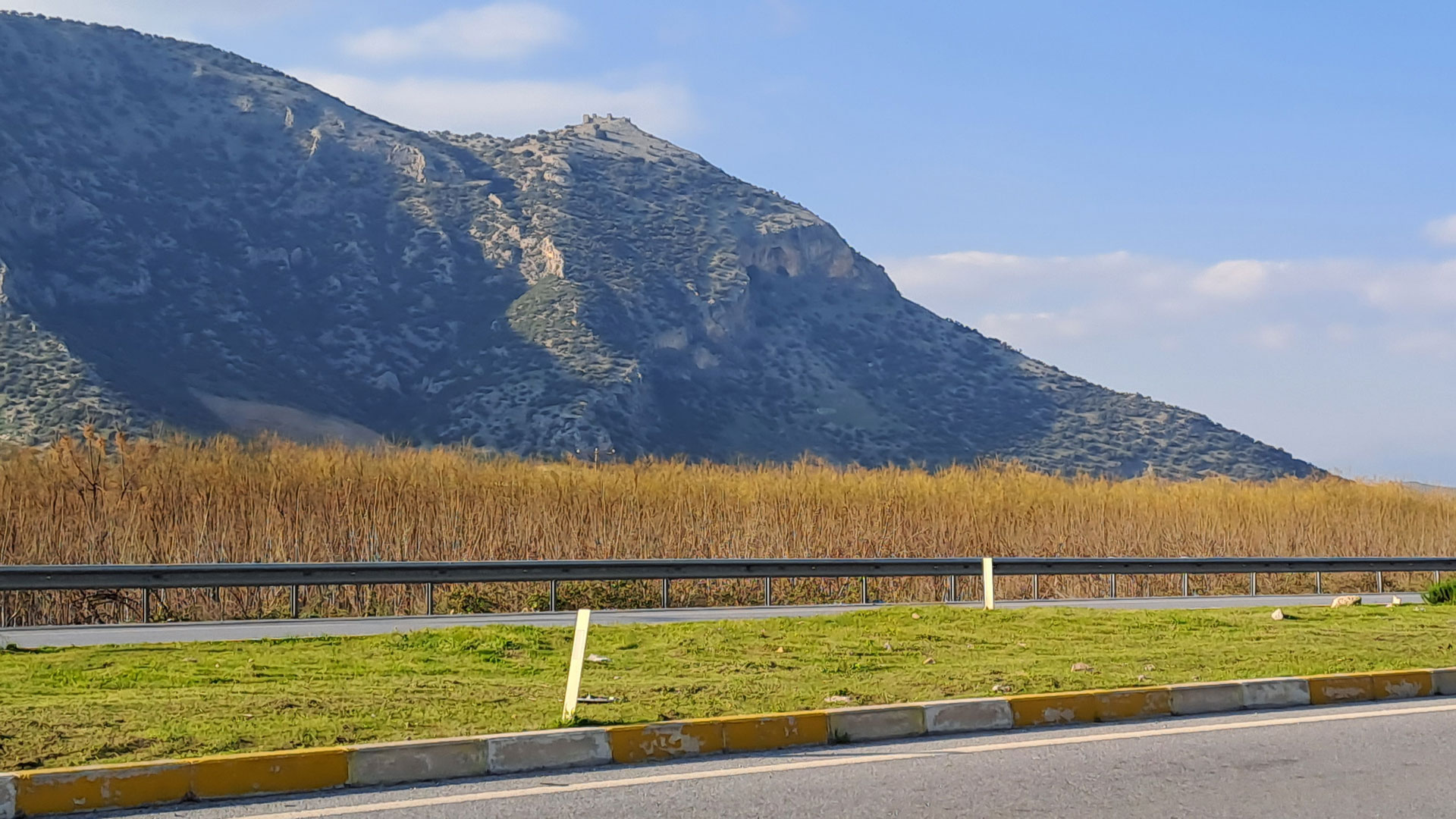
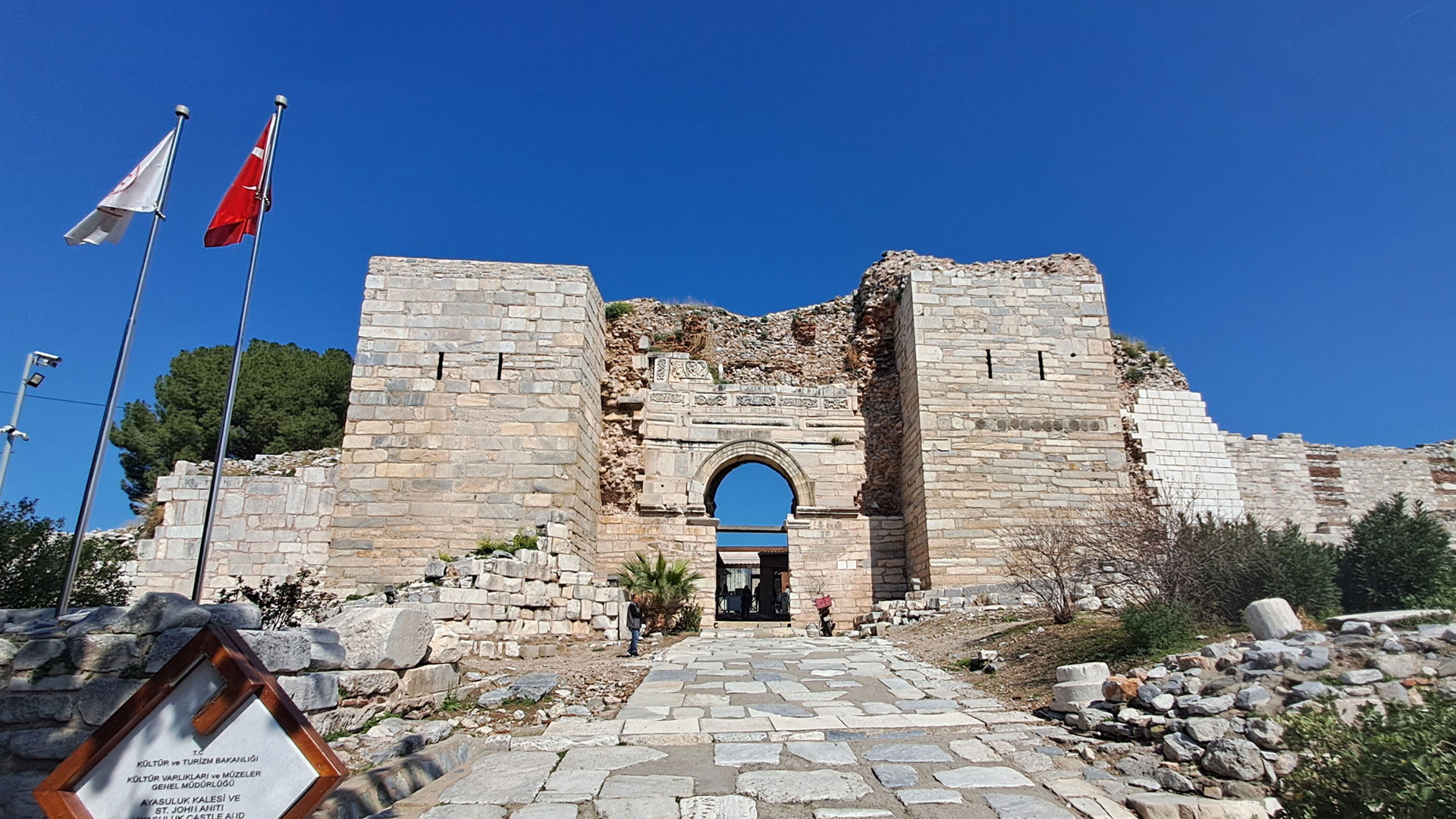
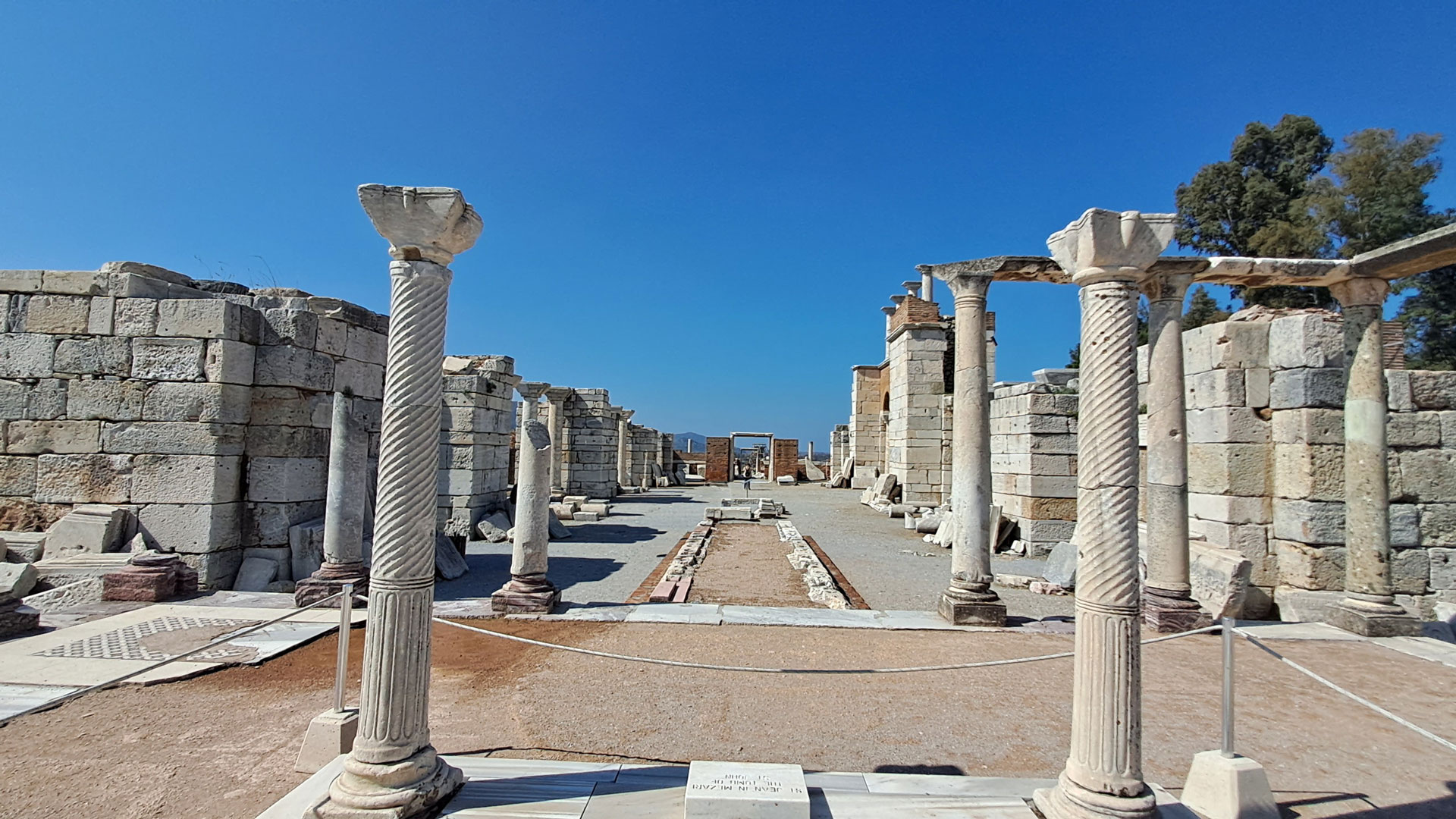
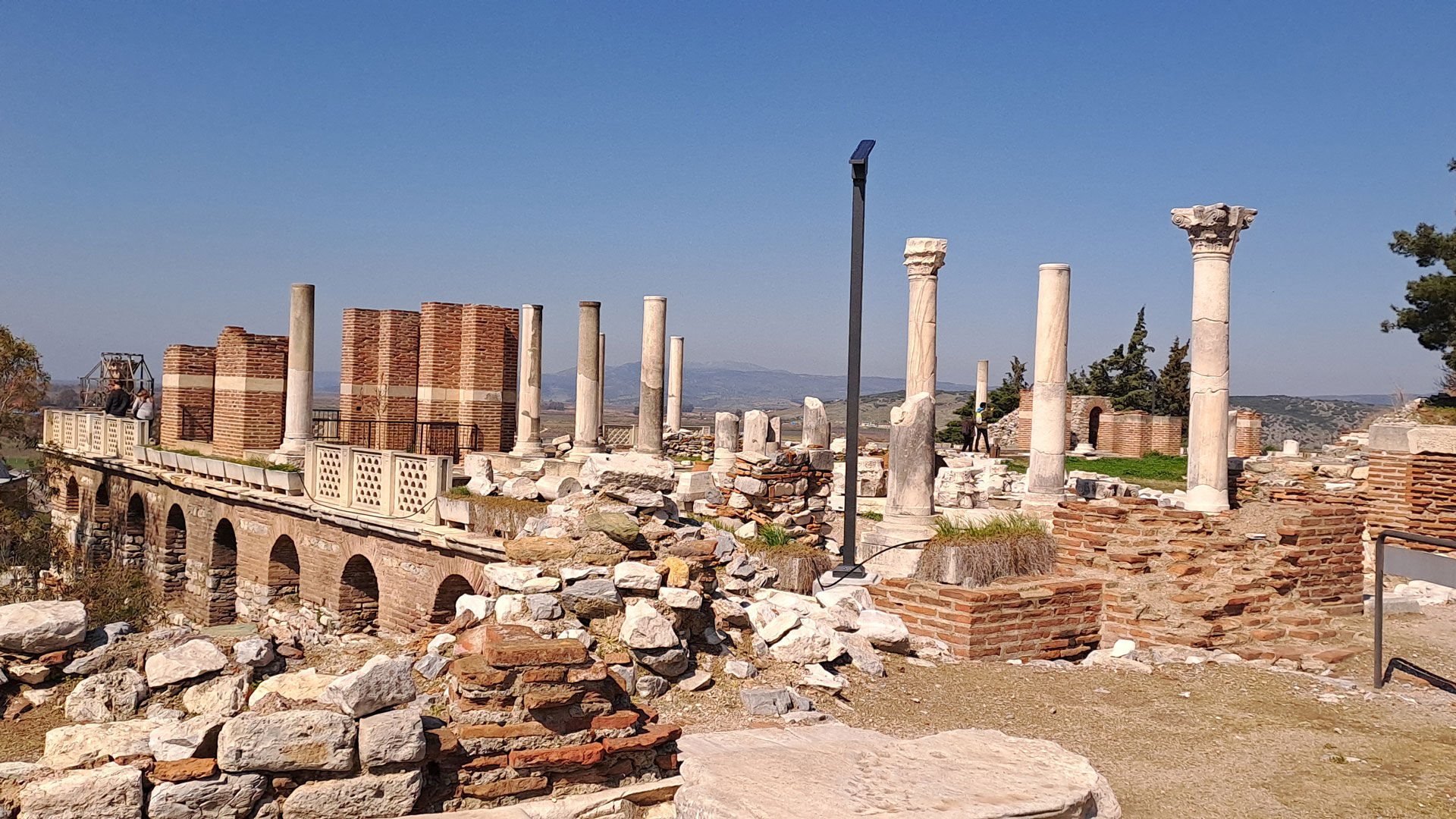
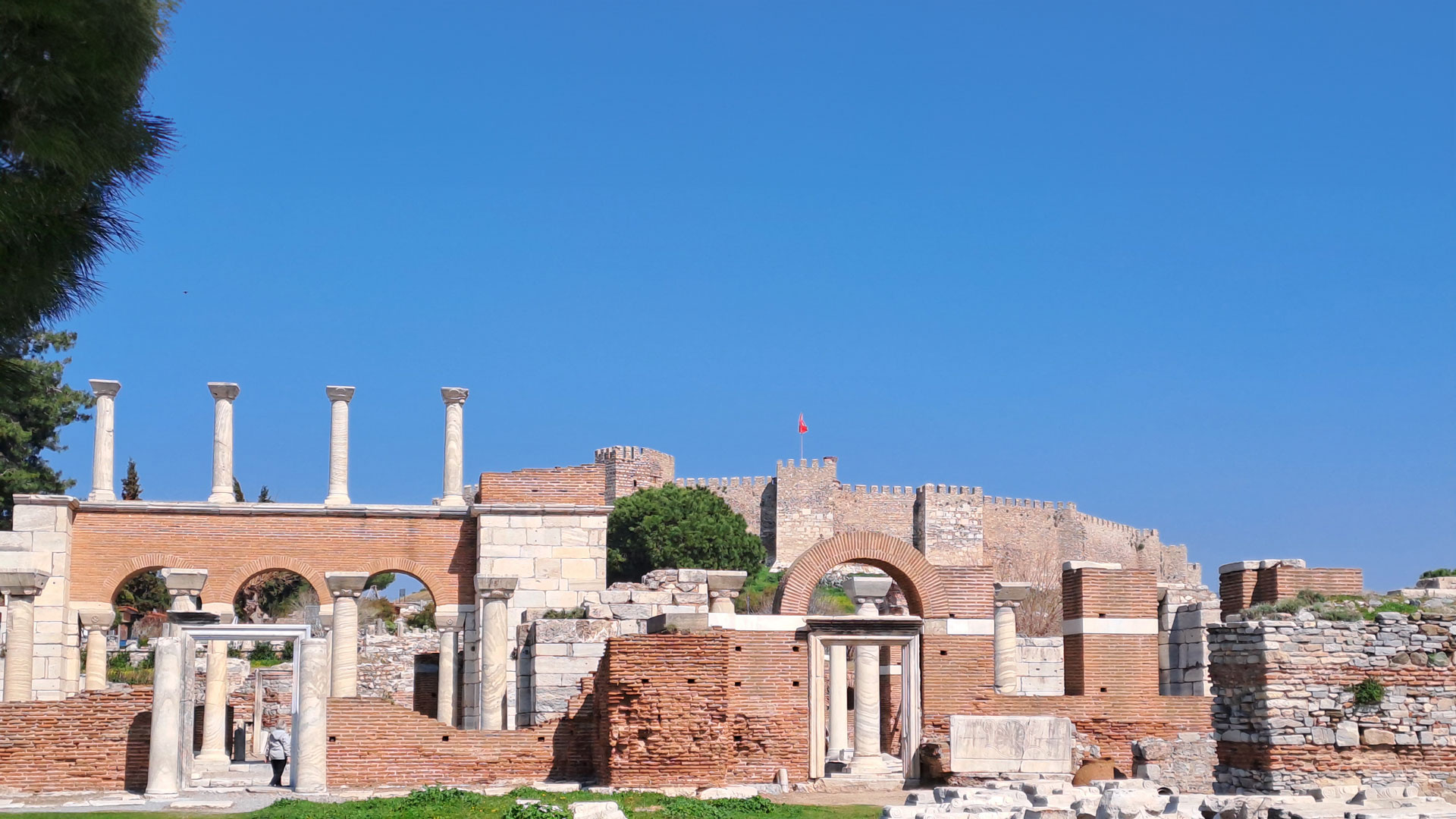
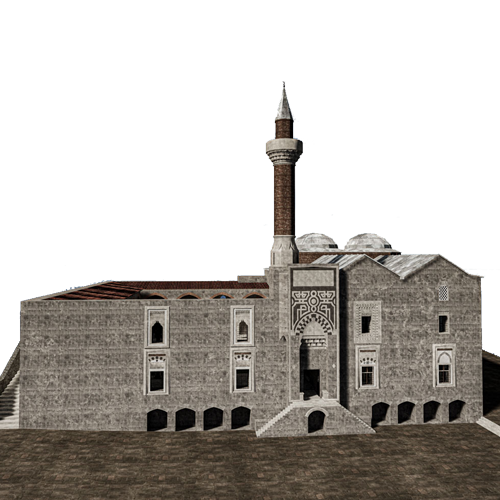
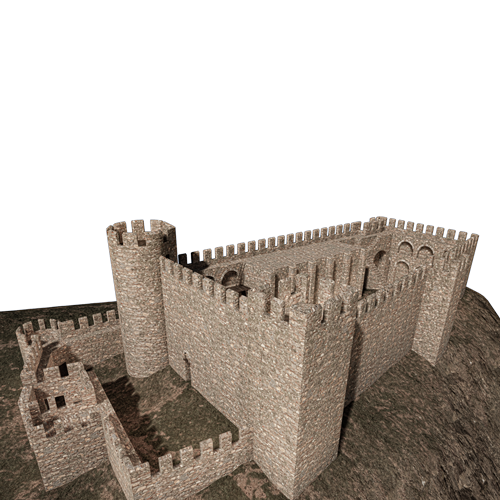
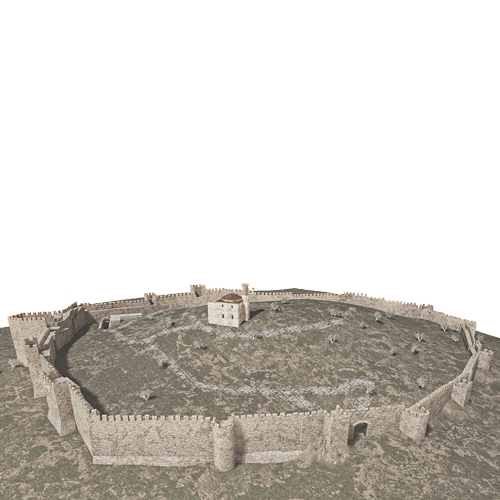
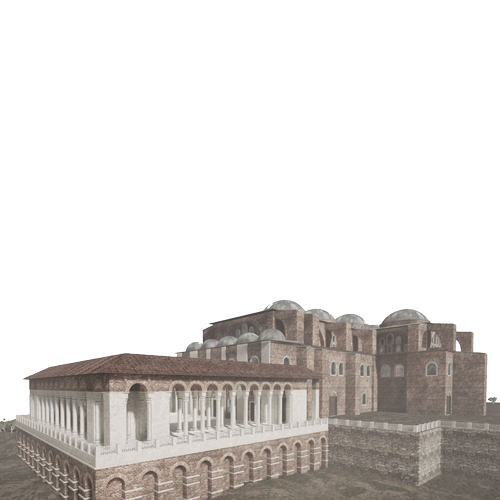
Efes'teki arkeolojik alanlarda, Selçuk ilçesindeki Ayasuluk Tepesi'nde bulunan Kale, St. Jean Kilisesi ve Selçuklu Beyliği dönemine ait İsa Bey Camisi gibi yapılar, Neolitik dönemden Roma'ya, Doğu Roma (Bizans) ve Osmanlı İmparatorluğu'na kadar uzanan dönemlerden kalmış yapılar ya da buluntularla birlikte Efes'in geçmişine dair izler sunmaktadır.
Günümüzde Efes Limanı artık kullanılmamaktadır ve kent limanı bataklık halindedir. Ege Denizi de kenti terk etmiş ve 9 kilometre açığa çekilmiştir. Ancak bu duruma rağmen milyonlarca gezgin, yeniden restore edilen Efes'i görmek için yollara düşmektedir.
Özet olarak, Efes Antik Kenti Batı Anadolu'nun önemli bir turistik destinasyonudur. Binlerce yıl öncesinin yaşam izlerini görmek ve arkeolojik eserleri keşfetmek için milyonlarca ziyaretçi Efes'i ziyaret etmektedir.
Ephesus is a port city located on a peninsula along the Aegean coast of Western Anatolia. Today, millions of global travelers visit Ephesus to witness the traces of life from thousands of years ago. While a significant portion of Ephesus still lies underground, the city has been impressively restored through archaeological excavations. Research and excavations in Ephesus continue, with the artifacts being exhibited in museums in Turkey and other important museums around the world.
Studies conducted in the surrounding excavation sites of Ephesus have revealed new findings that date back to around 8200 BC. It is believed that there was a settlement in Ephesus, known as Apasas, within the Arzawa Kingdom during the Hittite period. To fully explore Ephesus, curious travelers need to allocate more time as tracing the footsteps of Ephesus, which has a history of ten thousand years, can exceed a few days.
Archaeological sites in Ephesus, such as the Castle located on Ayasuluk Hill in the Selçuk district, structures like St. John's Church, and the İsa Bey Mosque from the Seljuq period, offer glimpses into the history of Ephesus spanning from the Neolithic period to the Roman, Eastern Roman (Byzantine), and Ottoman Empires.
The Ephesus Port is no longer in use today, and the city's harbor is in a marshy state. The Aegean Sea has also retreated from the city and is now 9 kilometers away. Nevertheless, despite these circumstances, millions of travelers embark on journeys to see the restored Ephesus.
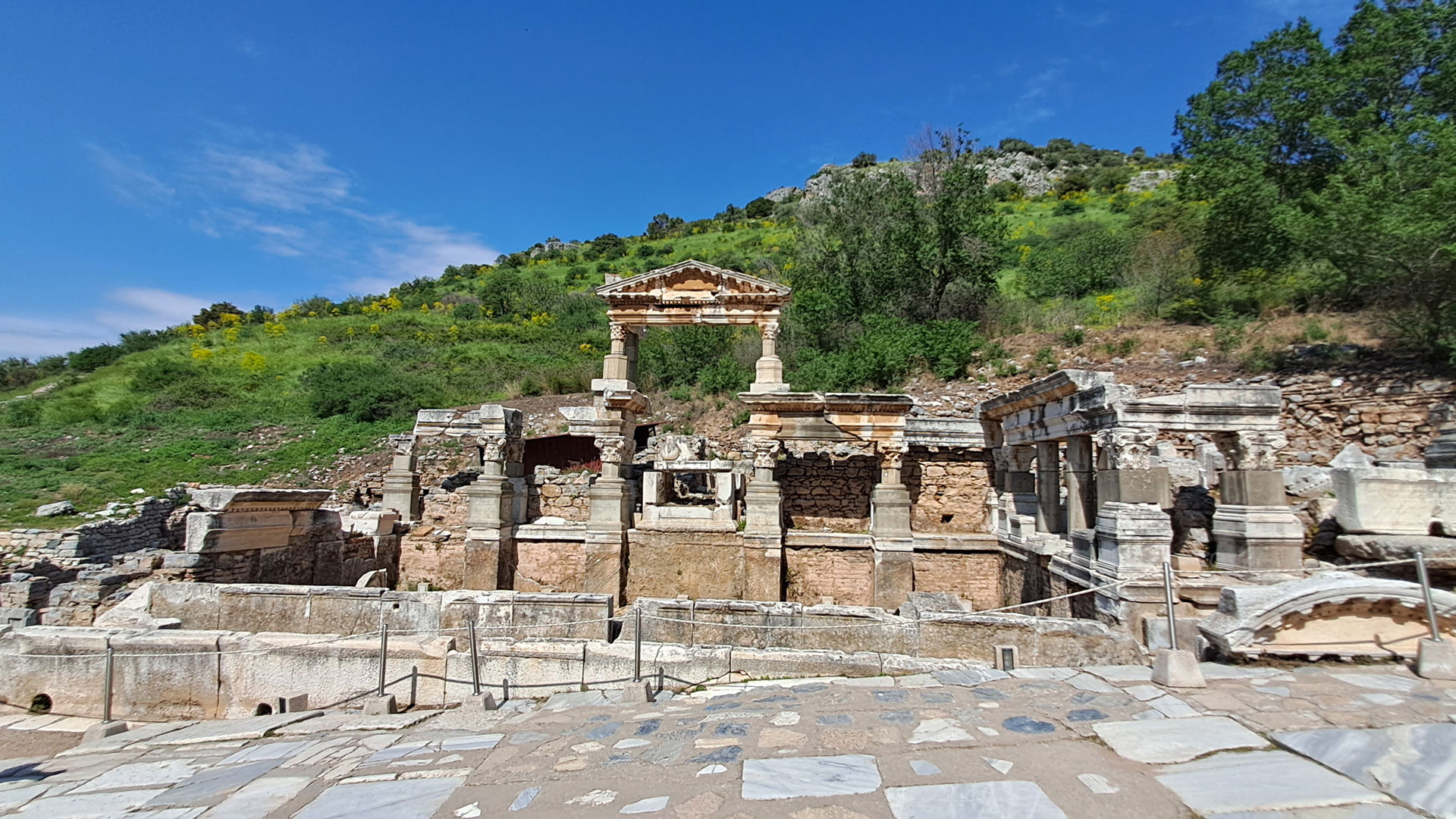

In summary, Ephesus Ancient City is an important tourist destination in Western Anatolia. Millions of visitors come to Ephesus to witness the traces of life from thousands of years ago and explore archaeological artifacts.
Antik Kantler Serisi 2, “Efes ve Diğer İon Kentleri”,(2017), Uranüs yayınları, 2. Baskı, Sayfa 8.